Your car isn’t just a machine; it’s a complex system of parts working together to get you from point A to point B. But what happens when something goes wrong, like a vacuum leak?
You might be wondering, “Will a vacuum leak throw a code? ” Understanding this could be crucial for your car’s health and your peace of mind. Imagine driving without worrying about mysterious warning lights or unexpected breakdowns. By the end of this article, you’ll know exactly how a vacuum leak can affect your car’s performance and what you can do about it.
Ready to dive in and ensure your car runs smoothly? Let’s get started.

Credit: www.youtube.com
What Is A Vacuum Leak
A vacuum leak happens when there’s an unintended gap or hole in your engine’s vacuum system. This system uses vacuum pressure to help control various components like the fuel mixture and brake booster. Even a small leak can disrupt engine performance and cause issues you’ll definitely notice.
Have you ever felt your car’s idle getting rough or noticed your check engine light flicker? These are signs a vacuum leak might be at play. Understanding what a vacuum leak is can help you spot problems early and save you from costly repairs.
What Causes A Vacuum Leak?
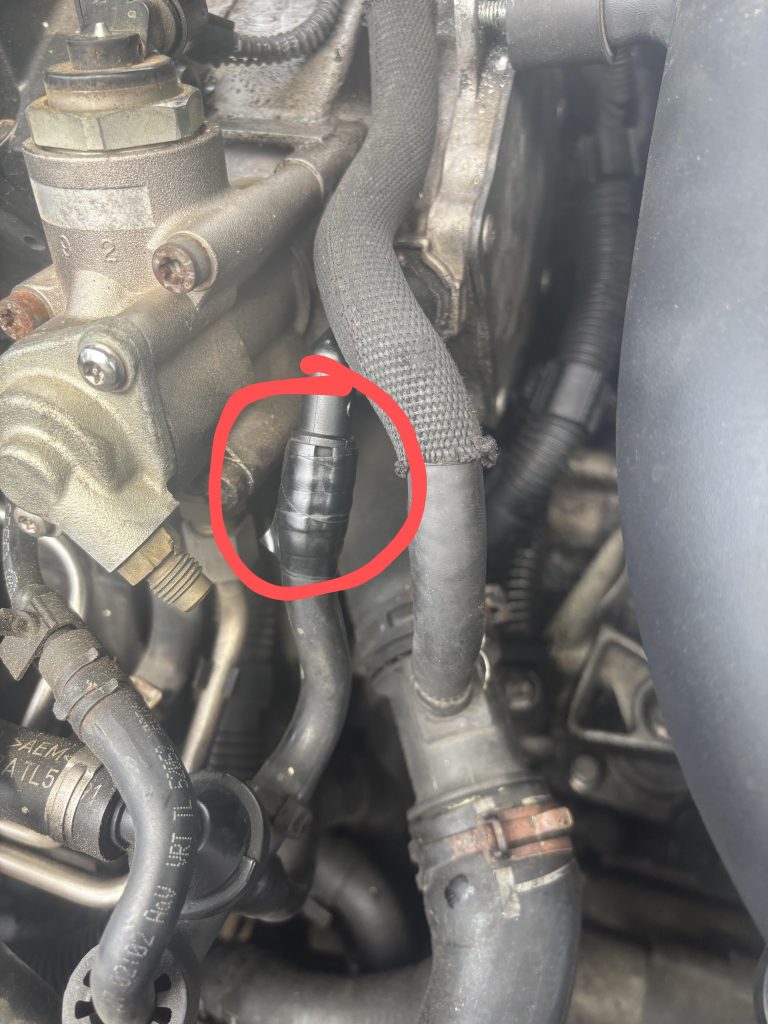
Vacuum leaks usually come from cracked or disconnected hoses, faulty gaskets, or loose connections. Rubber components wear out over time, especially in hot engine bays. Even a tiny crack or loose clamp can create a leak.
Think about the last time you checked under your hood. Did any hoses look brittle or out of place? That’s often where leaks start.
How Does A Vacuum Leak Affect Your Engine?
A vacuum leak lets extra air into the engine, throwing off the air-fuel balance. This can cause rough idling, stalling, or poor acceleration. Your engine may also run hotter than usual because it’s struggling to burn fuel efficiently.
Notice the difference in how your car drives when it’s cold versus warm? Sometimes leaks become more apparent under certain conditions.
Common Symptoms Of A Vacuum Leak
- High or unstable idle speed
- Engine stalling shortly after starting
- Check engine light turning on
- Poor fuel economy
- Hissing noise from the engine bay
Have you heard a strange hissing noise near your engine? That’s a classic hint of a vacuum leak trying to tell you something.
Common Signs Of A Vacuum Leak
Vacuum leaks cause air to enter the engine where it shouldn’t. This disrupts the engine’s air-fuel balance. Detecting a vacuum leak early helps avoid bigger problems. Several clear signs point to a vacuum leak in your vehicle.
Engine Performance Issues
The engine may run rough or stall suddenly. You might notice poor acceleration or reduced power. The idle speed could fluctuate or become unusually high. These issues happen because the engine struggles to maintain the right mix of air and fuel.
Unusual Noises
A hissing or whistling sound near the engine is common. This noise comes from air escaping through the leak. It often grows louder when you press the accelerator. Listening closely can help pinpoint the leak’s location.
Check Engine Light Activation
The check engine light may turn on without warning. A vacuum leak can trigger sensors to detect engine problems. This code helps identify air intake issues early. Scanning for codes can confirm the presence of a vacuum leak.
How Vacuum Leaks Trigger Trouble Codes
Vacuum leaks can be sneaky troublemakers in your vehicle’s engine. They disrupt the delicate balance of air and fuel, which your engine needs to run smoothly. But how exactly do these leaks cause your vehicle’s computer to throw a trouble code? Understanding this process helps you diagnose issues faster and avoid unnecessary repairs.
Role Of The Engine Control Unit
Your car’s Engine Control Unit (ECU) acts like a vigilant manager. It constantly monitors engine performance by checking signals from various sensors. When a vacuum leak allows extra air into the engine, the ECU detects an unexpected change in airflow and fuel mixture.
This mismatch triggers the ECU to log a trouble code, alerting you that something is off. The ECU tries to compensate by adjusting fuel delivery, but if the leak is significant, it won’t be able to maintain the right balance. This is when you might notice symptoms like rough idling or poor acceleration, along with a check engine light.
Sensors Affected By Vacuum Leaks
Several sensors play a key role in detecting vacuum leaks and setting trouble codes. The most common ones include:
- Mass Air Flow (MAF) Sensor:Measures the amount of air entering the engine. A vacuum leak throws off this reading, causing a lean air-fuel mixture code.
- Manifold Absolute Pressure (MAP) Sensor:Detects the pressure inside the intake manifold. A vacuum leak lowers this pressure unexpectedly, triggering a diagnostic trouble code.
- Oxygen (O2) Sensors:Monitor the exhaust gases to check fuel combustion efficiency. A lean mixture caused by a vacuum leak leads to abnormal oxygen readings and related codes.
Have you ever noticed your check engine light come on after a sudden change in weather or after replacing a vacuum hose? This is a clear sign your sensors are picking up on changes caused by leaks. Paying attention to these sensor signals can save you time and money on repairs.

Credit: simonsautomotiveserviceabington.com
Typical Trouble Codes Linked To Vacuum Leaks
Vacuum leaks often cause trouble codes that help identify engine problems. These codes alert you to issues affecting engine performance. Common trouble codes linked to vacuum leaks point to air-fuel mixture problems or misfires. Understanding these codes can guide you to the root cause quickly.
P0171 And P0174 – Lean Condition Codes
Codes P0171 and P0174 indicate a lean air-fuel mixture. This means the engine receives too much air or too little fuel. Vacuum leaks let extra air enter the engine, causing these codes. The engine control unit (ECU) detects this imbalance and triggers a warning. These codes often appear when the leak is on the intake manifold or vacuum hoses.
P0300 – Misfire Detection
P0300 signals random or multiple cylinder misfires. Vacuum leaks can cause misfires by disturbing the air-fuel ratio. The engine struggles to burn the fuel properly, leading to rough running. Misfires reduce power and increase emissions. The ECU registers the misfires and stores this trouble code.
Other Related Codes
- P0507 – Idle Control System RPM Higher Than Expected
- P0441 – Evaporative Emission Control System Incorrect Purge Flow
- P1101 – Mass Air Flow Sensor Range/Performance Problem
These codes may also appear due to vacuum leaks. They reflect issues with idle speed, emissions, or air flow sensing. Checking these codes helps confirm a vacuum leak as the cause.
Diagnosing Vacuum Leaks Effectively
Diagnosing vacuum leaks is essential to maintain your vehicle’s performance. A vacuum leak can cause rough idling, poor fuel economy, and even trigger engine codes. Finding the leak early helps prevent bigger problems and saves money. Here are some effective ways to detect vacuum leaks accurately.
Visual Inspection Techniques
Start by examining all vacuum hoses and connections closely. Look for cracks, splits, or loose fittings. Check around the intake manifold and throttle body for signs of wear. Dirt or grime buildup can also indicate a leaking area. Use a flashlight to see hard-to-reach spots clearly. This simple step often reveals obvious leaks without tools.
Using Smoke Machines
A smoke machine pumps smoke into the vacuum system. The smoke escapes through any leaks, making them easy to spot. This method works well for small or hidden leaks. It is safe and does not damage engine parts. Mechanics often use this tool for precise leak detection. Watching where the smoke appears helps pinpoint the exact leak location.
Listening For Leaks
Vacuum leaks sometimes produce a hissing sound. With the engine running, listen carefully near hoses and fittings. Use a mechanic’s stethoscope or a piece of hose to amplify sounds. Moving around the engine bay helps locate the leak. Quiet surroundings improve your chances of hearing the leak clearly.

Credit: www.reddit.com
Repairing Vacuum Leaks
Repairing vacuum leaks is essential to keep your engine running smoothly and avoid those annoying check engine lights. Ignoring a vacuum leak not only throws off your fuel mixture but can also lead to poor engine performance and increased emissions. Fixing these leaks often requires a combination of the right tools, patience, and knowing exactly where to look.
Common Repair Methods
One of the first things you can try is visually inspecting all vacuum hoses for cracks, splits, or loose connections. Sometimes, simply tightening a loose hose clamp or replacing a brittle hose can solve the problem.
Spraying soapy water or carburetor cleaner around suspected leak points while the engine is running can help pinpoint the leak by causing the engine idle to change.
In some cases, you might need to replace gaskets or seals that have worn out over time. These small parts often cause significant vacuum loss when damaged.
Parts Often Replaced
- Vacuum hoses:These flexible tubes can become brittle and crack, especially in older vehicles.
- Intake manifold gaskets:A common leak spot that affects the air-fuel mixture directly.
- PCV valve:If this valve sticks or fails, it can cause vacuum leaks that affect engine performance.
- Throttle body gaskets:Leaks here can cause rough idling or stalling.
Have you checked these parts during your last engine tune-up? Identifying and replacing faulty components early can save you from costly repairs down the road.
Preventing Future Vacuum Leaks
Preventing future vacuum leaks is key to keeping your engine running smoothly and avoiding unexpected trouble codes. A vacuum leak can sneak up on you, but with some simple habits and awareness, you can spot issues early and keep your vehicle in top shape. Let’s look at practical ways to stay ahead of vacuum leaks before they cause bigger problems.
Regular Maintenance Tips
Keeping an eye on your engine’s vacuum system starts with regular checks and upkeep. Make it a habit to inspect vacuum hoses for cracks, brittleness, or loose connections every few months.
Replacing old hoses before they fail can save you time and money. Also, clean the throttle body and intake manifold to prevent dirt buildup that could cause leaks.
Don’t forget to check the PCV (Positive Crankcase Ventilation) valve regularly—it’s a common source of vacuum leaks if it gets stuck or clogged. Have your mechanic test the system during routine oil changes or tune-ups.
Signs To Watch For Early Detection
How do you know if a vacuum leak is starting to develop? Pay attention to these early signs that your engine might be struggling:
- Rough idle:The engine may shake or stumble when idling.
- Check Engine Light:A vacuum leak often triggers codes related to air/fuel mixture.
- Hissing sounds:Listen closely near the engine for unusual hissing or sucking noises.
- Poor fuel economy:You might notice you’re filling up more often than usual.
- Loss of power:Your car may hesitate or lack acceleration on demand.
Have you ever ignored a strange noise only to find out later it was a sign of a bigger issue? Catching these symptoms early lets you fix leaks before they cause engine damage or leave you stranded.
Frequently Asked Questions
Can A Vacuum Leak Trigger An Engine Code?
Yes, a vacuum leak can trigger engine codes. It disrupts air-fuel mix, causing sensors to detect issues. Common codes include P0171 or P0174, indicating a lean condition due to excess air entering the system.
What Symptoms Indicate A Vacuum Leak Code?
Symptoms include rough idling, poor acceleration, stalling, and increased emissions. The check engine light often turns on, signaling a detected vacuum leak or related air-fuel imbalance.
How Does A Vacuum Leak Affect The O2 Sensor?
A vacuum leak causes unmetered air to enter, skewing O2 sensor readings. This leads to incorrect fuel adjustments, triggering engine codes and poor engine performance.
Can A Vacuum Leak Cause The Check Engine Light?
Yes, a vacuum leak commonly triggers the check engine light. The engine control unit detects abnormal air intake and stores a diagnostic trouble code.
Conclusion
A vacuum leak can cause your car’s engine to run poorly. It often triggers a check engine light and stores a trouble code. These codes help identify the source of the problem quickly. Fixing the leak improves performance and fuel efficiency.
Regular checks keep your engine running smoothly. Don’t ignore warning signs or strange noises. A small issue can lead to bigger repairs later. Stay alert and maintain your vehicle well. Understanding vacuum leaks helps you act fast and save money.