Have you ever wondered if your air conditioner can run without a filter? It’s a question many people ask, especially when the filter looks dirty or you’re in a rush.
But what really happens when you skip this small, often overlooked part? Could it damage your AC or harm the air you breathe? Keep reading, because understanding the truth about air conditioner filters could save you from costly repairs and keep your home fresh and healthy.
Let’s dive into why that filter matters more than you might think.
Role Of Air Conditioner Filters
Air conditioner filters play a key role in keeping the system clean. They stop dust and dirt from entering the AC unit.
Filters also help improve the air you breathe by trapping harmful particles. This keeps your home healthier and your AC running smoothly.
Types Of Ac Filters
There are several types of air conditioner filters. Each type works differently to catch particles.
- Fiberglass Filters:These are basic filters that catch large dust particles.
- Pleated Filters:These have folds to trap smaller particles like pollen and mold spores.
- HEPA Filters:High-efficiency filters that trap very tiny particles, including allergens.
- Electrostatic Filters:Use static electricity to attract dust and other particles.
How Filters Impact Air Quality
Filters improve air quality by removing dust, pollen, and other pollutants. Clean filters help your AC work better and keep air fresh.
| Filter Type | Particle Removal | Effect on Air Quality |
| Fiberglass | Large dust particles | Basic dust removal |
| Pleated | Dust, pollen, mold spores | Better air quality |
| HEPA | Very fine particles and allergens | High air purity |
| Electrostatic | Dust and small particles | Improved air freshness |
Credit: blog.totalhomesupply.com
Functionality Without A Filter
An air conditioner filter blocks dust and dirt from entering the system. Without a filter, the unit still blows air, but its performance changes. This article explains how an AC works without a filter.
Understanding the effects helps you keep your AC running well. Two main areas to watch are airflow and system strain.
Airflow And Cooling Efficiency
Without a filter, air can flow more freely into the AC. This might seem like a good thing, but it also lets dust and debris enter the system.
- More dust can build up inside the unit
- Cooling parts may get dirty faster
- Blocked coils reduce cooling power
- Dirty air lowers indoor air quality
Over time, these issues reduce the AC’s ability to cool your space efficiently.
Potential System Strain
Without a filter, the AC system faces more strain. Dust and dirt can cause damage to key parts. This increases wear and tear and may lead to costly repairs.
| Problem | Effect on AC |
| Dust buildup on coils | Less cooling, higher energy use |
| Clogged fan blades | Reduced airflow, louder noise |
| Dirty motor parts | Motor overheating and failure |
| Shortened system life | More frequent repairs needed |
Risks Of Operating Without Filters
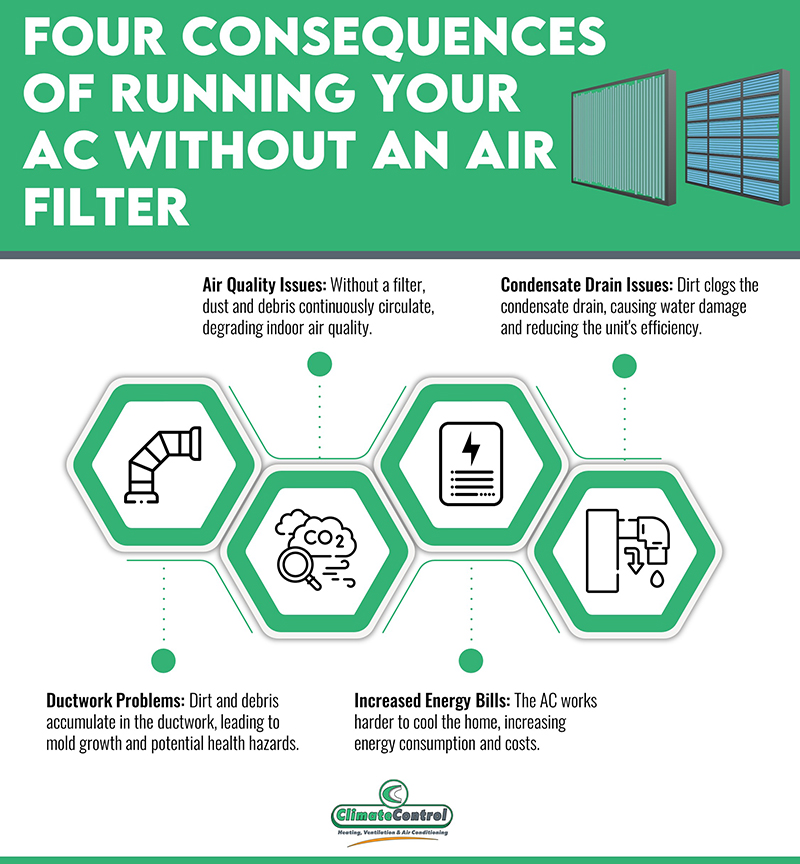
Running an air conditioner without a filter can cause serious problems. Filters keep dust and dirt out of the machine.
Without filters, the air conditioner works harder and may break down faster. It can also affect your health.
Damage To Internal Components
Dust and debris enter the air conditioner without a filter. These particles build up inside the machine. This causes parts like the coils and fan to wear out quickly.
- Dirt clogs the cooling coils, reducing efficiency.
- Fan blades get coated with dust, causing imbalance.
- Motors may overheat due to dust buildup.
- Electrical parts can short circuit from dust exposure.
Increased Energy Consumption
An air conditioner without a filter uses more energy. Dust on parts forces the machine to work harder to cool the space. This raises your electric bills.
| Condition | Energy Use |
| With Filter | Normal |
| Without Filter | Up to 30% Higher |
Health Concerns From Dust And Allergens
Filters trap dust, pollen, and allergens. Without them, these particles spread in the air you breathe. This can cause health problems, especially for people with allergies or asthma.
- Increased dust in the room
- More allergens floating in the air
- Higher risk of respiratory issues
- Worsened symptoms for allergy sufferers

Credit: www.aljazeera.com
Maintenance Tips For Ac Filters
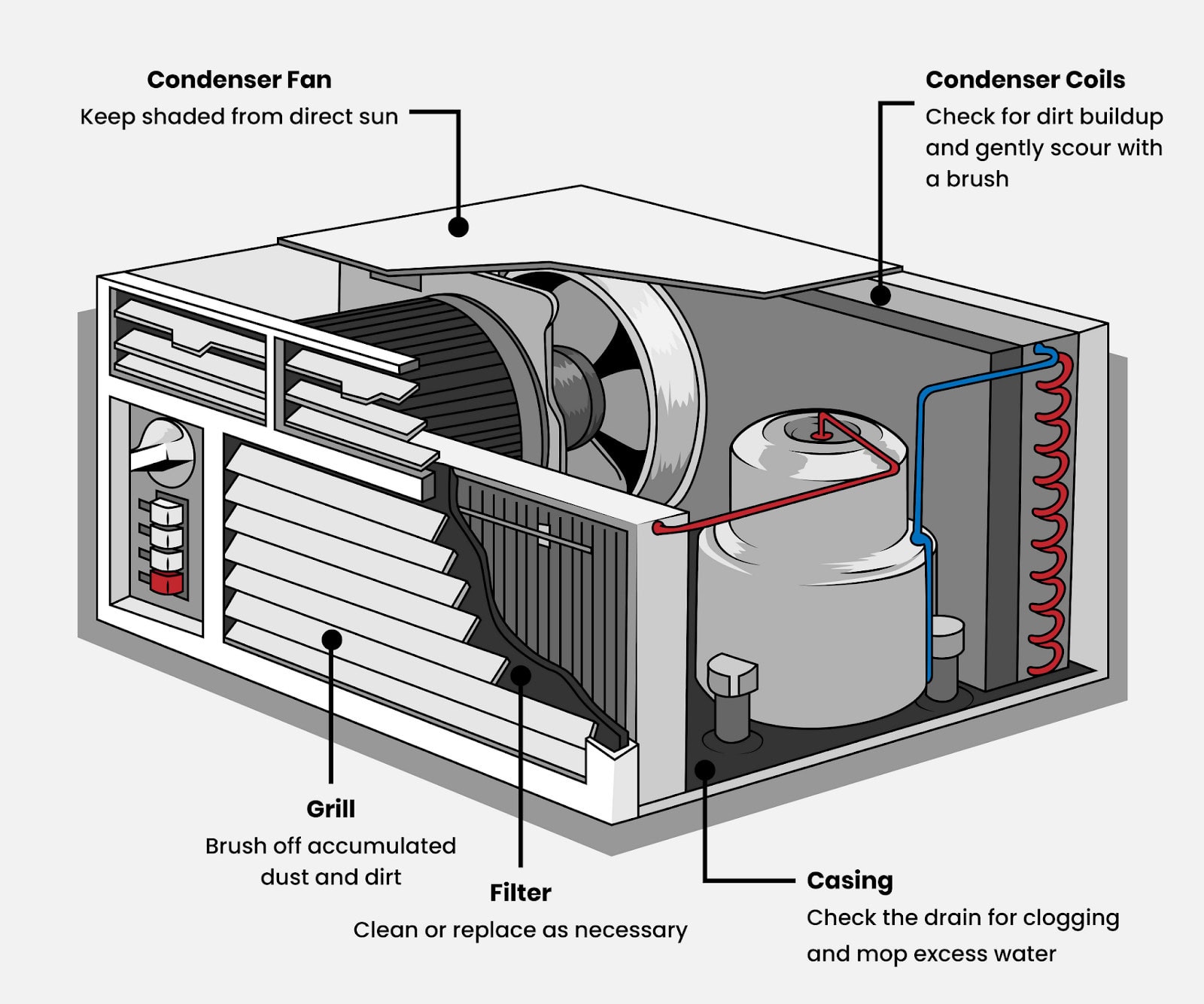
Air conditioner filters keep the air clean and the system running well. Proper care helps your AC work better and last longer.
Knowing when and how to clean or replace your AC filters is important. This guide gives simple tips to maintain your filters.
Cleaning Frequency
Cleaning your AC filter regularly stops dirt from building up. A dirty filter reduces airflow and makes your AC work harder.
- Check the filter every month during heavy use.
- Clean or wash the filter if it looks dusty or clogged.
- Use a vacuum or wash with water if the filter allows.
- Dry the filter completely before putting it back.
- More cleaning may be needed if you have pets or dust in the home.
When To Replace Filters
Filters do not last forever. Replace them when cleaning is not enough to keep them working well.
| Filter Type | Replacement Interval | Signs to Replace |
| Fiberglass | Every 30 days | Visible damage or persistent dirt |
| Pleated | Every 3 months | Reduced airflow or bad odor |
| HEPA | Every 6-12 months | Excessive dust or allergy symptoms |
Alternatives When Filters Are Unavailable
Air conditioner filters keep dust and dirt from entering the system. Sometimes, filters may not be available right away. You may wonder if your AC can work without a filter or what you can do instead.
This guide explains temporary solutions and the long-term impact of running an AC without a filter.
Temporary Solutions
If you cannot get a replacement filter soon, try these options to protect your air conditioner.
- Use a clean cloth or mesh screen to cover the intake area.
- Run the AC at a lower fan speed to reduce dust intake.
- Clean the internal parts of your AC more often to avoid dirt buildup.
- Place air purifiers in the room to reduce airborne dust.
Long-term Impact
Running an air conditioner without a proper filter can cause damage and reduce efficiency. The table below shows common issues and their effects.
| Issue | Effect on AC | Possible Result |
| Dust buildup | Clogs coils and vents | Reduced cooling power |
| Dirty fan blades | Unbalanced rotation | Noise and wear |
| Blocked airflow | Increased energy use | Higher electric bills |
| Internal damage | Shortened lifespan | Costly repairs |

Credit: aquariushomeservices.com
Frequently Asked Questions
Will An Air Conditioner Work Without A Filter?
Yes, an air conditioner can run without a filter, but it is not recommended. Without a filter, dust and debris enter the system, reducing efficiency and causing damage. It may also harm indoor air quality and increase maintenance costs.
What Happens If Ac Runs Without A Filter?
Running an AC without a filter causes dirt buildup on coils and components. This reduces cooling efficiency and airflow. It can lead to system breakdowns and higher energy bills. Additionally, it allows allergens and pollutants to circulate indoors, impacting health.
Can An Ac Get Damaged Without A Filter?
Yes, an AC can get damaged if operated without a filter. Dust and debris accumulate inside, causing wear and tear on parts. This leads to frequent repairs, shorter lifespan, and costly replacements. Filters protect the system from such damage.
Does Running Ac Without A Filter Affect Air Quality?
Running an AC without a filter significantly worsens indoor air quality. It allows dust, pollen, and other pollutants to circulate freely. This can trigger allergies, asthma, and respiratory issues. Filters help trap these particles, keeping air clean and healthy.
Conclusion
An air conditioner can run without a filter, but it is not wise. Dirt and dust will enter the system, causing damage over time. This can reduce cooling efficiency and increase energy costs. Also, air quality will drop, affecting your health.
Cleaning or replacing filters regularly keeps the AC working well. It saves money and protects your home’s air. Always check the filter before turning on your air conditioner. Small steps make a big difference in comfort and device life.