
Are you worried about how tariffs might change the price or availability of car tires? You’re not alone.
Tariffs can shake up the market in ways that directly affect what you pay and how easily you can find the tires you need. Understanding these changes can save you money and help you make smarter choices for your vehicle.
Keep reading to find out exactly how tariffs could impact your car tires and what you can do to stay ahead.
Credit: www.blackcircles.ca
Tariffs And Tire Industry
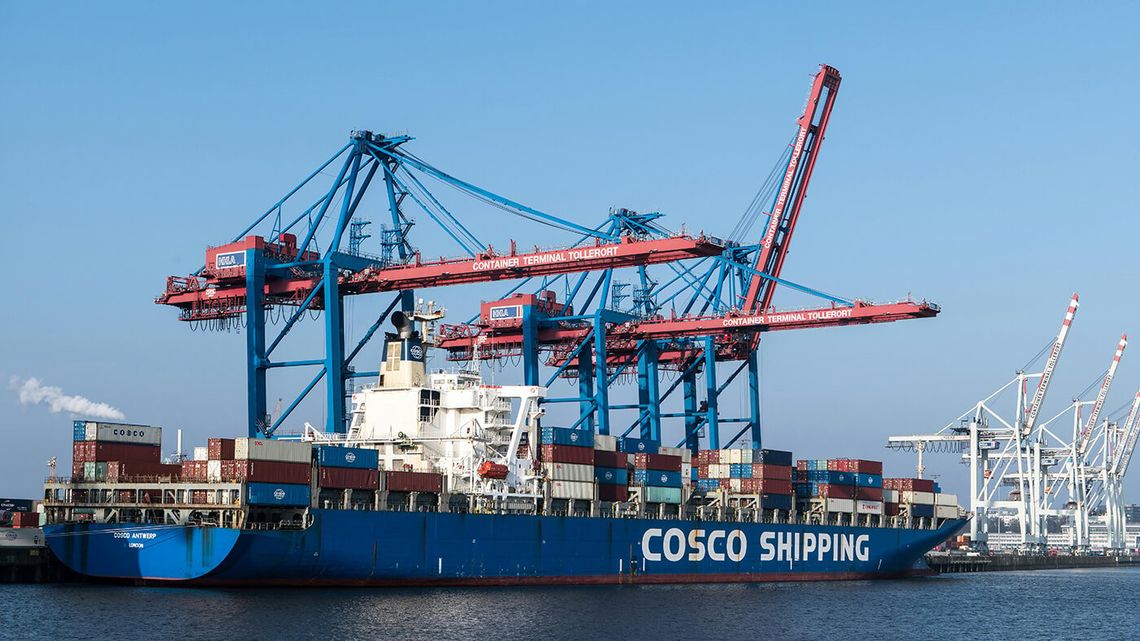
Tariffs can affect the price of car tires for consumers and businesses. They impact the cost of importing and exporting tires between countries.
The tire industry faces challenges due to tariff changes. These changes influence supply chains and market competition globally.
Current Tariff Policies
Many countries apply tariffs on imported tires to protect local manufacturers. These tariffs vary depending on trade agreements and political decisions.
- The United States has set tariffs on tires from several countries.
- Some tariffs target specific types of tires, like passenger or truck tires.
- Tariffs often aim to balance trade deficits and support domestic jobs.
- Changes in tariffs can happen quickly due to policy shifts.
Tire Import And Export Trends
Global tire trade shows shifting patterns because of tariffs and demand changes. Exporters and importers adjust strategies to stay competitive.
| Country | Import Volume (Million Tires) | Export Volume (Million Tires) |
|---|---|---|
| United States | 45 | 12 |
| China | 10 | 120 |
| Germany | 8 | 30 |
| Japan | 12 | 25 |

Credit: www.dealersunited.com
Price Changes For Consumers
Tariffs on car tires can lead to higher retail prices. Consumers may notice changes when buying new tires.
Retailers might adjust prices to cover increased costs. This can impact how much you pay at the store.
Impact On Tire Retail Prices
Tire prices can rise due to tariffs. Sellers often pass costs to buyers.
| Tire Type | Price Increase |
| Economy | 5% |
| Mid-range | 7% |
| Premium | 10% |
Cost Pass-through To Buyers
Retailers often pass increased costs to buyers. This can affect your budget for car maintenance.
- Check tire deals online
- Compare prices at different stores
- Consider buying during sales
Effects On Tire Manufacturers
Tariffs can change how tire makers run their business. These taxes raise costs and affect profits. Tire manufacturers must adjust to stay competitive.
They face challenges in buying materials and selling tires. Many look for ways to handle these new expenses.
Manufacturing Costs And Supply Chain
Tariffs increase the price of raw materials like rubber and steel. This makes making tires more expensive. Higher costs can reduce the money companies earn from each tire.
Supply chains also feel pressure. Parts and materials may take longer to arrive. Delays can slow down tire production and increase storage costs.
- Raw materials cost more due to tariffs
- Longer wait times for parts and materials
- Increased storage and handling expenses
- Possible need to find new suppliers
Response Strategies From Companies
Tire makers try different ways to handle tariff effects. Some raise tire prices to cover costs. Others find cheaper materials or suppliers.
Some companies move production to countries without tariffs. They also work to improve efficiency to save money. These steps help keep prices stable for buyers.
- Increase tire prices moderately
- Source cheaper or local materials
- Shift production to tariff-free countries
- Improve factory efficiency and reduce waste

Credit: www.reddit.com
Global Market Shifts
Tariffs on car tires affect global trade and prices. Many countries change how they buy and sell tires.
These changes impact manufacturers, sellers, and buyers worldwide. Understanding market shifts helps predict tire costs.
Trade Relations With Key Countries
Trade agreements with major countries shape tire tariffs. Countries like the US, China, and EU influence global tire markets.
- Tariffs rise when trade tensions grow.
- Some countries negotiate tariff reductions.
- Trade policies can change quickly.
- Importers seek stable trade partners.
- Exporters adjust prices based on tariffs.
Alternative Sourcing And Production
Companies look for new places to make tires. Moving production helps avoid high tariffs and shipping costs.
| Strategy | Benefit | Challenge |
| Shift production to low-tariff countries | Lower costs | Setup expenses |
| Use local suppliers | Reduce tariffs | Supply chain changes |
| Diversify sourcing | Less risk | Complex logistics |
Long-term Industry Outlook
The tire industry faces many changes due to tariffs. These changes affect costs, supply, and market trends.
Understanding how tariffs impact the industry helps businesses plan for the future and adapt to new conditions.
Potential Changes In Market Dynamics
Tariffs can shift supply chains and pricing. Companies may seek new sources or change suppliers to reduce costs.
- Higher tire prices may reduce demand in some markets.
- Manufacturers might move production to countries with lower tariffs.
- Smaller companies could struggle to compete with larger firms.
- Consumers may choose cheaper alternatives or delay purchases.
Innovation And Adaptation Trends
To handle tariff impacts, the tire industry focuses on innovation and adapting business models.
| Trend | Details |
| Material Innovation | Using alternative materials to lower costs and improve performance. |
| Local Production | Building factories closer to key markets to avoid tariffs. |
| Improved Efficiency | Optimizing manufacturing to reduce waste and energy use. |
| Digital Sales | Expanding online sales to reach more customers directly. |
Frequently Asked Questions
Will Tariffs Increase Car Tire Prices?
Yes, tariffs can raise car tire prices by increasing import costs. This makes tires more expensive for consumers and dealers.
How Do Tariffs Affect Tire Availability?
Tariffs may limit tire imports, reducing availability. This can lead to fewer choices and longer wait times for buyers.
Are All Car Tires Affected By Tariffs?
Not all tires face tariffs. It depends on the tire’s origin and specific trade policies in place at the time.
Can Tariffs Impact Tire Manufacturers?
Yes, tariffs can increase manufacturing costs for companies relying on imported materials, affecting production and pricing strategies.
Conclusion
Tariffs can change the price of car tires for buyers. Some tires might cost more due to extra fees. This can affect which brands people choose. Stores may adjust their stock to avoid higher prices. Watch for news about tariff updates to stay informed.
Being aware helps you make smart buying decisions. Tire quality and safety remain important, no matter the cost. Keep checking prices and options before you buy. This way, you get the best deal for your needs.