Are you curious about whether your trusty cast iron skillet can work on an induction cooktop? You’re not alone.
With the rise in popularity of induction cooking, many home chefs are wondering if they can bring their beloved cast iron pans into this new culinary era. Imagine the sizzle of your favorite steak, perfectly seared in cast iron, but on the sleek surface of an induction cooktop.
Sounds intriguing, right? Before you decide, it’s important to understand how these two kitchen staples interact. We’ll uncover the truth about cast iron and induction compatibility, helping you make the most informed choice for your cooking adventures. Stick around, and you’ll discover tips and tricks to ensure your meals are a success every time.
How Induction Cooktops Work
Understanding how induction cooktops work can change the way you think about cooking and the tools you use. These cooktops heat your food differently from traditional gas or electric stoves, offering precision and efficiency. Knowing the science behind them helps you choose the right cookware and get the most out of your kitchen setup.
Magnetic Field Basics
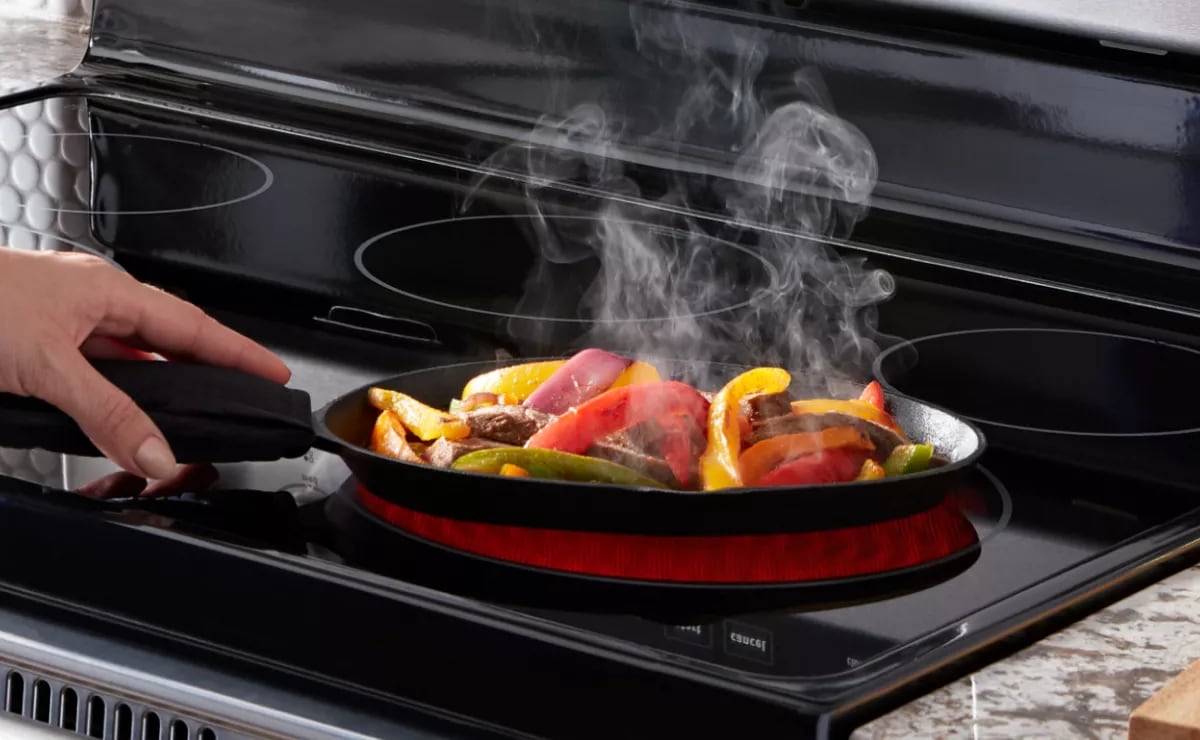
Induction cooktops generate heat through a magnetic field, not direct flame or electric coils. Under the glass surface, a copper coil produces an alternating magnetic field when the cooktop is turned on.
This magnetic field creates electric currents inside the cookware, which then heats up. The heat transfers directly to the pan and food, making cooking faster and more energy-efficient.
Have you ever noticed how the cooktop itself stays cool? That’s because the heat is generated inside the pan, not on the cooktop’s surface.
Cookware Compatibility
Since induction cooktops rely on magnetic fields, your cookware must be magnetic to work. Materials like cast iron and certain stainless steels are perfect because they contain iron, which reacts to the magnetic field.
Non-magnetic materials like aluminum, copper, or glass won’t heat up unless they have a magnetic layer on the bottom. This is why some pans may look fine but simply won’t work on an induction cooktop.
Wondering if your favorite pan will work? A simple test is to hold a magnet to the base—if it sticks, your pan is induction-friendly.
Credit: www.maytag.com
Properties Of Cast Iron
Cast iron is a unique material known for its strength and versatility in the kitchen. Understanding its properties helps you decide if it pairs well with your induction cooktop. Let’s look closely at what makes cast iron special and how these traits affect cooking.
Magnetic Characteristics
Cast iron is naturally magnetic, which is a crucial factor for induction cooking. Induction cooktops generate heat through magnetic fields, so cookware must have magnetic properties to work properly.
If you’ve tried other pans on your induction stove that didn’t heat up, you know how frustrating it can be. Cast iron’s magnetic nature means it sticks well to induction surfaces, ensuring efficient heating.
Have you ever tested your pan with a magnet? If it sticks, your cast iron will work perfectly on an induction cooktop. This simple test saves you from buying incompatible cookware.
Heat Retention And Distribution
One of cast iron’s standout features is its excellent heat retention. Once hot, it stays hot, allowing for even cooking and steady temperatures.
This quality is great for searing meats or simmering stews where consistent heat matters. However, cast iron heats up slowly, so patience is key to avoid hotspots or uneven cooking.
Think about how your food cooks differently on cast iron compared to thinner pans. The slow, steady heat can improve your dishes if you adjust your cooking time and temperature accordingly.
Cast Iron On Induction Cooktops
Cast iron cookware has a reputation for durability and excellent heat retention. But will it work on your induction cooktop? Understanding how cast iron interacts with induction technology can help you get the most out of your cooking experience.
Compatibility Factors
Induction cooktops use magnetic fields to heat pots and pans directly. For cast iron to work, it must have a flat bottom that makes full contact with the cooktop surface.
Here are key points to check:
- Magnetic properties:Cast iron is naturally magnetic, so it usually works well with induction.
- Flat surface:Warped or uneven bottoms reduce efficiency and can cause uneven heating.
- Size:The base should cover enough of the induction zone to activate the magnetic field.
If your cast iron pan is too small or has a rough base, you might notice inconsistent heating or the cooktop not recognizing the pan at all.
Performance Insights
Using cast iron on induction often means faster heating times. The magnetic field heats the pan directly, so heat doesn’t need to travel through the metal first.
However, cast iron pans can be heavy and may scratch your cooktop if handled roughly. I once slid a cast iron skillet too hard and left a small mark on my glass surface. Be gentle and lift the pan when moving it.
Another thing to consider: cast iron holds heat well, but it also cools down slowly. This means you might want to lower the heat earlier than with other cookware to avoid overcooking.
Do you adjust your cooking times when switching between gas and induction? Paying attention to these differences can improve your results dramatically.
Credit: www.whirlpool.com
Benefits Of Using Cast Iron
Cast iron cookware offers several benefits that make it a favorite choice for many home cooks, especially when paired with an induction cooktop. Understanding these benefits can help you decide if cast iron fits your cooking style and kitchen needs.
Durability And Longevity
Cast iron is famously tough. It can last for decades, even generations, if you care for it properly. Many people inherit their cast iron pans and find them still performing like new.
Unlike other cookware, cast iron resists warping and damage from high heat. This makes it ideal for induction cooktops, which heat cookware quickly and evenly. You won’t need to worry about replacing your pan anytime soon.
Cooking Advantages
Cast iron heats evenly and holds heat longer than most materials. This means your food cooks uniformly, avoiding hot spots that can burn or undercook your meals. It’s perfect for searing steaks or slow-cooking stews.
Have you noticed how some pans lose heat quickly when you add cold ingredients? Cast iron maintains its temperature, giving you more control over cooking. Plus, its natural non-stick surface improves with use, reducing the need for excess oil.
Using cast iron on an induction cooktop combines precision with the pan’s natural strengths. Your meals will benefit from consistent heat and superior flavor development. Does your current cookware deliver that level of performance?
Potential Challenges
Cast iron cookware is a popular choice for many home chefs, but using it on an induction cooktop can come with its own set of challenges. While cast iron is compatible with induction technology due to its magnetic properties, certain practical issues may arise. Understanding these potential hurdles helps you avoid frustration and maintain both your cookware and cooktop in great condition.
Weight And Handling
Cast iron is notoriously heavy. This weight can make it difficult to lift and move the pans safely, especially when they are hot or filled with food. Have you ever struggled to shift a sizzling skillet without spilling its contents? That’s a common issue when handling heavy cast iron on a smooth induction surface.
The heaviness also increases the risk of accidental drops, which can damage your cooktop’s glass surface. To prevent this, consider using assistance tools like silicone handles or a sturdy trivet when moving your cast iron cookware. Being mindful of the weight can protect both you and your kitchen appliances.
Surface Scratching Risks
One of the biggest concerns with cast iron on induction cooktops is scratching. The rough, uneven bottom of many cast iron pans can scrape the smooth glass surface. Even minor scratches may affect your cooktop’s performance and aesthetic.
Have you noticed tiny abrasions on your cooktop after using heavy pots? That’s likely due to cast iron dragging or sliding. To minimize this, always lift your pan instead of sliding it across the surface. Using a soft cloth or silicone mat under the pan can also reduce friction and protect your cooktop.

Credit: www.reddit.com
Tips For Using Cast Iron Safely
Using cast iron on an induction cooktop can be safe and effective with the right care. Cast iron is heavy and rough, so protecting your cooktop and cookware is important. Follow simple tips to keep both in good shape and enjoy cooking without worry.
Maintaining Cooktop Surface
Cast iron can scratch the smooth surface of an induction cooktop. Avoid sliding the pan across the surface. Always lift the pan when moving it. Clean the cooktop after each use with a soft cloth and gentle cleaner. Avoid abrasive scrubbing pads. Use a cooktop protector or silicone mat for extra protection. Check the cooktop regularly for any signs of damage.
Proper Care For Cast Iron
Keep cast iron seasoned to prevent rust and sticking. After cooking, let the pan cool before washing. Avoid using soap or soaking in water for long. Dry the pan immediately with a cloth or low heat on the cooktop. Apply a thin layer of oil to maintain the seasoning. Store the pan in a dry place. Handle cast iron carefully to avoid chipping or cracking.
Alternatives To Cast Iron
Looking for alternatives to cast iron on your induction cooktop can open up new cooking possibilities. While cast iron is popular for heat retention and durability, other cookware options might better suit your cooking style or maintenance preferences. Let’s explore which alternatives work well and how they compare.
Other Compatible Cookware
Stainless steel pots and pans are a top choice for induction cooking. They heat up quickly and are easy to clean, making them practical for everyday use.
Magnetic stainless steel is key here, so always check for that feature before buying. You can test this by seeing if a magnet sticks to the base.
Another option is enameled cast iron, which offers the benefits of cast iron without the need for seasoning. It also resists rust and adds color to your kitchen.
Then there’s carbon steel, lighter than cast iron but still compatible with induction. It heats up fast and is great for high-heat cooking like stir-frying.
Pros And Cons Comparison
| Cookware Type | Pros | Cons |
|---|---|---|
| Cast Iron |
|
|
| Stainless Steel |
|
|
| Enameled Cast Iron |
|
|
| Carbon Steel |
|
|
Think about how you cook daily and which pros and cons matter most to you. Are you willing to handle seasoning and extra care? Or do you prefer hassle-free cleaning and lighter pots? Your answers can guide you to the best induction-friendly cookware for your kitchen.
Frequently Asked Questions
Will Cast Iron Cookware Work On An Induction Cooktop?
Yes, cast iron works perfectly on induction cooktops. It has magnetic properties needed for induction heating. This makes it highly efficient and compatible with induction technology.
How Does Cast Iron Heat On Induction Cooktops?
Cast iron heats quickly on induction cooktops due to its magnetic surface. The cooktop transfers energy directly to the pan, ensuring fast and even heating.
Can Cast Iron Damage An Induction Cooktop?
Cast iron can scratch induction cooktops if slid roughly. Always lift the pan to avoid scratches and prolong the cooktop’s lifespan.
Is Cast Iron Better Than Stainless Steel For Induction?
Cast iron generally performs better than stainless steel on induction. It retains heat longer and has stronger magnetic properties for efficient cooking.
Conclusion
Cast iron works well on induction cooktops due to its magnetic nature. It heats evenly and holds heat for a long time. Just make sure your cast iron has a flat bottom for good contact. Avoid dragging it to protect the cooktop surface.
With proper care, cast iron can last for many years on induction stoves. It offers great cooking results and durability. So, cast iron remains a smart choice for induction cooking.