Are you wondering if a dehumidifier can make your air conditioner work better? You’re not alone.
When the air feels heavy and sticky, it’s natural to want a cooler, more comfortable home. But sometimes, your AC alone doesn’t seem to do the trick. What if there was a simple way to boost its performance and save on energy costs?
Keep reading to discover how adding a dehumidifier might be the game-changer you need for a fresher, cooler space without breaking the bank.

Credit: www.nytimes.com
How Dehumidifiers Work
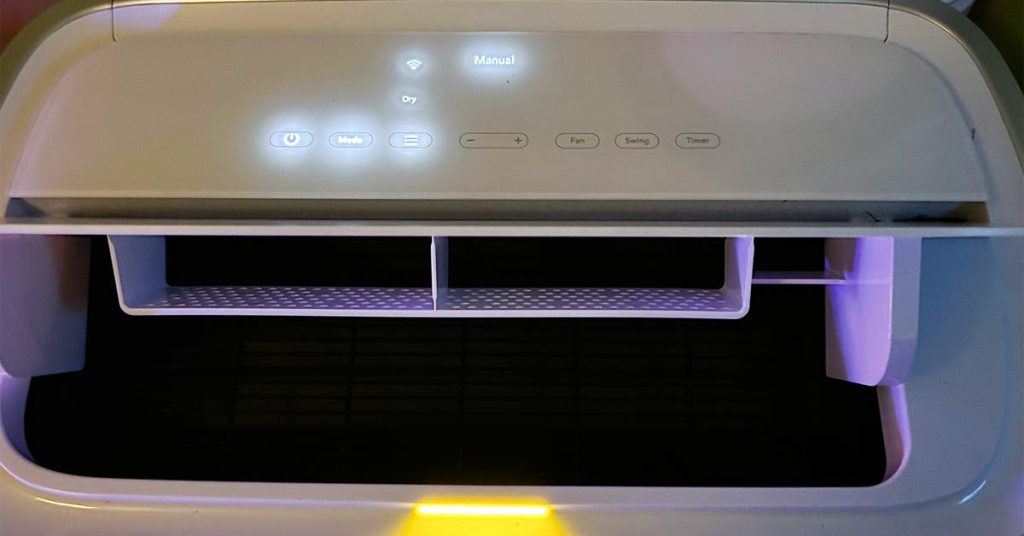
A dehumidifierremoves excess moisturefrom the air. It pulls in warm, damp air and cools it down. Water then collects in a tank or drains out. Dry air is blown back into the room.
This process helps reduce humidity levels. Lower humidity makes the air feel cooler and more comfortable. It can also stop mold and dust mites from growing.
| Type | How It Works | Best For |
|---|---|---|
| Refrigerant Dehumidifier | Cools air to condense water | Homes and offices |
| Desiccant Dehumidifier | Uses material to absorb moisture | Cooler areas or low temps |
| Whole-House Dehumidifier | Connects to HVAC system | Large spaces or entire homes |

Credit: aircareconnect.com
Air Conditioners And Humidity
Humidityaffects how cool the air feels. High humidity makes air feel warmer. Air conditioners cool the air by removing heat and moisture. This process helps reduce humidity but does not always remove enough moisture for comfort.
Humidity control is important for comfort and health. High humidity can cause mold growthand allergy problems. It can also make rooms feel sticky and hot.
| Limitations of Air Conditioners | Effect |
|---|---|
| Designed mainly to cool air | May not remove enough humidity |
| Humidity removal depends on temperature settings | Can leave air feeling damp |
| Continuous operation needed for moisture control | Higher energy use |
Benefits Of Using A Dehumidifier With Ac
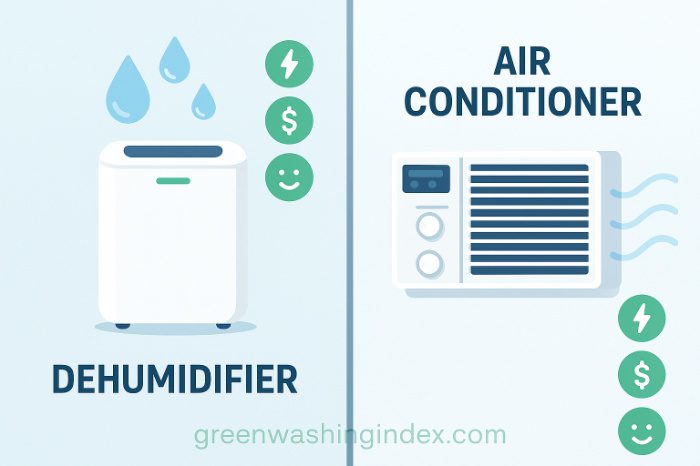
Using a dehumidifierwith an air conditioner can boost cooling efficiency. It removes extra moisture from the air, making the room feel cooler. This helps the AC work less hard to lower the temperature.
Energy savings come next. With less moisture to cool, the AC uses less electricity. This can lower energy billsand reduce wear on your AC unit.
Comfort levels also improve. Dry air feels fresher and reduces stickiness. It helps people feel more comfortable, especially in humid places. Plus, it can reduce mold growth and dust mites.
When To Use Both Devices Together
High humiditycan make indoor air feel sticky and uncomfortable. Using a dehumidifierwith an air conditioner helps remove extra moisture. This makes the room feel cooler and fresher. The air conditioner cools the air, while the dehumidifier pulls out dampness. This teamwork can save energy and keep your home more comfortable.
Older or inefficient AC unitsmay struggle to remove enough humidity. They cool the air but leave it damp. Adding a dehumidifier helps fix this problem. It takes the load off the AC and improves air quality. This combo works well in homes with aging cooling systems or in very humid places.
Potential Drawbacks
Using a dehumidifier along with an air conditioner can cause higher electricity bills. Both devices use power, so costs may add up. This might be a concern in homes with tight budgets.
Dehumidifiers need space to work properly. They can take up extra roomin small houses or apartments. Plus, regular cleaning and maintenance are necessary to keep the dehumidifier running well.
- Electricity use:Running two devices can increase energy consumption.
- Space:Dehumidifiers require additional space.
- Maintenance:Filters and tanks need regular cleaning.
Tips For Optimizing Cooling Performance
Place the dehumidifier near the air conditioner for best results. This helps remove excess moisture quickly. Avoid blocking air vents with furniture or curtains. Keep doors and windows closed to maintain cool air inside. Proper placement improves cooling efficiencyand lowers energy use.
Set humidity levels between 40% and 60%. This range feels comfortable and helps the air conditioner work less. Too low humidity can dry the air, causing discomfort. Too high humidity makes the room feel warmer and sticky.
- Clean or replace dehumidifier filters regularly.
- Check and empty the water collection bucket often.
- Inspect the air conditioner filters and coils for dust.
- Schedule professional maintenance yearly for both devices.
Regular care keeps both devices working well and saves energy.
Credit: www.greenwashingindex.com
Frequently Asked Questions
Will A Dehumidifier Reduce Air Conditioner Workload?
Yes, a dehumidifier lowers indoor humidity, making air conditioning more efficient. It helps the AC cool faster and reduces energy use.
Can A Dehumidifier Improve Indoor Air Quality?
Absolutely. Dehumidifiers reduce moisture, preventing mold and mildew growth. This creates a healthier environment and complements air conditioner benefits.
Does Using A Dehumidifier Save Air Conditioner Energy?
Yes. By controlling humidity, dehumidifiers help AC units run less frequently. This leads to lower electricity bills and extended AC lifespan.
Should I Use A Dehumidifier With My Air Conditioner?
Using both together is ideal in humid climates. Dehumidifiers assist ACs by removing excess moisture, improving comfort and cooling performance.
Conclusion
A dehumidifier can enhance your air conditioner’s performance. It removes excess moisture, making your home feel cooler. This reduces the strain on your air conditioner. Energy bills may decrease as a result. A less humid environment also helps with mold prevention.
Better air quality is another benefit. Your home becomes a more comfortable place. The air feels fresher and cleaner. Consider adding a dehumidifier for improved comfort. It’s a simple step with noticeable results. Enjoy a cooler, drier home without extra hassle.