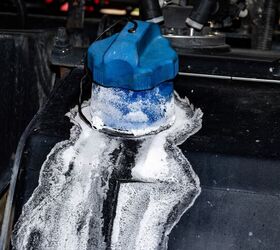
Have you ever wondered if diesel exhaust fluid (DEF) can freeze? As a vehicle owner or operator, understanding this could make a significant difference in how you manage your diesel-powered machinery during the colder months.
You don’t want to be caught off guard with a frozen DEF system that might lead to unexpected downtime or costly repairs. Imagine the peace of mind you’ll have by knowing exactly what to expect and how to prevent any issues.
This article will uncover the facts about DEF and freezing temperatures, giving you the confidence to keep your diesel engines running smoothly, no matter how low the mercury drops. Curious to learn more? Let’s dive into the details and ensure you’re fully prepared.
Credit: www.thetruthaboutcars.com
What Is Diesel Exhaust Fluid
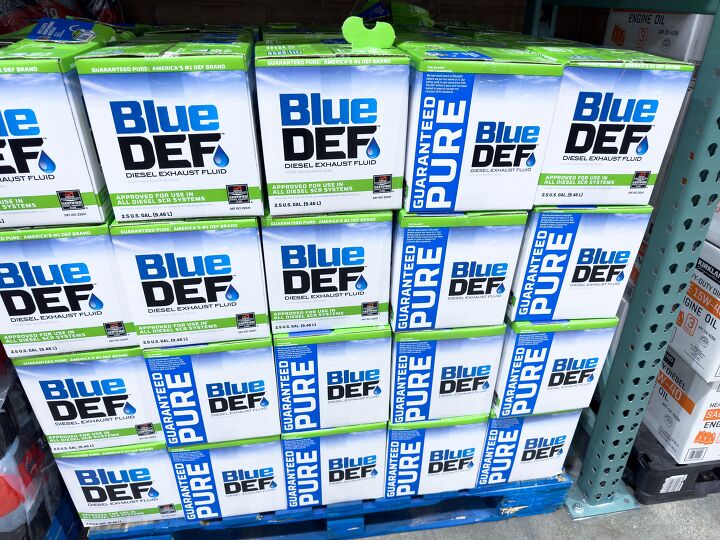
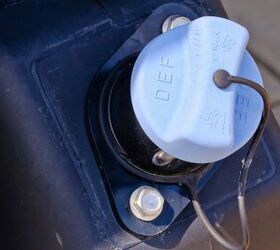
Diesel Exhaust Fluid (DEF) is a liquid used in diesel engines to reduce pollution. It helps diesel vehicles meet strict emission rules. DEF is stored in a separate tank and sprayed into the exhaust system. This process lowers harmful gases released into the air.
Composition And Purpose
DEF is made from two simple ingredients:
- 32.5% high-purity urea
- 67.5% deionized water
The urea breaks down toxic nitrogen oxides (NOx) in the exhaust. Water acts as a carrier to deliver urea into the system. DEF is non-toxic and safe to handle. It is clear, colorless, and odorless.
Role In Emission Control
DEF plays a key role in selective catalytic reduction (SCR) technology. This system converts harmful NOx gases into harmless nitrogen and water vapor. When DEF mixes with exhaust gases, a chemical reaction happens. This reaction reduces pollution and helps engines meet environmental standards.
Using DEF keeps air cleaner and protects public health. It also helps diesel engines run efficiently without harming the environment.
Freezing Point Of Diesel Exhaust Fluid
Diesel Exhaust Fluid (DEF) is essential for reducing emissions in diesel engines. Understanding its freezing point helps in proper storage and use. DEF can freeze in cold weather, affecting vehicle performance. Knowing the exact freezing temperature and factors influencing it ensures smooth operation.
Typical Freezing Temperature
DEF usually freezes at about -11°C (12°F). This freezing point is lower than water but higher than many other fluids. When frozen, DEF becomes solid and unusable until it melts. Most vehicles with DEF systems include heaters to melt frozen fluid quickly. This prevents damage and maintains emission controls.
Factors Affecting Freezing Point
- Concentration:DEF is a mix of urea and water. The ratio affects freezing temperature.
- Quality:Poor quality or contaminated DEF can freeze at different temperatures.
- Storage Conditions:Exposure to extreme cold or heat can change DEF’s freezing behavior.
- Container Type:Some containers insulate better, slowing freezing.
Effects Of Freezing On Def Performance
Understanding how freezing affects Diesel Exhaust Fluid (DEF) is crucial for maintaining your vehicle’s performance. DEF is a solution made primarily of urea and water, designed to reduce harmful emissions. However, freezing can change its properties and impact how well it works in your emission system.
Impact On Chemical Properties
When DEF freezes, the water component solidifies while the urea remains in liquid form. This separation can cause uneven concentration levels once the fluid thaws. You might notice that the DEF becomes cloudy or crystallized, which means it’s no longer uniform.
These changes can affect the DEF’s ability to break down nitrogen oxides (NOx) efficiently. A less effective solution means your vehicle won’t meet emission standards as well as it should. Have you ever wondered why your DEF warning light comes on after cold nights? This chemical shift could be the reason.
Consequences For Emission Systems
Frozen and thawed DEF can lead to clogs in the dosing system of your vehicle. The crystals or altered solution may block the injector nozzles, causing the system to malfunction. This can trigger error codes or even damage the selective catalytic reduction (SCR) catalyst.
Ignoring these issues might result in costly repairs and increased emissions. To avoid this, ensure you store DEF properly and consider using heated DEF tanks if you live in freezing climates. Are you prepared to protect your emission system from freezing damage?
Storage Tips To Prevent Freezing
Diesel Exhaust Fluid (DEF) is essential for reducing harmful emissions from diesel engines, but it has a major drawback—it freezes at 12°F (-11°C). Proper storage is crucial to keep DEF from freezing and ensure it stays effective. Let’s dive into some practical tips that you can apply right away to protect your DEF supply.
Ideal Temperature Conditions
Maintaining the right temperature is the key to preventing DEF from freezing. Keep your DEF stored in a location where temperatures stay above 12°F (-11°C). A heated garage or a temperature-controlled storage room works well.
If you live in a cold climate, consider using a small space heater near your DEF storage area. But be cautious to avoid direct heat contact with the container, which could damage it.
Have you checked your storage area’s temperature during winter nights? Sometimes, even small drops below freezing can cause DEF to turn solid, making it unusable until thawed properly.
Safe Storage Practices
Store DEF in sealed, original containers to avoid contamination. Exposure to dirt or other chemicals can ruin DEF and reduce its effectiveness.
- Place containers off the ground using pallets or shelves to prevent cold from seeping in.
- Avoid direct sunlight, as UV rays can degrade the fluid.
- Use insulated storage boxes or blankets designed for DEF containers during extreme cold spells.
Think about your last winter—did you notice any DEF freezing issues? Simple adjustments like relocating your storage spot or adding insulation can save you from costly delays in your vehicle’s operation.
Handling Frozen Diesel Exhaust Fluid
Handling frozen Diesel Exhaust Fluid (DEF) can be tricky, but understanding the right approach is key to maintaining your vehicle’s emission system. DEF freezes at around 12°F (-11°C), which means in cold climates, you might often face the challenge of thawing it safely without damaging the fluid or your equipment.
It’s important to treat frozen DEF with care because improper handling can lead to contamination or reduced effectiveness. Have you ever wondered how to quickly and safely get your DEF back to the right state without wasting time or money? Let’s break down the best practices for thawing and using frozen DEF.
Thawing Procedures
Frozen DEF needs to be thawed slowly and evenly to preserve its chemical balance. Avoid using direct heat sources like open flames, heaters, or microwaves, as these can cause the fluid to degrade.
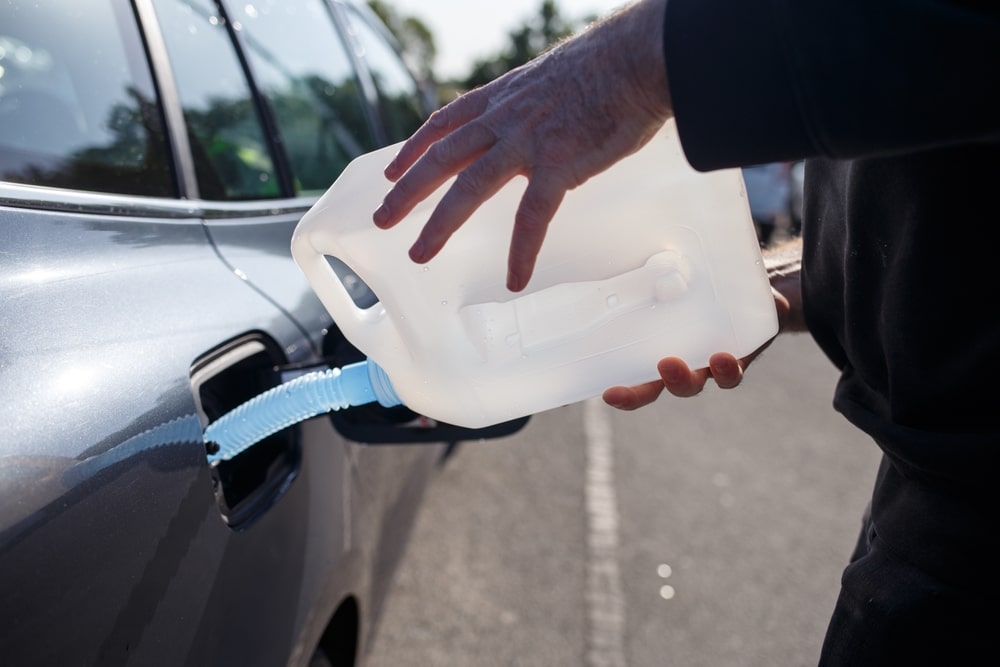
The safest way is to bring the container indoors or into a heated garage. Room temperature is usually enough to thaw DEF within 24 to 48 hours, depending on the volume. If you’re in a hurry, placing the container near a gentle heat source, like a radiator or warm water bath (sealed tightly), speeds the process without overheating.
Once thawed, always shake the container gently to ensure the fluid is well mixed before use. This helps maintain the uniformity of the urea solution, which is crucial for proper function in your vehicle’s selective catalytic reduction (SCR) system.
Precautions During Use
Using DEF that has been frozen and thawed doesn’t usually harm the fluid if handled correctly, but care is still needed. Never refill your DEF tank with partially frozen fluid, as this can clog injectors and sensors.
Keep DEF containers sealed tightly when not in use to prevent contamination and evaporation. Exposure to sunlight and extreme temperatures can degrade the fluid’s quality, so store it in a cool, shaded place.
Check the expiration date regularly, especially if the fluid has been frozen and thawed multiple times. Repeated freezing cycles may slightly reduce the fluid’s effectiveness over time.
Have you checked your DEF storage lately? Proper handling might save you from costly repairs down the line.
Credit: azurechemical.com
Seasonal Considerations For Def Use
Seasonal changes affect Diesel Exhaust Fluid (DEF) performance. Understanding these effects helps keep your vehicle running smoothly. DEF can freeze in cold weather but still works once thawed. Preparing for seasons ensures optimal DEF use and engine health.
Winter Challenges
DEF freezes at about 12°F (-11°C). Frozen DEF cannot flow through the system. Most vehicles have heaters to thaw DEF quickly. Still, long exposure to cold can cause delays in engine start. Using winter-grade DEF helps resist freezing. Store DEF in a warm place to avoid freezing. Cold weather may increase DEF consumption slightly.
Maintaining Fluid Quality Year-round
Keep DEF clean and sealed to prevent contamination. Store DEF away from direct sunlight and heat. Avoid mixing old and new DEF batches. Check DEF levels regularly, especially before trips. Use fresh DEF within its shelf life for best results. Proper storage extends DEF usability and protects engine systems.
Credit: www.thetruthaboutcars.com
Frequently Asked Questions
Will Diesel Exhaust Fluid Freeze In Cold Weather?
Yes, Diesel Exhaust Fluid (DEF) freezes at 12°F (-11°C). It turns into a solid but does not lose effectiveness when frozen.
How To Thaw Frozen Diesel Exhaust Fluid Safely?
Thaw DEF by warming it gradually above 12°F. Avoid direct heat to prevent damage to the fluid’s quality.
Does Freezing Affect Diesel Exhaust Fluid Performance?
No, freezing does not harm DEF’s performance. Once thawed, it works as intended without any loss of quality.
Can Diesel Exhaust Fluid Freeze Inside The Vehicle Tank?
Yes, DEF can freeze in the tank during cold weather. Most vehicles have heating systems to prevent freezing and ensure flow.
Conclusion
Diesel Exhaust Fluid can freeze in cold weather. This can cause problems for your vehicle. Keep DEF stored in a warm place. Use a heater or insulated container if needed. Frozen DEF will thaw quickly when warmed. Always check the fluid before driving in winter.
Proper care helps your engine run clean. Avoid damage by preventing DEF from freezing. Simple steps keep your vehicle working well. Stay prepared and protect your diesel system.