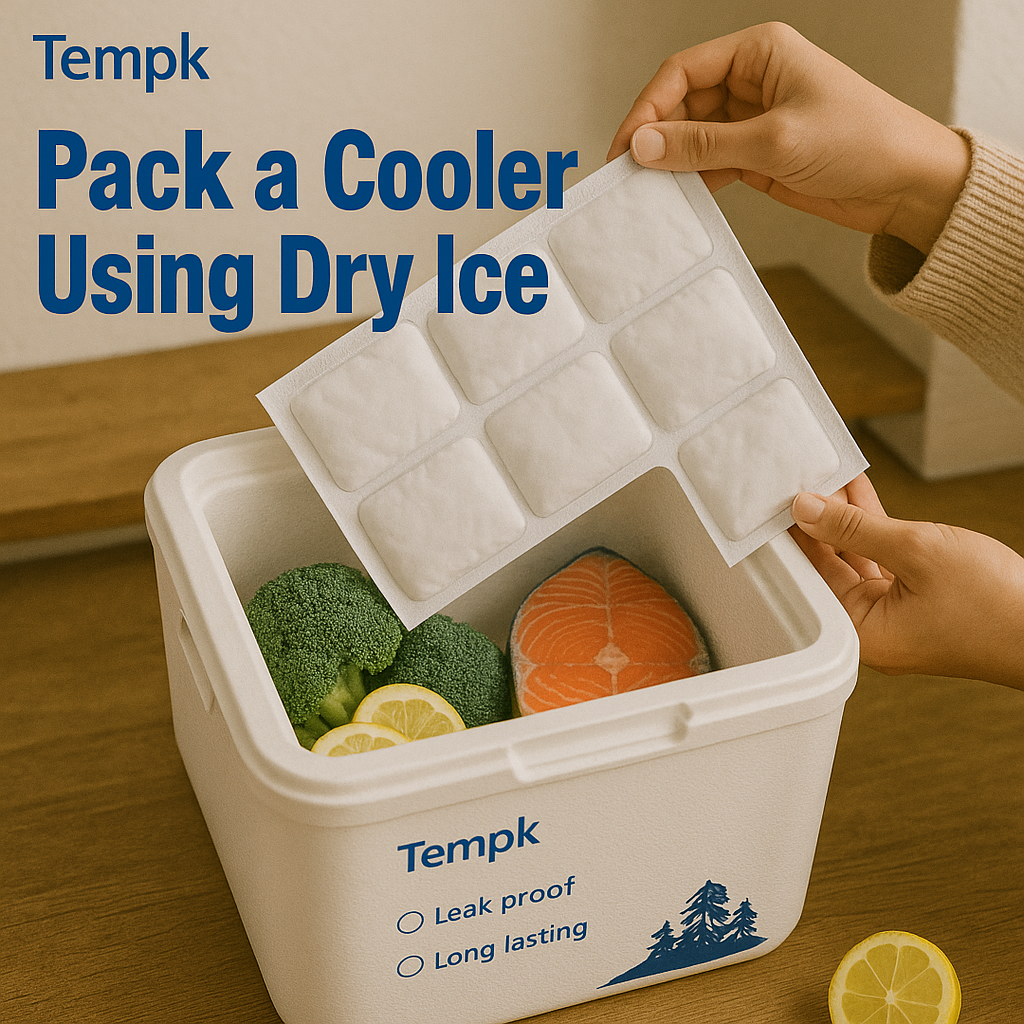
Imagine you’re planning a weekend camping trip or a long road journey. You pack your cooler with all your favorite foods, eager for the adventure ahead.
But there’s one nagging question: Will dry ice freeze your food in the cooler? It’s a concern that’s crossed the mind of many who aim to keep their meals fresh without turning them into rock-hard ice blocks. We’ll dive into the science and practicality behind using dry ice in coolers.
We’ll explore its effects, benefits, and the best practices to ensure your food stays just right. Stick around to discover how dry ice can transform your cooler game, and ensure you make the most out of your next adventure.

Credit: www.amazon.ca
How Dry Ice Works
Understanding how dry ice works helps explain its ability to keep food frozen in a cooler. Dry ice is not like regular ice made from water. It behaves differently because of its unique physical properties and temperature. This section breaks down the science behind dry ice and how it cools effectively.
Dry Ice Properties
Dry ice is solid carbon dioxide (CO2). It looks like frozen ice but does not melt into liquid. Instead, it turns directly from solid to gas. It is much colder than regular ice. Dry ice is heavier than air and has no water content. This makes it ideal for freezing without moisture damage.
Temperature Range
Dry ice has a very low temperature. It stays around minus 109 degrees Fahrenheit (minus 78.5 degrees Celsius). This extreme cold helps freeze food quickly. It also keeps the cooler temperature very low for hours. Because of its coldness, dry ice can freeze food faster than regular ice.
Sublimation Process
Sublimation means dry ice changes from solid to gas without becoming liquid. This process happens at room temperature. As dry ice warms, it slowly turns into carbon dioxide gas. This gas escapes into the air, leaving no liquid behind. Sublimation causes dry ice to disappear over time but keeps the cooler cold while it lasts.

Credit: medium.com
Cooling Mechanism In Coolers
Coolers keep food and drinks cold by slowing down heat flow. The main goal is to transfer heat away from the contents inside. This process relies on materials that absorb or block heat and on cold substances that remove heat quickly.
Dry ice and regular ice both cool, but they work differently inside a cooler. The cooler itself also plays a big role. Its insulation helps keep the cold air in and the warm air out.
Heat Transfer Basics
Heat always moves from warm to cold areas. In a cooler, heat moves from the food to the ice or dry ice. This happens in three ways:
- Conduction: Heat passes through solid materials.
- Convection: Heat moves through air or liquid inside the cooler.
- Radiation: Heat transfers through electromagnetic waves.
Coolers mainly slow conduction and convection to keep things cold longer.
Dry Ice Vs Regular Ice
Dry ice is frozen carbon dioxide. It is much colder than regular ice. Dry ice stays at about -109°F (-78°C). Regular ice melts at 32°F (0°C).
Dry ice cools faster and can freeze food inside the cooler. Regular ice just keeps things cold but does not freeze quickly.
Dry ice also turns directly into gas, skipping the liquid phase. This helps keep the cooler dry but requires good ventilation.
Cooler Insulation Effects
Insulation slows heat entering the cooler. It traps cold air inside.
Most coolers use foam or thick plastic walls for insulation. Better insulation means slower warming of ice or dry ice.
Poor insulation lets heat enter fast. This melts regular ice quickly and evaporates dry ice faster.
Good insulation helps dry ice keep food frozen longer inside the cooler.
Freezing Food With Dry Ice
Freezing food with dry ice is a fast and effective way to keep items cold in a cooler. Dry ice is solid carbon dioxide that is extremely cold, much colder than regular ice. It quickly lowers the temperature inside the cooler, helping food freeze faster than with ice alone. This method is popular for camping, shipping, or storing perishable goods without electricity.
Freezing Speed
Dry ice freezes food much faster than regular ice. Its temperature is around -109°F (-78°C). This rapid cooling reduces the chance of bacteria growth. Food stays fresher longer. The fast freeze also helps keep the texture and nutrients intact. Using dry ice cuts freezing time from hours to minutes in some cases.
Food Types That Freeze Well
- Meat and poultry freeze quickly and keep quality.
- Seafood stays fresh and firm.
- Fruits like berries and grapes freeze without losing taste.
- Vegetables with high water content freeze well.
- Prepared meals freeze evenly and reheat well.
Potential Food Damage
Dry ice can cause freezer burn if food touches it directly. Always wrap food tightly in plastic or foil. Rapid freezing may change texture in delicate items like leafy greens. Avoid using dry ice with soft fruits like bananas or avocados. Proper packaging and spacing prevent damage and keep food safe.
Safe Usage Tips
Using dry ice in a cooler can keep your food frozen for hours, but safety should always come first. Handling dry ice incorrectly or ignoring ventilation needs can lead to accidents or health risks. Here are some essential tips to help you use dry ice safely and keep your food uncontaminated.
Handling Dry Ice
Dry ice is extremely cold, at about -109°F (-78°C), so touching it with bare hands can cause frostbite. Always use thick gloves or tongs to handle it safely. Avoid breaking dry ice into small pieces with your hands; instead, use a hammer or a sturdy tool on a solid surface.
Keep dry ice out of reach of children and pets to prevent accidental burns. Store it in a well-insulated container but never in an airtight one, as the gas it releases can build up pressure and cause explosions.
Ventilation Needs
Dry ice releases carbon dioxide gas as it sublimates. In a closed space, this gas can build up and reduce oxygen levels, which can be dangerous. Always use dry ice in a well-ventilated area or a space with fresh air circulation.
Have you ever noticed a slight fog when dry ice is exposed to air? That’s carbon dioxide vapor, showing how quickly it turns into gas. Make sure your cooler isn’t sealed airtight to let this gas escape safely.
Avoiding Food Contamination
Do not place dry ice directly on your food. The extreme cold can damage the texture and quality of some items. Wrap dry ice in newspaper or a towel before putting it in the cooler to create a barrier between the ice and your food.
If you store dry ice with food in the cooler, use sealed containers or plastic bags to prevent carbon dioxide from affecting the food’s taste or safety. Also, never eat dry ice or let it touch your mouth—it can cause serious internal injuries.
Common Mistakes To Avoid
Using dry ice in a cooler can keep food frozen for hours. Avoiding common mistakes helps maximize its effectiveness. Some errors reduce cooling or cause safety risks.
Overpacking The Cooler
Putting too much food in the cooler blocks cold air circulation. This stops dry ice from freezing everything evenly. Leave space for air to move around items. Overpacking can also damage the cooler’s insulation.
Improper Dry Ice Placement
Placing dry ice directly on food can freeze some parts too fast. It may cause freezer burn or damage the food texture. Put dry ice on top or below food items, not touching them. Use a layer of newspaper or cardboard as a barrier.
Ignoring Safety Precautions
Dry ice is very cold and can cause burns on skin. Avoid touching it with bare hands. Always use gloves or tongs. Do not seal the cooler tightly. Dry ice turns into gas and can build pressure, causing the cooler to burst.
Alternative Cooling Methods
Alternative cooling methods can keep food fresh without dry ice. They offer safe, easy ways to maintain low temperatures in coolers. Each option has benefits for different needs and situations. Choosing the right method depends on how long you need to keep food cold and the type of food stored.
Gel Packs
Gel packs are reusable and stay cold for hours. They do not melt like ice, so no water mess. These packs fit easily around food items. They help keep food chilled without freezing it. Gel packs work well for picnics and short trips.
Regular Ice
Regular ice is the most common cooling option. It cools quickly and is easy to find. As ice melts, it creates water that can wet food. Use sealed bags to avoid water damage. Regular ice is best for keeping food cold during short outings.
Electric Coolers
Electric coolers plug into power sources to maintain steady cold temperatures. They are perfect for long trips or places with electricity. These coolers can keep food fresh for days. Electric coolers often have adjustable temperature settings. They are heavier but highly effective for extended cooling needs.
Credit: www.mountainbuzz.com
Frequently Asked Questions
Can Dry Ice Freeze Food In A Cooler Effectively?
Yes, dry ice can freeze food in a cooler quickly. It maintains temperatures around -78. 5°C, which is colder than regular ice. This extreme cold freezes food faster and keeps it frozen longer during transport or storage.
How Long Does Dry Ice Keep Food Frozen In A Cooler?
Dry ice typically keeps food frozen for 18 to 24 hours in a well-insulated cooler. The duration depends on the cooler’s insulation quality and the amount of dry ice used. Proper packing ensures maximum freezing time.
Is Dry Ice Safe For Freezing Food In A Cooler?
Yes, dry ice is safe if handled properly. Avoid direct skin contact and ensure the cooler is ventilated to prevent gas buildup. Always use gloves when handling dry ice to prevent frostbite.
Can Dry Ice Damage Food Texture When Freezing?
Dry ice can freeze food rapidly, which may affect texture. Some foods become firmer or brittle due to quick freezing. However, it preserves freshness better than slow freezing in most cases.
Conclusion
Dry ice can freeze food quickly inside a cooler. It keeps items very cold for hours. Use gloves when handling dry ice to stay safe. Make sure the cooler is well sealed. This prevents cold air from escaping. Dry ice works best for short trips or emergencies.
It is not the same as regular ice. Always follow safety rules to avoid harm. Dry ice is a helpful tool to keep food frozen. Try it and see how well it works.