
Picture this: You’ve invested time and care in nurturing your beautiful foxtail fern, its lush, feathery fronds adding a touch of elegance to your garden or home. But as winter approaches, a chilling question arises: will your beloved foxtail fern survive a freeze?
This question isn’t just about your garden’s aesthetic appeal; it’s about protecting your investment and preserving the lush beauty you’ve worked so hard to create. We’ll delve into the resilience of the foxtail fern when faced with freezing temperatures. We’ll explore practical tips and strategies to shield your plant from the harsh winter cold, ensuring its survival and continued vibrancy.
Whether you’re a seasoned gardener or just starting out, understanding how to care for your foxtail fern in winter can save you time, money, and heartache. Keep reading to discover how you can safeguard your fern and enjoy its beauty year-round.

Credit: www.epicgardening.com
Foxtail Fern Basics
Understanding the basics of the Foxtail Fern is essential before deciding how to care for it, especially in challenging weather conditions. This plant has unique traits and a specific background that influence its ability to survive cold temperatures. Let’s break down what makes the Foxtail Fern special and where it naturally thrives.
Plant Characteristics
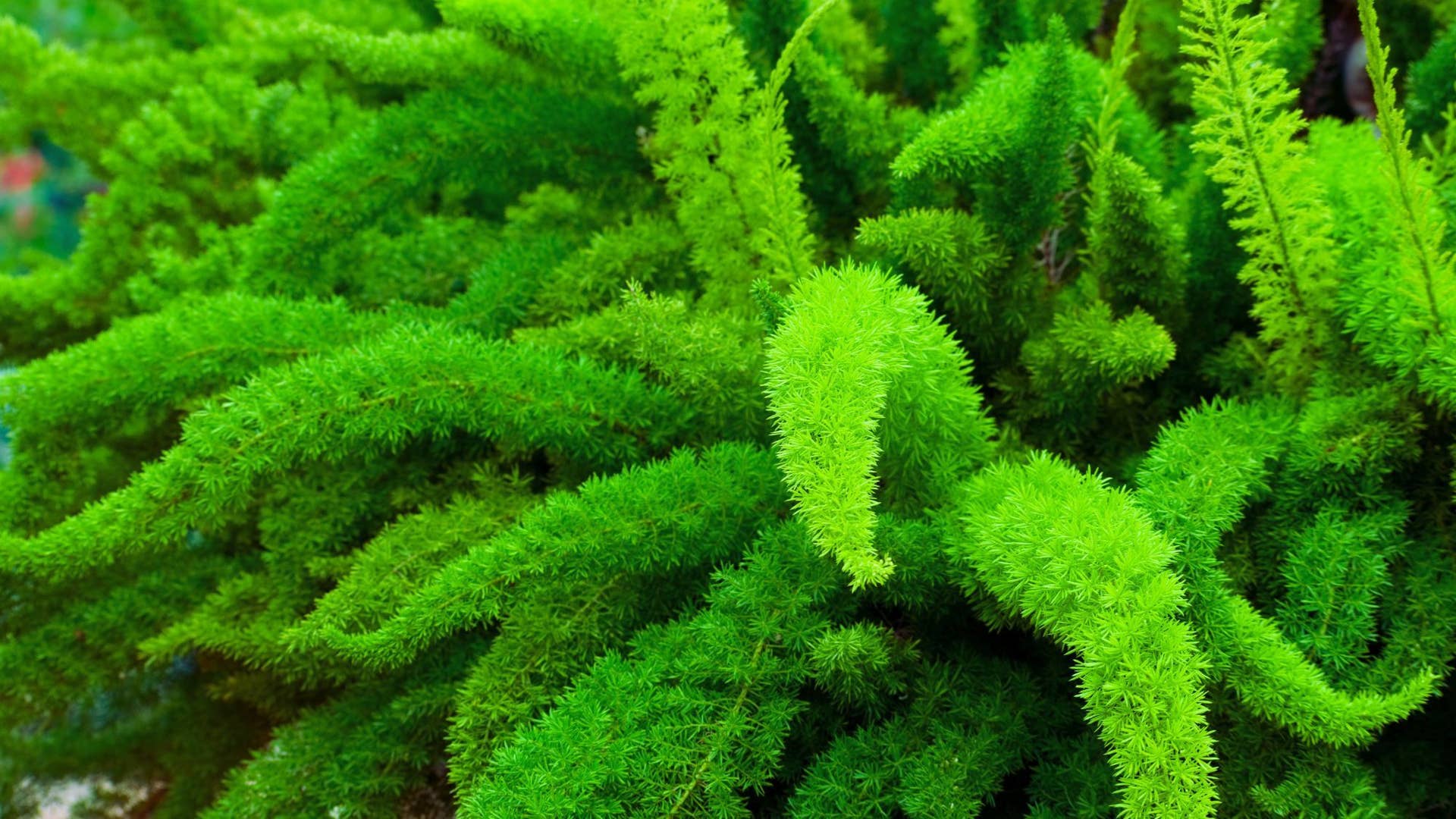
The Foxtail Fern (Asparagus densiflorus ‘Myers’) is not a true fern but a member of the asparagus family. It features long, fluffy, bright green fronds that resemble a fox’s tail, giving it a lush, soft appearance.
This plant grows quickly and can reach about 2 to 3 feet in height. It prefers indirect light but can tolerate some sun, making it versatile for both indoor and outdoor settings.
One thing you’ll notice is its delicate, needle-like leaves that add texture to any garden or room. However, these leaves are sensitive to frost, which can turn them brown or cause damage.
Native Habitat
Foxtail Fern originally comes from South Africa, a region with mild winters and warm summers. This climate means the plant is adapted to survive moderate temperatures but struggles with freezing conditions.
In its native environment, the Foxtail Fern enjoys well-draining soil and moderate humidity. It rarely encounters frost, which explains why it’s not naturally built to withstand freezing weather.
Knowing this helps you understand why your Foxtail Fern may suffer if left outside during a cold snap. If you live in an area with winter freezes, you might need to bring the plant indoors or provide protection to keep it healthy.
Freeze Impact On Foxtail Fern
The freeze impact on Foxtail Fern is a critical factor to consider if you live in a region with cold winters. This tropical plant thrives in warm climates, but even a brief freeze can cause significant damage. Understanding how cold affects your Foxtail Fern helps you take the right steps to protect it and keep it healthy.
Temperature Sensitivity
Foxtail Ferns are sensitive to temperatures below 32°F (0°C). Exposure to freezing conditions can cause the plant’s delicate fronds to wilt or turn brown quickly. Even short periods of frost can harm the cellular structure of the leaves, leading to permanent damage.
In my experience, temperatures dipping below 28°F (-2°C) often result in severe leaf damage. If you expect such cold, it’s best to move your fern indoors or cover it with frost cloth. Do you know the lowest temperature your fern has survived?
Signs Of Freeze Damage
Recognizing freeze damage early can save your Foxtail Fern. Look for blackened or translucent patches on the fronds—these spots indicate cells have been killed by cold. The leaves might also become limp and lose their vibrant green color.
Sometimes damage isn’t immediately visible. Your fern might look fine one day, then suddenly start to wilt or drop leaves days after a freeze. Watch for these delayed symptoms and prune damaged parts to encourage new growth.
Protecting Foxtail Fern From Cold
Protecting your foxtail fern from cold weather is crucial if you want it to thrive year-round. This plant isn’t naturally built to withstand freezing temperatures, so taking some simple precautions can make all the difference. You don’t have to be a gardening expert to keep your fern safe through chilly nights.
Ideal Placement
Choosing the right spot for your foxtail fern can reduce its exposure to freezing temperatures. Place it near a south-facing wall or under an overhang where it gets some warmth during the day. Avoid low-lying areas where cold air tends to settle and increase frost risk.
Have you noticed how plants near your house seem less affected by frost? That’s because buildings absorb and radiate heat, creating a microclimate. Use this to your advantage by placing your fern close to heat-retaining surfaces.
Using Frost Covers
Frost covers act like a protective blanket for your foxtail fern during cold snaps. Use lightweight fabric or garden fleece to cover your plant in the evening, removing it once temperatures rise. Plastic sheets can trap moisture and damage leaves, so stick to breathable materials.
Try to secure the cover so it doesn’t blow away but avoid letting it touch the foliage directly. This prevents cold damage and condensation from forming on the leaves. Have you tried this simple technique yet? It’s often the difference between a healthy plant and a frost-bitten one.
Mulching Techniques
Applying mulch around the base of your foxtail fern helps insulate the roots and maintain soil warmth. Use organic materials like shredded bark, straw, or leaves to create a 2-3 inch layer around the plant. Keep the mulch a few inches away from the stem to prevent rot.
Mulching also retains moisture and protects roots from temperature swings. Think about how nature covers plants with fallen leaves in winter. You can mimic this natural insulation to give your fern a better chance of survival during freezes.
Credit: dengarden.com
Post-freeze Recovery
After a freeze, the foxtail fern needs careful care to bounce back. Cold damage can stress the plant but proper steps help recovery. Focus on removing dead parts, adjusting watering, and feeding nutrients.
Pruning Damaged Foliage
Cut away all brown, wilted leaves. Use clean, sharp scissors to avoid infection. Remove only the damaged parts to save healthy growth. Pruning helps the plant use energy for new shoots.
Watering Adjustments
Reduce watering after a freeze. The soil stays moist longer in cold weather. Overwatering can cause root rot. Water only when the top inch of soil feels dry. Keep the soil evenly moist but not soggy.
Fertilizing Tips
Hold off fertilizing for a few weeks after the freeze. Once new growth appears, use a balanced, diluted fertilizer. This supports healthy recovery without overwhelming the plant. Feed every 4 to 6 weeks during the growing season.
Long-term Care For Cold Climates
Taking care of foxtail ferns in cold climates requires a thoughtful approach that goes beyond just avoiding frost. These delicate plants need consistent attention to thrive when temperatures drop. Understanding the best strategies for long-term care can help your foxtail fern survive and even flourish despite the chill.
Choosing Hardy Varieties
Not all foxtail ferns handle cold weather the same way. Some varieties show better tolerance to freezing temperatures, making them more suitable for colder zones. Look for types labeled as cold-hardy or frost-resistant at your local nursery.
For example, certain cultivars have thicker fronds and stronger root systems, which help them recover faster after a cold snap. You might want to experiment with these varieties to see which performs best in your area. Have you noticed differences in how your plants respond to cold? Observing these details can guide your future choices.
Indoor Growing Options
Moving your foxtail fern indoors during the winter is a practical way to protect it from freeze damage. Choose a bright spot near a window where the plant can get indirect sunlight for most of the day. Avoid placing it too close to heating vents, as sudden temperature changes stress the plant.
If indoor space is limited, consider using grow lights to supplement natural light. A small humidifier can also help maintain the moisture foxtail ferns love, especially in dry winter air. Have you tried rotating your plant regularly to ensure even light exposure? This simple step can prevent uneven growth and keep your fern looking lush.

Credit: www.monrovia.com
Frequently Asked Questions
Will Foxtail Fern Survive Freezing Temperatures?
Foxtail Fern is sensitive to frost and freezing temperatures. It may suffer damage or die if exposed to temperatures below 28°F (-2°C). Protecting it during cold snaps is essential for its survival.
How To Protect Foxtail Fern From Freeze Damage?
Cover the Foxtail Fern with frost cloth or blankets before frost. Move potted plants indoors or to a sheltered area. Avoid watering late in the day to reduce ice formation risks.
Can Foxtail Fern Recover After A Freeze?
Yes, Foxtail Fern can recover if damage is minor. Trim brown or dead fronds and maintain proper care. New growth usually appears once temperatures warm up.
Is Foxtail Fern Hardy In Cold Climates?
Foxtail Fern is not cold-hardy and prefers USDA zones 9-11. It struggles in cold climates and requires winter protection or indoor care during freeze events.
Conclusion
Foxtail ferns do not handle freezing temperatures well. Cold can damage their leaves and roots quickly. Protecting the plant during winter is important. Moving it indoors or covering it helps. Mulching the base keeps roots warmer. Watch the weather forecast to prepare early.
With care, your foxtail fern can survive mild freezes. Avoid long exposure to frost for best results. Keep the plant healthy and strong all year. Taking simple steps increases its chance to thrive. Your foxtail fern will thank you with lush growth.