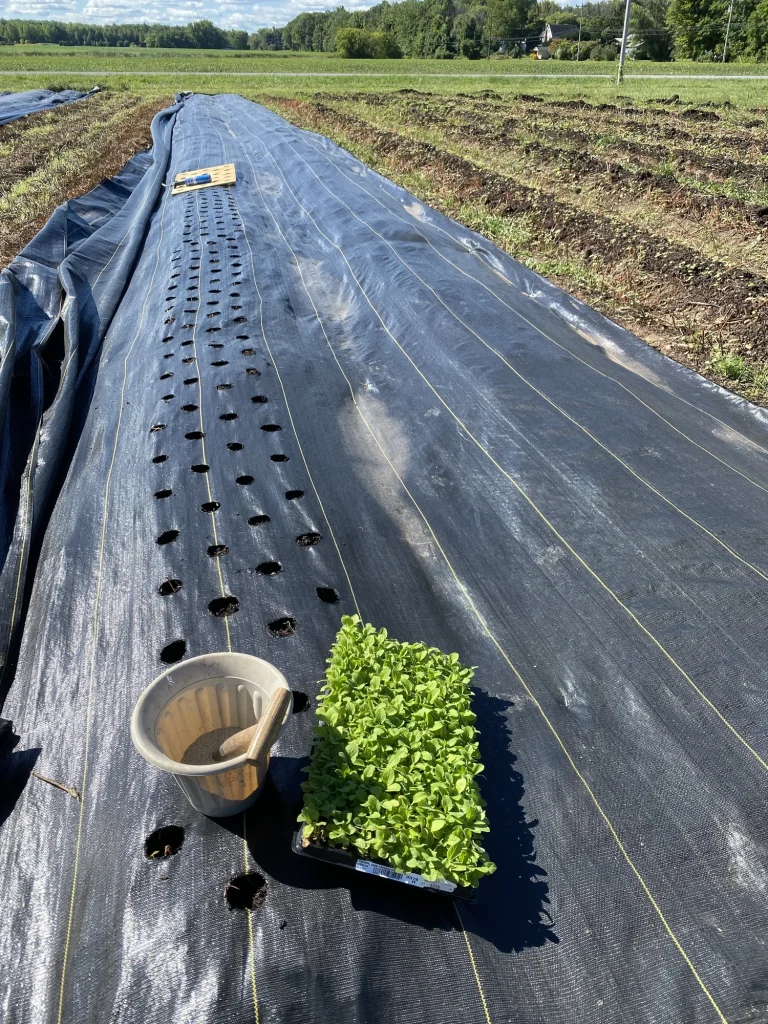
Are you tired of battling stubborn weeds that keep taking over your garden? You’ve probably heard that landscape fabric can be a simple solution.
But does it really kill weeds, or just slow them down? Understanding how landscape fabric works can save you time, effort, and frustration. Keep reading to discover if this popular gardening tool is the answer you’ve been searching for and learn how to use it effectively to protect your outdoor space.

Credit: www.vegetableacademy.com
How Landscape Fabric Works
Landscape fabric helps control weeds in gardens and yards. It acts as a barrier between soil and plants.
This fabric allows water and air to reach the soil but blocks sunlight that weeds need to grow.
Material Types
Landscape fabrics come in different materials. Each type has unique features that affect durability and performance.
- Woven Fabric:Made from polypropylene or polyester strands woven tightly.
- Non-woven Fabric:Made by bonding fibers together for a felt-like texture.
- Perforated Plastic:Thin plastic sheets with holes to allow water drainage.
Installation Process
Proper installation helps the fabric work well and last longer. It requires a few simple steps.
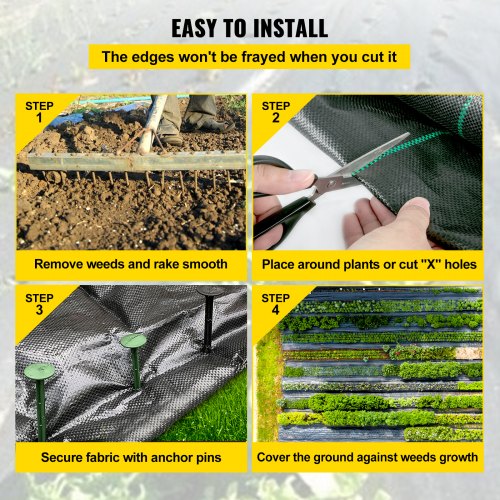
- Clear the area of weeds, rocks, and debris.
- Level and smooth the soil surface.
- Cut the fabric to fit the area, allowing extra for overlap.
- Lay the fabric flat over the soil, overlapping edges by 6 to 12 inches.
- Secure the fabric with landscape staples or pins.
- Add mulch or gravel on top to protect the fabric and improve appearance.
Weed Barrier Mechanism
| Function | How It Works |
|---|---|
| Light Blocking | Stops sunlight from reaching weed seeds, preventing growth. |
| Water Permeability | Allows water to pass through to nourish plants underneath. |
| Air Flow | Permits oxygen to reach roots and soil organisms. |
| Physical Barrier | Prevents weeds from breaking through the soil surface. |
By combining these functions, landscape fabric reduces weed growth without harming desired plants.
Effectiveness Against Different Weeds
Landscape fabric is a popular tool to control weeds in gardens and yards. It blocks sunlight, stopping many weeds from growing. The fabric works differently on various types of weeds.
Understanding how landscape fabric affects each weed type helps you use it better. Some weeds may still grow despite the fabric.
Annual Weeds
Annual weeds grow quickly and live for one season. They need sunlight to sprout from seeds. Landscape fabric blocks light, so it stops most annual weeds well.
Seeds on top of the fabric usually dry out and fail to grow. This reduces the number of annual weeds over time.
Perennial Weeds
Perennial weeds live for many years and spread through roots or runners. They do not rely only on seeds. Landscape fabric is less effective on them because roots can grow under or through small holes.
These weeds may push through the fabric or grow at the edges. Extra care is needed to control perennial weeds.
Grass And Deep-rooted Plants
Grass and deep-rooted plants can be tough for landscape fabric. Their roots can break through or grow under the fabric. Some grasses spread quickly and find gaps to grow.
Using landscape fabric with thick mulch helps block these plants better. Regular checks are important to remove any shoots that appear.
Limitations Of Landscape Fabric
Landscape fabric is used to control weeds in gardens. It stops weeds from growing by blocking sunlight. However, it has some limitations.
Understanding these limitations helps you make better choices for your garden. Let’s explore them in detail.
Sunlight And Water Penetration
Landscape fabric blocks sunlight. This prevents weeds from growing. But it also limits water reaching the soil. Plants may not get enough water.
Water is essential for healthy plants. If water cannot penetrate, plant growth may suffer.
- Blocks sunlight to stop weeds
- Limits water reaching plant roots
- Affects plant growth negatively
Soil Health Impact
Soil needs air and water to stay healthy. Landscape fabric restricts both. This can lead to poor soil health over time.
Healthy soil supports plant life. Without it, plants struggle to grow strong and healthy.
- Reduces soil air circulation
- Limits water absorption
- Weakens plant support
Fabric Durability Over Time
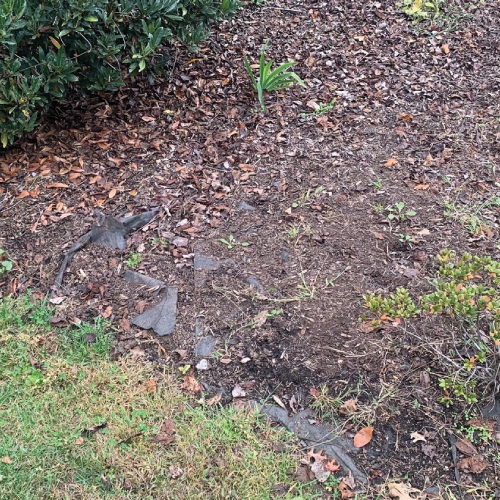
Landscape fabric can wear down over time. Sunlight and weather affect its durability. It may tear or break apart.
Once damaged, it no longer blocks weeds. This requires replacement, increasing maintenance work.
- Wears down with sun exposure
- Prone to tearing and breaking
- Needs regular replacement
Credit: www.carringtonlawn.com
Common Mistakes When Using Fabric
Landscape fabric can help reduce weeds in your garden. It works best when used correctly. Many people make mistakes that lower its effectiveness.
Understanding these common errors helps you get better results and keep your garden neat. Avoiding these mistakes makes your work easier.
Improper Installation
Installing landscape fabric wrong is a top mistake. If the fabric is not laid flat, weeds can grow through wrinkles and holes.
Not securing the fabric with pins or staples can cause it to move. This exposes soil and lets weeds come up.
- Do not stretch the fabric too tight or leave it loose
- Use enough pins to keep fabric stable
- Lay fabric flat with no gaps or folds
Ignoring Edges And Gaps
Weeds often enter from the edges of the fabric. Leaving gaps around plants or borders lets them grow.
Cutting holes too large or not covering edges with soil or mulch allows weeds to sneak in. This reduces fabric’s weed-blocking power.
- Cut holes just big enough for plants
- Cover edges with soil or mulch
- Overlap fabric pieces to avoid gaps
Lack Of Maintenance
Landscape fabric is not a set-and-forget solution. Weeds can still grow on top if debris builds up.
Failing to check and clean the fabric lets weeds take root. Regular care keeps it working well.
- Remove leaves and dirt from fabric surface
- Check for tears or holes and fix them
- Add mulch to protect fabric and block light
Alternatives To Landscape Fabric
Landscape fabric helps block weeds but may not work for everyone. Many gardeners want safer or easier ways to control weeds. This guide covers some good alternatives.
These options help keep your garden clean without using fabric. You can choose what fits your needs and garden style best.
Mulching Options
Mulch covers soil to block sunlight and stop weeds from growing. It also keeps soil moist and cool, which helps plants. There are many types of mulch you can use.
- Wood chips or bark mulch: Long-lasting and natural
- Straw or hay: Good for vegetable gardens but may contain seeds
- Grass clippings: Easy to get but use in thin layers to avoid smell
- Leaves: Free and break down to add nutrients
- Compost: Helps soil and blocks weeds
Chemical Weed Control
Chemical weed killers can remove weeds fast. Use these products carefully and follow instructions. Some are safe for certain plants, while others may harm them.
| Type | Use | Notes |
| Pre-emergent | Stops weed seeds from sprouting | Apply before weeds appear |
| Post-emergent | Kills existing weeds | Works best on young weeds |
| Organic herbicides | Made from natural ingredients | Less harmful but may need repeated use |
| Selective herbicides | Kills specific weeds | Safe for lawns or certain plants |
Manual Weeding Techniques
Pulling weeds by hand is simple and safe. You can remove weeds without chemicals. It takes time but works well for small areas.
- Use a hand trowel or hoe to loosen soil
- Pull weeds out by the roots to stop regrowth
- Do weeding after rain for easier removal
- Wear gloves to protect your hands
- Remove weeds regularly to keep them from spreading
Credit: www.vevor.ca
Tips For Maximizing Weed Control
Landscape fabric can help reduce weeds in your garden. Using it the right way improves weed control.
These tips will guide you on how to get the best results with landscape fabric.
Combining Fabric With Mulch
Covering landscape fabric with mulch blocks sunlight from reaching weeds. Mulch also helps keep fabric in place.
Mulch adds extra protection and improves the look of your garden.
- Use organic mulch like wood chips or bark
- Apply 2 to 3 inches of mulch over the fabric
- Replace mulch as it breaks down over time
Regular Monitoring
Check your landscape fabric often for weeds growing through holes or edges. Remove weeds quickly before they spread.
Fix any tears or gaps in the fabric to keep weeds from coming back.
- Look under mulch for hidden weeds
- Repair fabric tears with patches or extra fabric pieces
- Pull out weeds by hand to stop root growth
Proper Fabric Selection
Choose the right type of landscape fabric for your garden needs. Some fabrics block light better than others.
Thicker, woven fabrics last longer and stop more weeds than thin ones.
- Pick UV-resistant fabric to last in sunlight
- Choose breathable fabric to allow water and air flow
- Select fabric size to fit your garden area well
Frequently Asked Questions
Does Landscape Fabric Completely Prevent Weed Growth?
Landscape fabric significantly reduces weeds by blocking sunlight. However, some persistent weeds may still grow if fabric is damaged or improperly installed. Regular maintenance and adding mulch can improve its effectiveness.
How Long Does Landscape Fabric Last For Weed Control?
Quality landscape fabric typically lasts 5 to 10 years. Exposure to sunlight and weather may degrade it faster. Using UV-resistant fabric and covering it with mulch can extend its lifespan.
Can Landscape Fabric Kill Weeds Already Growing?
Landscape fabric does not kill existing weeds. It prevents new weeds by blocking light. Remove current weeds before installation to ensure maximum weed control efficiency.
Is Landscape Fabric Safe For Garden Plants?
Yes, landscape fabric is safe for most plants. It allows water and air flow to roots while controlling weeds. Choose breathable fabric to avoid root suffocation.
Conclusion
Landscape fabric helps reduce many weeds but does not kill all. Some tough weeds can grow through or around it. Proper installation and regular care improve its effectiveness. Combine fabric with mulch for better weed control. Remember to check fabric for damage and replace it if needed.
Using landscape fabric can save time and effort in your garden. It works best as part of a weed control plan. Keep watching your garden to keep weeds at bay.