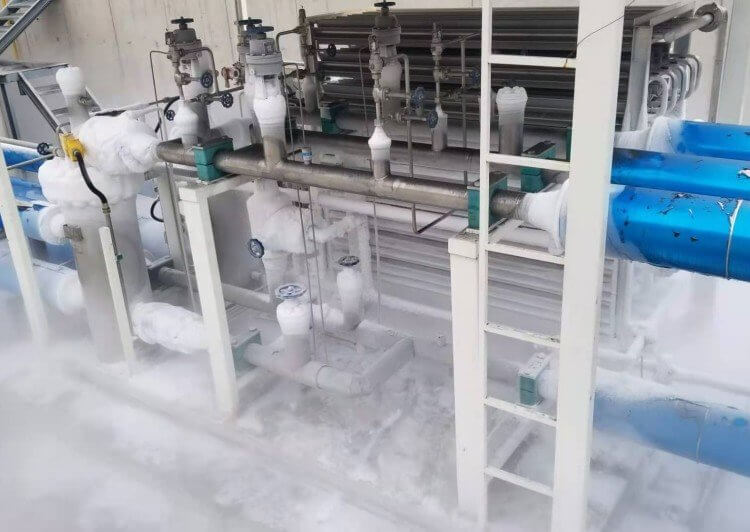
Have you ever wondered if your natural gas lines can freeze when the temperature drops? If you rely on natural gas for heating or cooking, this question is more important than you might think.
Frozen gas lines can cause serious problems, from interrupted service to safety hazards. You’ll discover why natural gas lines freeze, how to spot the signs, and what you can do to prevent it. Keep reading to protect your home and stay warm all winter long.

Credit: www.supplychainbrain.com
How Natural Gas Moves Through Pipes
Natural gas travels through pipes to reach homes and businesses safely. The movement depends on pressure and the pipe’s design. Understanding how gas flows helps explain why freezing rarely happens in these lines. Pipes and insulation also play key roles in keeping gas moving smoothly.
Gas Flow And Pressure Basics
Natural gas moves because of pressure differences. High pressure pushes gas toward lower pressure areas. Gas lines keep pressure steady to avoid blockages. Flow speed depends on pipe size and pressure level. Pressure drops can slow or stop the gas flow.
Gas lines usually operate above freezing temperatures. The pressure inside helps prevent freezing by keeping gas moving. Stagnant gas is more likely to cool and freeze. Proper pressure control reduces this risk significantly.
Pipe Materials And Insulation
Gas pipes are made from materials that resist cold and damage. Common materials include steel and polyethylene. Steel pipes are strong and durable. Polyethylene pipes are flexible and resistant to corrosion.
Insulation around pipes helps maintain temperature. It protects pipes from cold air and moisture. Insulation reduces heat loss and prevents frost build-up. Properly insulated pipes keep gas flowing even in winter.

Credit: www.chatnrg.com
Conditions That Cause Freezing
Natural gas lines freezing is a rare but possible issue that can cause disruptions in your heating system. Understanding the conditions that lead to freezing helps you take steps to prevent it. Let’s break down the main factors that contribute to this problem.
Role Of Moisture In Gas Lines
Moisture inside gas lines is a primary cause of freezing. Even a small amount of water vapor can condense and freeze under the right conditions, creating ice blockages.
If you’ve ever noticed water dripping from your gas meter or a sudden drop in gas flow during cold weather, moisture could be the culprit. Keeping your gas lines dry is essential to avoid these ice plugs.
Impact Of Extreme Cold Weather
Extreme cold temperatures increase the risk of freezing in natural gas lines. When the temperature drops well below freezing, any moisture inside the lines can solidify quickly.
Think about the last time you experienced a deep freeze. Did you notice any issues with your heating? That’s because your gas lines were likely under stress from the cold, especially if they are exposed or poorly insulated.
Effects Of Rapid Pressure Drops
Rapid drops in gas pressure can also lead to freezing. When gas expands quickly, it cools down significantly—a process known as the Joule-Thomson effect.
If your system experiences sudden changes in pressure, the temperature inside the lines can fall below freezing, triggering ice formation. Monitoring pressure changes can help you predict and prevent these freezes.
Signs Of Frozen Gas Lines
Frozen gas lines can pose serious risks and disrupt your home’s heating during cold spells. Recognizing the signs early helps you act quickly before the situation worsens. Watch for these clear indicators that your gas lines might be frozen.
Reduced Gas Flow
If you notice your appliances burning less efficiently or the flame is weaker than usual, your gas flow might be restricted. A frozen gas line narrows the passage, limiting the amount of gas reaching your stove or heater. Have you ever felt your heater struggling on a cold night? This could be why.
Unusual Odors
Smelling gas where you don’t usually can signal a problem, including frozen or cracked lines. Frozen pipes can crack under pressure, causing leaks that release the distinctive sulfur-like smell of natural gas. If this happens, never ignore it—your safety depends on addressing it immediately.
Frost Or Ice On Pipes
Visible frost or ice buildup on your gas pipes is a strong sign they are frozen. This often happens in unheated spaces like basements or crawl spaces during extreme cold. Spotting this early can help you prevent a complete blockage or pipe damage.
Risks Of Frozen Gas Lines
Frozen natural gas lines pose serious risks that you shouldn’t overlook, especially during cold weather. The consequences go beyond mere inconvenience and can directly impact your safety, equipment, and daily life. Understanding these risks can help you prepare and act swiftly if you ever face this issue.
Safety Hazards
Frozen gas lines can lead to dangerous leaks once they thaw, creating fire or explosion risks. Gas buildup in enclosed spaces can cause suffocation or poisoning without obvious signs.
Have you ever thought about how a small crack caused by ice expansion might turn into a major hazard? Always ensure your gas lines are inspected regularly, especially before winter sets in.
Damage To Equipment
Ice inside gas pipes can cause the metal to crack or weaken, leading to costly repairs or replacements. Appliances connected to these lines may malfunction or fail due to inconsistent gas flow.
Ignoring frozen lines can shorten the lifespan of your heating system or stove. Protecting your equipment means checking for early signs like unusual smells or fluctuating flame intensity.
Service Interruptions
A frozen gas line can stop your supply entirely, leaving you without heat or cooking fuel when you need it most. This disruption can be especially challenging during extreme cold spells.
Have you ever faced a day without heating? It highlights how crucial uninterrupted gas flow is for comfort and safety. Staying prepared can help you avoid sudden outages and the discomfort they bring.
Preventing Gas Line Freezing
Preventing gas line freezing is essential in cold weather. Frozen gas lines can cause blockages and disrupt your home’s heating. Taking simple steps helps keep gas flowing safely and smoothly.
Proper Pipe Insulation
Insulate exposed gas pipes with foam sleeves or wraps. Insulation keeps pipes warm and stops cold air from freezing the gas inside. Check insulation regularly for damage or wear. Replace any worn materials to maintain protection during winter.
Maintaining Adequate Gas Flow
Keep gas flowing through pipes to reduce freezing risk. Avoid shutting off gas for long periods in cold weather. Small, consistent gas flow helps prevent ice buildup inside the lines. Monitor gas usage to ensure continuous movement.
Using Heating Solutions
Apply heat sources near gas pipes to prevent freezing. Use heat tape or heating cables designed for pipes. These products provide gentle warmth and prevent ice formation. Always follow manufacturer instructions for safe installation.
What To Do If Gas Lines Freeze
If your natural gas lines freeze, it’s important to act carefully and quickly to restore safe gas flow. Frozen gas lines can disrupt heating and cooking, and attempting to fix the problem incorrectly might cause damage or safety risks. Knowing the right steps to take can help you thaw the lines safely and avoid costly repairs.
Safe Thawing Methods
Thaw frozen gas lines gently to prevent damage. You can use a hairdryer or a portable space heater to warm the affected area slowly. Avoid open flames or high heat sources, as these can ignite gas or cause pipes to burst.
Wrapping pipes with warm towels or using heat tape designed for plumbing can also help. Keep the heat steady and monitor the pipes closely. Do you have insulated covers around your pipes? Adding insulation can reduce freezing risks in the future.
When To Call A Professional
If you suspect a frozen gas line but smell gas or hear a hissing sound, don’t try to thaw it yourself. Turn off the gas supply immediately and contact a licensed professional. Gas leaks are dangerous and require expert handling.
Professionals have the right tools and experience to safely thaw frozen lines and check for leaks. If your attempts to thaw the pipes fail after a short time, it’s better to call a pro than risk damage. Have you kept contact information for emergency gas services handy?
Emergency Precautions
In case of a suspected gas leak or frozen line, prioritize safety. Open windows and doors to ventilate the area and avoid using electrical switches, phones, or anything that could spark. Leave the building and call emergency services from outside.
- Turn off the main gas valve if you know how.
- Keep children and pets away from the area.
- Never use candles or flames to check for leaks.
Staying calm and following these precautions can prevent accidents. Are your family members aware of what to do if a gas emergency occurs? Preparing everyone ahead of time is key.
Winter Maintenance Tips
Winter weather can cause problems for natural gas lines. Cold temperatures may lead to freezing or damage. Proper maintenance protects your system and keeps it working well. Follow these simple tips to prepare your gas lines for winter.
Regular Inspections
Check your gas lines often to find any cracks or leaks. Look for signs of rust or wear on pipes. Inspect connections and joints carefully. A small issue can turn into a big problem in winter. Schedule professional inspections yearly to ensure safety.
Leak Detection
Detecting leaks early saves money and prevents hazards. Use soapy water on pipes and watch for bubbles. Smell for rotten egg odor, which signals a gas leak. Install a gas detector for extra protection. Always act fast if you suspect a leak.
Preparing For Cold Seasons
Keep pipes insulated with foam covers or wraps. Protect outdoor meters and valves from snow and ice. Drain water from unused pipes to stop freezing. Maintain a steady temperature inside your home. These steps reduce the risk of frozen gas lines.
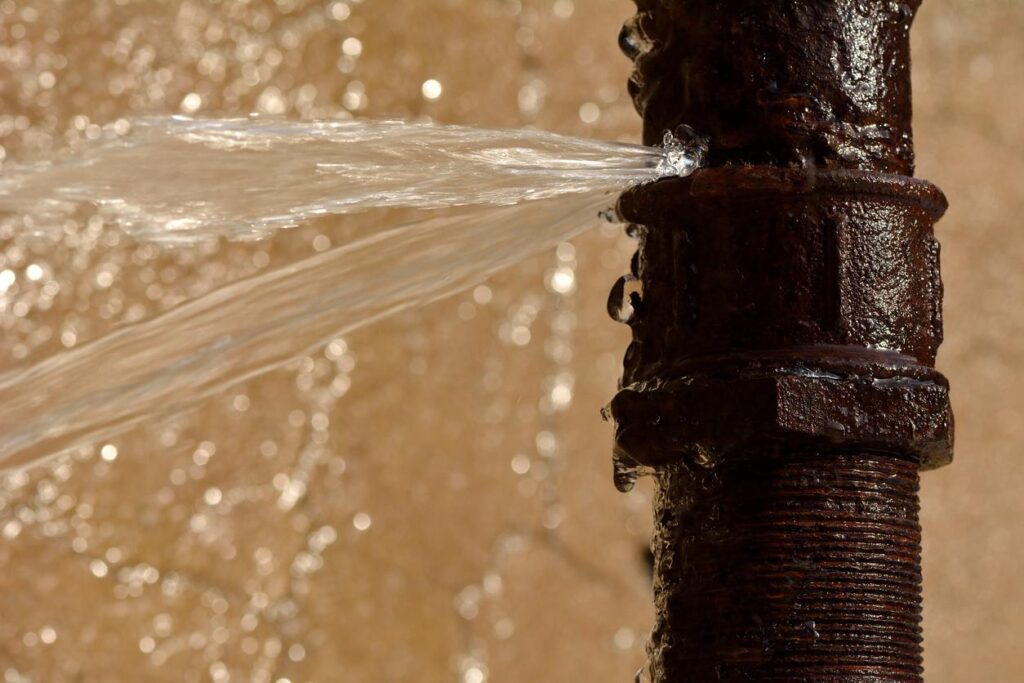
Credit: www.rooterranger.com
Frequently Asked Questions
Can Natural Gas Lines Freeze In Cold Weather?
Natural gas lines rarely freeze because gas flows continuously and generates slight heat. However, moisture inside pipes can freeze, causing blockages. Proper insulation and maintenance prevent freezing in extreme cold.
What Causes Natural Gas Lines To Freeze?
Freezing occurs when moisture inside the pipes turns to ice, blocking gas flow. This happens in low temperatures combined with trapped water or leaks. Keeping pipes dry and insulated helps avoid freezing.
How To Prevent Natural Gas Line Freezing?
Insulate exposed gas lines and maintain steady gas flow during cold weather. Use heat tape or pipe insulation sleeves to protect vulnerable sections. Regular inspections ensure no moisture buildup or leaks.
Are Underground Natural Gas Lines At Risk Of Freezing?
Underground gas lines are less likely to freeze due to earth’s insulation. Soil temperature remains above freezing depth, protecting pipes. Proper burial depth and insulation further minimize freezing risks.
Conclusion
Natural gas lines can freeze in extreme cold. Insulation helps prevent freezing. Regular maintenance also plays a key role. Check for leaks and damages often. Ensure your gas lines are buried deep enough. Contact professionals for any concerns. A little preparation goes a long way.
Keep your natural gas flowing smoothly. Stay safe and warm this winter. Proper care ensures reliability. Always prioritize safety with gas lines.