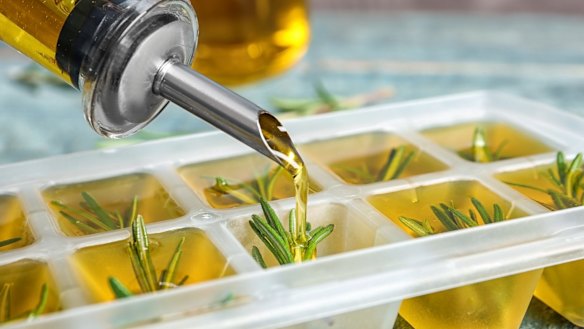
Have you ever pulled out your bottle of olive oil on a chilly day, only to find it looking a bit cloudy or even solid? If so, you might be wondering, “Will olive oil freeze?”
This question might seem trivial at first, but understanding the behavior of olive oil in different temperatures can be quite enlightening, especially if you love cooking. You might be surprised by how temperature changes can affect your precious bottle of olive oil and, consequently, your culinary adventures.
Stick around, because by the end of this article, you’ll not only have the answer but also some handy tips on how to store olive oil effectively. Ready to dive in?
Olive Oil Basics
Understanding the basics of olive oil is key before exploring whether it freezes. Olive oil isn’t just one simple product; its qualities and behavior depend heavily on its type and composition. Knowing these details helps you store and use it better in your kitchen.
Types Of Olive Oil
Olive oil comes in several types, each with distinct flavors and uses. The most common ones include:
- Extra Virgin Olive Oil:The highest quality, made from pure, cold-pressed olives. It has a strong flavor and is great for dressings and drizzling.
- Virgin Olive Oil:Also cold-pressed but with slightly higher acidity than extra virgin. It’s good for cooking at moderate temperatures.
- Refined Olive Oil:Processed to remove impurities, this oil has a neutral taste and higher smoke point, making it suitable for frying.
- Olive Pomace Oil:Extracted from the leftover olive pulp using solvents. It’s the lowest grade and best for high-heat cooking.
Which type do you use most often? Knowing this will affect how your olive oil behaves when cold or frozen.
Composition And Properties
Olive oil is mostly made of fats called triglycerides, but the type of fat varies. It contains a high percentage of monounsaturated fats, especially oleic acid, which gives it its health benefits.
Its freezing point isn’t fixed because of this mix of fats and other compounds. Typically, olive oil starts to solidify around 39°F (4°C), but this depends on the specific oil’s makeup.
Have you noticed your olive oil becoming cloudy or thick in the fridge? That’s the natural reaction of its fatty acids crystallizing. This doesn’t harm the oil but changes its texture temporarily.

Credit: homemadeandyummy.com
Freezing Point Of Olive Oil
Olive oil behaves differently than water when exposed to cold. It does not freeze like water but becomes cloudy and thick. Understanding the freezing point of olive oil helps in storing it correctly and maintaining its quality.
Temperature Range For Freezing
Olive oil starts to solidify at temperatures between 32°F (0°C) and 21°F (-6°C). The exact freezing point varies based on the type of olive oil. Extra virgin olive oil tends to freeze at a slightly higher temperature than refined olive oil.
At freezing temperatures, olive oil turns cloudy and thickens. It does not become completely solid like water ice. This change is reversible when the oil warms up again.
Factors Affecting Freezing Point
- Fatty Acid Composition:Oils with more saturated fats freeze at higher temperatures.
- Purity:Pure olive oil freezes differently than blended oils.
- Storage Conditions:Temperature fluctuations can affect how the oil thickens or solidifies.
- Type of Olive:Different olive varieties produce oils with varying freezing points.
What Happens When Olive Oil Freezes
Have you ever wondered what happens when olive oil freezes? It’s a common question, especially if you live in a cold climate or store your olive oil in the fridge. Freezing olive oil can lead to some surprising changes that might affect how you use it in your kitchen.
Changes In Texture
When olive oil freezes, it doesn’t turn into a solid block like water does. Instead, it becomes cloudy and thickens gradually. This happens because the fats in olive oil start to crystallize at low temperatures.
You might notice that frozen olive oil feels grainy or lumpy instead of smooth. This texture change is reversible; once you bring it back to room temperature, it will return to its usual liquid state. However, repeated freezing and thawing can sometimes affect the oil’s consistency over time.
Impact On Flavor And Quality
Freezing olive oil generally does not ruin its flavor, but it can dull some of its fresh, fruity notes temporarily. The cold can mute the aroma and taste, making it seem less vibrant when you use it right after thawing.
Quality-wise, freezing olive oil is safe and doesn’t cause it to go rancid. Still, frequent temperature changes might lead to slight degradation in antioxidants and nutrients. To keep your olive oil tasting its best, consider storing it in a cool, dark place rather than the freezer.
Have you ever tasted olive oil right after freezing? You might find it less flavorful, but give it some time to warm up before judging its quality. Your cooking and salads will thank you for the patience!
How To Freeze Olive Oil Safely
Freezing olive oil is a smart way to keep it fresh longer. It slows down the aging process and protects flavors. But olive oil changes texture and color when frozen. Knowing how to freeze it safely helps avoid these problems. Proper freezing keeps the oil usable and tasty.
Storage Tips
- Keep olive oil in a clean, dry place before freezing.
- Use smaller portions to avoid opening and refreezing repeatedly.
- Label containers with the freezing date to track freshness.
- Thaw oil slowly at room temperature to preserve flavor.
- Do not refreeze thawed olive oil to maintain quality.
Container Recommendations
- Choose airtight containers to prevent moisture and odors.
- Glass jars with tight lids are ideal for freezing olive oil.
- Silicone ice cube trays work well for small portions.
- Plastic containers should be freezer-safe and BPA-free.
- Leave space in containers as oil expands when frozen.
Thawing And Using Frozen Olive Oil
Thawing and using frozen olive oil requires care to keep its flavor and texture intact. Proper thawing helps preserve the oil’s natural qualities. Using frozen olive oil correctly ensures a smooth cooking experience.
Best Practices For Thawing
- Move the frozen olive oil to the refrigerator.
- Let it thaw slowly for 24 hours or until fully liquid.
- Avoid using hot water or microwaves to thaw quickly.
- Keep the bottle sealed during thawing to prevent moisture.
- Gently swirl the bottle to mix any separated parts.
Maintaining Quality After Thawing
Use the thawed olive oil within a few days for best taste. Store it in a cool, dark place away from sunlight. Keep the bottle tightly closed to avoid oxidation. Avoid refreezing olive oil, as it can harm texture and flavor. Check for any unusual smell or texture before use.
Credit: www.smh.com.au
Common Myths About Freezing Olive Oil
Many people hesitate to freeze olive oil because of several common myths surrounding the process. These myths often create confusion and prevent you from preserving your olive oil effectively. Understanding the facts can help you make better choices about storing your oil without worrying about ruining its quality.
Myth Vs. Reality
Myth:Freezing olive oil will ruin its flavor and texture.
Reality:Olive oil may become cloudy or solidify when frozen, but this doesn’t harm its flavor or nutritional value. Once you bring it back to room temperature, it returns to its normal state.
Myth:Olive oil freezes solid like water and becomes unusable.
Reality:Olive oil freezes at a lower temperature than water and often turns into a soft, buttery consistency. This means it won’t become rock hard, making it easy to scoop or pour after thawing.
Myth:Freezing olive oil causes it to lose its health benefits.
Reality:The antioxidants and healthy fats in olive oil remain stable during freezing. Freezing can actually help preserve these benefits by protecting the oil from heat and light.
Expert Opinions
Nutritionists and chefs agree that freezing olive oil is safe and practical if you want to extend its shelf life. Many experts recommend freezing small portions to keep the oil fresh without waste.
Olive oil producers often suggest storing oil in cool, dark places but acknowledge that freezing is an option for long-term storage. They note that freezing does not degrade the oil’s quality but advise thawing it gently to avoid changes in texture.
Have you ever noticed your olive oil turning cloudy after refrigeration? That’s similar to what happens in the freezer, and experts say it’s perfectly normal. So, why not try freezing small amounts and see how it works for your cooking needs?
Credit: en.petitchef.com
Frequently Asked Questions
Does Olive Oil Freeze In The Freezer?
Olive oil can solidify when frozen due to its fats. However, it rarely becomes a hard solid like water ice. The texture may thicken or become cloudy but it will return to normal at room temperature.
How Long Does Olive Oil Take To Freeze?
Olive oil typically begins to thicken within a few hours in a freezer. Full solidification can take 24 hours or more, depending on the freezer temperature and oil type.
Is Frozen Olive Oil Safe To Use?
Yes, frozen olive oil is safe to use. Freezing does not harm its quality or nutritional value. Just thaw it slowly at room temperature before use.
Does Freezing Olive Oil Affect Its Taste?
Freezing olive oil does not significantly change its taste. The flavor remains intact, but the oil may appear cloudy or grainy until it returns to room temperature.
Conclusion
Olive oil can freeze at low temperatures. It turns cloudy and thick but does not spoil. Thawed oil works well for cooking and dressing. Store olive oil in a cool, dark place. Avoid freezing if you want the best flavor.
Now you know what happens when olive oil freezes. Keep your oil fresh and enjoy its taste. Simple steps help maintain its quality every day.