Have you ever wondered if paint thinner can freeze when the temperature drops? If you store your paint supplies in a cold garage or basement, this question is important for you.
Knowing whether paint thinner freezes can save you from ruined projects and wasted money. You’ll discover what really happens to paint thinner in freezing conditions and how to protect your materials. Keep reading to make sure your paint thinner stays in perfect condition, no matter the weather.
Paint Thinner And Temperature Sensitivity
Paint thinner is a staple in many DIY projects and professional painting jobs. But have you ever wondered how temperature affects its performance? Understanding how paint thinner reacts to cold conditions can save you from unexpected problems during your work.
Chemical Properties Of Paint Thinner
Paint thinner is made up of various solvents like mineral spirits, acetone, or turpentine. These chemicals are designed to dissolve oil-based paints and clean brushes effectively.
Because of their chemical makeup, these solvents behave differently under temperature changes. Some evaporate quickly, while others become thicker or even gel in cold weather.
Have you noticed your paint thinner becoming sluggish or harder to pour on a chilly day? That’s the chemical properties at work, influencing how easy it is to use.
Freezing Points Of Common Thinners
Not all paint thinners freeze at the same temperature. Mineral spirits, for example, usually freeze around -30°F (-34°C), far colder than most household freezers.
Turpentine has a freezing point near -49°F (-45°C), making it even less likely to freeze in typical winter conditions.
Acetone freezes at about -139°F (-95°C), so it remains liquid in almost any normal environment.
| Type of Paint Thinner | Approximate Freezing Point |
|---|---|
| Mineral Spirits | -30°F (-34°C) |
| Turpentine | -49°F (-45°C) |
| Acetone | -139°F (-95°C) |
If you store paint thinner in a garage or shed during winter, it’s unlikely to freeze unless you live in extremely cold regions. But what if the thinner gets contaminated with water? That could change the freezing point and cause problems.
How do you store your paint thinner during colder months? Keeping it in a temperature-controlled space might be worth the effort to maintain its effectiveness.
Effects Of Freezing On Paint Thinner
Freezing paint thinner can lead to unexpected changes that affect its usability. Understanding these effects helps you decide how to store and handle your paint thinner, especially in colder climates. Let’s look closely at what happens when paint thinner freezes and how it impacts your projects.
Changes In Consistency And Performance
When paint thinner freezes, its consistency often becomes thicker or grainy. This change can make it harder to pour or mix smoothly with paint. You might notice it doesn’t evaporate as quickly, which can slow down drying times.
Once thawed, paint thinner might not fully return to its original clarity or texture. Sometimes, small particles remain suspended, which can clog brushes or rollers. Have you ever tried using paint thinner after a cold winter night only to find it uneven? That’s a sign the freeze altered its performance.
Impact On Paint Quality
Using paint thinner that has frozen and thawed can affect the final look of your paint job. The altered thinner can cause uneven spreading or leave streaks on the surface. This is because the chemical balance shifts slightly during freezing, impacting how it mixes with paint.
You might end up with a less durable finish or colors that don’t appear as vibrant. If you want your painted surfaces to last and look professional, it’s best to avoid using paint thinner that has been frozen. How often do you check your supplies before starting a project?
Safe Storage Practices
Storing paint thinner safely is crucial to maintaining its effectiveness and preventing accidents. Improper storage can lead to freezing, contamination, or even hazardous situations. Understanding the right conditions and materials for storage can keep your paint thinner ready for use whenever you need it.
Ideal Temperature Ranges
Paint thinner should be stored in a cool, dry place where temperatures stay between 50°F and 85°F (10°C to 29°C). Temperatures below freezing can cause the thinner to thicken or separate, reducing its quality. Have you noticed your paint thinner behaving oddly after a cold winter night? That’s a sign it was exposed to unsafe temperatures.
Best Containers For Storage
Use containers made of metal or high-density plastic designed to hold solvents. These containers prevent leaks and resist corrosion over time. Avoid using glass or thin plastics, as they may crack or allow fumes to escape. A tight-sealing lid is key; it keeps the thinner fresh and fumes contained.
Avoiding Moisture Contamination
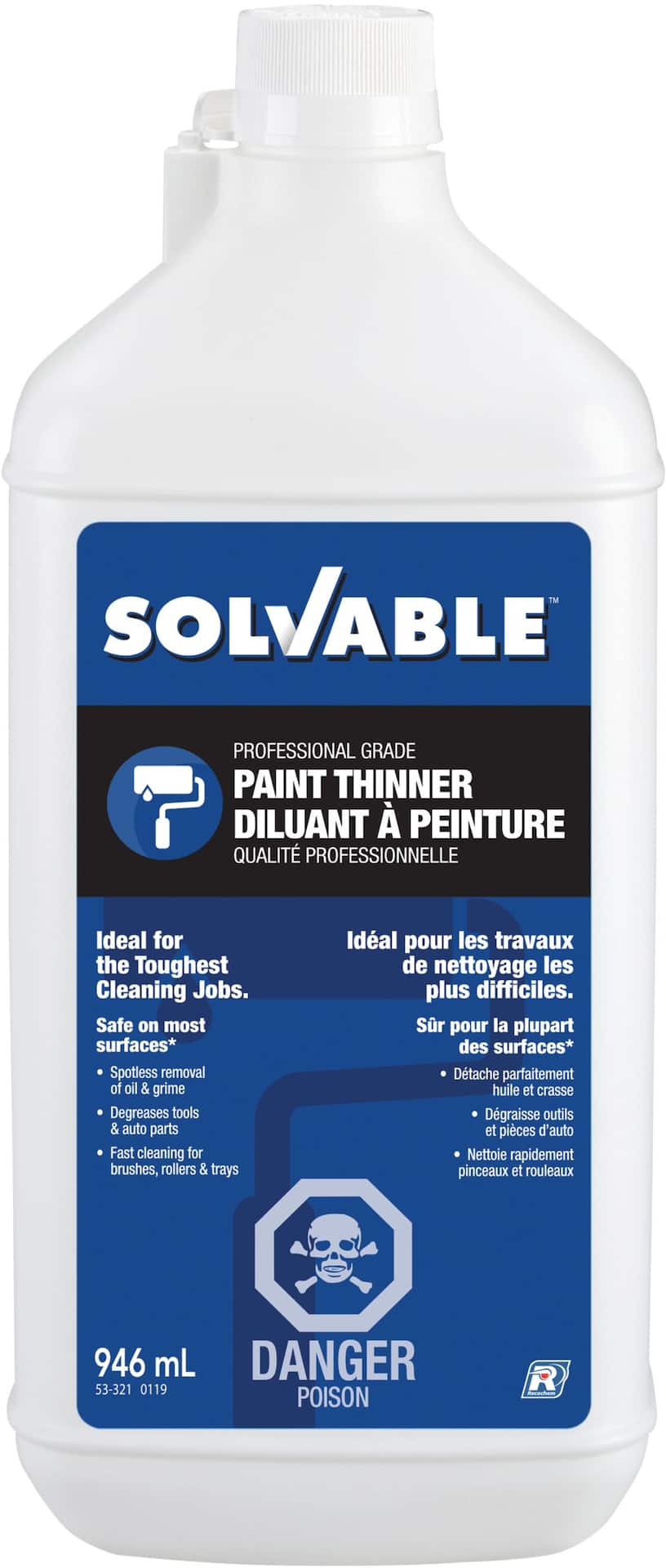
Moisture can ruin paint thinner by causing cloudiness and reducing its effectiveness. Store your thinner away from humid areas like basements or near water sources. Keep the container sealed immediately after use, and never leave it open for long. Have you ever opened a container only to find water droplets inside? That’s exactly what you want to prevent.
Credit: www.canadiantire.ca
Tips To Protect Paint Supplies In Cold Weather
Cold weather can harm paint supplies if not stored properly. Paint thinner and other liquids risk freezing or thickening in low temperatures. Protecting these materials keeps them effective and safe for use. Follow simple steps to shield paint supplies during winter months.
Insulating Storage Areas
Keep paint supplies in a well-insulated space. Use foam panels or blankets around containers to block cold air. Store items off the cold floor on shelves or pallets. Avoid garages or sheds that get very cold overnight. A steady, moderate temperature prevents paint thinner from freezing.
Using Heating Solutions Safely
Small heaters help keep storage areas warm. Use electric heaters with automatic shut-off for safety. Keep heaters away from paint and thinner containers to avoid fire risks. Monitor temperatures to avoid overheating. Proper heating stops paint supplies from getting too cold or freezing.
Transporting Thinner During Winter
Move paint thinner in insulated containers during cold weather. Use thermal bags or wraps to keep liquids warm. Avoid leaving thinner in cold cars or outside for long periods. Transport during warmer parts of the day when possible. Proper care prevents damage and keeps thinner ready to use.
Alternatives To Traditional Paint Thinners
Traditional paint thinners often freeze in cold temperatures, causing storage problems and affecting paint quality. Finding alternatives that resist freezing improves usability and safety. Several options offer better performance in low temperatures and reduce health risks.
Low-freezing Point Thinners
Low-freezing point thinners stay liquid in cold weather. They help keep paint usable during winter months. These thinners contain chemicals that lower the freezing point below normal paint thinner levels. This prevents solidification and clumping.
- They work well in cold storage conditions.
- Suitable for outdoor painting in winter.
- Commonly made with solvents like acetone or alcohol blends.
Using these thinners prevents delays caused by frozen paint. They keep consistency smooth and easy to apply.
Eco-friendly Options
Eco-friendly paint thinners use natural ingredients. They reduce toxic fumes and environmental damage. These alternatives often use water or plant-based solvents.
- Safe for indoor use with less odor.
- Biodegradable and less harmful to air quality.
- Effective for cleaning brushes and thinning some paints.
Choosing eco-friendly thinners supports health and sustainability. They serve well in many painting projects without freezing issues.

Credit: squadron.com
Credit: www.painttalk.com
Frequently Asked Questions
Does Paint Thinner Freeze In Cold Temperatures?
Paint thinner can freeze at very low temperatures, but its freezing point is much lower than water. It generally remains liquid in most cold climates. However, extreme cold can cause it to thicken or solidify, affecting its usability.
What Is The Freezing Point Of Paint Thinner?
The freezing point of paint thinner varies by composition but is typically around -20°F to -40°F (-29°C to -40°C). This low freezing point helps it stay liquid in cold environments, unlike water-based products.
How To Store Paint Thinner In Winter?
Store paint thinner in a cool, dry place away from freezing temperatures. Use airtight containers and keep it indoors or in insulated areas to prevent thickening or freezing during winter.
Can Frozen Paint Thinner Be Used Safely?
Frozen paint thinner can be thawed and used safely if it returns to a liquid state. Avoid using it if it has separated or changed color, as this may affect its performance.
Conclusion
Paint thinner can freeze under specific conditions. Temperature plays a crucial role. Cold climates increase the risk. Proper storage is essential. Keep paint thinner in a warm, dry place. Check the label for storage instructions. Always use caution when handling.
Freezing changes its properties and effectiveness. Be aware of safety guidelines. This ensures your projects stay on track. Understanding these factors helps maintain quality results. Be prepared for cold weather challenges. Stay informed and handle paint thinner wisely. Your projects will thank you.