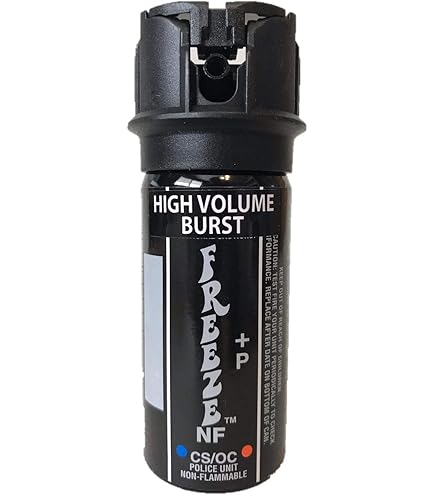
Have you ever wondered if your trusty pepper spray could let you down in freezing temperatures? Whether you’re carrying it for personal safety or keeping it around for emergencies, knowing how it behaves in the cold is crucial.
You might be surprised to learn that temperature can significantly affect the performance of pepper spray. Imagine reaching for it in a critical moment, only to find out it’s not working as expected. That’s a scenario you’d want to avoid at all costs.
This article will uncover the truth behind whether pepper spray can freeze and what that means for you. Stick around, because understanding this could make all the difference in keeping you safe when it matters most.
How Pepper Spray Works
Understanding how pepper spray works can change the way you view personal safety tools. It’s not just about the immediate sting; it’s about the science behind the spray that makes it effective. Let’s break down what’s inside pepper spray and how it impacts your body.
Active Ingredients
The main active ingredient in pepper spray is capsaicin, a natural compound found in hot chili peppers. Capsaicin causes a burning sensation when it comes into contact with skin or mucous membranes. Manufacturers usually mix capsaicin with other chemicals to make the spray more effective and easier to disperse.
Besides capsaicin, pepper sprays often contain:
- Solvents to keep the spray liquid and prevent freezing
- Propellants that help spray the substance in a fine mist
- Sometimes dyes to mark an attacker for identification
Effects On The Body
When sprayed, the capsaicin binds to receptors in your eyes, nose, throat, and skin. This triggers an intense burning sensation and inflammation. Your eyes may involuntarily close, and your breathing can become difficult due to swelling and irritation.
Many people describe the feeling as overwhelming discomfort that temporarily disables movement and focus. You might wonder if this reaction lasts long or if it can cause permanent damage—typically, effects fade within 30 to 45 minutes, but the immediate impact is enough to give you time to escape danger.
Have you ever experienced a strong irritant unexpectedly? Pepper spray’s design relies on that shock and surprise to stop an attacker quickly. Knowing how it works helps you appreciate why it’s a trusted self-defense tool in many situations.

Credit: www.amazon.com
Temperature Sensitivity
Temperature plays a key role in how pepper spray performs. Cold weather can affect its spray pattern, pressure, and effectiveness. Understanding the temperature sensitivity of pepper spray helps users prepare for outdoor use in winter or cold climates. This section explains the freezing points of its ingredients and how cold impacts its function.
Freezing Points Of Ingredients
Pepper spray contains water, oil, and chemical irritants. Water freezes at 32°F (0°C). The oil and chemical components have lower freezing points. This mix prevents the spray from freezing solid in mild cold.
However, extreme cold below -10°F (-23°C) may cause some ingredients to solidify. This can clog the spray nozzle or change the spray’s consistency. Manufacturers often add antifreeze agents to lower freezing points.
Impact Of Cold Weather
Cold weather reduces the pressure inside the pepper spray canister. Lower pressure means weaker spray force. The mist may not reach far or disperse well.
In freezing temperatures, the spray may sputter or stop entirely. Users may need to warm the canister before use. Keeping pepper spray close to the body helps maintain its temperature.
Cold can also affect the chemical potency. Some irritants lose strength at low temperatures, reducing effectiveness. Always check the expiration date and storage advice for best results.
Will Pepper Spray Freeze?
Pepper spray is a popular self-defense tool used worldwide. Many people wonder, will pepper spray freeze? Understanding how temperature affects pepper spray is important for safety and effectiveness. This section explores if pepper spray can freeze and what happens when it does.
Conditions That Cause Freezing
Pepper spray contains liquids and chemicals that can freeze under certain conditions. Freezing usually happens in very cold weather, especially below 32°F (0°C). Outdoor storage in winter or leaving the spray in a cold car may cause it to freeze.
Factors that increase freezing risk:
- Extremely low temperatures
- Long exposure to cold environment
- Lack of insulation or protective casing
Freezing can affect the spray’s pressure and functionality. Some brands use special formulas to resist freezing better.
Signs Of Frozen Pepper Spray
Frozen pepper spray looks and behaves differently than normal spray. Watch for these signs:
- Can feels hard or solid to touch
- Spray stream becomes weak or stops
- Spray nozzle is blocked or clogged
- Liquid inside looks cloudy or crystallized
Using frozen pepper spray may not release the chemical properly. It is best to warm the can gently before use. Never heat it too fast or near fire.

Credit: www.amazon.com
Using Pepper Spray In Cold Weather
Using pepper spray in cold weather raises important questions about its performance. Cold temperatures can affect the spray’s consistency and pressure. Knowing how pepper spray reacts to freezing is crucial for safety and effectiveness. Proper preparation ensures it works when needed, even in low temperatures.
Effectiveness After Freezing
Pepper spray contains oils and solvents that can freeze in cold weather. Freezing may cause the spray to become thick or block the nozzle. This reduces the spray’s range and accuracy. Once thawed, the spray usually returns to normal. But repeated freezing and thawing can damage the canister and reduce pressure.
Some formulas resist freezing better than others. Look for sprays labeled as cold-weather or freeze-resistant. These sprays maintain pressure and spray quality in low temperatures. Always test your pepper spray before heading out in the cold.
Tips For Cold Weather Use
- Keep pepper spray close to your body to stay warm.
- Store it in an inner pocket, not in outside bags or cars.
- Avoid shaking the canister in freezing conditions.
- Test the spray once in a while to ensure it works properly.
- Choose freeze-resistant pepper spray for colder climates.
- Replace old spray cans regularly, as pressure can drop over time.
Storage Recommendations
Proper storage of pepper spray is key to keeping it effective and ready to use. Storing it in the wrong conditions can damage the spray or cause it to lose power. Knowing the right temperature range and how to avoid freezing damage helps maintain its strength and reliability.
Ideal Temperature Range
Pepper spray should be stored between 32°F and 120°F (0°C to 49°C). This range keeps the canister stable and the spray effective. Extreme heat can cause the canister to burst. Cold temperatures near freezing may affect the spray pressure and performance.
Avoiding Freezing Damage
Freezing can cause the liquid inside the canister to expand. This may damage the nozzle or container. Keep pepper spray indoors during winter or in cold climates. Do not leave it in a car overnight during cold weather. Store it in a warm place away from windows and doors.
Alternative Self-defense Options
When thinking about self-defense, relying solely on pepper spray might not always be the best option, especially in certain conditions. You might wonder if your spray will work effectively when it’s freezing outside or if it might malfunction. Exploring alternative self-defense tools can give you peace of mind and ensure you’re prepared no matter the weather or situation.
Cold Weather Friendly Sprays
Not all pepper sprays react the same way to cold temperatures. Some sprays are designed with formulas that resist freezing, maintaining their effectiveness in winter conditions. Look for sprays labeled as “freeze-resistant” or “winter formula.”
These sprays often use propellants that don’t solidify easily and come in canisters tested at low temperatures. If you live in or travel to cold climates, having a spray made for those environments can make a huge difference.
Think about it: have you ever tried using a regular spray on a freezing day only to find it clogged or useless? Choosing the right spray can prevent that frustrating experience.
Non-aerosol Alternatives
If you’re worried about sprays freezing or malfunctioning, consider non-aerosol self-defense tools. Items like pepper gel or pepper foam don’t rely on propellants and tend to perform better in cold weather.
These alternatives stick more to the attacker and reduce blowback risk, which makes them safer to use in windy or freezing conditions. Plus, they often last longer and can be easier to aim at close range.
Besides sprays and gels, think about other self-defense tools that don’t depend on temperature-sensitive mechanisms, such as personal alarms, tactical flashlights, or even simple but effective tools like a sturdy whistle.
- Pepper gel – thicker, less wind-sensitive
- Pepper foam – spreads evenly, sticks better
- Personal alarms – attract attention instantly
- Tactical flashlights – blind attackers temporarily
Have you tried any of these alternatives before? Sometimes switching up your self-defense strategy can give you more confidence and control, especially when weather conditions challenge traditional sprays.

Credit: www.amazon.com
Frequently Asked Questions
Will Pepper Spray Freeze In Cold Weather?
Pepper spray can freeze if exposed to very low temperatures. Most formulas freeze around 20°F (-6°C). Freezing may reduce its effectiveness or cause canister damage.
How Does Freezing Affect Pepper Spray Performance?
Freezing can alter the spray’s consistency and pressure. This may result in weak or inconsistent discharge, reducing its self-defense reliability.
Can You Use Frozen Pepper Spray Safely?
Using frozen pepper spray is not recommended. It may not discharge properly and fail to deter an attacker effectively.
How To Store Pepper Spray To Prevent Freezing?
Store pepper spray at room temperature, away from cold areas. Keep it indoors during winter to maintain pressure and performance.
Conclusion
Pepper spray can freeze in very cold weather. Freezing may change how it sprays. It might not work as well when frozen. Always check your pepper spray before using it. Keep it at room temperature if possible. This helps make sure it sprays correctly.
Know your spray’s limits in cold climates. Stay safe by understanding how temperature affects it. Use your pepper spray carefully and keep it ready. Safety first, no matter the weather outside.