Have you ever wondered if the PVC pipes in your home or garden are at risk of freezing during chilly weather? You’re not alone.
As temperatures drop, many homeowners like you worry about the possibility of frozen pipes leading to costly repairs and inconvenient water disruptions. Understanding whether PVC pipes are susceptible to freezing and how you can protect them is crucial. We’ll explore the conditions under which PVC pipes might freeze, and more importantly, we’ll share practical tips to prevent this from happening.
Stay with us to arm yourself with the knowledge you need to keep your pipes safe and your mind at ease.
How Pvc Pipes React To Freezing
Understanding how PVC pipes react to freezing is crucial if you want to protect your plumbing during cold weather. PVC, or polyvinyl chloride, behaves differently from metal pipes when exposed to freezing temperatures. Knowing its material properties and typical freeze scenarios can help you prevent costly repairs and water damage.
Material Properties Of Pvc
PVC is a plastic known for its flexibility and resistance to corrosion. Unlike metal, it doesn’t conduct heat well, which means it can stay colder longer in freezing conditions. However, PVC is also more brittle in low temperatures, making it prone to cracking if the water inside freezes and expands.
The expansion of freezing water inside PVC pipes can create significant pressure. Since PVC has limited elasticity, it cannot stretch to accommodate this pressure easily. This often leads to cracks or bursts, especially if the pipe walls are thin or the pipes are already under stress.
Common Freeze Scenarios
- Outdoor pipes:Pipes exposed to the elements, such as garden irrigation lines, are highly vulnerable during a cold snap.
- Unheated areas:Pipes running through unheated basements, crawl spaces, or attics often freeze because they are not insulated from freezing air.
- Sudden temperature drops:Even well-insulated pipes can freeze if temperatures fall rapidly and remain low for several hours.
Have you ever experienced a burst pipe during winter? It’s usually because the water inside froze and expanded faster than the pipe could handle. Taking steps like insulating your PVC pipes or letting faucets drip during extreme cold can save you from these headaches.
Credit: www.familyhandyman.com
Signs Of Frozen Pvc Pipes
Frozen PVC pipes can cause serious damage if not caught early. Recognizing the signs is key to preventing costly repairs and water damage. You might think it’s obvious when a pipe is frozen, but some signs can be subtle. Knowing what to look for helps you act quickly and protect your home.
Visible Cracks And Bulges
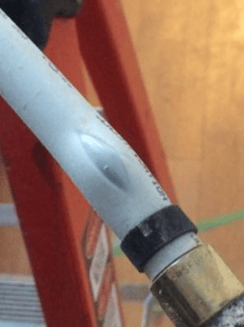
One clear sign of frozen PVC pipes is the appearance of cracks or bulges along the pipe’s surface. As water freezes, it expands, putting pressure on the pipe walls. This expansion can cause the pipe to bulge or even crack, which might not be immediately noticeable but can lead to leaks.
If you spot any unusual shapes or tiny splits, don’t ignore them. These physical changes often happen before you see water leaking. Checking pipes in cold, unheated areas like basements or crawl spaces can reveal these early warning signs.
Reduced Or No Water Flow
Another common indicator is a sudden drop in water pressure or a complete stop in water flow. If your faucets start to drip weakly or go dry, it could mean the water inside the pipes is frozen solid. This blockage prevents water from moving freely through your plumbing system.
Have you ever turned on a tap in winter and barely gotten a trickle? That’s often a frozen pipe warning. Acting fast when you notice reduced flow can save you from a burst pipe and a flooded home.
Risks Of Frozen Pvc Pipes
Frozen PVC pipes pose serious risks to your plumbing system. Water expands as it freezes, creating pressure inside the pipes. This pressure can damage the pipes and cause costly problems. Understanding these risks helps protect your home and avoid emergency repairs.
Pipe Bursting And Leaks
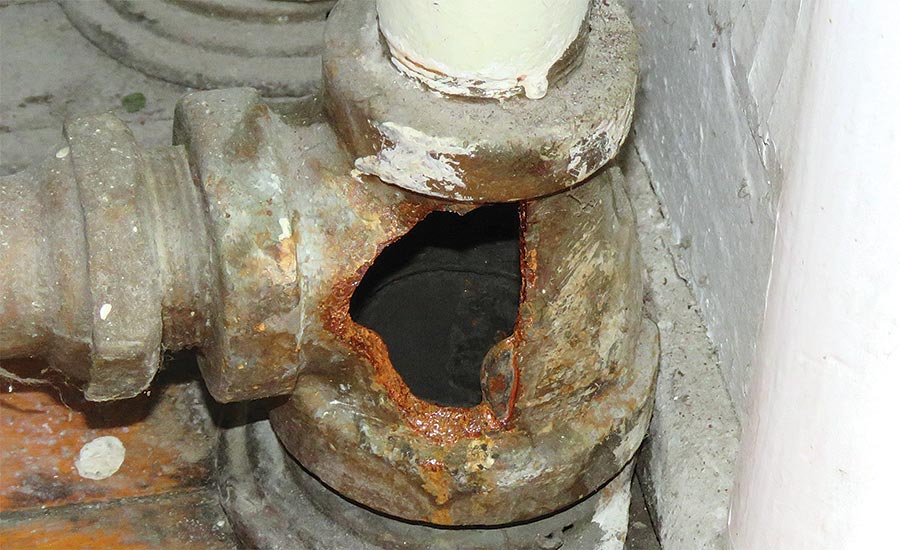
Frozen water inside PVC pipes expands and puts stress on the material. PVC is flexible but only up to a point. Excess pressure can cause pipes to crack or burst. Even small cracks lead to leaks that worsen over time. Leaks can damage walls, floors, and ceilings. They also cause mold growth and structural issues. Burst pipes create water floods that require immediate attention.
Cost Implications Of Damage
Repairing burst or leaking PVC pipes can be very expensive. Costs include fixing the pipes and repairing water damage. Sometimes, entire sections of plumbing need replacement. Water damage repairs can involve drywall, flooring, and furniture. Insurance may not cover all damages from frozen pipes. Preventing freezing can save thousands of dollars in repair bills.
Credit: www.pmmag.com
Preventing Freezing In Pvc Pipes
Freezing in PVC pipes can cause serious damage and disrupt water flow. Preventing freezing helps avoid costly repairs and water loss. Simple steps can keep pipes safe during cold weather. Proper care and preparation reduce the risk of frozen pipes.
Proper Insulation Techniques
Insulation is key to stopping pipes from freezing. Use foam pipe sleeves or fiberglass wrap to cover pipes. Focus on pipes in unheated areas like basements and crawl spaces. Seal gaps and cracks around pipes to keep cold air out. Insulation keeps warmth close to the pipe surface.
Using Heat Tape Or Cable
Heat tape or cable adds warmth directly to the pipe. Wrap the tape snugly around the pipe following the product instructions. Plug heat tape into a grounded outlet for safe use. Some heat cables turn on automatically when temperatures drop. This method provides extra protection during very cold nights.
Maintaining Adequate Water Flow
Moving water resists freezing better than still water. Let faucets drip slowly during freezing weather. Keep water flowing through pipes to reduce freeze risk. Open cabinet doors under sinks to let warm air circulate. These simple actions help prevent ice blockages in pipes.
Emergency Steps When Pipes Freeze
Frozen pipes can cause serious damage and disrupt water flow. Acting fast helps reduce risks and prevents pipe bursts. Knowing the right emergency steps is vital to protect your home and plumbing system. These steps focus on safe thawing and avoiding common errors that make the problem worse.
Safe Thawing Methods
Use a hairdryer or heat lamp to warm frozen pipes slowly. Start near the faucet and move toward the frozen section. Apply heat evenly, avoiding direct flame or high heat sources. Wrapping pipes with warm towels can also help thaw ice. Open faucets to let water flow as ice melts. This reduces pressure and speeds thawing. Keep the area well ventilated to avoid moisture buildup.
Avoiding Common Mistakes
- Never use an open flame like a blowtorch or lighter.
- Do not apply excessive heat; pipes can crack or burst.
- Avoid using electrical appliances near water or wet areas.
- Do not ignore slow leaks or bulging pipes; act quickly.
- Do not turn off the main water supply unless necessary.
Following these guidelines prevents further damage and keeps you safe. Quick, careful action minimizes repair costs and stress.
Credit: www.charlotteobserver.com
Long-term Maintenance Tips
Maintaining your PVC pipes over the long term is crucial to prevent freezing and damage. Simple, consistent care can save you from costly repairs and water disruptions. Here are key tips to help you keep your PVC pipes safe and functional through cold seasons and beyond.
Regular Inspections
Checking your PVC pipes regularly helps catch small problems before they become big. Look for cracks, brittleness, or signs of wear, especially in areas exposed to cold air. Pay close attention to outdoor pipes or those in unheated spaces like basements or crawl spaces.
Make it a habit to inspect pipes at least once every few months. During winter, increase the frequency to catch early signs of freezing or damage. Have you noticed any slow leaks or unusual sounds? These can be early warnings to address immediately.
Upgrading To Freeze-resistant Materials
If freezing is a frequent problem, consider switching to materials designed to handle cold better. Some PVC pipes come with enhanced flexibility or insulation to resist cracking when temperatures drop. These options may cost more upfront but often pay off by reducing repair needs.
Think about adding pipe insulation sleeves or heat tape for extra protection. These upgrades keep the water flowing smoothly and prevent ice blockages. Have you explored local suppliers for freeze-resistant pipe options? Sometimes small changes in material can make a big difference.
Frequently Asked Questions
Can Pvc Pipes Freeze In Cold Weather?
Yes, PVC pipes can freeze when temperatures drop below 32°F (0°C). Frozen water inside expands, risking pipe bursts. Proper insulation helps prevent freezing and protects plumbing.
How To Prevent Pvc Pipes From Freezing?
Insulate PVC pipes with foam sleeves or heat tape. Keep indoor temperatures above 55°F (13°C). Let faucets drip during extreme cold to reduce freezing risk.
What Happens If A Pvc Pipe Freezes?
Frozen water expands and can crack PVC pipes. This causes leaks and costly repairs. Prompt thawing and prevention are essential to avoid damage.
Are Pvc Pipes More Prone To Freezing Than Metal Pipes?
PVC pipes freeze easier due to poor heat conduction. Metal pipes conduct heat better, reducing freezing risk. Insulation is important for all pipe types.
Conclusion
PVC pipes can freeze in very cold weather. Frozen water inside pipes can cause cracks and leaks. Protect pipes by insulating them well. Keep water moving by letting taps drip slightly. Know the signs of frozen pipes early. Taking simple steps prevents costly repairs later.
Stay safe and keep your plumbing working smoothly.