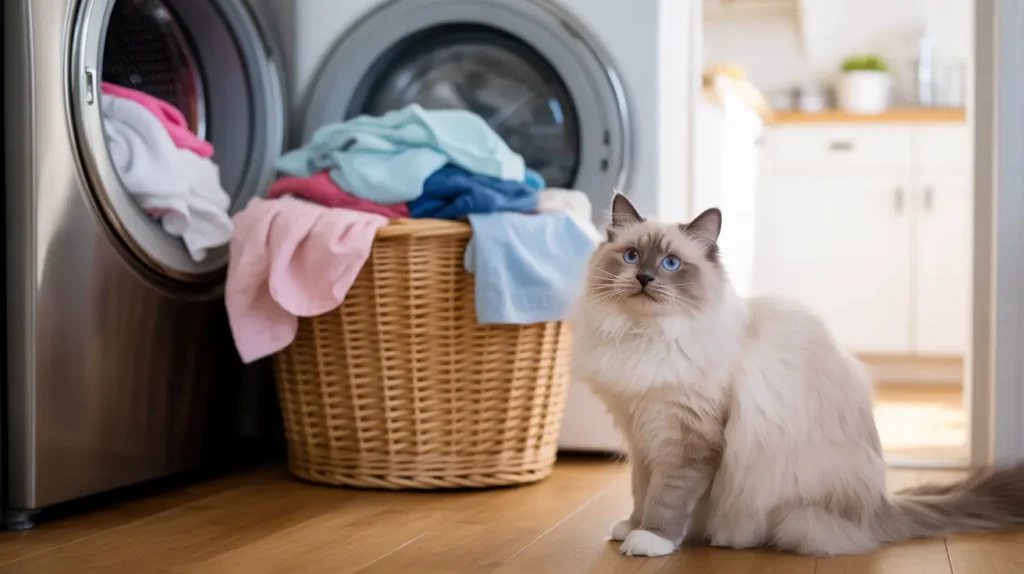
Are fleas invading your home and making life uncomfortable for you and your pets? You might be wondering if simply tossing your clothes and bedding into the washer and dryer is enough to get rid of these tiny pests.
It’s frustrating to deal with fleas, and you want a quick, effective solution you can trust. You’ll discover whether your washer and dryer can actually kill fleas and what else you might need to do to keep your home flea-free.
Keep reading to protect your family and regain peace of mind.

Credit: www.reddit.com
Flea Life Cycle And Habits
Fleas are tiny insects that can cause itching and discomfort. They live on animals and in homes. Understanding their life cycle helps control them.
Washing clothes and bedding may kill fleas on contact. But knowing where fleas hide and how they grow is important for full control.
Stages Of Flea Development
Fleas go through four main stages: egg, larva, pupa, and adult. Each stage lasts different times and needs certain conditions.
Adult fleas live on pets and bite to feed on blood. Eggs drop off into the environment. Larvae eat organic matter. Pupae wait in cocoons.
- Eggs: Tiny, white, and hard to see. They hatch in 2 to 14 days.
- Larvae: Small, worm-like, and avoid light. They grow by eating dirt and flea dirt.
- Pupae: In cocoons, waiting to become adults. This stage can last days or weeks.
- Adults: Jump on animals to feed. They can live for weeks to months.
Common Flea Hiding Spots
Fleas hide where animals rest and in warm, dark places. They avoid light and stay near food sources.
Washing bedding kills fleas on fabric. But fleas also live in carpets, cracks, and furniture.
- Pet bedding and blankets
- Carpets and rugs
- Cracks in floors and baseboards
- Upholstered furniture
- Under cushions and in pet hair
Impact Of Washer And Dryer On Fleas
Fleas can live on clothes, bedding, and pet items. Using a washer and dryer can help kill fleas and their eggs. Understanding how these appliances work against fleas is important.
Washing and drying use water, detergent, and heat. These factors affect flea survival differently. This guide explains the impact of each step on fleas.
Temperature Effects On Flea Eggs And Adults
Flea eggs and adults are sensitive to temperature. Hot water can kill flea eggs and adult fleas by damaging their bodies. Cold water alone usually does not kill them.
Water temperature above 120°F (49°C) is needed to kill most fleas. Lower temperatures may only reduce flea activity but not fully kill them.
- Hot water kills eggs and adults effectively
- Cold water washes fleas off but does not kill them
- Temperature needs to be consistently high for some minutes
Effectiveness Of Washing Cycles
Washing cycles remove fleas physically from fabrics. The soap and water loosen flea eggs and adults from the fibers. Longer washing cycles increase removal.
Fast or short washes may not fully remove fleas. Choosing a normal or heavy-duty cycle improves flea removal. Detergents also help break down flea eggs.
- Longer cycles remove more fleas
- Soap helps break flea eggs’ protective coating
- Rinsing removes dead fleas and eggs
Role Of Drying Heat
Dryers use heat that kills fleas left after washing. The hot air inside the dryer can kill fleas and their eggs quickly. Drying also dries out fleas, which harms them.
Heat from dryers is very effective when set on high heat. Drying for at least 30 minutes helps ensure fleas are killed. Air drying does not kill fleas.
- High heat kills fleas and eggs effectively
- Drying time should be at least 30 minutes
- Air drying does not kill fleas
Best Practices For Washing Infested Items
Fleas can hide in your clothes and bedding. Washing these items properly helps kill fleas and their eggs. Using the right methods in your washer and dryer is important for control.
This guide covers sorting laundry, water temperature, detergents, and drying settings to remove fleas effectively.
Sorting And Preparing Laundry
Sort laundry by fabric type and washing instructions. Separate heavily infested items from lightly soiled ones. Shake out clothes and bedding outside before washing to remove loose fleas and dirt.
- Place heavily infested items in sealed bags before transport
- Use gloves to avoid flea bites when handling laundry
- Check pockets and seams for fleas or eggs
Optimal Water Temperature And Detergents
Hot water kills fleas and their eggs better than cold water. Use the warmest water safe for the fabric. Add a strong detergent to remove flea residues and oils.
| Water Temperature | Effectiveness |
| Cold (below 80°F / 27°C) | Low flea kill rate |
| Warm (80-110°F / 27-43°C) | Moderate flea kill rate |
| Hot (above 110°F / 43°C) | High flea kill rate |
Drying Settings For Maximum Flea Control
Drying laundry on high heat finishes killing fleas. Fleas and their eggs cannot survive high temperatures for long. Use the longest drying cycle safe for your fabrics.
- Use high heat setting for at least 30 minutes
- Avoid air drying or low heat to prevent fleas from surviving
- Clean the dryer lint trap after to remove flea eggs
Limitations Of Washer And Dryer In Flea Control
Washing and drying clothes or bedding can kill some fleas. The heat from machines helps remove fleas and their eggs. Still, washers and dryers do not solve all flea problems.
Fleas live in many places, not just in washable items. Some things get damaged in the washer. This limits how much machines can help with flea control.
Items Not Suitable For Machine Washing
Some household items cannot be washed in machines. These include things that shrink, lose shape, or get damaged. Fleas can hide in these items, making control harder.
Examples of items not good for machine washing are:
- Delicate fabrics like silk or wool
- Stuffed toys and cushions
- Large rugs and carpets
- Leather and suede materials
- Items with glued parts or decorations
Fleas On Pets And In The Home Environment
Washing clothes does not affect fleas on pets. Fleas live on animals and in many home areas. Pets need special flea treatments to stop bites and infestations.
Fleas also hide in carpets, furniture, and cracks. Washing items alone cannot reach these places. Cleaning and pest control are needed for full flea removal.
Additional Pest Control Strategies
Washing clothes and bedding helps reduce fleas but does not kill all of them. Fleas hide in carpets, furniture, and pets. Using many ways together works best to control fleas.
Try cleaning, treating pets, and using safe chemicals to stop fleas from coming back. These steps keep your home and pets safe.
Vacuuming And Cleaning Techniques
Vacuum your floors, carpets, and furniture often to remove flea eggs and larvae. Fleas hide in places pets like to rest.
After vacuuming, throw away the vacuum bag or empty the canister outside. This stops fleas from coming back inside your home.
- Vacuum daily during flea outbreaks
- Focus on pet resting areas and corners
- Use a brush or comb on pet bedding
- Clean floors with a mop after vacuuming
Using Flea Treatments On Pets
Apply flea treatments to pets regularly. These stop fleas from biting and laying eggs on your pets.
Choose treatments made for your pet’s type and size. Ask a vet for advice if you are not sure which one to use.
- Spot-on treatments kill adult fleas
- Flea collars provide long-lasting protection
- Oral medicines stop flea growth
- Check pets often for flea signs
Environmental And Chemical Controls
Use flea sprays and powders in your home to kill fleas in carpets and furniture. Read instructions to use these safely.
Treat outdoor areas where your pets spend time. This helps stop fleas from coming into the house.
- Use insect growth regulators (IGRs) to stop eggs hatching
- Spray flea treatments on carpets and pet beds
- Apply outdoor pesticides to shady, moist areas
- Keep grass and bushes trimmed to reduce fleas
Credit: romneypestcontrol.com
Preventing Flea Infestations
Fleas can be a nuisance for both pets and humans. A few simple habits can help keep them away.
Learn how routine laundry, home maintenance, and pet care can prevent flea infestations effectively.
Routine Laundry Habits
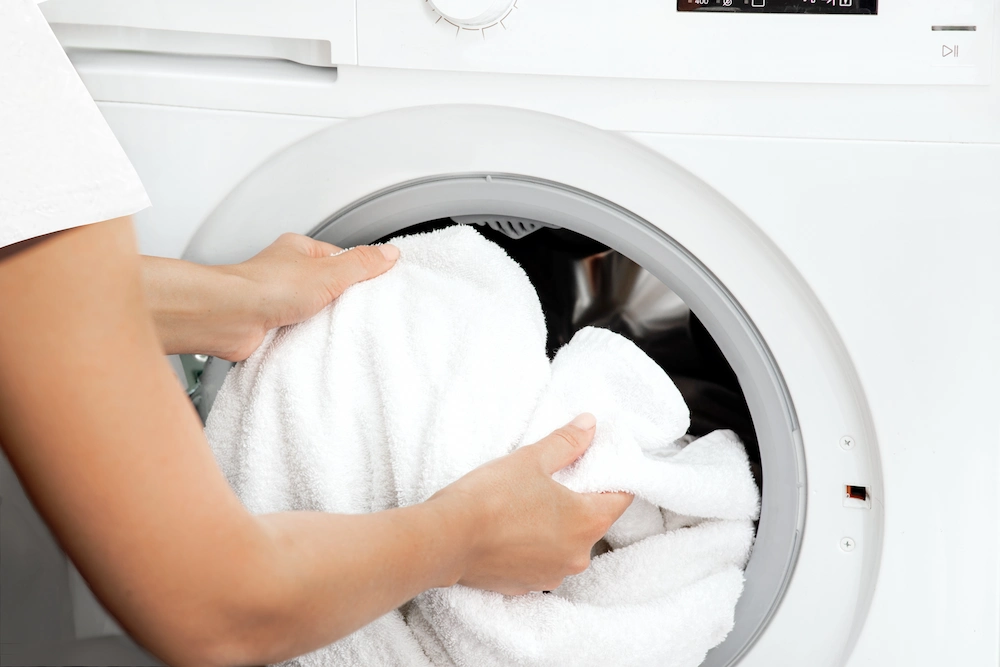
Regularly washing clothes and bedding can help control fleas. Use hot water to kill any flea eggs or larvae.
- Wash pet bedding weekly with hot water.
- Dry clothes on high heat to ensure fleas are killed.
- Use a laundry detergent that is effective against pests.
Home Maintenance Tips
Keeping your home clean is key to preventing fleas. Regular vacuuming and cleaning can help.
| Task | Frequency |
| Vacuum carpets and floors | Twice a week |
| Clean pet areas | Weekly |
| Wash curtains and fabrics | Monthly |
Pet Care And Flea Prevention
Proper pet care is essential to keep fleas at bay. Regular grooming and flea treatments work well.
Credit: www.standardtvandappliance.com
Frequently Asked Questions
Will Washing Clothes Kill Fleas Effectively?
Yes, washing clothes in hot water kills fleas and their eggs. Use water temperature above 130°F to ensure effectiveness. Hot water combined with detergent removes fleas from fabrics completely.
Can The Dryer Heat Eliminate Fleas From Laundry?
The dryer’s heat can kill fleas if set on high. Dry clothes for at least 30 minutes at high heat. This method complements washing to fully eradicate fleas from fabrics.
Are Cold Washes Ineffective Against Fleas?
Cold water washing does not kill fleas effectively. Fleas and eggs survive cold water temperatures. For flea removal, use hot water and high-heat drying instead.
How To Prevent Flea Reinfestation After Laundry?
Clean your pet’s bedding and vacuum floors regularly. Treat pets with flea control products recommended by vets. Wash and dry infested fabrics frequently to break flea life cycles.
Conclusion
Washing and drying clothes can help reduce fleas. Hot water and heat kill many flea eggs and larvae. But this method does not remove all fleas completely. Fleas can hide in carpets, furniture, and pet fur. Use other flea treatments for best results.
Clean your home often to stop fleas from spreading. Treat your pets regularly to keep fleas away. Combining washing with other steps gives you the best chance. Stay consistent and patient to control flea problems well.