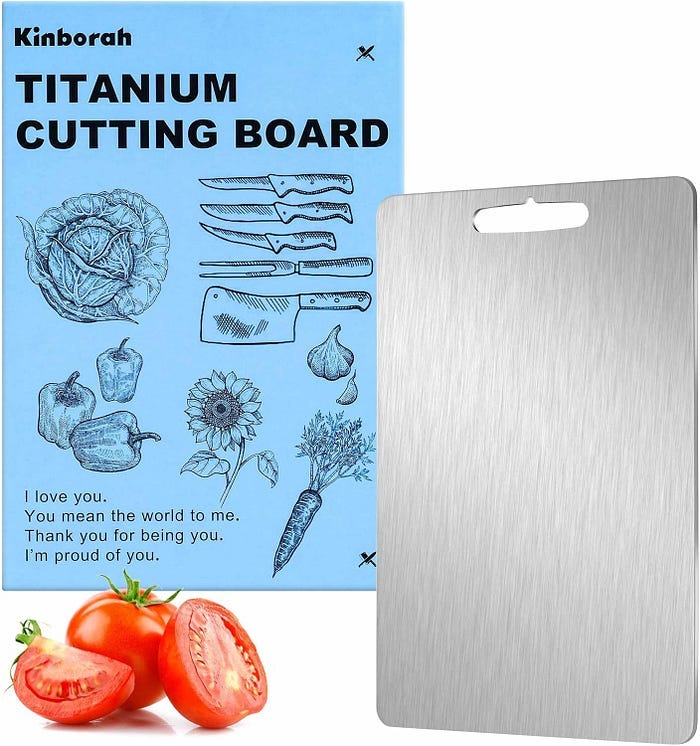
Are you worried that using a titanium cutting board might ruin your knives? You’re not alone.
Many people wonder if this strong, sleek material could dull their blades faster than traditional boards. The truth might surprise you. Understanding how titanium interacts with your knives can save you time, money, and frustration in the kitchen. Keep reading to find out if a titanium cutting board is the right choice for you—and how to keep your knives sharp no matter what surface you use.
Why Knife Dulling Matters
Using sharp knives makes cooking safer and easier. Dull knives can cause accidents and slow down food prep.
Knowing how dull knives affect your kitchen helps you keep them sharp. This improves your cooking experience.
Signs Of A Dull Knife
A dull knife does not cut food cleanly. It often slips or crushes the food instead of slicing it.
Here are common signs your knife needs sharpening:
- Knife needs more force to cut
- Food tears or squashes instead of clean cuts
- Blade slips off food while cutting
- Edges look worn or rounded
- Knife feels dull to touch
Impact On Cooking Experience
Dull knives make cooking harder and less safe. You spend more time and effort cutting food.
Using a dull knife can cause accidents. You may press harder and lose control of the blade.
- Slower meal preparation
- Uneven food pieces
- Increased risk of slipping and cuts
- Frustration while cooking
- More damage to food texture
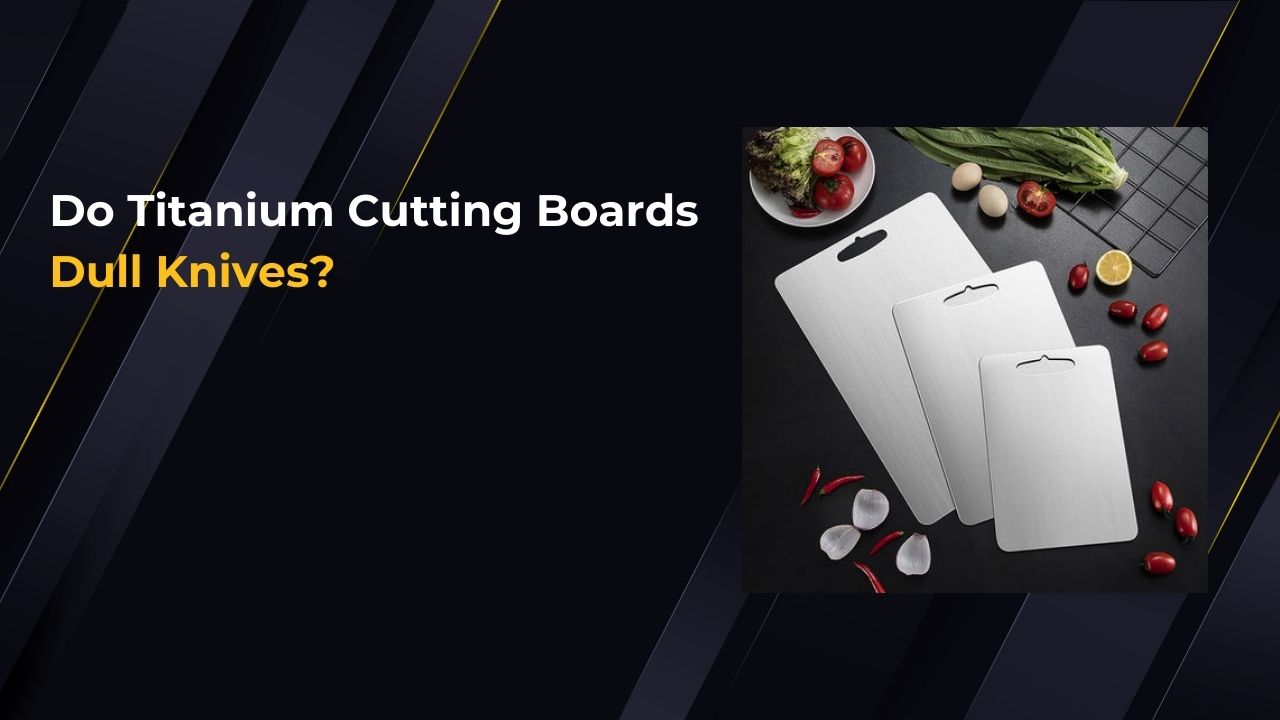
Credit: vocal.media
Material Matters In Cutting Boards
Choosing the right cutting board affects your knives and kitchen work. Different materials change how your knives stay sharp.
Some boards are gentle on blades, while others can dull them quickly. Let’s look at common materials and their effects.
Common Cutting Board Materials
Cutting boards come in many types. Each has unique features that affect your knives differently.
- Wood:Soft, kind to knives, and self-healing surface.
- Bamboo:Harder than wood, eco-friendly, but can wear knives faster.
- Plastic:Affordable and easy to clean, but may show knife marks.
- Glass:Very hard surface that dulls knives quickly.
- Composite:Made from resin and wood fibers, durable but can be tough on blades.
How Material Affects Knife Sharpness
Knife sharpness depends on how hard or soft the cutting board surface is. Hard surfaces wear down edges faster.
| Material | Effect on Knives | Durability |
| Wood | Gentle, keeps knives sharp longer | Moderate |
| Bamboo | Moderate wear, harder surface | High |
| Plastic | Fairly gentle, but cuts can leave marks | Moderate |
| Glass | Dulls knives quickly due to hardness | Very high |
| Composite | Can dull blades faster than wood | High |
Properties Of Titanium Cutting Boards
Titanium cutting boards are unique kitchen tools. They offer qualities different from wood or plastic boards.
Understanding their properties helps decide if they suit your kitchen needs.
Durability And Hardness
Titanium is a very strong metal. It resists dents and scratches well. This makes titanium boards last a long time.
- Titanium cutting boards do not break easily.
- They resist wear from knives better than many materials.
- Hardness helps prevent deep cuts that harbor bacteria.
- They remain flat and stable even after heavy use.
Surface Texture And Its Role
The surface texture of titanium boards affects knife sharpness. A very smooth surface may dull knives faster.
| Texture Type | Effect on Knives | Cleaning Ease |
| Polished Smooth | Can cause quicker dulling | Easy to clean |
| Matte Finish | Gentler on blades | May trap food particles |
| Textured Surface | Least impact on knives | Harder to clean |
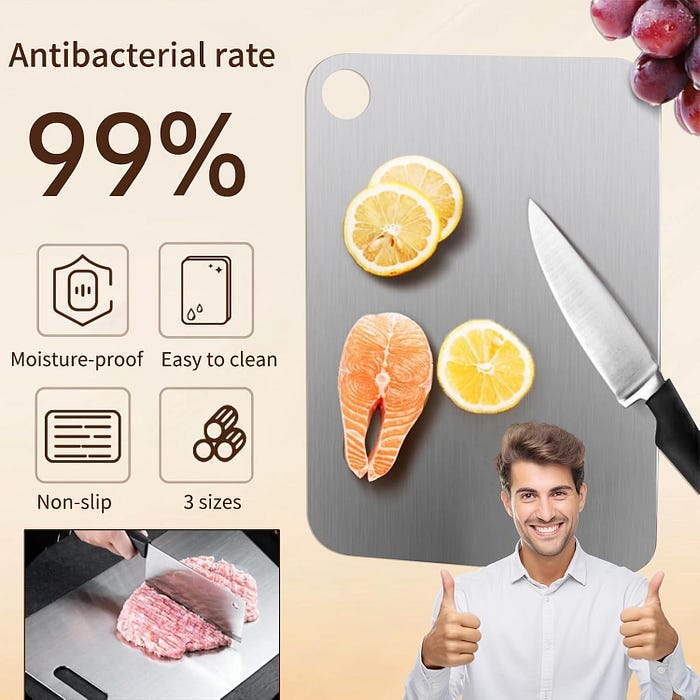
Credit: medium.com
Does Titanium Dull Knives?
Titanium cutting boards are popular for their strength and durability. Many wonder if these boards dull knives faster than other materials.
This article looks at science and user feedback to answer if titanium boards harm your knives.
Scientific Insights
Titanium is a very hard metal. It can be much harder than knife blades, especially those made from softer steel.
- Harder surfaces tend to wear down knife edges faster.
- Titanium’s hardness means it can cause more blade dulling than wood or plastic boards.
- However, the exact dulling rate depends on knife type and cutting style.
| Board Material | Hardness Level | Effect on Knives |
| Wood | Low | Gentle on blades |
| Plastic | Medium | Moderate dulling |
| Titanium | High | More blade wear |
User Experiences
Many users report that titanium boards feel tough on their knives. Some say they sharpen knives more often when using titanium boards.
Common user feedback includes:
- Increased knife dulling with regular use
- Preference for softer boards to protect blades
- Noticing scratches on blades after cutting on titanium
Comparing Titanium With Other Boards
Titanium cutting boards are known for their durability and unique material. This guide compares titanium boards to wood, plastic, and glass options. It looks at how each affects knife sharpness.
Understanding the differences helps you choose the best board for your kitchen and knives.
Wood Vs Titanium
Wood boards are gentle on knives and help keep them sharp longer. They have a natural surface that absorbs some impact from cutting. Titanium boards are harder and last much longer but can wear down knives faster.
- Wood is soft and kind to blades
- Titanium is very hard and scratch-resistant
- Wood may need more care and cleaning
- Titanium is easy to clean and very durable
Plastic Vs Titanium
Plastic boards are lightweight and inexpensive. They can dull knives faster than wood but less than glass. Titanium boards last longer but are much harder on knife edges than plastic.
| Board Type | Effect on Knives | Durability | Maintenance |
| Plastic | Moderate dulling | Medium | Easy |
| Titanium | High dulling | Very high | Easy |
Glass Vs Titanium
Glass boards are very hard and smooth but cause knives to dull quickly. Titanium is also very hard but less slippery. Both can harm knife edges faster than wood or plastic.
- Glass causes quick dulling due to hardness and smoothness.
- Titanium is hard but offers better grip than glass.
- Both are less gentle compared to wood and plastic.
Tips To Protect Knives On Any Board
Many people wonder if titanium cutting boards will dull knives faster. The truth is, any hard surface can affect your knife blades over time. Protecting your knives helps them stay sharp longer.
Using the right cutting techniques and caring for your knives properly can reduce dulling. These tips work on all cutting boards, including titanium.
Proper Cutting Techniques
How you cut affects your knife’s sharpness. Avoid cutting with force or using a sawing motion on hard boards. Let the knife do the work.
Use a gentle rocking or slicing motion. This helps prevent the blade from hitting the board too hard.
- Hold the knife firmly and cut with control
- Use a smooth, even slicing motion
- Avoid chopping straight down with force
- Don’t twist the blade while cutting
Maintenance And Care
Keeping your knives clean and sharp protects them. Wash knives by hand with mild soap and dry them immediately. Avoid the dishwasher.
Regularly sharpen your knives with a sharpening stone or tool. Use a honing rod between sharpenings to keep edges aligned.
- Clean knives right after use
- Dry knives completely to prevent rust
- Sharpen knives when you feel dullness
- Hone knives weekly for edge upkeep
Choosing The Right Cutting Board For You
Picking the right cutting board matters for your knives and cooking. The wrong board can dull your knives quickly. It also affects how easy it is to prepare food.
Here, we look at how to balance durability with knife care. We also consider how your cooking style affects your choice.
Balancing Durability And Knife Care
Hard cutting boards last longer but can damage knives faster. Softer boards protect knives but may wear out quickly. You need a board that fits your use and keeps knives sharp.
| Material | Durability | Knife Friendliness | Maintenance |
| Wood | Medium | High | Oil regularly |
| Bamboo | High | Medium | Oil regularly |
| Plastic | Medium | Medium | Dishwasher safe |
| Glass | High | Low | Easy clean |
| Titanium | Very High | Low | Wipe clean |
Considering Your Cooking Style
Your cooking habits affect which board fits best. Think about how often you cook and what foods you prepare most. Choose a board that matches your needs for ease and safety.
- If you chop vegetables daily, choose a soft wood or plastic board.
- For heavy meat cutting, a durable bamboo board works well.
- Glass or titanium boards suit rare use and easy cleaning.
- Consider size: big boards help with large meals, small boards save space.
- Look for boards with juice grooves if you cut juicy foods often.
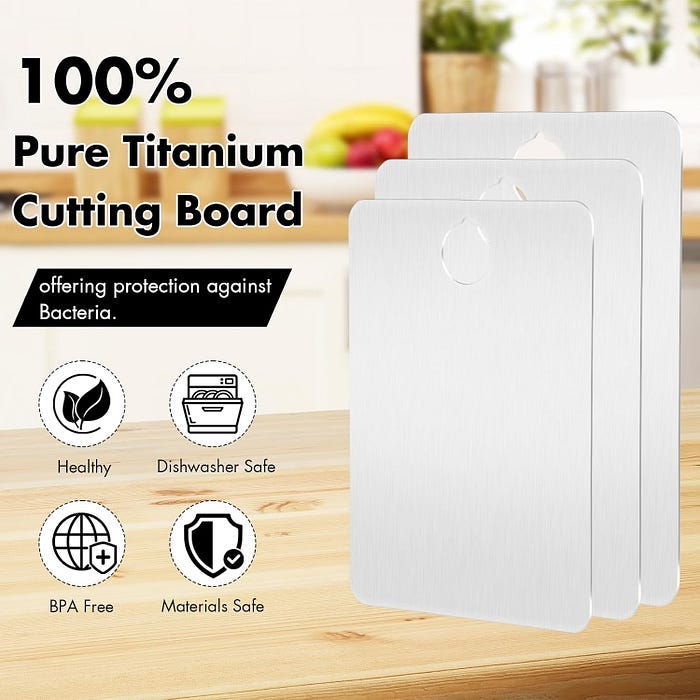
Credit: medium.com
Frequently Asked Questions
Does A Titanium Cutting Board Dull Knives?
Titanium cutting boards are known for their durability. However, they can dull knives over time due to their hard surface. Using a softer cutting board, like wood or plastic, can help maintain your knife’s sharpness longer.
Are Titanium Cutting Boards Better Than Wooden Ones?
Titanium cutting boards offer exceptional durability and are hygienic. However, wooden boards are gentler on knives and provide better cutting control. The choice depends on your priorities: durability or knife preservation.
How Do Titanium Cutting Boards Affect Knife Lifespan?
Titanium cutting boards are very hard, which can lead to faster knife dulling. Regular maintenance and sharpening can help extend your knife’s lifespan. Consider alternating with softer boards to minimize wear.
What Are The Benefits Of Titanium Cutting Boards?
Titanium cutting boards are highly durable, resistant to stains, and easy to clean. They’re ideal for heavy-duty use and maintain a sleek appearance. However, they might not be the best for preserving knife sharpness.
Conclusion
Titanium cutting boards do not dull knives quickly. Their surface is hard but gentle enough for blades. Regular care keeps knives sharp for longer. Choose the right cutting board to protect your tools. A good board helps maintain your knife’s edge.
So, titanium boards can be a smart choice. They offer durability without harming your knives. Remember, proper knife use matters most for sharpness.