Are you worried that using a titanium cutting board might ruin your knives? You’re not alone.
Many people wonder if this tough, shiny material will dull their blades faster than traditional boards. Understanding how different cutting boards affect your knives can save you money and keep your kitchen tools sharp longer. You’ll discover the truth about titanium cutting boards and whether they’re the right choice for your kitchen.
Keep reading to protect your knives and make smarter cooking decisions.
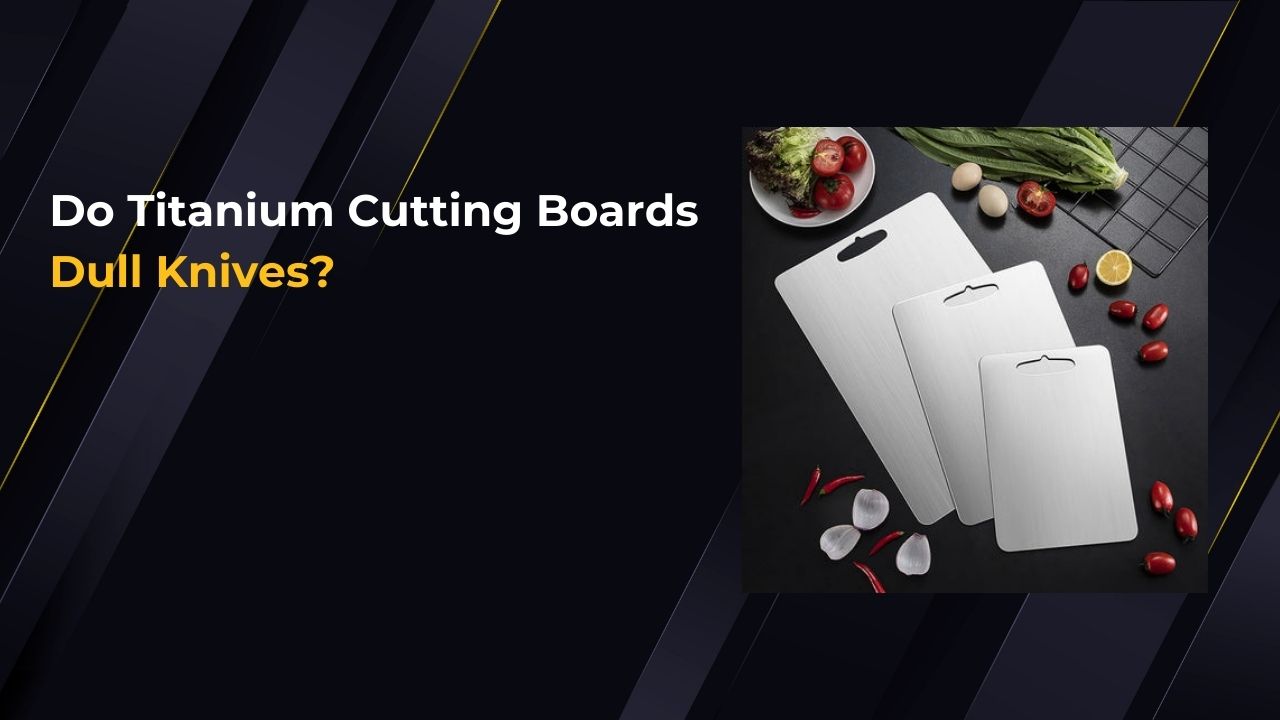
Credit: vocal.media
Titanium Cutting Boards Basics
Titanium cutting boards are a unique choice for kitchens. They use titanium metal or alloys for the board surface.
People often wonder if these boards dull knives faster than other materials.
Material Properties
Titanium is a strong and lightweight metal. It resists rust and corrosion very well. The surface is hard and smooth, making it durable.
- Very hard but not as hard as steel blades
- Non-porous surface
- Resistant to stains and bacteria
- Lightweight compared to other metals
- Does not absorb water or odors
Common Uses In Kitchens
Titanium cutting boards suit specific kitchen needs. They are not common like wood or plastic boards.
| Use | Benefit |
| Food prep for acidic ingredients | Resists corrosion and does not react |
| Cutting meats and vegetables | Easy to clean and hygienic surface |
| Outdoor and camping use | Lightweight and durable for travel |
| Knife sharpness concerns | May dull knives faster than wood but less than glass |
Knife Dulling Factors
Knives lose their sharpness for different reasons. Understanding these helps keep blades sharp longer.
Two main factors affect how fast knives dull: blade material and the cutting surface used.
Blade Material And Sharpness
The type of metal and its hardness affect how a knife holds its edge. Softer metals dull faster.
- Stainless steel blades resist rust but may dull quickly.
- High-carbon steel stays sharper longer but needs more care.
- Ceramic blades are very hard but can chip easily.
- Blade sharpness at purchase impacts how soon it will dull.
Cutting Surface Impact
The surface you cut on affects blade wear. Hard surfaces cause faster dulling.
| Cutting Surface | Effect on Knife |
| Glass or Marble | Very fast dulling, damages edge |
| Granite | Fast dulling, rough on blade |
| Wood | Gentle on blade, slows dulling |
| Plastic | Soft surface, better for knife edge |
How Titanium Affects Knives
Titanium cutting boards are popular for their durability and light weight. Many wonder if they will dull knives faster than other materials.
This article explains how titanium affects the sharpness and wear of your knives.
Hardness Comparison
Titanium is very hard but softer than many knife blades. This difference matters for edge damage.
| Material | Hardness (Mohs Scale) |
| Titanium | 6 |
| Stainless Steel Knife Blade | 7 to 8.5 |
| Ceramic Knife Blade | 8.5 to 9 |
| Wood Cutting Board | 2 to 3 |
| Plastic Cutting Board | 2 to 4 |
Edge Wear And Tear
Titanium boards can cause edge wear in some cases. This depends on knife type and use.
- Hard titanium can create small chips on very soft blades.
- Stainless steel knives usually stay sharper longer on titanium.
- Repeated cutting on titanium may dull edges faster than wood or plastic.
- Proper knife care reduces dulling regardless of board material.
- Using a titanium board for heavy chopping may increase blade wear.
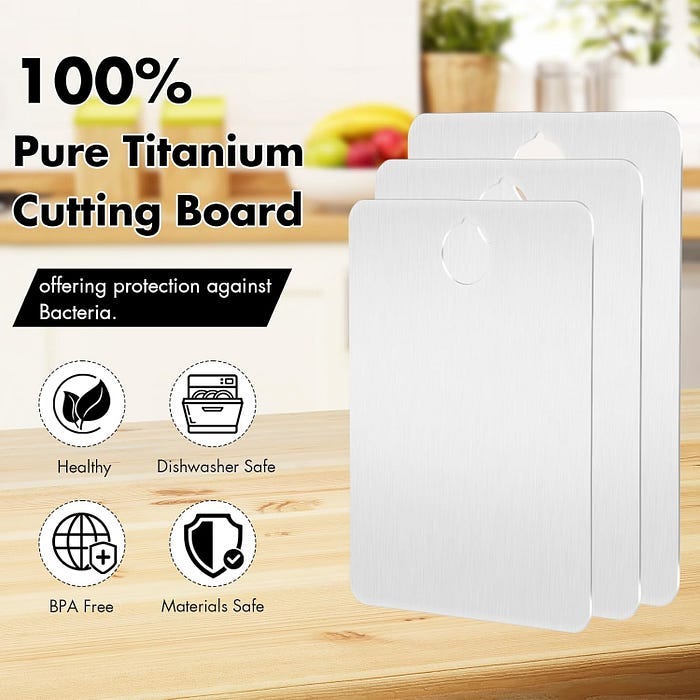
Credit: medium.com
Expert Opinions On Titanium Boards
Titanium cutting boards have gained attention in kitchens. Many wonder if they dull knives faster than other boards.
This article shares expert opinions on how titanium boards affect knife edges and their use in professional cooking.
Professional Chef Insights
Many chefs have tested titanium cutting boards in busy kitchens. Some say these boards feel very hard under knives.
- Chefs report that titanium boards can cause quicker dulling compared to wood or plastic.
- Some believe the metal surface is too tough, wearing down knife edges fast.
- Others note that titanium boards do not absorb moisture, which can affect knife control.
- Many chefs prefer softer boards to keep their knives sharp longer.
Knife Manufacturer Views
Knife makers often warn about hard surfaces that reduce blade life. They share data on titanium board effects.
| Board Material | Effect on Knife Edge | Recommended Use |
| Wood | Gentle, preserves sharpness | Most kitchen tasks |
| Plastic | Moderate wear | Everyday cutting |
| Titanium | High wear, dulls knives faster | Specialty uses only |
Alternatives To Titanium Boards
Titanium cutting boards are very hard and long-lasting. They can dull knife edges faster than softer surfaces. Choosing the right board helps keep knives sharp longer.
Many materials work well as cutting boards. They protect your knives and offer good durability. Here are two popular options to consider.
Wooden Cutting Boards
Wooden boards are gentle on knife blades. They have a natural surface that is easy on edges. Woods like maple and walnut are common choices.
Wood also absorbs some knife impact, which helps keep knives sharp. These boards need regular oiling to stay in good shape.
- Soft on knives, reduces dulling
- Natural and eco-friendly
- Needs cleaning and oiling
- Can last many years with care
Plastic And Composite Options
Plastic boards are lightweight and easy to clean. They come in many colors and sizes. Plastic is softer than titanium, so it protects knives well.
Composite boards mix materials like wood fibers and resin. They are tough but still kind to knife edges. These boards resist water and stains better than wood.
- Plastic is dishwasher safe
- Composite boards resist stains
- Both are gentle on knives
- Plastic may wear faster than wood
Maintaining Knife Sharpness
Titanium cutting boards are strong and durable. Some wonder if they dull knives quickly.
Keeping knives sharp depends on how you use and care for them. This guide helps you maintain sharp blades.
Proper Cutting Techniques
Using the right cutting method protects your knife edges. Avoid pressing too hard or cutting on hard surfaces.
Cut with a smooth slicing motion. Do not chop straight down on the board.
- Use a gentle rocking motion with the knife
- Avoid cutting frozen or very hard items directly on the board
- Do not use the knife tip for heavy tasks
- Keep the board stable to prevent slips
Regular Sharpening Tips
Sharp knives work better and are safer. Sharpen them regularly to keep the edge strong.
Use a sharpening stone or a good quality sharpener. Follow the tool instructions carefully.
- Sharpen knives every few weeks or when dull
- Hone the blade with a steel rod between sharpenings
- Clean and dry knives before sharpening
- Store knives safely to protect the edge

Credit: medium.com
Frequently Asked Questions
Do Titanium Cutting Boards Dull Knives Quickly?
Titanium cutting boards are gentle on knives. They are less likely to dull knives compared to harder surfaces. Titanium’s non-abrasive nature helps maintain knife sharpness longer. However, regular maintenance and proper cutting techniques are still essential. Always consider the knife’s material and care routine for optimal performance.
Are Titanium Boards Safe For All Knife Types?
Yes, titanium boards are generally safe for most knife types. Their non-abrasive surface minimizes damage to knife edges. However, specialized knives might require specific boards for optimal use. Always check knife manufacturer guidelines. Proper maintenance ensures long-lasting knife and board performance.
How Durable Are Titanium Cutting Boards?
Titanium cutting boards are highly durable and resistant to wear. They withstand regular use without significant damage. Their durability makes them a long-term kitchen investment. However, proper care is essential to maintain their longevity. Cleaning and storage play crucial roles in preserving their condition.
What Are The Benefits Of Titanium Cutting Boards?
Titanium cutting boards offer several benefits, including durability and knife-friendliness. They resist scratches and stains, maintaining a clean appearance. Their lightweight nature adds to ease of use. Additionally, they are hygienic and easy to clean, making them a convenient kitchen choice.
Conclusion
Titanium cutting boards do not dull knives quickly. Their smooth surface helps keep blades sharp longer. Wood and plastic boards may wear knives faster. Choosing the right board matters for knife care. Regularly sharpening knives is still important. Titanium boards offer durability and gentle cutting.
They suit many kitchen tasks well. Consider your needs before buying any board. Protect your knives with proper cutting surfaces. A good board keeps your knives ready.