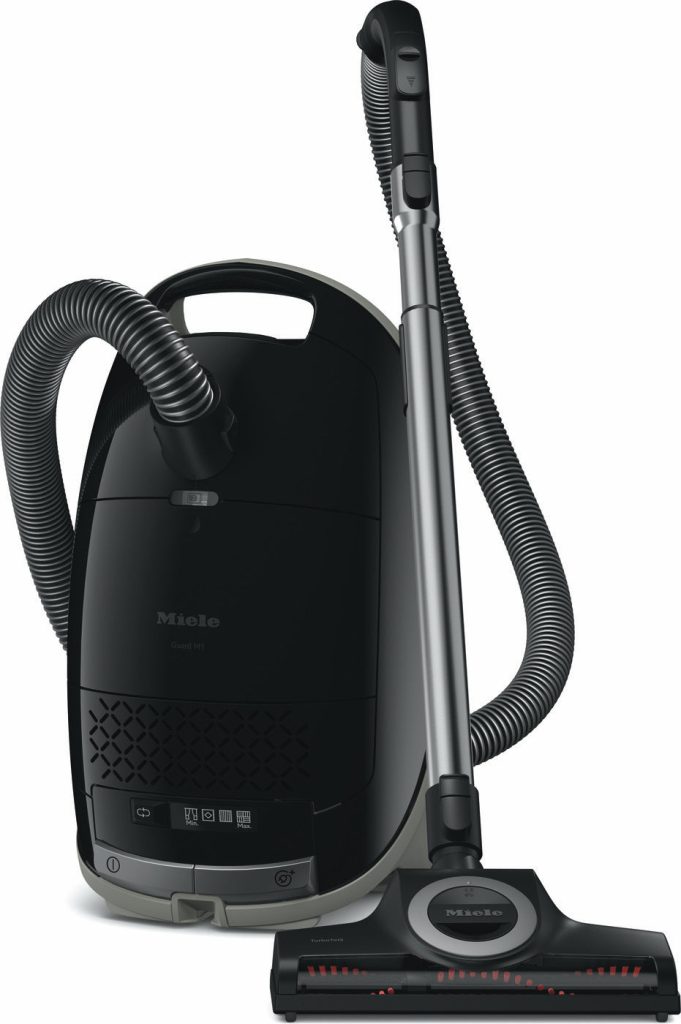
Have you ever spotted a spider skittering across your floor and wondered if your trusty vacuum cleaner could be the hero you need? You’re not alone.
Many people reach for the vacuum in hopes of a quick and easy solution to their eight-legged intruders. But does this method actually work? Will vacuuming truly end your spider troubles, or is it just a temporary fix? Before you decide to tackle your arachnid adversaries with a roar of suction, let’s dive into the truth behind this common household tactic.
Stick around to uncover whether your vacuum is a spider slayer or if you might need to consider alternative methods. Your peace of mind might just depend on it!
Vacuuming Spiders: Does It Work?
Wondering if vacuuming spiders is an effective way to get rid of them? Many people reach for the vacuum cleaner as a quick fix, hoping it will eliminate the creepy crawlies instantly. But does sucking them up really work, and what happens to the spiders afterward?
How Vacuums Affect Spiders
When you vacuum a spider, the suction force pulls it into the vacuum bag or canister. This sudden change can injure or kill some spiders, especially if the vacuum is powerful and the spider is fragile. However, not all spiders die immediately; some can survive the trip inside the vacuum, hiding in dust and debris.
Have you ever noticed spiders crawling out of your vacuum after you’ve cleaned? This shows that vacuuming doesn’t guarantee their death. The vacuum acts more like a temporary trap rather than a definitive solution.
Limitations Of Vacuuming
Vacuuming spiders has its limits. It only works well if you catch the spider directly. Spiders hiding in cracks or webs might not get vacuumed easily. Also, spiders with strong exoskeletons can survive the vacuum’s suction and live to crawl another day.
Another downside is that vacuuming doesn’t remove spider eggs effectively. Egg sacs can stay hidden in corners or furniture, leading to more spiders later on. So, relying solely on a vacuum might not solve your spider problem entirely.
Types Of Vacuums To Use
Not all vacuums perform the same when it comes to spiders. Bagged vacuums can trap spiders more securely, reducing the chance of them escaping. On the other hand, bagless models might allow spiders to move around inside the canister, increasing the risk of them getting loose.
Handheld vacuums are convenient for quick spider pickups but often lack strong suction, possibly letting spiders survive. Powerful upright or shop vacuums offer better suction but can be noisy and harder to maneuver around delicate spots.
- Bagged Vacuum:Best for trapping spiders securely.
- Bagless Vacuum:Easier to clean but spiders might escape.
- Handheld Vacuum:Good for small jobs but less powerful.
- Shop Vacuum:Strong suction but bulky and loud.
Safe Removal Techniques
Removing spiders safely is essential if you want to avoid harming them or yourself. It’s not just about getting rid of an unwanted guest but doing it in a way that respects the creature and maintains your peace of mind. Here are some practical techniques you can try using tools you likely already have at home.
Using Vacuum Attachments
Vacuuming spiders can be quick and effective, but using the right attachments makes all the difference. A hose with a soft brush or a narrow nozzle helps you reach corners without crushing the spider.
Try setting the vacuum on low suction to avoid injuring it. Once captured, empty the contents outside immediately to release the spider safely. Have you ever noticed how a gentle touch works better than force in these situations?
Alternative Tools For Spider Removal
If you’re not comfortable with a vacuum, simple tools like a glass and a stiff piece of paper can do the trick. Trap the spider under the glass, then slide the paper underneath to lift it.
This method lets you relocate the spider outdoors without causing harm. Other handy items include soft brushes or small containers, which provide control and minimize risk to both you and the spider.
Handling Spiders Without Harm
Handling spiders gently is key to safe removal. Wear gloves if you feel uneasy, but avoid sudden movements that might startle the spider into biting or escaping.
Ask yourself: what’s the best way to stay calm and steady? Slow, deliberate actions help you keep control and protect the spider. This respect for the creature can change how you feel about sharing your space with them.
Preventing Spider Infestations
Preventing spider infestations is a smart way to keep your home comfortable and spider-free without relying solely on vacuuming or chemical treatments. Taking proactive steps helps stop spiders before they settle in, saving you time and stress.
Sealing Entry Points
Spiders often enter through tiny cracks around windows, doors, and foundations. Check your home carefully and seal any gaps with caulk or weatherstripping.
Don’t overlook areas where pipes or wires enter walls. Blocking these entry points reduces the chances of spiders sneaking inside unnoticed.
Reducing Attractants
Spiders come looking for food, so controlling insects is key. Use yellow outdoor lights that attract fewer bugs to keep your porch spider-free.
Keep vegetation trimmed away from your home’s exterior since dense plants provide hiding spots for both spiders and their prey.
Maintaining Clean Spaces
Spiders love cluttered, dusty areas where they can build webs undisturbed. Regularly vacuum corners, baseboards, and behind furniture to remove webs and egg sacs.
Also, avoid piling up newspapers, boxes, or laundry on the floor. A clean, organized space offers fewer hiding places and makes your home less inviting to spiders.

Credit: www.angi.com
Natural Remedies Against Spiders
Natural remedies offer safe and effective ways to keep spiders away. These options use common ingredients and plants to create a spider-free environment. They avoid harmful chemicals and make your home more comfortable.
Essential Oils That Repel Spiders
Certain essential oils have strong scents that spiders dislike. Use these oils to create sprays or place drops near spider entry points.
- Peppermint oil works well to repel spiders.
- Lavender oil has a calming scent but keeps spiders away.
- Tea tree oil disrupts spiders’ senses.
- Eucalyptus oil also helps in spider control.
Mix a few drops of essential oil with water in a spray bottle. Spray around windows, doors, and corners to deter spiders.
Homemade Spider Deterrents
Simple household items can create effective spider repellents. These mixtures are easy to make and safe for pets and kids.
- Vinegar mixed with water makes a strong spider spray.
- Soap and water solution can break down spider webs.
- Citrus peels placed in corners repel spiders naturally.
- Salt sprinkled near entryways discourages spider presence.
Apply these remedies regularly to keep spiders from settling in your home.
Plants That Keep Spiders Away
Certain plants emit scents that spiders avoid. Planting or placing these indoors helps reduce spider visits.
- Mint is a fragrant plant spiders dislike.
- Rosemary works both as a spice and spider repellent.
- Lavender adds beauty and keeps spiders away.
- Citronella plants repel many insects, including spiders.
Place pots near windows or entry points to block spider access.
When To Call Professional Pest Control
Knowing when to call professional pest control is important for managing spider problems. Vacuuming can remove some spiders, but it may not stop a large infestation. Professionals offer safe and effective solutions for spider control. They help protect your home and health from potential risks caused by spiders.
Signs Of Severe Infestations
- Seeing many spiders daily in different areas
- Finding spider webs in corners, windows, and ceilings
- Noticing egg sacs or spiderlings around the house
- Experiencing spider bites or allergic reactions
- Spiders returning quickly after cleaning or vacuuming
Benefits Of Expert Services
- Use of safe, effective pest control products
- Identification of spider species and habits
- Targeted treatment to remove spiders and eggs
- Advice on preventing future infestations
- Less risk of spider bites and damage
Choosing The Right Pest Control Company
- Check for proper licenses and certifications
- Read reviews and ask for recommendations
- Ensure the company offers spider-specific treatments
- Compare prices and service guarantees
- Confirm safe practices for pets and children

Credit: www.reddit.com
Credit: us.narwal.com
Frequently Asked Questions
Will Vacuuming Kill A Spider Instantly?
Vacuuming can kill some spiders by suction or impact, but it may not always be instant. Some survive the process and escape.
Can Spiders Survive Inside A Vacuum Cleaner?
Yes, many spiders can survive inside vacuums if not bagged or emptied immediately. They may live for days in debris.
Is Vacuuming A Safe Spider Removal Method?
Vacuuming is a safe, chemical-free way to remove spiders without direct contact or harm to humans.
Does Vacuuming Affect Spider Eggs Or Webs?
Vacuuming can remove spider eggs and webs, but some eggs may remain and hatch later if not fully cleaned.
Conclusion
Vacuuming can catch spiders quickly and cleanly. It may not always kill them instantly. Some spiders might survive and crawl away later. Using a vacuum is a safe way to remove spiders without touching them. Still, you might want to check the vacuum bag or container after use.
Spider control works best with clean spaces and sealing entry points. This helps keep spiders out for longer. Vacuums help, but they are one part of spider management. Keep your home tidy and watch for spider signs often.