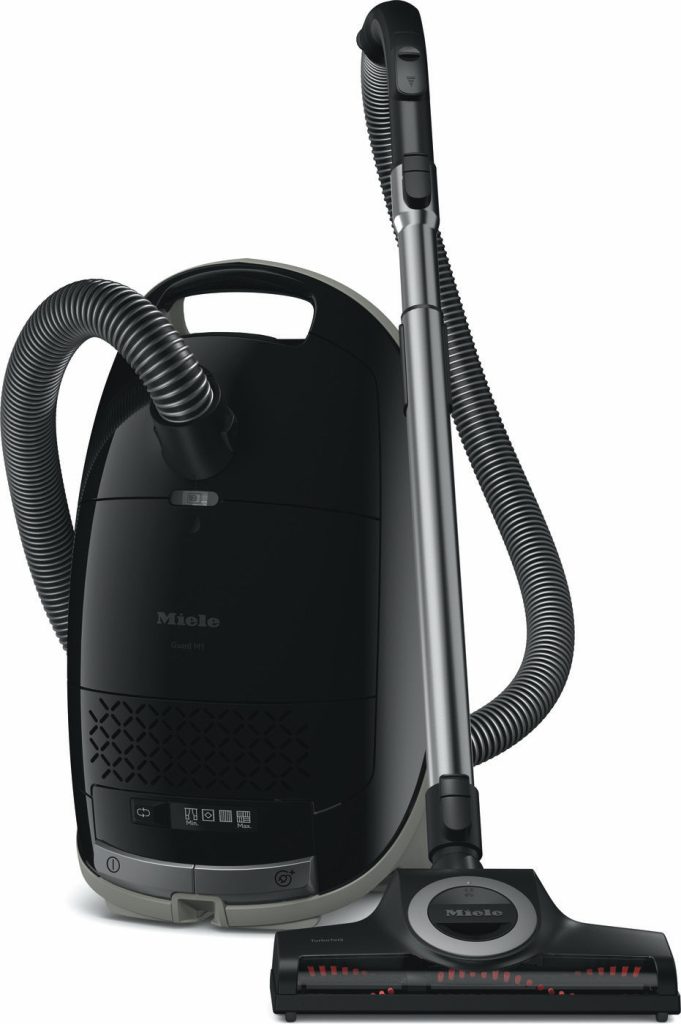
Have you ever found yourself face to face with an uninvited eight-legged guest and wondered if your trusty vacuum could solve the problem? You’re not alone.
Many people reach for their vacuum cleaner in a moment of panic, hoping to quickly and cleanly rid their homes of spiders. But does vacuuming a spider really kill it? Before you grab that vacuum hose, you might want to know the truth.
Understanding what happens when you suck up a spider could change the way you handle these unexpected encounters. Dive into this article to discover whether this popular method is effective or if you need to rethink your spider strategy. You’ll be surprised by what you learn!

Credit: www.angi.com
Spider Behavior And Survival
Understanding how spiders behave and survive can help you decide the best way to deal with them. Spiders have unique reactions to danger and their bodies are built to endure tough situations. Knowing these details gives you insight into whether vacuuming a spider will truly end its life or just send it running.
How Spiders React To Threats
Spiders rely heavily on their instincts when faced with danger. Instead of attacking, most spiders try to escape immediately. They can sense vibrations and sudden movements, prompting a quick retreat to hiding spots.
Some spiders freeze in place, hoping to avoid detection. Others may drop from their web or jump away. This quick response often means a spider can survive a vacuum encounter if it isn’t sucked in right away.
Spider Anatomy And Durability
Spiders have tough exoskeletons made of chitin, which protect their soft insides. This outer shell offers some resistance against physical damage. However, the strength varies between species—larger spiders tend to have more durable bodies.
Vacuum suction can cause injury or death, but spiders might survive if the vacuum is weak or the spider is stuck in a corner. Their small size and flexible legs sometimes allow them to squeeze out of tight spaces inside the vacuum nozzle.
Have you ever wondered why some spiders seem so hard to catch or kill? Their body design and quick reactions make them surprisingly resilient. Next time you consider using a vacuum, think about whether you’re actually ending the spider’s life or just relocating a survivor.
Vacuuming Spiders: What Happens?
Vacuuming spiders is a common quick fix for many who spot these eight-legged visitors indoors. But what exactly happens to a spider once it gets sucked into your vacuum cleaner? Understanding this can help you decide if vacuuming is the right approach or if there’s a better way to handle your spider encounters.
Effect Of Vacuum Suction On Spiders
When you vacuum a spider, the suction force pulls it off surfaces with surprising speed. This sudden removal can injure the spider immediately, especially if it hits the vacuum hose or gets tangled in debris.
However, the level of damage depends on your vacuum’s power and the spider’s size. High-powered vacuums often cause fatal injuries, while gentler models might only trap the spider without killing it.
Have you ever noticed the difference in spider remains after vacuuming with different machines? It’s not just about killing but also about what happens next inside the vacuum.
Can Spiders Survive Inside The Vacuum?
Many people assume spiders die instantly once vacuumed. But spiders are surprisingly resilient creatures. Inside the vacuum bag or canister, they might survive for several hours or even days.
Factors like lack of oxygen, dehydration, and trapped dust affect their survival chances. Still, some spiders manage to cling to life, which means vacuuming doesn’t guarantee elimination.
Consider this: if a spider survives inside your vacuum, it could escape later when you empty it. This makes a strong case for using a sealed bag vacuum or immediately disposing of the contents outdoors.
Common Misconceptions
Many people believe vacuuming spiders instantly kills them. This is a common misconception that needs clarity. Understanding the real effects helps in managing spiders better and avoiding unnecessary fear.
Vacuuming As A Quick Kill Method
Vacuuming does not always kill spiders right away. The suction might injure or trap them inside the vacuum bag or canister. Some spiders survive and escape later. Vacuuming mainly removes spiders from visible areas but does not guarantee their death.
Impact On Spider Population
Vacuuming a spider here and there does not reduce the overall spider population significantly. Spiders reproduce quickly and are good at hiding. Removing one spider rarely stops others from appearing. Pest control needs more than just vacuuming to lower spider numbers.

Credit: www.gbnews.com
Safer Alternatives To Remove Spiders
Vacuuming a spider might seem like a quick fix, but it can be harsh and sometimes ineffective. If you want to avoid harming the spider or dealing with a clogged vacuum, there are gentler and safer ways to remove these critters from your home. These alternatives help you keep your space spider-free while respecting the little creatures.
Using Containers And Paper
One simple and humane way to catch a spider is by using a container and a piece of paper. Place a clear cup or jar over the spider calmly and slide a stiff piece of paper underneath to trap it inside.
Once secured, you can carry the spider outside and release it safely away from your home. This method avoids any harm and lets you control where the spider goes without any mess.
Natural Repellents And Prevention
Have you noticed that some smells keep spiders away? Essential oils like peppermint, eucalyptus, and tea tree oil are known to repel spiders naturally.
- Mix a few drops of these oils with water in a spray bottle and apply it around windows, doors, and corners.
- Keep your home clean and reduce clutter where spiders like to hide.
- Seal cracks and gaps in walls and around doors to block their entry.
These small changes can reduce spider visits without chemicals or harm. Have you tried any natural repellents before? You might find it surprising how effective they can be.
Cleaning The Vacuum After Spiders
Cleaning the vacuum after sucking up spiders is important. It stops spiders from escaping and keeps your home clean. Proper cleaning also removes any bad smells and dirt left behind. Taking a few simple steps helps keep your vacuum fresh and ready to use.
Preventing Spider Escape
Spiders can hide inside vacuum bags or containers. They may come out later if not trapped well. Empty the vacuum right after use. Seal the bag or container tightly before throwing it away. Use a vacuum with a sealed canister to trap spiders better. Check for cracks or openings where spiders might escape.
Maintaining Hygiene And Odor Control
Vacuuming spiders can leave behind dirt and odors. Clean the vacuum filter regularly to keep it fresh. Wash reusable vacuum parts with soap and water. Let them dry fully before putting them back. Use baking soda or vacuum fresheners to reduce bad smells. Regular cleaning prevents dust and allergens from building up inside.
Credit: www.gbnews.com
Frequently Asked Questions
Will Vacuuming A Spider Kill It Instantly?
Vacuuming can injure or kill spiders but not always instantly. Some spiders survive the suction and can escape afterward. Using a vacuum is not a guaranteed lethal method but may remove the spider from your home.
Can Spiders Survive Inside A Vacuum Cleaner?
Yes, some spiders can survive inside a vacuum cleaner. They may hide in the dust bag or canister until released. It is best to empty the vacuum immediately to prevent spiders from escaping back into your home.
Is Vacuuming Spiders A Safe Pest Control Method?
Vacuuming spiders is generally safe and chemical-free. It avoids harmful pesticides but might not fully eliminate spider infestations. For serious problems, consider professional pest control for effective spider removal.
What Happens To Spiders After Vacuuming?
Spiders inside the vacuum often suffer injury or death from suction and impact. However, some survive and can crawl out if the vacuum is not emptied promptly. Proper disposal of vacuum contents is essential to prevent spider return.
Conclusion
Vacuuming a spider often kills or injures it quickly. Many spiders do not survive the suction or impact inside the vacuum. Yet, some spiders might escape or hide in the vacuum bag. Using a vacuum can remove spiders fast but may not be the best way to handle them.
Consider other gentle methods to move spiders outside safely. Remember, spiders help control pests in your home. Choose the method that fits your comfort and needs best.