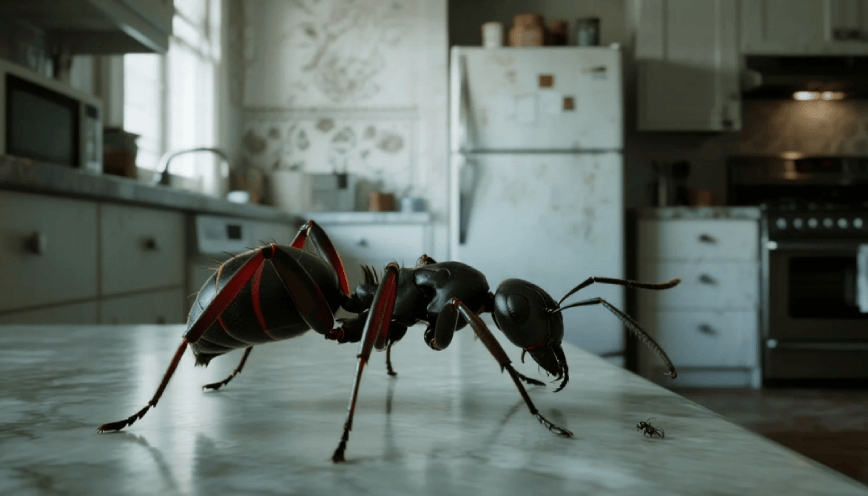
Are ants invading your home, and you’re wondering if vacuuming them up will solve the problem? You’re not alone.
Many people face this pesky issue and wonder about the most effective and humane solutions. The thought of a quick vacuuming session might seem like the perfect answer, but is it really that simple? We’ll dive into whether vacuuming ants actually kills them and what happens next.
By the end, you’ll have a clear understanding of this method and whether it’s the right choice for you. Stick around to uncover surprising insights that might change the way you tackle your ant problem.
How Vacuums Affect Ants
Vacuuming ants is a quick way to remove them from surfaces. This method affects ants in several ways. Understanding how vacuums impact ants helps decide if this is a good control option. The effects range from physical harm to their chances of survival after being sucked up.
Physical Impact On Ants
The suction force inside a vacuum can injure ants. They may get bruised or crushed by the pressure. The rough surfaces inside the vacuum bag or canister can damage their bodies. Ants can also get stuck and struggle to escape. Some ants might be unharmed but trapped without food or water.
Survival Rate After Vacuuming
Many ants do not survive after vacuuming. The harsh conditions inside the vacuum are tough for them. Lack of air, moisture, and space reduces their survival chances. Some ants might survive briefly but die soon after. The survival rate depends on the vacuum’s power and how long ants stay inside.
Credit: www.healthline.com
Why Vacuuming Might Not Solve Ant Problems
Vacuuming ants might seem like a quick and easy fix for your ant problem. However, it often only removes the visible workers without addressing the root cause. Understanding why this method falls short can help you tackle the issue more effectively.
Ant Colony Structure
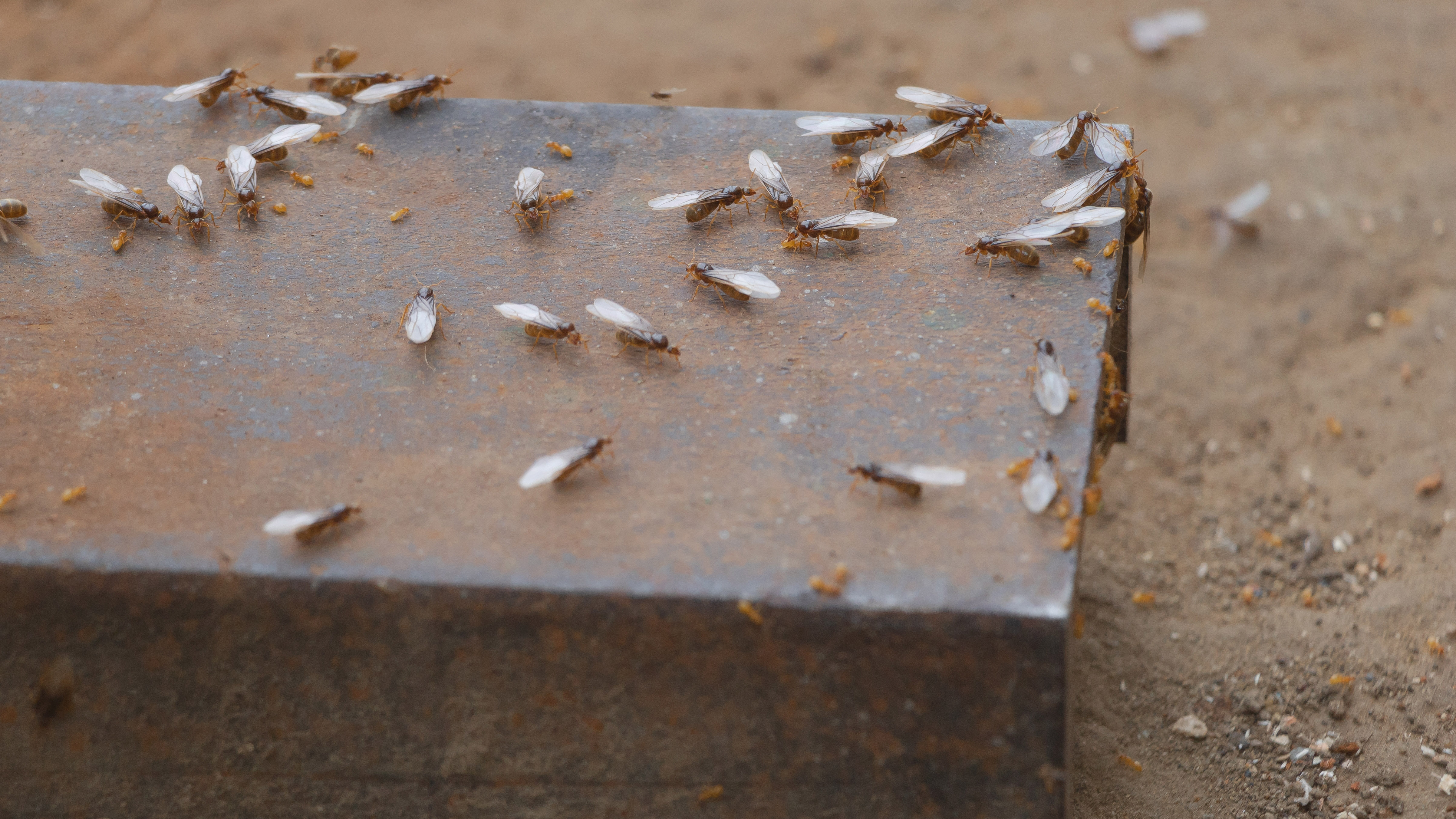
Ants live in highly organized colonies with distinct roles. Worker ants you see are just a small part of a much larger community that includes the queen, larvae, and other members hidden away. Vacuuming only takes away the surface workers, leaving the queen and eggs untouched.
This means the colony remains intact and can keep growing despite your efforts. You might feel relief for a moment, but the problem usually comes back stronger. Have you ever wondered where all those ants suddenly disappear to after vacuuming?
Repopulation And Return
Even if you manage to remove a large number of ants, new workers will soon replace them. The queen continuously lays eggs, and the colony replenishes its population quickly. Without targeting the source, vacuuming acts like a temporary bandage rather than a cure.
Additionally, ants use chemical trails to communicate and find food. Disturbing the colony might cause them to scatter and create new trails closer to your home. This can lead to an increase in ant activity rather than a decrease.
Instead of relying solely on vacuuming, consider combining it with strategies that target the queen and colony directly. This approach will give you a better chance at long-term control.
Effective Ant Control Alternatives
Vacuuming ants might seem like a quick fix, but it rarely solves the problem entirely. To really tackle an ant invasion, you need strategies that target the source and prevent future issues. Here are some effective ant control alternatives that can help you win the battle against these persistent pests.
Natural Remedies
Natural remedies offer safe and eco-friendly ways to deal with ants. You can sprinkle cinnamon, coffee grounds, or cayenne pepper near entry points to repel ants. These strong smells confuse their scent trails, making it harder for them to find their way.
Vinegar mixed with water is another powerful solution. Spray it along ant paths and entryways to disrupt their communication. I once tried this when ants invaded my kitchen, and within days, their activity dropped noticeably.
Chemical Solutions
If natural methods aren’t enough, chemical solutions can provide faster results. Ant baits containing boric acid lure ants in, which then carry the poison back to their nest. This method targets the colony, not just the ants you see.
Sprays and powders can kill ants on contact, but they usually don’t reach the nest. Use these products carefully and follow instructions to avoid health risks. Have you checked if your local hardware store stocks safe, child-friendly options?
Preventive Measures
Stopping ants before they enter your home saves you time and hassle. Seal cracks in walls, doors, and windows where ants sneak in. Keep food sealed and clean up crumbs immediately.
Regularly take out the trash and avoid leaving pet food out overnight. These small habits make your home less attractive to ants. What changes can you make today to create an ant-free environment?
When To Use Vacuuming In Ant Control
Vacuuming can be a handy tool in ant control, but knowing when to use it makes all the difference. It works best in specific situations and can quickly reduce the number of ants you see. However, vacuuming alone rarely solves the entire problem.
Removing Visible Ants
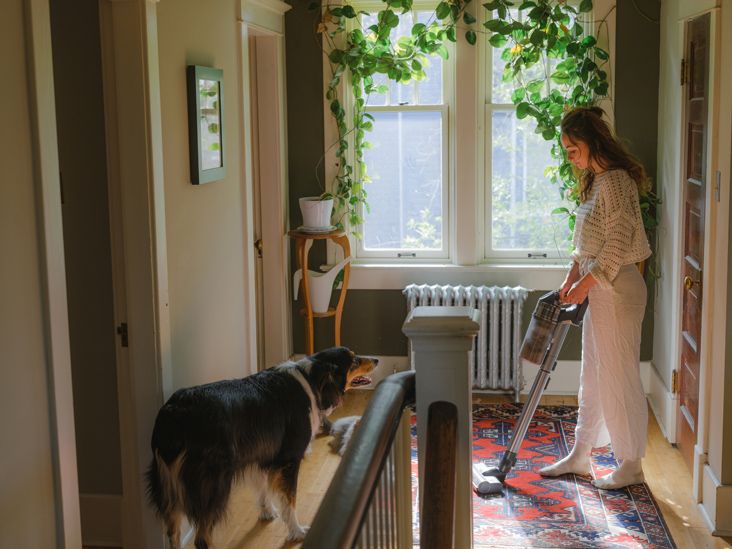
Vacuuming is great for quickly removing ants that you can see crawling on floors, counters, or walls. It helps reduce their numbers immediately without the need for chemicals. I once vacuumed a trail of ants in my kitchen, and it instantly stopped their march across the countertop.
To get the best results, use a vacuum with strong suction and a hose attachment to reach tight spots. Empty the vacuum bag or canister outside far from your home to avoid ants escaping back inside. This method is especially useful during the early stages of an infestation.
Limitations Of Vacuuming
Vacuuming can’t reach the ant nests hidden in walls or underground. It removes workers but doesn’t eliminate the queen or the colony’s core. Have you noticed ants returning even after a good vacuum session? That’s because the source remains untouched.
Also, vacuuming may scatter pheromone trails if not done carefully, potentially attracting more ants. It’s not a substitute for targeted treatments like baits or insecticides. Use vacuuming as part of a bigger control plan rather than relying on it alone.
Tips For Safe And Efficient Vacuuming
Vacuuming ants can be an effective way to remove them quickly. Doing it safely and efficiently helps avoid spreading the problem. Follow these tips to get the best results without hassle.
Choosing The Right Vacuum
Pick a vacuum with strong suction power. It should handle small insects without losing effectiveness. A vacuum with a sealed dust container works best to trap ants inside.
Use a handheld vacuum for better control in tight spaces. Avoid vacuums with a bag that might allow ants to escape. Make sure the vacuum is easy to clean after use.
Disposal Of Vacuumed Ants
Empty the vacuum container outdoors immediately after vacuuming. Seal the contents in a plastic bag to prevent ants from returning. Dispose of the bag in a trash bin far from your home.
Clean the vacuum thoroughly to remove any ant trails or eggs. Wipe the nozzle and container with soapy water or vinegar. This step stops ants from coming back inside the vacuum.
Credit: www.tomsguide.com

Credit: www.terro.com
Frequently Asked Questions
Will Vacuuming Ants Completely Eliminate Them?
Vacuuming ants removes many instantly but may not kill all. It stops immediate activity but doesn’t destroy the colony or queen. For full control, combine vacuuming with other treatments like insecticides or baits.
Does Vacuuming Ants Prevent Future Infestations?
Vacuuming alone won’t prevent future ant problems. It clears visible ants but doesn’t remove nests or food sources. Maintaining cleanliness and sealing entry points are essential to stop re-infestation.
Can Vacuuming Ants Spread Their Colony?
Vacuuming can sometimes spread ant pheromones, attracting more ants. Disturbed ants may release trail scents, leading more ants to the area. Clean the vacuum and affected areas promptly to minimize this risk.
Is Vacuuming Ants Safer Than Chemical Sprays?
Vacuuming is safer than chemical sprays as it avoids toxins. It’s a non-chemical, immediate method to reduce ant numbers indoors. However, it should be part of an integrated pest management plan for best results.
Conclusion
Vacuuming ants can remove many from your home quickly. It stops their movement but may not kill all. Some ants can escape and return later. To fully control ants, combine vacuuming with other methods. Clean surfaces and seal entry points to prevent new ants.
Using baits or sprays can help kill hidden colonies. Stay patient and consistent to keep ants away. Vacuuming is helpful but not a complete solution alone. Keep your home clean and watch for signs of ants regularly.