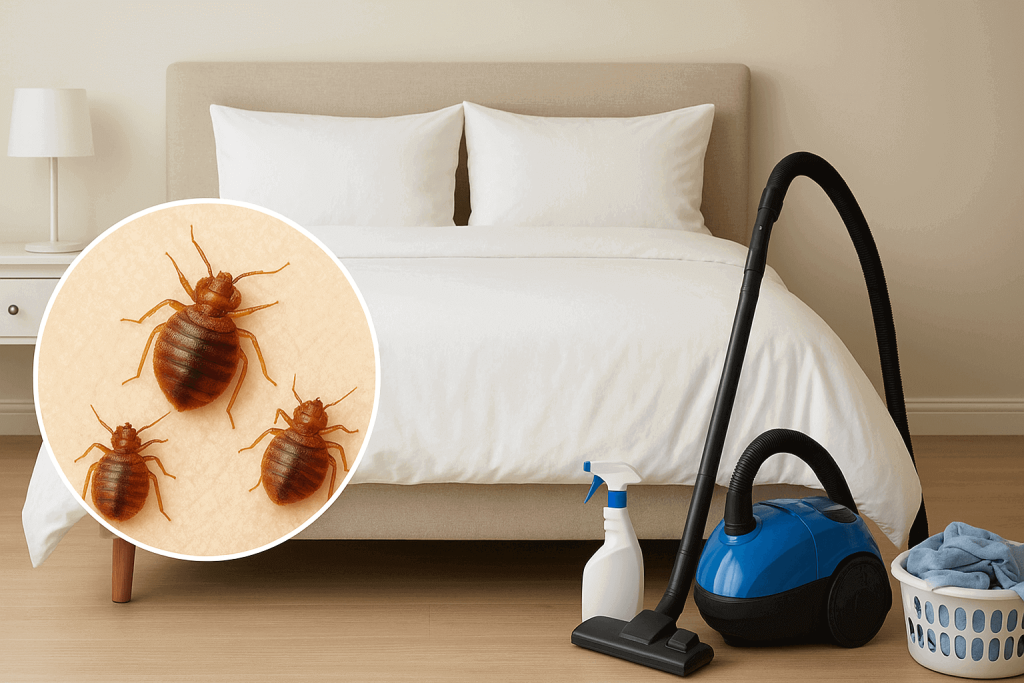
You’ve just discovered bed bugs in your home, and now you’re frantically searching for solutions. You’re not alone.
These tiny pests can quickly turn your peaceful sanctuary into a source of stress and discomfort. Naturally, you wonder if vacuuming could be the quick fix you desperately need. After all, it’s easy, accessible, and doesn’t require harsh chemicals. But is it really effective?
Imagine regaining control of your home, feeling the relief of knowing you’ve tackled the problem head-on. We’ll delve into whether vacuuming can truly help you say goodbye to these unwelcome guests. We’ll explore the effectiveness of vacuuming and provide you with practical tips to make sure your efforts aren’t in vain. Stick around, because understanding this could be the first step to reclaiming your peace of mind.
How Bed Bugs Hide
Understanding how bed bugs hide is key to controlling their spread. These tiny pests avoid light and stay close to their food source—humans. They squeeze into small cracks and crevices during the day. This makes them hard to find and remove completely. Knowing their hiding habits helps to target cleaning efforts effectively.
Common Hiding Spots
- Mattress seams and folds
- Bed frames and headboards
- Behind wallpaper and picture frames
- In cracks of furniture and baseboards
- Inside electrical outlets and appliances
- Under carpets and rugs
Bed Bug Behavior
Bed bugs are nocturnal. They feed at night and hide during the day. They prefer staying close to sleeping areas for easy access to hosts. Bed bugs can survive months without feeding by hiding deep in cracks. They avoid bright light and move slowly to stay undetected. Their small size and flat bodies help them fit into tight spaces.
Vacuuming And Bed Bugs
Vacuuming is a common tool in the fight against bed bugs. It helps remove bugs and their eggs from surfaces quickly. Understanding vacuuming’s role clarifies its strengths and limits in pest control.
Effectiveness Of Vacuuming
Vacuuming can catch many bed bugs hiding in cracks and crevices. It helps reduce the number of bugs on mattresses, furniture, and floors. Vacuums with strong suction and narrow nozzles work best. Removing bugs physically lowers their population and slows infestation growth.
Regular vacuuming also picks up bed bug eggs before they hatch. This stops new bugs from emerging and spreading. Vacuum bags or canisters should be sealed and disposed of carefully. This prevents bugs from escaping back into the home.
Limitations Of Vacuum Cleaning
Vacuuming alone cannot eliminate bed bugs completely. Bugs hiding deep inside walls or furniture remain untouched. Eggs glued tightly to surfaces can be missed by the vacuum. Vacuuming does not kill bugs; it only removes them.
Repeated treatment and other control methods are needed for full removal. Some vacuum cleaners may spread eggs or bugs if not handled properly. Cleaning tools must be sanitized after use to avoid spreading the infestation.
Best Vacuuming Techniques
Vacuuming is a helpful way to reduce bed bugs but requires the right approach. Using proper techniques improves the chances of removing bed bugs effectively. The focus should be on tools and areas that harbor these pests. Careful cleaning can limit their spread and hideouts.
Tools To Use
- Choose a vacuum with strong suction power.
- Use a vacuum with a HEPA filter to trap tiny particles.
- Attach a crevice tool to reach narrow spaces.
- Consider a vacuum with a brush attachment for mattresses.
- Have disposable bags or containers to safely remove debris.
Areas To Focus On
- Vacuum mattress seams and edges thoroughly.
- Clean under and around bed frames carefully.
- Target cracks and crevices in furniture.
- Focus on baseboards near sleeping areas.
- Vacuum carpets and rugs close to the bed.
- Don’t forget curtains and fabric-covered chairs.

Credit: www.hooverdirect.co.uk
Combining Vacuuming With Other Methods
Vacuuming alone rarely removes all bed bugs. It helps reduce their numbers quickly but often misses eggs and deep hiding spots. Combining vacuuming with other methods increases the chance of full elimination. Each method targets bed bugs in different ways, improving overall control.
Heat Treatment
Heat treatment kills bed bugs at all life stages. High temperatures above 120°F (49°C) destroy eggs, nymphs, and adults. This method reaches cracks and crevices where vacuuming cannot. Professionals use special heaters to raise room temperature safely. Homeowners can also use heat chambers for infested clothes and bedding.
Chemical Solutions
Chemical sprays and powders help control bed bugs. These products reach areas vacuum cleaners miss. Use insecticides labeled for bed bugs only. Apply carefully to avoid health risks. Combining chemicals with vacuuming reduces bugs hiding deep inside furniture and mattresses.
Preventive Measures
- Seal cracks and gaps in walls and furniture.
- Use mattress and box spring encasements.
- Wash and dry bedding on high heat regularly.
- Inspect secondhand furniture before bringing it home.
These steps stop bed bugs from returning after treatment. Vacuuming plus prevention keeps your home safer long term.
After Vacuuming Care
After vacuuming for bed bugs, proper care is vital. This step stops bugs from escaping and spreading. Taking quick action ensures the vacuuming effort is not wasted. Two main tasks follow vacuuming: disposing of the vacuum contents and cleaning the vacuum equipment.
Disposal Of Vacuum Contents
Empty the vacuum bag or canister outside immediately. Use a sealed plastic bag to trap any bugs inside. Tie the bag tightly to prevent escape. Throw the sealed bag into an outdoor trash bin. This stops bed bugs from returning to your home. Avoid emptying vacuum contents indoors or near living spaces.
Cleaning Vacuum Equipment
After emptying, clean the vacuum thoroughly. Use a damp cloth to wipe inside the canister or bag area. Check the hose and brush for any stuck bugs or eggs. Wash removable parts with hot, soapy water if possible. Let everything dry completely before reassembling. Clean equipment reduces the chance of bed bugs surviving inside the vacuum.

Credit: naturesmace.com
When To Call Professionals
Vacuuming can help reduce bed bugs but does not always solve the problem. Knowing when to call professionals is key to stopping infestations early. Experts have the tools and skills needed to handle serious cases safely and effectively.
Signs Of Severe Infestation
- Bed bugs found in multiple rooms or furniture pieces
- Visible eggs, shells, or dark spots on mattresses and walls
- Persistent bites that worsen despite cleaning efforts
- Strong, musty odor in bedrooms
- Bed bugs active during the day
Benefits Of Expert Help
- Access to professional-grade treatments not available to the public
- Ability to detect hidden bed bugs in walls and cracks
- Customized plans to target the infestation fully
- Reduced risk of spreading bugs to other areas
- Faster and more lasting results than DIY methods
Credit: www.stridepestcontrol.com
Frequently Asked Questions
Can Vacuuming Alone Eliminate Bed Bugs Completely?
Vacuuming helps remove bed bugs and eggs from surfaces. However, it cannot eliminate an entire infestation alone. Combining vacuuming with other treatments is necessary for full control.
How Often Should You Vacuum To Control Bed Bugs?
Vacuuming at least twice a week can reduce bed bug numbers. Frequent vacuuming targets bugs hiding in cracks and crevices. Consistency improves the effectiveness of other treatments.
What Areas Should You Vacuum To Catch Bed Bugs?
Focus on mattress seams, bed frames, baseboards, and carpets. These are common hiding spots for bed bugs and their eggs. Thorough vacuuming reduces the infestation’s spread.
Does Vacuuming Kill Bed Bugs Instantly?
Vacuuming removes bed bugs but does not kill them instantly. Bugs may survive inside the vacuum bag unless disposed of properly. Immediate disposal of vacuum contents is crucial for prevention.
Conclusion
Vacuuming can help reduce bed bugs but won’t remove them all. It works best as part of a bigger plan. Bed bugs hide deep in cracks and seams. Vacuuming alone misses eggs and bugs in hidden spots. Use other methods like washing and pest control too.
Stay patient and check your home often. This way, you can lower bed bug problems over time. Remember, a clean home helps but does not guarantee full bed bug removal. Keep trying and stay safe.