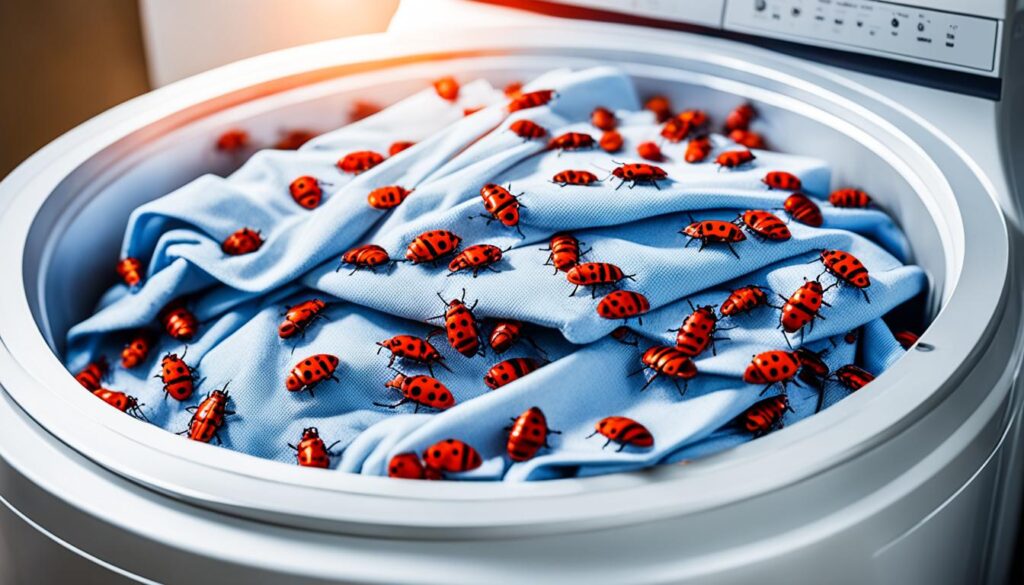
Are you worried about bed bugs invading your home? You might be wondering if your washer and dryer can actually get rid of these stubborn pests.
It’s a common question because laundry appliances seem like a simple solution. But can washing and drying truly kill bed bugs and keep them from coming back? You’ll discover what really works, what doesn’t, and how to protect your home effectively.
Keep reading to learn the truth and take control of your space today.
How Bed Bugs Survive
Bed bugs are small insects that feed on human blood. They can live in many places and hide well. Their survival depends on their life cycle and where they stay.
Understanding their life cycle and hiding spots helps to control and prevent infestations. Let’s look closer at how bed bugs survive.
Life Cycle Of Bed Bugs
Bed bugs go through several stages before becoming adults. Each stage needs a blood meal to grow to the next. Their life cycle helps them survive in different conditions.
Eggs: Tiny and white, they hatch in about 6 to 10 days.
Nymphs: Young bed bugs that go through five molts. They need blood to grow each time.
Adults: Fully grown bed bugs that can reproduce and feed on blood.
Bed bugs can live for months without feeding. This ability helps them survive during hard times.
Common Hiding Spots
Bed bugs hide in places close to where people sleep or rest. They avoid light and stay in tight spaces.

Credit: smol.com
Effectiveness Of Washers
Washing clothes and bedding is a common way to try to remove bed bugs. Washers use water and movement to clean fabrics. They can help reduce bed bug numbers on your items.
But not all washers kill bed bugs completely. The success depends on water temperature and washing time. Let’s look at how temperature and other factors affect bed bug removal.
Temperature Settings That Kill Bed Bugs
Heat is the key to killing bed bugs in the washer. Bed bugs die at certain temperatures. Using hot water can kill both the bugs and their eggs.
- Water temperature of at least 120°F (49°C) is needed.
- Washing at lower temperatures may not kill all bed bugs.
- Longer washing cycles improve effectiveness.
- Drying clothes on high heat after washing also helps.
Limitations Of Washing Alone
Washing does not always remove all bed bugs. Some bugs hide in places washers cannot reach. Also, cold water or short cycles may let bugs survive.
| Limitation | Description |
|---|---|
| Hidden Bugs | Bed bugs can hide in seams or folds of clothes. |
| Cold Water | Low temperatures do not kill bed bugs effectively. |
| Short Cycles | Brief washing may not expose bugs to heat long enough. |
| Re-infestation | Cleaned items can get infested again if environment is not treated. |
Dryer’s Role In Bed Bug Control
Bed bugs are tough pests that hide in clothes and bedding. Using a dryer can help kill them quickly. Heat from the dryer can stop bed bugs from living.
Washing alone may not kill all bed bugs. The dryer adds extra heat that helps get rid of these bugs and their eggs. This makes the dryer an important tool in bed bug control.
Heat Treatment Benefits
Dryers use hot air that kills bed bugs on clothes and fabrics. Bed bugs cannot survive high temperatures. The heat also kills eggs that washing might miss.
Heat treatment with a dryer is safe for most clothes. It works fast and does not use chemicals. This makes it a good choice for bed bug control at home.
- Kills adult bed bugs quickly
- Destroys bed bug eggs
- Safe for many fabrics
- Does not use harmful chemicals
Recommended Drying Times
To kill bed bugs, dry clothes on high heat for enough time. Most experts say at least 30 minutes is needed. Longer drying times improve results.
Check your dryer’s settings and fabric care labels. Use the hottest safe setting. Drying for 30 to 60 minutes helps make sure bed bugs are gone.
- Use highest safe heat setting
- Dry for at least 30 minutes
- Up to 60 minutes for thick fabrics
- Check clothes for damage after drying

Credit: www.jonesbrospc.com
Combining Washer And Dryer
Using a washer and dryer together can help kill bed bugs effectively. The washer removes bugs and eggs from your clothes. The dryer uses heat to kill any bugs left behind.
This combination works well because bed bugs cannot survive high temperatures. Washing cleans the fabric while drying finishes the job with heat.
Step-by-step Bed Bug Eradication
Start by gathering all infested clothes and fabrics. Use hot water in the washer to clean them thoroughly. Set the dryer to a high heat setting to kill any remaining bugs.
Dry clothes for at least 30 minutes on high heat. This heat kills bed bugs and their eggs. Repeat the process for any items you suspect are infested.
- Sort clothes by fabric type and washing instructions
- Use the hottest water safe for the fabric
- Dry on the highest heat safe for the fabric for 30 minutes or more
Items Safe For Heat Treatment
Many items can be safely washed and dried to kill bed bugs. These include most clothes, bedding, and towels. Always check fabric care labels before using high heat.
Some items cannot go in the dryer but can still be treated with washing or other methods. Use heat only on items that will not shrink or get damaged.
- Clothes made of cotton, polyester, and blends
- Bedding like sheets, pillowcases, and blankets (check labels)
- Towels and washable soft fabrics
- Removable curtains and cloth toys (if safe for heat)
Additional Bed Bug Elimination Tips
Bed bugs can be tough to remove completely. Using extra methods helps get rid of them faster. These tips protect your home from future infestations.
Try combining cleaning techniques with protective covers and expert help. This approach gives you better results against bed bugs.
Vacuuming And Steam Cleaning
Vacuuming removes bed bugs and eggs from cracks and surfaces. Use a vacuum with strong suction and a brush attachment. Steam cleaning kills bed bugs on contact. It works well on mattresses, furniture, and curtains.
- Vacuum all mattress seams and edges
- Use steam on bed frames and baseboards
- Empty vacuum bags immediately after use
- Wear gloves to avoid contact with bugs
Using Mattress Encasements
Mattress encasements trap bed bugs inside and stop new ones from entering. They cover mattresses and box springs tightly. Choose encasements made from thick, durable fabric. Check for tears regularly and replace if needed.
| Benefit | Details |
| Seals Bed Bugs | Prevents bugs from escaping mattress |
| Stops New Infestations | Keeps bugs from entering mattress |
| Easy to Clean | Wipe or wash cover regularly |
| Protects Mattress | Reduces damage from bugs and dirt |
Professional Pest Control Options
Experts use special tools and chemicals to find and kill bed bugs. They inspect hidden areas and treat hard-to-reach spots. Professional help is important for large infestations or repeated problems.
- Certified technicians identify bed bug hotspots
- Use safe and effective pesticides
- Offer advice for preventing return of bugs
- Provide follow-up visits for thorough treatment
Credit: www.howtopestcontrol.co.uk
Preventing Future Infestations
Bed bugs can be a nuisance, but regular cleaning helps keep them away. Washing and drying clothes can kill bed bugs. Using the right practices prevents future infestations.
Simple steps in your daily routine make a big difference. Keep your home clean and inspect often to stop bed bugs from returning.
Regular Laundry Practices
Regularly washing clothes helps control bed bugs. Use hot water and high heat in the dryer. This kills bugs and their eggs.
Separate clothes that might have bed bugs. Wash them separately to avoid spreading the bugs to other items.
- Wash clothes in hot water at least 60°C (140°F)
- Dry clothes on high heat for at least 30 minutes
- Store clean clothes in sealed bags or containers
Home Maintenance And Inspection
Regular home inspections help spot bed bugs early. Check common hiding places like mattresses, bed frames, and furniture.
Seal cracks and crevices in walls and floors. This stops bed bugs from hiding or moving between rooms.
| Check List |
|---|
| Inspect mattress seams |
| Check under furniture |
| Seal wall cracks |
Frequently Asked Questions
Can A Washer And Dryer Kill Bed Bugs Effectively?
Yes, washing clothes in hot water above 120°F and drying on high heat kills bed bugs and their eggs effectively.
How Hot Should The Dryer Be To Kill Bed Bugs?
The dryer should be set to the highest heat setting, ideally above 120°F, to ensure all bed bugs are killed.
Will Cold Washing Kill Bed Bugs On Clothes?
No, cold washing does not kill bed bugs. Hot water and high dryer heat are necessary to eliminate them.
Can Bed Bugs Survive In A Dryer Cycle?
Bed bugs cannot survive a full dryer cycle on high heat, as the temperature is lethal to them and their eggs.
Conclusion
Washing and drying clothes on high heat can kill many bed bugs. Still, it might not remove all eggs or bugs hiding deep. Treat your home and bedding carefully for better results. Regular cleaning helps stop bed bugs from spreading fast.
Use other methods along with washing to fight bed bugs well. Stay patient and check often to keep your space bug-free. Taking small steps can make a big difference against bed bugs.