Have you ever found yourself in a pinch, needing to chill a bottle of wine quickly? You might have thought about popping it into the freezer, hoping for a perfectly chilled pour.
But then, a nagging worry crosses your mind: “Will wine explode in the freezer? ” This is a question that intrigues many wine lovers like you. Before you take that frosty plunge, let’s explore the science behind what happens when wine meets the sub-zero world of your freezer.
You’ll discover whether this cooling shortcut is a savvy hack or a potential disaster waiting to happen. Keep reading to protect both your wine and your freezer from any unexpected surprises.

Credit: choicewineries.com
Can Wine Freeze?
Can wine freeze? Many wonder if their favorite bottle will turn solid in the freezer. Wine has alcohol, which changes how it freezes compared to water. Knowing the freezing point helps keep your wine safe and tasty.
Freezing Point Of Wine
Wine freezes at a lower temperature than water. Pure water freezes at 0°C (32°F), but wine usually freezes between -5°C and -9°C (23°F to 16°F). The exact freezing point depends on how much alcohol is in the wine. Higher alcohol content means lower freezing temperature.
Factors Affecting Wine Freezing
- Alcohol Content:More alcohol lowers the freezing point.
- Sugar Levels:Sweeter wines freeze at higher temperatures than dry wines.
- Wine Type:Red, white, and sparkling wines freeze differently.
- Storage Conditions:How cold the freezer is and how long the wine stays there matters.

Credit: www.vinovest.co
What Happens When Wine Freezes?
Freezing wine changes its physical state. The liquid turns solid but not in the usual way. Understanding what happens inside the bottle helps explain the risks.
Expansion And Bottle Pressure
Wine contains water, alcohol, and other compounds. Water expands as it freezes, increasing volume inside the bottle. Alcohol freezes at a lower temperature than water, so it stays liquid longer.
This uneven freezing creates pressure inside the bottle. The glass must hold more volume than usual. The thicker the bottle, the better it resists this pressure.
Potential For Explosion
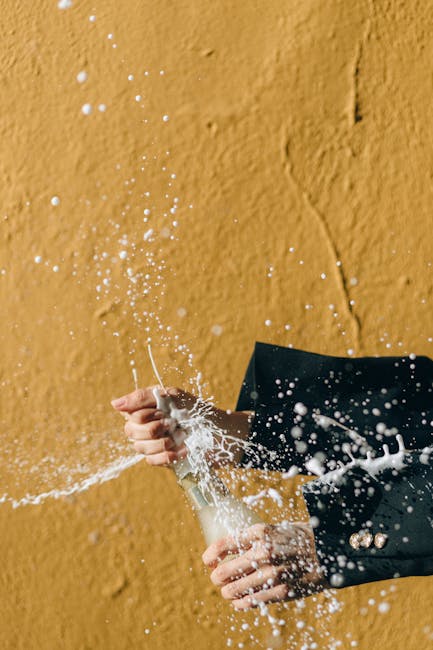
Pressure builds up quickly in a sealed bottle. If it becomes too high, the bottle may crack or explode. Explosion risks rise with full bottles and rapid freezing.
Opening a frozen bottle can also cause wine to spill or spray. Care is needed to handle frozen or thawing bottles safely.
Types Of Wine And Freezing Risks
Freezing wine might sound like a quick solution to save leftovers or chill a bottle fast, but the reality depends heavily on the type of wine you’re dealing with. Different wines react differently to freezing temperatures, and some carry higher risks of bottle damage or flavor changes. Understanding these risks helps you decide whether freezing your wine is worth it or if there’s a better alternative.
Red Vs White Wine
Red wines generally have a higher tannin content and a denser structure, which affects how they freeze. They tend to freeze at slightly higher temperatures compared to white wines. This means red wine is more likely to expand and potentially crack the bottle if frozen solid.
White wines, with their lighter body and lower tannin, freeze at a slightly lower temperature. However, white wines often contain more delicate aromas that can be lost or altered after freezing and thawing. Think about whether you want to risk losing subtle flavors for convenience.
Sweetness And Alcohol Content Impact
Sweeter wines and those with higher sugar content freeze differently because sugar lowers the freezing point. This means a sweet dessert wine might not freeze as solidly as a dry one, reducing the risk of bottle explosion but possibly causing texture changes.
Alcohol content also plays a big role; wines with higher alcohol freeze at lower temperatures. If your wine is over 15% alcohol by volume, it’s less likely to freeze completely, but freezing attempts might still affect taste and mouthfeel. Have you noticed how some fortified wines feel different after chilling?
- Dry, low-alcohol wines freeze faster and pose a higher risk of bottle breakage.
- Sweet and fortified wines resist freezing but may suffer from flavor shifts.
Knowing your wine’s type, sweetness, and alcohol level helps you weigh the freezing risks. Would you sacrifice a bit of flavor or risk a messy spill to chill or store wine quickly?
Safe Ways To Chill Wine Quickly
Chilling wine quickly can enhance your drinking experience without waiting long. Safe methods help avoid accidents like broken bottles or spoiled taste. Knowing how to cool wine fast keeps the flavor fresh and enjoyable.
Using Ice Buckets
Ice buckets offer a simple way to chill wine fast. Fill the bucket with ice and some water to surround the bottle evenly. The water helps transfer cold to the bottle faster than ice alone. Keep the bottle submerged for about 15-20 minutes. This method chills wine without risking freezing or breaking the bottle.
Freezer Tips Without Risk
Placing wine in the freezer can be safe if done correctly. Wrap the bottle in a damp cloth or paper towel. This speeds up cooling and prevents frost from forming. Set a timer for 20-30 minutes to avoid freezing the wine. Never leave the bottle unattended in the freezer. These steps help chill wine quickly and safely.
What To Do If Wine Freezes
Freezing wine can happen by accident or on purpose. It changes the wine’s texture and taste. Knowing what to do if wine freezes helps save it. Acting quickly gives the best chance to keep its flavor.
Thawing Process
Place the frozen wine bottle in the fridge. Let it thaw slowly for several hours or overnight. Avoid using hot water or a microwave. These methods can damage the wine’s taste and bottle.
Once thawed, gently swirl the wine to mix any separated parts. Check the bottle for cracks before opening. Frozen wine expands and may break the glass.
Taste And Quality Changes
Freezing can change the wine’s flavor and aroma. The taste may become dull or flat. Some wines lose their fruity notes and freshness.
Texture might also change. The wine can feel watery or grainy. Sparkling wines may lose their bubbles completely.
Use frozen wine for cooking if the taste is off. It still adds good flavor to sauces and stews. For drinking, test a small amount first.
Credit: www.vinovest.co
Frequently Asked Questions
Will Wine Explode If Frozen In The Freezer?
Yes, wine can explode if frozen. The liquid expands when frozen, increasing pressure inside the bottle. This pressure can break the glass, causing an explosion. Always store wine bottles upright and avoid freezing to prevent damage and mess.
How Long Does It Take For Wine To Freeze?
Wine typically freezes in about 3 to 4 hours in a standard freezer. The exact time depends on the freezer temperature and wine alcohol content. Higher alcohol wines freeze slower due to lower freezing points.
Can Freezing Wine Affect Its Taste?
Freezing wine can alter its taste and texture. The cold can break down delicate flavors and aromas, making it taste dull or flat. Thawed wine may also develop an off-putting texture, especially if it was frozen in the bottle.
Is It Safe To Drink Wine After Freezing?
Yes, wine is generally safe to drink after freezing if the bottle remains sealed. However, the taste and aroma might degrade. Check for any unusual smells or flavors before consuming.
Conclusion
Wine can freeze and expand in the freezer. This expansion might cause the bottle to crack or explode. Always leave some space in the bottle before freezing. Use a plastic container if possible to avoid breakage. Freezing wine changes its taste and texture.
It is best to chill wine in the fridge instead. Remember, freezing is not the safest way to store wine. Keep these tips in mind to enjoy your wine safely. Stay careful, and enjoy your drink without worries.