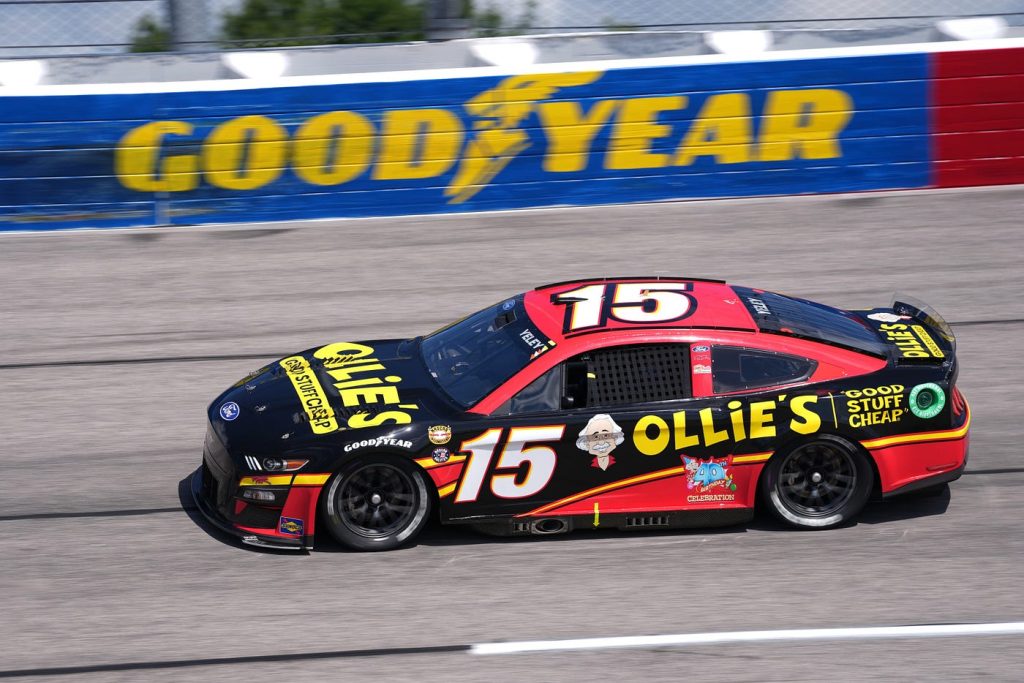
Have you ever wondered just how fast a NASCAR race car can go? If you’re curious about the speed, power, and thrill behind these incredible machines, you’re in the right place.
Imagine sitting in the driver’s seat, feeling the roar of the engine as you speed around the track. This article will take you straight into the heart of NASCAR racing and reveal the surprising top speeds these cars reach. Keep reading—you’ll be amazed at how fast they really go!

Credit: www.nascarracingexperience.com
Top Speeds Of Nascar Cars
NASCAR race cars are engineered to reach incredible speeds on the track. Understanding the top speeds they achieve gives you a clearer picture of the skill and technology involved. Let’s dive into the typical speeds these cars hit and the record-breaking moments that have pushed the limits of racing.
Typical Race Speeds
During most NASCAR races, cars commonly reach speeds between 180 and 200 miles per hour (mph). Tracks like Daytona and Talladega see some of the highest average speeds due to their long straightaways and wide turns.
Drivers rely on drafting—slipstreaming behind other cars—to maintain these speeds efficiently. Have you ever noticed how closely they follow each other? This technique can add up to 10 mph to their speed without extra fuel consumption.
Record-breaking Velocity
The fastest speed officially recorded in a NASCAR race was 212.809 mph, set by Bill Elliott in 1987 at Talladega Superspeedway. This record still stands as a testament to the raw power of NASCAR vehicles.
However, speeds like this sparked safety concerns, leading to the introduction of restrictor plates to limit horsepower and reduce maximum speeds. It makes you wonder—how much faster could these cars go without restrictions? And what would that mean for driver safety?

Credit: www.reddit.com
Factors Affecting Speed
Speed in NASCAR racing isn’t just about how powerful the car is; several factors come into play that influence just how fast these machines can go. Understanding these elements gives you a clearer picture of what drivers and teams manage every race. Let’s break down the key factors affecting a NASCAR race car’s speed and why they matter to you as a fan or aspiring racer.
Engine Power
The engine is the heart of any race car. NASCAR engines typically produce around 750 horsepower, which pushes the car to incredible speeds. But raw power alone won’t guarantee top speed; how the engine delivers that power through the transmission and drivetrain affects acceleration and top-end speed.
Think about it—if the engine isn’t tuned properly or if there’s an issue with fuel delivery, the car won’t reach its full potential. Teams spend hours optimizing engine performance to get every extra mile per hour on the track.
Aerodynamics
Aerodynamics plays a crucial role in NASCAR speeds. The shape of the car affects how air flows over and around it, impacting drag and downforce. Less drag means the car can slice through the air faster, while downforce keeps it glued to the track during high-speed turns.
You might not notice, but even tiny changes in the spoiler angle or front splitter can alter the car’s speed significantly. Teams constantly adjust these parts to find the perfect balance between speed and control.
Track Design
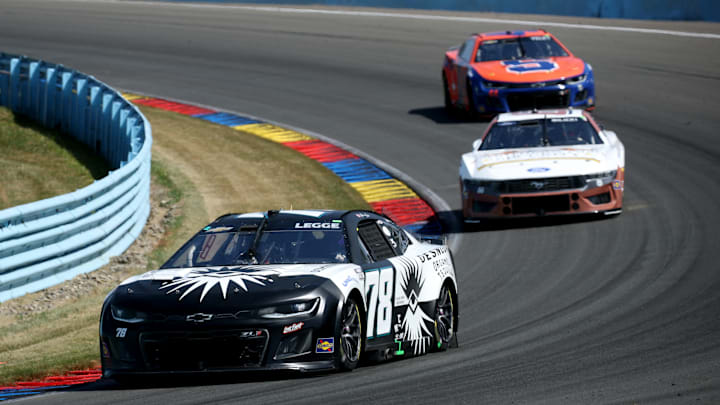
Not all tracks are created equal. Oval tracks with long straightaways allow cars to reach their highest speeds, sometimes over 200 mph. On the other hand, road courses with tight corners and elevation changes force drivers to slow down and focus more on handling.
Have you ever wondered why lap times vary so much between tracks? It’s because track length, banking angle, and surface type all impact how fast a car can safely go.
Weather Conditions
Weather can make or break speed on race day. Hot temperatures can cause engines to overheat and tires to lose grip, slowing cars down. Rain isn’t allowed in NASCAR races, but humidity and wind also affect aerodynamics and engine performance.
Next time you watch a race, check the weather conditions and see if you can spot how they influence the drivers’ strategies and speeds. It’s more than just the car and driver; nature’s elements play their part too.
Speed On Different Tracks
Nascar race cars reach different speeds depending on the track type. Each track challenges drivers and cars in unique ways. The design, length, and turns of the track affect top speed. Understanding these differences helps fans appreciate the skill and technology involved.
Superspeedways
Superspeedways are the fastest tracks in Nascar. They are long, wide ovals with gentle turns. Cars can reach speeds over 200 miles per hour here. The smooth surface and long straightaways allow for high speed. Drivers use special setups to keep control at these speeds.
Short Tracks
Short tracks are smaller ovals, usually less than one mile long. Speeds on these tracks are slower, around 100 to 130 miles per hour. Tight turns and frequent braking reduce speed. Drivers need quick reflexes and precise handling. Racing is often close and intense on short tracks.
Road Courses
Road courses have many turns and changes in elevation. Cars slow down significantly to handle sharp corners. Typical speeds range from 80 to 120 miles per hour. Drivers focus on braking and acceleration skills here. These tracks test a driver’s ability to control the car in varied conditions.
Safety Measures At High Speeds
Racing at speeds exceeding 200 mph demands more than just skill—it requires rigorous safety measures to protect drivers and fans alike. NASCAR has developed multiple layers of safety that work together to minimize risks during these high-speed competitions. Let’s break down how car design, driver gear, and track features all play vital roles in keeping everyone safer.
Car Design
Every NASCAR car is built with safety as a top priority. The chassis is reinforced with a roll cage made from high-strength steel tubing. This cage acts like a protective shell around the driver, absorbing impact forces during crashes.
Fuel cells are designed to prevent leaks and explosions, even after severe collisions. Additionally, energy-absorbing foam lines the inside of the doors to reduce injury during side impacts. These features work quietly in the background, but they can make the difference between a minor incident and a life-threatening crash.
Driver Gear
Your safety gear is your last line of defense when speeds soar. Drivers wear fire-resistant suits made from Nomex, a material that can withstand extreme heat for several seconds. These suits are paired with gloves, shoes, and underwear designed to protect every inch of skin.
Helmets play a crucial role too. Modern helmets include advanced padding and support systems to reduce head and neck injuries. Many drivers use the HANS device, a collar that stabilizes the head and prevents dangerous whiplash during sudden stops.
Track Safety Features
Tracks themselves are engineered to reduce the severity of crashes. SAFER barriers (Steel and Foam Energy Reduction) line the walls and absorb much of the energy from impacts. This innovation has significantly lowered injury rates over the past two decades.
Runoff areas and catch fences also protect drivers and spectators by controlling how cars slow down or stop after losing control. Ever wondered how drivers manage to survive crashes that look devastating on TV? These track features are a big part of the answer.
Technological Advances Boosting Speed
Speed in NASCAR isn’t just about raw power; it’s a mix of engineering, materials, and smart data use. Over the years, technology has pushed race cars to new limits, making them faster and more efficient. Let’s look closely at what’s really driving these speed boosts.
Engine Innovations
The heart of every NASCAR car is its engine, and recent innovations have made a huge difference. Engineers have improved fuel injection systems to deliver more precise amounts of fuel, which boosts power without wasting energy.
Turbocharging and enhanced cooling systems help engines run at higher speeds longer, reducing the risk of overheating during intense races. You might find it surprising how tiny tweaks in timing and airflow can add several miles per hour to a car’s top speed.
Material Improvements
Lightweight materials play a crucial role in speeding up NASCAR cars. Teams now use carbon fiber and advanced alloys that are both strong and light, cutting down the car’s weight without sacrificing safety.
This reduction in weight means quicker acceleration and better handling around turns. Have you ever noticed how a lighter bike feels faster and easier to control? The same idea applies here but on a much larger, more technical scale.
Data Analytics
Data isn’t just for post-race analysis anymore; it’s key to real-time speed enhancement. Sensors on the car collect information on everything from tire pressure to engine temperature.
Teams use this data to make split-second decisions during the race, adjusting strategies to maximize speed and performance. Imagine having a coach who can tell you exactly when to sprint or slow down—that’s what data analytics does for NASCAR drivers.
Credit: beyondtheflag.com
Comparing Nascar Speeds To Other Motorsports
Comparing NASCAR speeds to other motorsports shows interesting differences. Each type of racing focuses on unique skills and car designs. Speed varies greatly due to track types and car technology.
NASCAR cars reach very high speeds on oval tracks but differ from other motorsport vehicles. Understanding these differences helps fans appreciate each racing style better.
Formula 1
Formula 1 cars are built for speed and agility on twisty road courses. They can reach speeds up to 230 mph on straights. F1 cars use advanced aerodynamics and lightweight materials. They accelerate faster than NASCAR cars but race on more complex tracks. Their top speed is higher due to better power-to-weight ratio.
Indycar
IndyCar vehicles race on ovals, road, and street circuits. They reach speeds around 230-240 mph on oval tracks. IndyCars are lighter and have more downforce than NASCAR cars. This allows quicker turns and faster lap times. Their top speed is slightly higher than NASCAR but close in some cases.
Drag Racing
Drag racing focuses on straight-line acceleration over short distances. Top Fuel dragsters can reach speeds over 330 mph in just seconds. These cars are the fastest in a straight line but only for a short time. Drag racing speed is not sustained like NASCAR or road racing. It highlights raw power and quick bursts of speed.
Frequently Asked Questions
What Is The Top Speed Of A Nascar Car?
A NASCAR race car can reach speeds of up to 200 mph. These high speeds are typically achieved on larger tracks. The aerodynamic design and powerful engines enable these impressive speeds. However, track conditions and race strategies can affect the actual speed during a race.
How Do Nascar Cars Achieve High Speeds?
NASCAR cars achieve high speeds through advanced aerodynamics and powerful engines. The cars are specifically designed for speed and stability on the track. Teams continuously optimize engine performance and car design. This allows them to maintain high speeds while ensuring driver safety.
Are All Nascar Tracks The Same Speed?
No, NASCAR tracks vary in speed due to differences in length and layout. Superspeedways like Daytona allow higher speeds, while short tracks result in slower races. Each track presents unique challenges. Drivers and teams must adapt their strategies to optimize performance and speed accordingly.
How Do Nascar Drivers Control High Speeds?
NASCAR drivers control high speeds with skill and experience. They use precise steering and braking techniques to maintain control. Drivers rely on teamwork and communication with their crew. This helps them navigate turns and adjust to track conditions safely and efficiently.
Conclusion
NASCAR race cars reach speeds over 200 miles per hour. These cars are built for speed and control on the track. Drivers need skill and focus to handle such fast machines. Speed is not just about power but also about safety and precision.
Every race shows how fast and thrilling NASCAR can be. Fans enjoy the excitement of high-speed racing every time. Understanding these speeds helps appreciate the sport more. NASCAR remains one of the fastest and most challenging motorsports today.