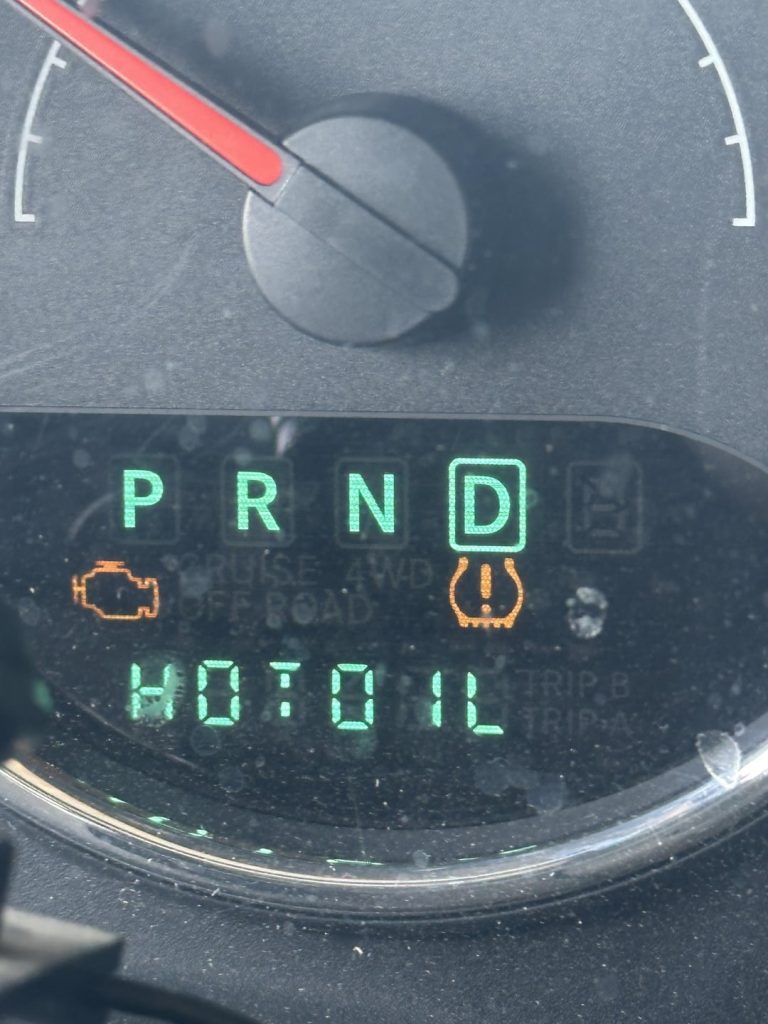
Have you ever noticed a warning light on your Jeep that says “Hot Oil” and wondered what it means? Understanding this alert is crucial for keeping your engine running smoothly and avoiding costly repairs.
You’ll discover exactly what the “Hot Oil” message means, why it appears, and what steps you should take when it does. By knowing what’s happening under the hood, you’ll feel more confident in protecting your Jeep and ensuring it stays in top shape.
Keep reading to learn how to respond quickly and keep your vehicle safe.
Hot Oil And Jeep Engines
Understanding what “hot oil” means in the context of Jeep engines is crucial for anyone who wants to keep their vehicle running smoothly. Oil temperature plays a significant role in engine health and performance, especially in rugged vehicles like Jeeps that often face tough conditions. Let’s look closer at how hot oil interacts with your Jeep’s engine and what that means for you.
Oil Temperature Basics
Oil temperature refers to how hot the engine oil gets while your Jeep is running. Typically, oil operates best between 180°F and 220°F (82°C to 104°C). When oil gets too hot, it can lose its ability to lubricate engine parts effectively.
Have you ever noticed the oil warning light on your dashboard? It often signals that the oil temperature is outside its safe range. Keeping an eye on this can prevent serious engine damage.
Why Oil Heats Up
Several factors cause your Jeep’s oil to heat up. Driving in extreme temperatures, towing heavy loads, or off-roading can push the engine harder than usual. This extra stress raises the oil temperature quickly.
Sometimes, engine issues like low oil levels or a failing oil pump can also cause oil to heat excessively. Regular maintenance helps you catch these problems early before they lead to costly repairs.
Impact On Engine Performance
Hot oil affects your Jeep’s engine in multiple ways. When oil gets too hot, it thins out, reducing its ability to protect engine parts from friction and wear. This can cause premature engine wear or even failure.
On the flip side, if the oil is too cold, it won’t flow properly, leading to poor lubrication. Finding the right oil temperature balance improves your Jeep’s efficiency and extends engine life. Have you checked your oil temperature lately during your drives?
Signs Of Overheated Oil
Overheated oil in a Jeep can cause serious engine problems. It is important to spot signs early. Detecting these signs helps avoid costly repairs and keeps the vehicle running smoothly.
Hot oil loses its ability to protect engine parts. This leads to increased wear and tear. Watch for these key signs to know if your Jeep’s oil is too hot.
Dashboard Warning Lights
The dashboard often shows warning lights when oil overheats. A red oil can symbol or “Check Engine” light may appear. These alerts indicate low oil pressure or high oil temperature. Never ignore these signals. They mean the engine needs immediate attention.
Unusual Engine Noises
Overheated oil can cause strange engine sounds. You might hear knocking, ticking, or grinding noises. These sounds come from parts rubbing without proper lubrication. Hot oil breaks down and cannot cushion engine components well. If noises start, check the oil condition right away.
Reduced Engine Efficiency
When oil is too hot, engine performance drops. The Jeep may feel sluggish or slow to respond. Fuel consumption can increase as the engine works harder. Overheated oil thickens or thins, disrupting smooth engine function. Noticeable drops in power or mileage often point to oil problems.
Causes Of Hot Oil In Jeeps
Hot oil in a Jeep signals the engine is running hotter than normal. This can cause damage if not addressed quickly. Several factors lead to hot oil problems. Understanding these causes helps keep your Jeep running smoothly.
Heavy Towing And Off-roading
Pulling heavy loads or driving off-road strains the engine. This increases oil temperature as it works harder to cool and lubricate parts. Long climbs or rough terrain add to engine stress. Hot oil often results from sustained heavy use without breaks.
Low Oil Levels
Oil cools and lubricates the engine. Low oil means less cooling capacity. This causes the remaining oil to heat up quickly. Regular oil checks prevent this issue. Running with low oil can lead to engine damage.
Faulty Cooling System
The cooling system controls engine temperature. Problems like clogged radiators or broken fans reduce cooling. This causes the oil to get hotter. A malfunctioning thermostat can also trap heat. Keeping the cooling system in good shape stops hot oil problems.
Credit: www.wranglerforum.com
Effects On Engine Health
Hot oil in a Jeep can seriously affect engine health. Engine oil lubricates parts and keeps the engine cool. When the oil gets too hot, it loses its effectiveness. This causes several problems that can harm your engine over time.
Oil Breakdown And Sludge
High temperatures cause oil to break down faster. The oil loses its ability to lubricate well. It also forms sludge, a thick, sticky residue. Sludge clogs oil passages and blocks flow. This reduces engine efficiency and can cause overheating.
Increased Wear And Tear
Hot oil cannot protect engine parts properly. Metal parts rub against each other more. This increases friction and wear. Over time, this wears down engine components. It can lead to noisy operation and poor performance.
Risk Of Engine Damage
Continuous exposure to hot oil raises the risk of damage. Critical parts like pistons and bearings suffer. Lack of proper lubrication can cause engine seizure. Repairing this damage can be costly and time-consuming.
Preventing Hot Oil Issues
Hot oil in your Jeep can lead to serious engine problems if left unchecked. Preventing hot oil issues means staying proactive and attentive to your vehicle’s needs. Small, consistent actions can save you from costly repairs and keep your Jeep running smoothly.
Regular Oil Checks And Changes
You should check your oil level at least once a month. Low oil levels cause the engine to work harder, raising oil temperature and risking damage. Changing your oil according to the manufacturer’s schedule removes dirt and particles that can trap heat.
I once ignored an oil change reminder, thinking it was no big deal. Within weeks, my Jeep started overheating, and the mechanic said old oil was the culprit. That experience taught me to never skip regular checks and timely changes.
Using The Right Oil Type
Choosing the correct oil type matters more than many realize. Your Jeep’s engine needs oil with the right viscosity to handle its operating temperature. Using oil that’s too thin or too thick can cause overheating or poor lubrication.
Check your owner’s manual for recommended oil grades. Synthetic oils often perform better under high temperatures, protecting your engine from hot oil problems. Have you ever noticed better engine performance after switching oil types?
Maintaining Cooling System
Your Jeep’s cooling system plays a key role in preventing oil from overheating. Regularly inspect the radiator, coolant levels, and hoses for leaks or blockages. A failing cooling system can quickly cause oil temperatures to spike.
Flushing the coolant and replacing worn parts keeps the system efficient. Don’t wait for warning lights or strange smells before checking your cooling system. What steps do you take to ensure your Jeep stays cool under pressure?
Credit: www.jeeppatriot.com
When To Seek Professional Help
Knowing when to seek professional help for a hot oil issue in your Jeep can save you from costly repairs and potential safety hazards. Some signs indicate that your vehicle needs immediate attention beyond basic troubleshooting. Recognizing these signals early can protect your engine and keep your Jeep running smoothly.
Persistent Overheating
If your Jeep’s temperature gauge stays in the red zone or the engine continues to feel excessively hot after driving for a short time, it’s a clear warning sign. Occasional temperature spikes might be manageable, but persistent overheating suggests a deeper problem with the cooling system or oil circulation. Ignoring this can cause severe engine damage, so don’t delay getting a mechanic to check it out.
Warning Light Persistence
The oil or engine temperature warning light is your Jeep’s way of alerting you to trouble. If this light stays on even after you’ve stopped driving or after topping off the oil, you should take it seriously. Sometimes, the issue could be an oil leak, a failing oil pump, or a malfunctioning sensor that requires professional diagnostics and repair.
Unusual Smells Or Smoke
Have you ever noticed a burning smell or visible smoke coming from under the hood? This often means the hot oil is causing components to overheat or even burn. Smoke could also indicate oil leaking onto hot engine parts, which is dangerous and needs immediate inspection by a professional. Don’t wait until the problem worsens—address these symptoms promptly.
Credit: www.jeepcherokeeclub.com
Frequently Asked Questions
What Does “hot Oil” Warning Indicate On A Jeep?
The “Hot Oil” warning on a Jeep signals that the transmission fluid is overheating. This can happen due to heavy towing, driving in hot conditions, or a malfunctioning transmission. If you see this warning, stop driving and let your Jeep cool down.
Continuing to drive can damage your transmission.
How To Fix A “hot Oil” Warning In A Jeep?
To fix a “Hot Oil” warning, first stop driving to let the transmission cool. Check the transmission fluid level and quality. If low or dirty, replace or refill it. Consider visiting a mechanic to inspect for possible transmission issues. Regular maintenance can prevent such warnings.
Can Driving With “hot Oil” Warning Damage My Jeep?
Yes, driving with a “Hot Oil” warning can damage your Jeep’s transmission. Overheating can lead to transmission fluid breakdown, causing wear and tear. It can result in costly repairs or complete transmission failure. Always address the warning promptly to avoid long-term damage.
Why Does My Jeep Frequently Display “hot Oil”?
Frequent “Hot Oil” warnings may indicate underlying issues. These can include low transmission fluid, poor fluid quality, or a failing transmission cooler. Heavy towing or driving in extreme conditions can also contribute. Regular maintenance and timely checks can help identify and resolve the root cause.
Conclusion
Hot oil on a Jeep means the engine oil is too hot. This can cause engine damage if ignored. Check your oil level and temperature often. Keep your Jeep’s cooling system in good shape. Drive gently to avoid overheating. Regular oil changes help keep the engine healthy.
Paying attention to hot oil warnings protects your Jeep. Stay safe and maintain your vehicle well. Hot oil is a sign, not to be missed.