Have you ever wondered if pipes buried underground can freeze? It’s a question that might not cross your mind until you face a sudden plumbing issue in the cold months.
But understanding this can save you from costly repairs and unexpected headaches. If you want to protect your home and keep your water flowing smoothly, you need to know the truth about underground pipe freezing—and how to prevent it. Keep reading, because what you learn here could make all the difference this winter.

Credit: stackheating.com
How Pipes Freeze Underground
Underground pipes can freeze during cold weather. Knowing how this happens is crucial to prevent it. Several factors contribute to this phenomenon. These include soil temperature, pipe depth, and water movement.
Soil Temperature And Its Impact
Soil temperature plays a major role in pipe freezing. As temperatures drop, the ground above pipes cools. This cooling affects the pipes beneath. Cold soil can lead to frozen pipes if temperatures dip low enough. Monitoring soil temperature is essential to prevent freezing.
Pipe Depth And Insulation
The depth at which pipes are buried matters. Pipes closer to the surface are more exposed to cold. Deeply buried pipes are less likely to freeze. Insulation also protects against freezing. Proper insulation helps maintain warmth around pipes. This reduces the risk of freezing.
Water Movement And Freezing Risks
Water movement within pipes affects freezing risks. Stagnant water freezes more easily. Moving water is less prone to freezing. Keeping water flowing through pipes can prevent freezing. Regular water use helps maintain movement. This reduces the chance of frozen pipes.
Common Areas Where Underground Pipes Freeze
Underground pipes can freeze in several common areas. These spots are more vulnerable due to their exposure to cold temperatures or poor protection. Knowing these areas helps prevent frozen pipes and costly repairs.
Shallow Pipe Installations
Pipes installed too close to the surface face colder temperatures. Frost can reach these pipes easily during winter months. Shallow pipes lack the natural insulation provided by deeper soil layers. This makes them more likely to freeze and burst.
Uninsulated Pipes
Pipes without insulation lose heat quickly. Unprotected pipes running underground or in cold spaces freeze faster. Insulation acts as a barrier against cold air and soil. Without it, pipes stay cold and water inside can freeze solid.
Exposed Entry Points
Entry points where pipes enter buildings are weak spots. Cold air can sneak in through gaps around pipes. These areas often lack proper sealing or insulation. Frozen pipes often start near these exposed sections.
Signs Of Frozen Underground Pipes
Frozen underground pipes can cause serious headaches. Detecting the signs early can save you time, money, and a lot of frustration. Knowing what to look for helps you act fast before the damage spreads.
Reduced Water Flow
If you notice your taps are delivering less water than usual, it might be more than just a temporary issue. Frozen pipes restrict water movement, causing a noticeable drop in water pressure.
Try turning on multiple faucets—if the flow is weak everywhere, underground freezing could be the culprit. Have you checked your water pressure lately? Don’t ignore a sudden drop.
Unusual Pipe Noises
Strange sounds from your plumbing can be a red flag. Pipes under stress from ice may creak, bang, or produce knocking noises as water struggles to pass through.
Pay attention to these odd noises, especially during freezing weather. They often hint at ice blockages forming beneath the surface.
Cold Spots In Yard Or Walls
Feeling unusually cold patches on your yard or exterior walls might indicate frozen pipes below. These cold spots happen because ice inside pipes chills the ground or structure around them.
Walking outside in winter, have you ever noticed frost or icy patches where there usually aren’t any? That’s a clue you shouldn’t overlook.
Preventing Underground Pipe Freezing
Preventing underground pipe freezing protects your plumbing during cold months. Pipes buried too shallow face higher freezing risks. Proper measures keep water flowing and avoid costly repairs.
Proper Pipe Burial Depth
Burial depth depends on local frost lines. Pipes should be below the deepest frost penetration. This prevents soil temperature from dropping below freezing around pipes. Check local codes for exact depth requirements. Deeper pipes stay warmer and safe.
Using Insulation Materials
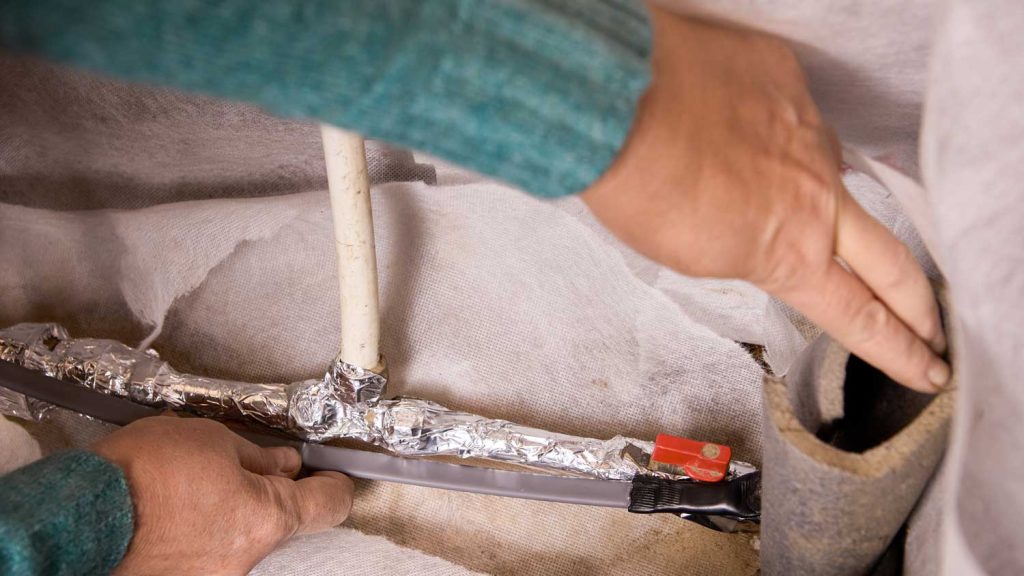
Insulate pipes with foam sleeves or heat tape. These materials add a protective layer against cold. Use insulation designed for underground use. Wrap pipes evenly to cover all exposed areas. Insulation slows heat loss and stops freezing.
Maintaining Consistent Water Flow
Water movement resists freezing inside pipes. Letting taps drip slowly keeps water flowing. This reduces pressure build-up and ice formation. Use this method during extreme cold spells. Continuous flow is a simple yet effective defense.
Repairing Frozen Pipes Underground
Repairing frozen pipes underground requires careful handling. These pipes are hidden beneath soil and insulation, making access difficult. Quick action is essential to prevent pipe bursts and water damage. Understanding how to detect frozen sections and safely thaw them helps reduce risks. Knowing when to call a professional avoids costly mistakes.
Detecting Frozen Sections
Look for unusual signs such as low water flow or no water at all. Cold spots on the ground above the pipes may indicate freezing. Listen for strange noises when you turn on the faucet. Check exposed pipes for frost or ice buildup. Use a pipe locator tool to identify exact frozen areas underground.
Safe Thawing Methods
Apply gentle heat to the frozen pipe area. Use a hairdryer or heating pad at a safe distance. Never use an open flame or high heat devices. Wrap the pipe with warm towels soaked in hot water. Keep water running slowly through the pipe to help melt ice. Avoid rapid temperature changes that can crack pipes.
When To Call A Professional
Call a plumber if you cannot find the frozen spot. If pipes are buried deep or under concrete, do not attempt to dig. Contact professionals if pipes show signs of cracking or leaking. Emergency help is needed if water damage has started. Experts have tools to safely thaw and repair underground pipes.

Credit: sddhguanye.en.made-in-china.com
Climate Factors Affecting Underground Freezing
Understanding the climate factors that influence whether pipes freeze underground is key to protecting your plumbing. Several environmental elements work together to either shield your pipes or expose them to freezing risks. Let’s look closely at how cold weather patterns, soil composition, and seasonal changes each play a role in this process.
Cold Weather Patterns
Extreme cold spells significantly increase the risk of underground pipes freezing. When temperatures drop below freezing for extended periods, the ground itself can cool enough to freeze the water inside pipes. Have you noticed how a sudden cold snap can catch you off guard and cause unexpected plumbing issues?
Areas with frequent temperature fluctuations are especially vulnerable because repeated freezing and thawing can weaken pipe insulation in the soil. Monitoring local weather forecasts and preparing before these cold periods can save you from costly repairs.
Soil Composition And Moisture
The type of soil surrounding your pipes influences how quickly the ground loses heat. Sandy soils drain water quickly and tend to cool faster, which can increase freezing risk. On the other hand, clay soils retain moisture and heat longer, offering more protection.
Moist soil can both help and harm; wet soil transfers cold more efficiently, but it also stores heat from the sun better than dry soil. Do you know what kind of soil surrounds your home’s plumbing? This knowledge can guide you in choosing the right insulation methods.
Seasonal Changes
Seasonal shifts impact underground pipe temperatures more than you might expect. During autumn, the ground begins to lose heat, but it often remains warm enough to keep pipes safe. By winter, however, prolonged cold causes deeper freezing.
Spring thaw can also cause problems. Melting ground can expose damaged pipes or create pressure from ice blockages. Staying aware of these seasonal patterns lets you take timely action to protect your pipes throughout the year.

Credit: www.angi.com
Frequently Asked Questions
Can Underground Pipes Freeze In Cold Weather?
Yes, underground pipes can freeze if temperatures drop below freezing. Shallow pipes or poor soil insulation increase freezing risk. Proper burial depth and insulation help prevent freezing damage.
How Deep Should Pipes Be Buried To Avoid Freezing?
Pipes should be buried below the frost line, usually 12-48 inches deep. Depth varies by region and soil type. Proper depth protects pipes from freezing during winter months.
What Causes Underground Pipes To Freeze?
Freezing occurs when soil temperatures drop below 32°F and pipes lack insulation. Water inside pipes freezes, expanding and causing damage. Shallow burial or exposed pipes increase freeze risk.
How Can I Prevent Underground Pipes From Freezing?
Insulate pipes with foam sleeves or heat tape, and ensure proper burial depth. Maintain soil cover and seal gaps around pipes. These steps reduce freezing chances and costly repairs.
Conclusion
Pipes can freeze underground, but it depends on many factors. Soil type, depth, and temperature all matter. Proper insulation helps protect pipes from cold damage. Knowing how to prevent freezing saves costly repairs later. Stay aware during cold weather, and check pipes often.
Taking simple steps keeps water flowing and your home safe. Don’t ignore signs of freezing; act quickly to avoid trouble. Safe pipes mean peace of mind all winter long.