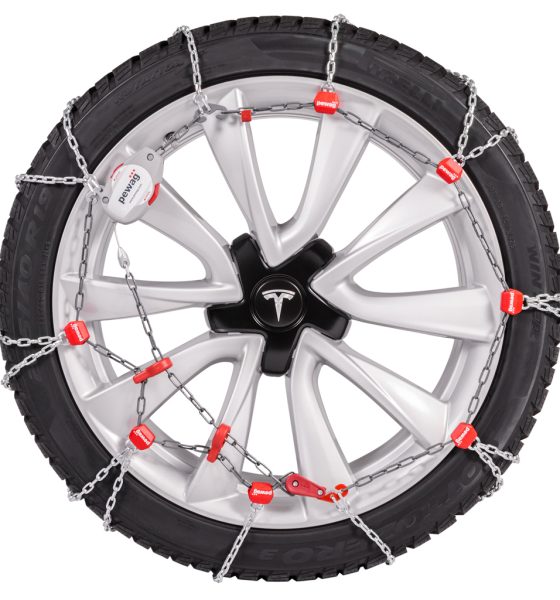
Are you wondering if your Tesla Model Y needs snow chains when winter hits? Driving in snowy or icy conditions can be tricky, and you want to make sure your car stays safe and steady on the road.
But with the Model Y’s advanced features and all-wheel drive, do you really need those bulky chains? Keep reading to find out what experts say, what the law requires, and how you can prepare your Tesla for winter without losing comfort or control.
This guide will help you make the best choice for your safety and peace of mind.
Tesla Model Y Winter Performance
The Tesla Model Y handles winter conditions with impressive capability, but understanding its performance nuances can help you decide if snow chains are necessary. Knowing how its all-wheel drive works, the type of tires you use, and how cold affects battery efficiency will give you confidence during snowy drives. Let’s break down these key factors to see how your Model Y performs when the temperature drops.
All-wheel Drive And Traction
The Model Y’s dual motor all-wheel drive constantly adjusts power between front and rear wheels to maximize grip. This system helps maintain control on slippery roads by sending torque to the wheels with the most traction.
However, even with advanced traction control, deep snow or icy patches can challenge the vehicle’s grip. Have you noticed your tires slipping on steep, snowy hills? That’s when additional traction aids like snow chains might become necessary.
Tire Types And Their Impact
Tires play a crucial role in winter driving safety and performance. Winter tires have softer rubber compounds and deeper treads designed to grip snow and ice better than all-season tires.
If you rely on all-season tires, your Model Y’s traction will be limited in severe winter conditions. Switching to dedicated winter tires can reduce the need for snow chains while improving braking and handling on cold, slippery roads.
Battery Efficiency In Cold
Cold weather affects the Model Y’s battery performance by reducing its range and power temporarily. The battery management system works harder to keep the battery warm, which can slightly lower overall efficiency.
Planning your trips with this in mind helps avoid unexpected range drops. Do you preheat your Model Y before driving in freezing weather? This simple habit can preserve battery life and maintain consistent power delivery during your winter journeys.
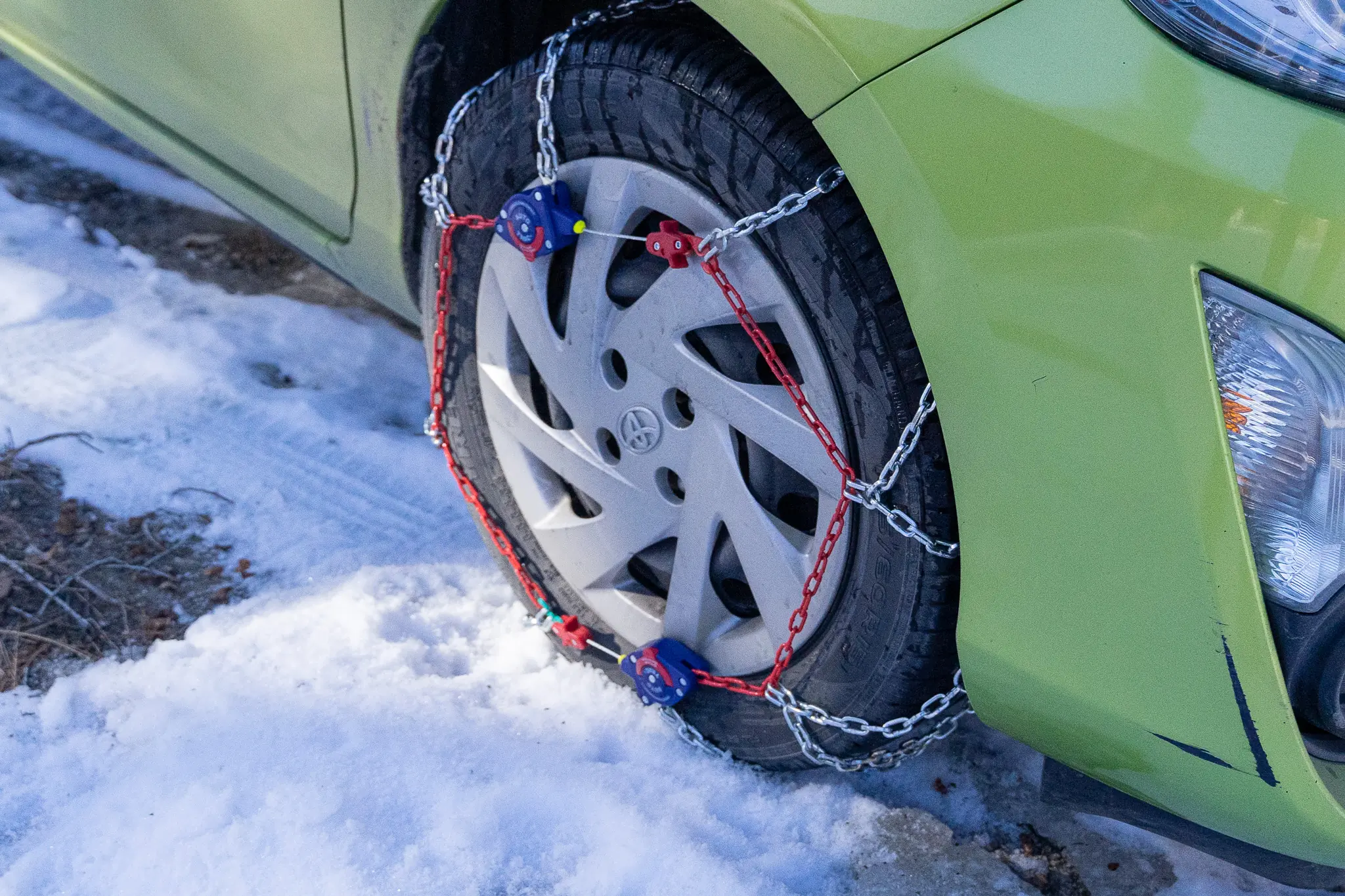
Credit: gearjunkie.com
When Snow Chains Become Necessary
Knowing when to use snow chains on your Tesla Model Y can save you from dangerous situations and potential fines. Snow chains are not always mandatory, but certain conditions and rules make them essential for safe driving. Recognizing these moments ensures you stay in control and comply with local laws.
Legal Requirements By Region
Different regions have varied rules about snow chains, especially in mountainous or snowy areas. In some places, chains are required by law during winter months or when specific signs are posted on the road. For example, many parts of the Rocky Mountains in the U.S. require chains when driving through passes after heavy snowfall.
Ignoring these legal requirements can result in hefty fines or being stopped from continuing your journey. Always check local regulations before hitting the road during winter, especially if you plan to travel through areas known for heavy snow. Have you ever found yourself surprised by sudden chain requirements?
Road Conditions That Demand Chains
Snow chains become necessary when the road is covered in thick ice or deep snow that your Tesla Model Y’s tires can’t grip properly. Even with all-wheel drive and traction control, slippery surfaces can overwhelm your car’s capabilities.
Steep inclines and sharp curves on snowy roads increase the risk of slipping and losing control. If you notice your wheels spinning without traction or your car sliding, chains can provide the extra grip needed to maintain safety. Consider chains your backup plan for the toughest winter conditions.
Signs To Watch For
Pay attention to road signs indicating chain requirements or warnings about slippery conditions. These signs often appear at the entrances to mountain passes or in regions prone to sudden weather changes.
Weather alerts and local traffic reports can also give you early warnings about when chains become necessary. If you see increasing snow accumulation or ice patches on your route, it’s wise to stop and install chains before conditions worsen.
Have you ever ignored these signs and regretted it? Staying alert to these indicators can make a significant difference in your winter driving experience with the Model Y.
Choosing The Right Snow Chains
Choosing the right snow chains for your Tesla Model Y is crucial to ensure safety, protect your tires, and maintain the vehicle’s performance in snowy conditions. Not all chains fit every tire, and the wrong choice can lead to damage or poor traction. Let’s break down what matters most when selecting snow chains for your Model Y.
Compatibility With Model Y Tires
Your Tesla Model Y usually comes with specific tire sizes that may not fit standard snow chains. Always check the tire size stamped on the sidewall and match it exactly with the chain’s specifications.
Chains that are too tight or too loose can cause damage to your tires or even the car’s body. Have you checked if the chains you’re considering list your tire size? Some chains are designed for wider or narrower tires, so compatibility is key.
Material And Durability
Snow chains come in various materials like steel, alloy, or even composite plastics. Steel chains offer excellent durability and grip but can be heavier and noisier on the road.
On the other hand, alloy or composite chains tend to be lighter and easier on your tires but might wear out faster. Think about how often you’ll be driving in snowy conditions—do you need a heavy-duty option or something more for occasional use?
Ease Of Installation
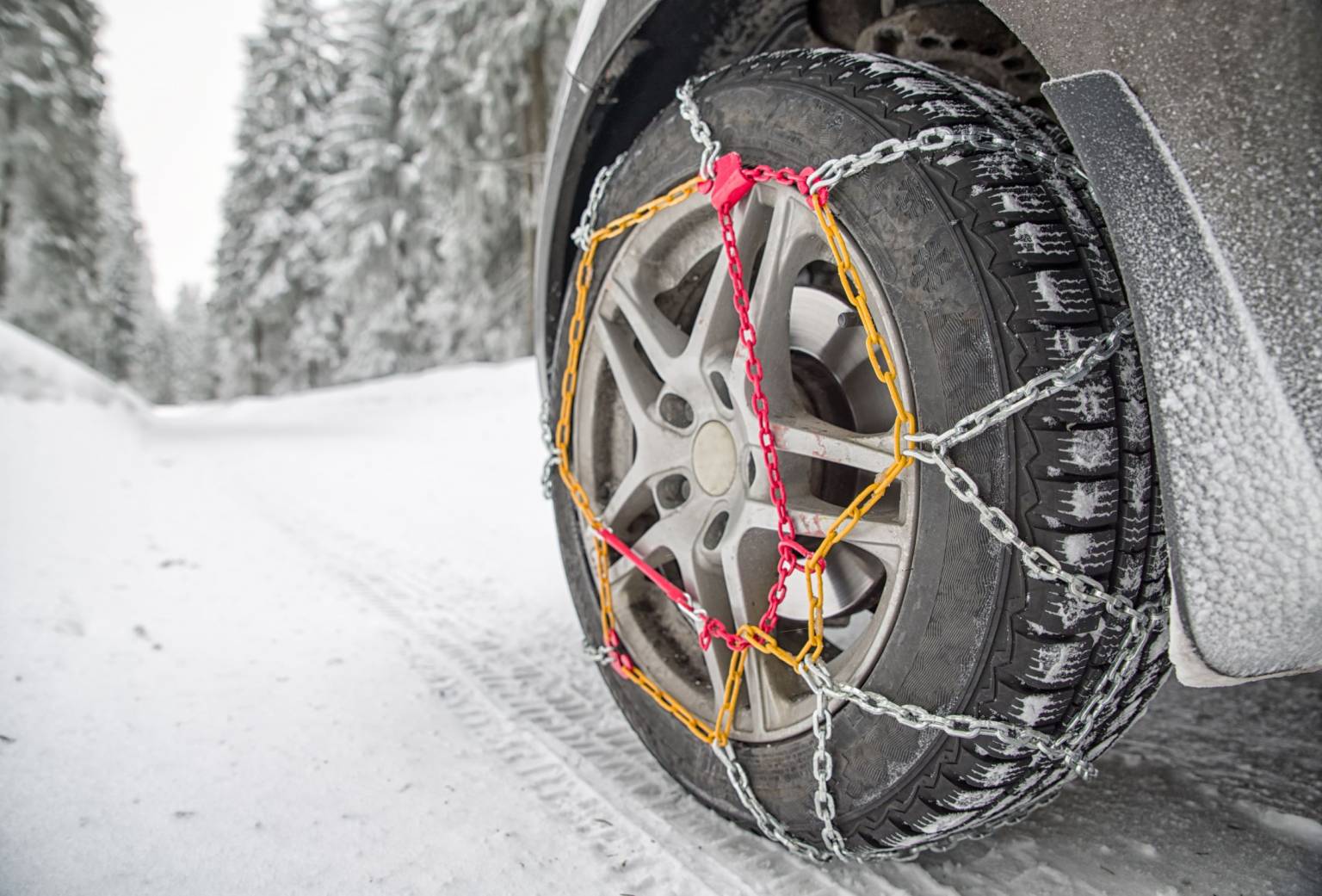
Installing snow chains can be tricky, especially in harsh weather. Look for chains designed with quick-install features or self-tightening mechanisms to save time and frustration.
Have you tried installing chains before? If not, consider practicing at home where you’re comfortable. Some chains require you to remove the wheel, while others can be fitted directly on the tire—this difference can impact your choice.
Credit: gearjunkie.com
Installing Snow Chains On Model Y
Installing snow chains on your Tesla Model Y can dramatically improve traction and safety during heavy snow or icy road conditions. Although the Model Y’s all-wheel drive offers solid grip, snow chains provide an extra layer of confidence when driving through challenging winter terrain. Knowing how to properly install and maintain these chains is essential to avoid damage and ensure your vehicle performs at its best.
Step-by-step Installation Guide
Start by parking your Model Y on a flat, safe spot away from traffic. Lay the snow chains flat on the ground to untangle any twists.
- Drape the chains over the top of the tires, ensuring they are centered and evenly distributed.
- Connect the inside fasteners first, then secure the outside hooks or clasps tightly.
- Make sure the chains fit snugly without excessive slack to prevent slipping.
- After installation, drive forward slowly for a few meters, then stop and retighten the chains as needed.
Always check Tesla’s manual for any specific chain recommendations or restrictions related to the Model Y’s tire size and clearance.
Common Mistakes To Avoid
A common error is installing chains on the wrong tires. Since the Model Y is all-wheel drive, chains should go on all four wheels if possible, but if you only have one set, prioritize the rear wheels for better stability.
Avoid driving at high speeds with chains; staying under 30 mph prevents damage to both chains and tires. Also, don’t wait until you’re in deep snow—install chains before conditions worsen to avoid struggling in harsh weather.
Never install chains on tires that are too large or small for the chains, as this can cause slippage or damage to the wheel wells.
Maintenance During Use
While driving with snow chains, regularly stop to inspect their tightness. Chains tend to loosen as you drive, which can lead to chafing or even breakage.
Keep an eye on unusual noises or vibrations; these can signal that a chain is loose or misaligned. Adjust immediately to avoid damage to your Model Y’s tires or suspension.
After using the chains, clean them thoroughly to remove salt and grime. Dry them completely before storing to prevent rust and prolong their lifespan.
Alternatives To Snow Chains
Snow chains are not the only option for improving traction in winter. Several alternatives offer safety and convenience on snowy roads. These options can protect your Tesla Model Y and provide better control in harsh conditions.
Winter Tires Vs. Snow Chains
Winter tires are designed with special rubber compounds and tread patterns. They stay flexible in cold temperatures for better grip. These tires work well on snow and ice without damaging roads.
Snow chains offer extra grip but can be noisy and hard to install. Some areas restrict chain use due to road damage concerns. Winter tires provide a smoother, safer ride without these issues.
Traction Mats And Other Tools
Traction mats help when stuck in snow or ice. Place the mat under the tires to gain grip and move out. Other tools like sandbags or kitty litter can also add traction.
These tools are easy to carry and use in emergencies. They are not a replacement for good tires but help in tricky spots.
Using Tesla’s Traction Features
Tesla Model Y includes traction control systems to improve grip. These features reduce wheel spin on slippery surfaces. The car’s software adjusts power to wheels for better stability.
Using Tesla’s traction features with winter tires increases safety. It helps maintain control without the hassle of chains. Always keep these systems active in snowy conditions.
Safety Tips For Winter Driving
Driving your Tesla Model Y in winter demands more than just deciding whether to use snow chains. Safety becomes a priority as icy roads and low temperatures challenge both you and your vehicle. Adapting your driving habits, preparing for emergencies, and managing battery care are crucial steps to keep you safe and confident on winter roads.
Adjusting Driving Habits
Slowing down is the simplest change you can make. Even if your Tesla Model Y feels stable, ice can surprise you. Maintain a greater distance from the car ahead to give yourself extra stopping time.
Use gentle acceleration and braking to avoid slipping. Tesla’s regenerative braking can be strong, so modulate it carefully on slick surfaces. Have you noticed how sudden moves increase risk during winter drives?
Plan your routes to avoid steep hills or poorly maintained roads. Choosing roads that get regular snow clearance reduces hazards significantly. Are you ready to change your usual path for safer roads?
Preparing For Emergencies
Winter emergencies can happen to anyone. Keep a kit with essentials like blankets, a flashlight, extra gloves, and non-perishable snacks in your car. These items can make a big difference if you get stuck or stranded.
Also, carry a portable phone charger to ensure you can call for help when needed. A small shovel and traction mats can help you get unstuck without waiting for assistance. Have you packed these items yet?
Check your Tesla’s tire pressure regularly. Cold air reduces tire pressure, which affects grip and safety. Properly inflated tires improve handling, especially on snow-covered roads.
Battery Care In Cold Weather
Cold weather reduces battery range, so plan your trips with extra margin. Precondition your Tesla Model Y’s battery before driving to improve efficiency. You can do this via the Tesla app while the car is still plugged in.
Avoid leaving your vehicle parked in extreme cold for long periods without charging. Low battery levels combined with cold temperatures can lead to power loss. How often do you check your battery health during winter?
Use Tesla’s scheduled departure feature to warm up the cabin and battery simultaneously. This saves energy and ensures your car is ready to go without sudden drops in range. It’s a small step that makes a big difference on cold mornings.

Credit: teslanorth.com
Frequently Asked Questions
Do Tesla Model Y Need Snow Chains?
Yes, Tesla Model Y may need snow chains in severe winter conditions. Snow chains provide additional traction on icy or snowy roads. They are especially useful in areas with heavy snowfall or when required by law. Always check local regulations and Tesla’s guidelines for snow chain compatibility with your specific model.
Are Snow Chains Necessary For Electric Vehicles?
Snow chains can be necessary for electric vehicles, including Tesla Model Y, in snowy conditions. They improve grip on slippery roads, enhancing safety and control. It’s crucial to ensure that the snow chains are compatible with your vehicle’s tire specifications.
Consider local weather patterns and legal requirements before deciding.
Can Tesla Model Y Handle Snow Without Chains?
Tesla Model Y handles moderate snow well due to its all-wheel-drive system and traction control. However, in severe weather, snow chains may be advisable for added safety. They improve traction on icy and snowy surfaces, offering better control. Always prioritize safety and check local regulations regarding snow chain usage.
What Type Of Snow Chains Are Best For Tesla?
For Tesla Model Y, low-profile snow chains are typically recommended. They fit well with the limited clearance of the wheel wells. Ensure the chains are compatible with your tire size and Tesla’s guidelines. Opt for high-quality chains from reputable brands to ensure durability and effectiveness in harsh conditions.
Conclusion
Tesla Model Y may need snow chains in heavy snow or icy roads. Its tires and traction control help in light snow. Chains provide extra grip on steep or slippery hills. Always check local laws about snow chain use. Choose chains that fit Model Y tires properly.
Install chains carefully to avoid damage to wheels. Drive slowly and safely when chains are on. Snow chains can improve safety but are not always required. Prepare for winter driving with proper tires and equipment. Stay safe and enjoy your Tesla Model Y in winter.