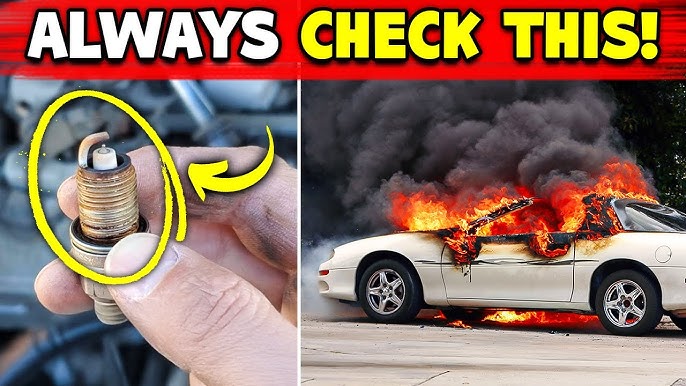
Have you ever wondered how a car can suddenly catch on fire? It’s a scary thought, and understanding what causes this dangerous situation can help you stay safe.
Your car is full of parts and fluids that, if something goes wrong, might spark a fire in an instant. You’ll learn the common reasons behind car fires and simple steps you can take to protect yourself and your vehicle.
Keep reading—knowing these facts could make all the difference the next time you hit the road.
Common Causes Of Car Fires
Car fires can start suddenly and spread fast. Knowing common causes helps prevent accidents. Many car fires begin from simple mechanical or electrical problems. Some parts of the vehicle are more likely to catch fire due to heat or fuel.
Electrical System Failures
Faulty wiring and bad connections can cause sparks. Sparks can ignite flammable materials inside the car. Overloaded circuits or short circuits often lead to electrical fires. Old batteries or damaged fuses also pose risks. Regular checks can spot these issues early.
Fuel System Leaks
Fuel leaks are a major fire hazard. Gasoline or diesel leaking onto hot engine parts can ignite. Damaged fuel lines or loose fittings cause leaks. Fuel vapors are highly flammable and spread quickly. Timely repair of leaks reduces fire risks.
Engine Overheating
Engines that run too hot can start fires. Overheating may cause oil or coolant to ignite. Broken cooling systems or low fluids often cause overheating. Smoke or burning smells warn of overheating problems. Fixing cooling issues protects the engine and passengers.
Exhaust System Issues
Problems with the exhaust system can lead to fires. Hot exhaust pipes can ignite dry leaves or debris under the car. Cracked or damaged exhaust parts increase heat buildup. Blocked catalytic converters cause excessive heat. Cleaning and repairing exhaust parts prevent fire hazards.

Credit: www.youtube.com
External Factors Leading To Fires
Cars can catch fire due to many outside causes. These external factors often cause fires suddenly and without warning. Knowing these risks helps keep drivers and passengers safe.
External factors include accidents, deliberate acts, and natural conditions. Each can create sparks or heat, leading to flames. Understanding these helps prevent dangerous situations on the road.
Accidents And Collisions
Crashes can rupture fuel tanks or lines, spilling flammable liquids. Sparks from metal scraping or electrical shorts may ignite these spills. High-speed collisions increase fire risk by damaging more vehicle parts. Emergency responders often find fire hazards at accident scenes.
Arson And Vandalism
Some fires start due to deliberate actions. Arsonists use fire to damage or destroy vehicles. Vandals might strike with burning materials or tools. These acts cause sudden fires, often in parking lots or streets. Security measures can reduce these risks.
Environmental Hazards
Hot weather can increase the chance of a car fire. Dry leaves or grass near exhaust pipes can catch fire. Lightning strikes may also ignite vehicles parked outdoors. Wildfires pose a threat to cars in affected areas. Drivers must be cautious in risky environments.
Neglected Maintenance Risks
Ignoring routine maintenance can turn your car into a fire hazard without you even realizing it. Small issues, if left unattended, can escalate into dangerous problems. Understanding these neglected maintenance risks helps you protect your vehicle and your safety.
Ignoring Fluid Leaks
Fluids like oil, coolant, and transmission fluid are flammable and can ignite if they leak onto hot engine parts. You might notice a puddle under your car or a strong smell, but it’s easy to dismiss these signs as minor. Have you ever checked your driveway after parking? Spotting leaks early can save you from a potential fire.
Worn Out Wiring
Over time, wiring insulation can crack or wear out, exposing wires and increasing the risk of sparks. These sparks can easily ignite nearby materials, especially if your wiring runs close to fuel lines. If your car’s electrical components act strangely, such as flickering lights or malfunctioning gauges, it’s time to inspect the wiring.
Faulty Battery Connections
Loose or corroded battery terminals can cause electrical shorts, generating enough heat to start a fire. You might notice corrosion as a white or greenish powder around the battery posts. Regularly cleaning and tightening your battery connections is a simple step that can prevent dangerous overheating.
Flammable Materials Inside The Vehicle
Flammable materials inside your vehicle can be a hidden danger you might overlook. These items can ignite quickly, turning a small problem into a serious fire. Understanding what materials pose risks helps you keep your car and everyone inside safe.
Improper Storage Of Gasoline
Storing gasoline inside your car is risky, especially if containers are not sealed properly. Gasoline vapors can leak and build up, creating a highly flammable environment. Even a tiny spark from electrical components or static electricity can ignite these vapors, leading to a fire.
Have you ever noticed the smell of fuel inside your car? That’s a warning sign to check your storage immediately. Always use approved gas containers and keep them in well-ventilated areas outside the passenger compartment.
Use Of Aftermarket Accessories
Adding aftermarket accessories like extra lights or sound systems can sometimes cause electrical problems. Poor wiring or cheap components may overheat and spark a fire. It’s important to install these accessories carefully or have a professional do it for you.
Think about the last time you customized your car. Did you check if all wires were properly insulated? Avoid shortcuts that could lead to dangerous shorts or overheating.
Accumulation Of Debris
Leaves, paper, and other debris can gather in your engine bay or under the seats. These materials are highly flammable and can ignite if they come into contact with hot engine parts or sparks. Regular cleaning helps prevent this hidden fire risk.
Do you often clean under your car seats or check the engine area? A quick sweep can protect your car from unexpected flare-ups caused by debris buildup.
Safety Measures To Prevent Fires
Preventing car fires starts with simple safety measures anyone can follow. These steps reduce risks and keep you safe on the road. Being cautious helps avoid dangerous situations and costly damage.
Regular Vehicle Inspections
Check your vehicle often to spot problems early. Look for worn-out wires, leaks, or damaged fuel lines. Fix small issues before they grow into fire hazards. Keep your engine clean and free of oil or grease build-up. Replace old or frayed belts and hoses. Regular inspections help catch hidden risks that can cause fires.
Proper Handling Of Flammable Items
Store flammable liquids like gasoline or oil in approved containers. Never leave these items loose inside the car. Avoid smoking or using open flames near fuel or oil. Handle fuel carefully during refills to prevent spills. Clean up any spills immediately and dispose of rags safely. Safe handling reduces chances of ignition inside or near your vehicle.
Emergency Response Tips
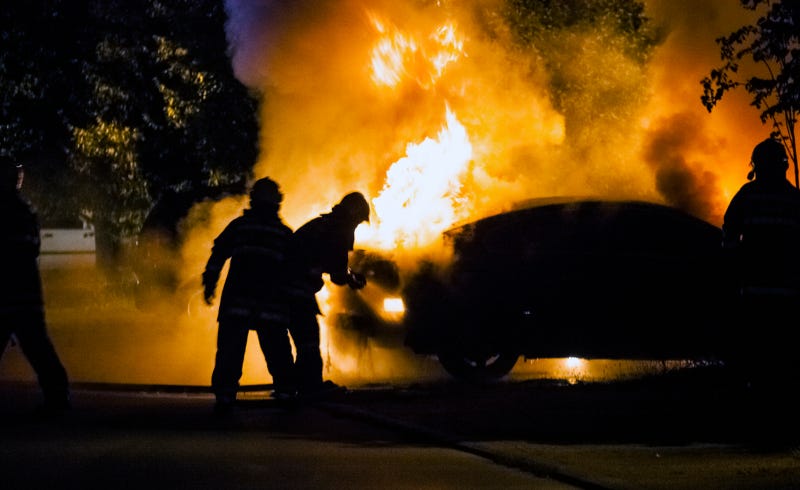
Know how to react if your car catches fire. Stop the vehicle in a safe place away from traffic. Turn off the engine and get everyone out quickly. Keep a fire extinguisher in your car and know how to use it. Call emergency services immediately for help. Stay a safe distance away and avoid opening the hood if fire is visible.
Credit: medium.com

Credit: www.reddit.com
Frequently Asked Questions
What Causes A Car To Catch Fire?
A car can catch fire due to fuel leaks, electrical faults, or overheating. Faulty wiring and overheated engines are common culprits. Regular maintenance helps prevent these issues. Ensuring that all components are in good condition reduces the risk significantly.
How Can A Car Fire Be Prevented?
Regular inspections and maintenance can help prevent car fires. Check for fuel leaks and electrical issues frequently. Address any unusual smells or smoke immediately. Keeping your vehicle well-maintained is crucial to avoiding fire hazards.
What Should You Do If Your Car Catches Fire?
If your car catches fire, stop immediately and turn off the engine. Evacuate all passengers and move to a safe distance. Call emergency services and avoid opening the hood, as more oxygen can fuel the fire.
Are Car Fires Common?
Car fires are relatively rare but can be dangerous when they occur. Most are caused by mechanical failures or accidents. Staying vigilant and maintaining your vehicle reduces the likelihood of a fire.
Conclusion
Car fires often start from leaks, electrical faults, or overheating. Small problems can grow fast into big dangers. Regular car checks help find issues early. Knowing what causes fires can keep you safe. Stay alert and act quickly if smoke or flames appear.
Taking care of your car reduces fire risks. Safety matters every time you drive.