
Have you ever wondered if you can put toothbrushes in the dishwasher? It’s a question many of us have pondered while trying to keep our oral hygiene tools squeaky clean.
You might think tossing them in with the dishes is a quick and easy solution, but is it safe and effective? We’ll dive into the dos and don’ts of cleaning your toothbrush, exploring whether the dishwasher is your best bet or if there are better alternatives.
Stick around to discover surprising insights that could change your cleaning routine and ensure your toothbrush stays as fresh as your smile.
Toothbrush Hygiene Basics
Keeping your toothbrush clean is essential for maintaining good oral health. You might not think about it often, but your toothbrush can harbor a surprising amount of germs. Understanding the basics of toothbrush hygiene helps you avoid reinfecting your mouth every time you brush.
Common Germs On Toothbrushes
Your toothbrush can carry bacteria, viruses, and fungi from your mouth and the environment. Germs like Streptococcus mutans, which cause cavities, often cling to the bristles. Other microbes, including E. coli and Staphylococcus aureus, can also settle on your brush, especially if it’s stored in a damp or shared space.
Have you ever noticed an unpleasant smell or seen discoloration on your toothbrush? These are signs that harmful germs might be thriving. Ignoring these signs can lead to mouth infections or worsen existing dental problems.
Daily Cleaning Tips
Rinsing your toothbrush thoroughly with tap water after each use removes leftover toothpaste and food particles. Store it upright and let it air dry completely to prevent bacteria from multiplying in moisture.
Avoid covering your toothbrush or storing it in closed containers, as trapped moisture creates a breeding ground for germs. Consider replacing your toothbrush every 3-4 months or sooner if the bristles look frayed.
- Rinse with hot water occasionally to kill some germs.
- Use a toothbrush sanitizer or UV light device if you want extra protection.
- Never share your toothbrush with others to avoid cross-contamination.
What small change can you make today to improve your toothbrush hygiene? Even simple habits can make a big difference in keeping your smile healthy.
Credit: ca.style.yahoo.com
Dishwasher Cleaning Power
The cleaning power of dishwashers goes beyond just washing your plates and cups. Many wonder if this power extends to items like toothbrushes. Understanding how dishwashers sanitize can help you decide if it’s a safe and effective way to clean your oral care tools.
How Dishwashers Sanitize Items
Dishwashers use a combination of hot water, detergent, and strong jets to remove dirt and germs. The detergent breaks down grime while the water washes it away. This process can kill many common bacteria and viruses on hard surfaces.
However, toothbrushes have soft bristles and delicate parts that might not respond the same way as dishes. You might ask yourself: can the dishwasher reach all the nooks of a toothbrush? Also, leftover toothpaste and debris might affect how well it gets cleaned.
Temperature And Water Pressure Effects
The temperature inside a dishwasher usually reaches around 130 to 160°F (54 to 71°C). This heat helps kill germs effectively. But extreme heat can sometimes warp or damage the plastic parts of toothbrushes.
Water pressure is another factor. Powerful jets can blast away debris, but they might also bend or fray bristles. This can reduce the toothbrush’s effectiveness over time.
If you consider putting your toothbrush in the dishwasher, think about the balance between getting it clean and preserving its shape. Would you rather sanitize it thoroughly or keep it intact for longer use?
Risks Of Using A Dishwasher
Putting toothbrushes in the dishwasher might seem like a quick way to clean them. The dishwasher uses hot water and strong detergents to clean dishes. These conditions can cause problems for your toothbrush. Understanding the risks helps you decide if this method is right for you.
Potential Damage To Toothbrush Bristles
Dishwasher heat can warp toothbrush bristles. High temperatures may make bristles bend or break. This damage reduces their ability to clean teeth effectively. Over time, bristles lose their shape and become rough. A damaged toothbrush can hurt your gums and teeth.
Cross-contamination Concerns
Dishwashers clean many dirty items at once. Toothbrushes can get exposed to germs from plates and utensils. These germs may stick to the toothbrush bristles. This increases the chance of spreading bacteria and viruses. Proper cleaning requires isolated and gentle handling of toothbrushes.

Credit: www.wikihow.com
Safe Alternatives For Cleaning Toothbrushes
Keeping your toothbrush clean is essential for good oral hygiene, but the dishwasher isn’t always the best option. Luckily, there are safer and effective alternatives that can help you maintain a fresh brush without risking damage. These methods are easy to do at home and can fit seamlessly into your daily routine.
Soaking In Mouthwash Or Hydrogen Peroxide
Soaking your toothbrush in an antibacterial mouthwash can kill germs and freshen bristles quickly. Just pour enough mouthwash to cover the brush head and let it sit for about 10 minutes before rinsing thoroughly.
Hydrogen peroxide is another powerful disinfectant. You can soak your toothbrush in a 3% hydrogen peroxide solution for 5 to 10 minutes to eliminate bacteria. Make sure to rinse well afterward to avoid any taste or irritation.
Have you noticed how your toothbrush feels after this simple soak? It often feels cleaner and looks brighter, giving you peace of mind before your next use.
Uv Sanitizers And Other Devices
UV toothbrush sanitizers use ultraviolet light to destroy bacteria without harsh chemicals. These compact devices are easy to use—just place your toothbrush inside, close the lid, and let the UV light do its work in a few minutes.
Other gadgets, like ultrasonic cleaners, use sound waves to remove debris and germs effectively. These tools are especially handy if you want a tech-driven, hands-off cleaning method.
Investing in a UV sanitizer might seem like a luxury, but it can save you time and provide a deeper clean than rinsing alone. Could this be the upgrade your oral care routine needs?
Expert Opinions And Studies
Wondering if you can safely clean your toothbrush in the dishwasher? It’s a question many ask, and experts have weighed in with their views. Let’s look at what dentists say and what scientific studies reveal about this cleaning method.
Dentists’ Recommendations
Most dentists agree that keeping your toothbrush clean is essential for oral health. However, they usually suggest rinsing it thoroughly with water after each use rather than relying on a dishwasher. Some dentists warn that the heat and harsh detergents in dishwashers might damage the bristles, reducing the toothbrush’s effectiveness.
Interestingly, a few dental professionals mention that occasionally using boiling water or specialized toothbrush sanitizers can be safer options for deep cleaning. Have you ever noticed your toothbrush bristles fraying quickly? That could be a sign that harsh cleaning methods like dishwashing are not ideal.
Scientific Research Findings
Studies on toothbrush hygiene show mixed results regarding dishwasher use. Research confirms that dishwashers can kill many bacteria and viruses, but they might not remove all debris from bristles. Plus, the intense heat cycles could wear down toothbrush materials faster than expected.
One study compared various cleaning methods, including dishwasher exposure, UV sanitizers, and soaking in mouthwash. It found that while dishwashers reduce microbial load, they don’t completely sterilize the brush. This raises the question: Is partial cleaning enough for something you use every day inside your mouth?
Ultimately, science suggests that regular rinsing combined with occasional sanitizing is more effective than dishwasher cleaning. You might want to consider replacing your toothbrush every three months and using a dedicated sanitizing device if hygiene is your top priority.
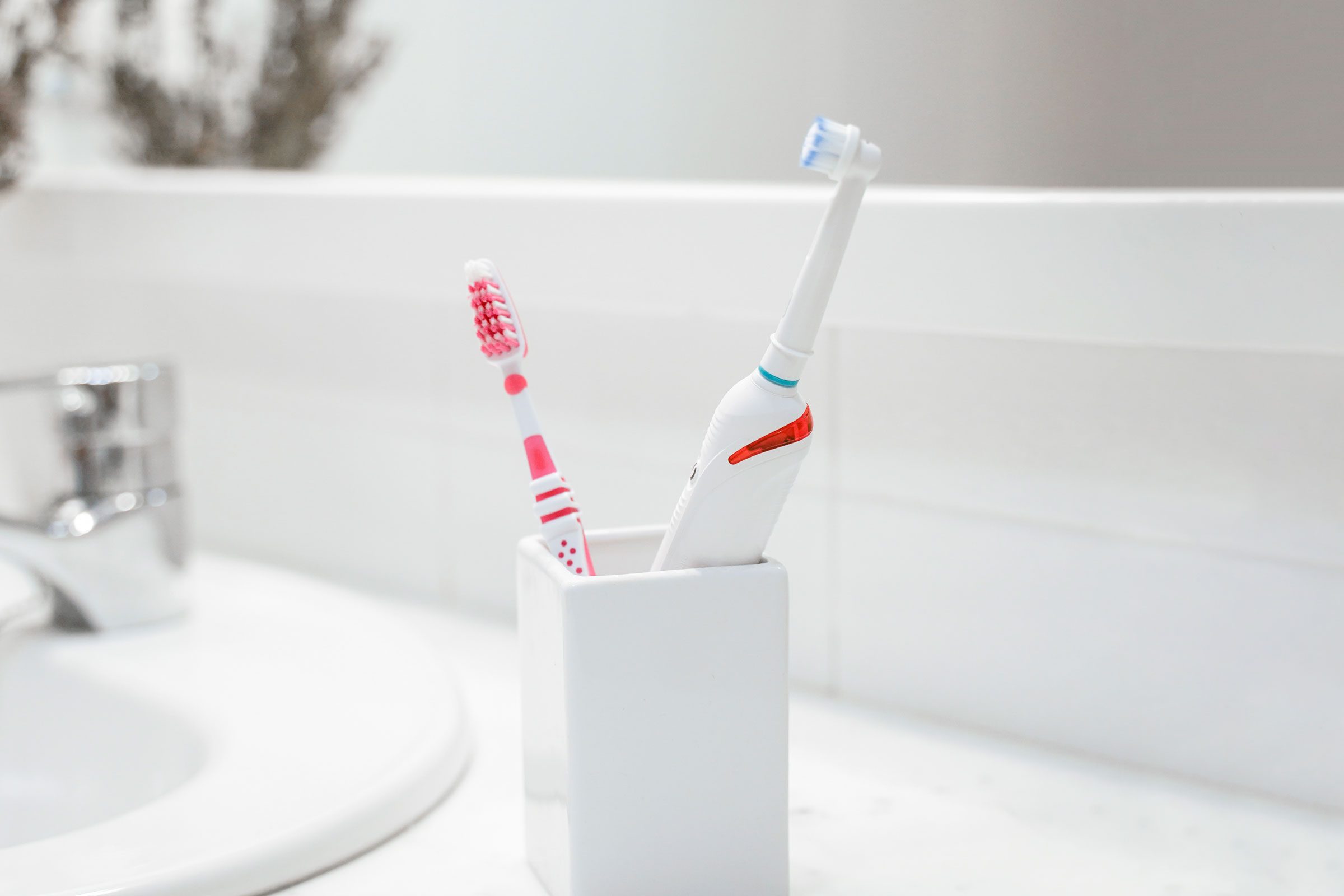
Credit: www.rd.com
Practical Tips For Toothbrush Care
Proper toothbrush care helps keep your mouth healthy. It stops germs from growing and keeps your brush working well. Simple habits make a big difference. These tips help you take care of your toothbrush every day.
Storage Best Practices
Store your toothbrush in an upright position. Let it air dry between uses. Avoid covering the brush head. A closed container traps moisture and germs. Keep toothbrushes separate from others. This stops cross-contamination. Change toothbrush holders often. Clean them with soap and water regularly.
When To Replace Your Toothbrush
Replace your toothbrush every three months. Worn bristles clean less effectively. Change it sooner if you are sick. Germs can linger on the brush. Also, swap your toothbrush after a cold or flu. This prevents reinfection. Watch for frayed bristles. If they appear, replace your brush right away.
Frequently Asked Questions
Can You Safely Clean Toothbrushes In A Dishwasher?
Yes, you can clean toothbrushes in a dishwasher. Use the top rack and a gentle cycle to avoid damage. High heat and strong detergents may wear out bristles faster. This method helps remove bacteria effectively and keeps brushes hygienic.
How Often Should You Sanitize Toothbrushes?
Sanitize toothbrushes weekly to reduce bacteria buildup. Regular cleaning prevents germs that cause oral infections. Dishwashers or soaking in antibacterial mouthwash are effective sanitizing methods. Replace toothbrushes every 3-4 months or sooner if bristles fray.
Will Dishwasher Heat Damage Toothbrush Bristles?
Dishwasher heat can soften or warp toothbrush bristles, especially plastic ones. Use a gentle cycle and avoid high-heat drying to minimize damage. Softening reduces brushing effectiveness, so monitor brush condition after dishwasher cleaning.
Can All Toothbrush Types Go In The Dishwasher?
Not all toothbrushes are dishwasher-safe. Electric toothbrush heads and wooden handles may get damaged. Manual plastic toothbrushes generally tolerate dishwashers well. Always check manufacturer guidelines before dishwasher cleaning to avoid damage.
Conclusion
Putting toothbrushes in the dishwasher can clean them well. But heat and detergent may damage bristles over time. Some toothbrushes might not fit properly in dishwasher racks. A better way is to rinse and air dry daily. Replace toothbrushes every three months for good hygiene.
Keep your brushing tools clean to protect your health. Choose the method that works best for your toothbrush type. Clean toothbrushes help keep your smile bright and healthy.