If you drive in Texas, understanding the Texas Tint Law is crucial for you. Your car’s window tint not only affects how your vehicle looks but also how safe and legal it is on the road.
Do you know if your tint is within the legal limits? Getting it wrong could lead to fines or even trouble with law enforcement. You’ll discover exactly what the Texas Tint Law means for you, how to check your tint levels, and what you need to do to stay on the right side of the law.
Keep reading to protect yourself, your car, and your wallet.
Credit: kepler-dealer.com
Texas Tint Law Basics
Understanding the basics of Texas tint law is essential before you decide to darken your vehicle’s windows. The rules are specific and can vary depending on the type of vehicle and the window location. Knowing these details can help you avoid fines and keep your car looking great while staying legal.
Window Tint Darkness Limits
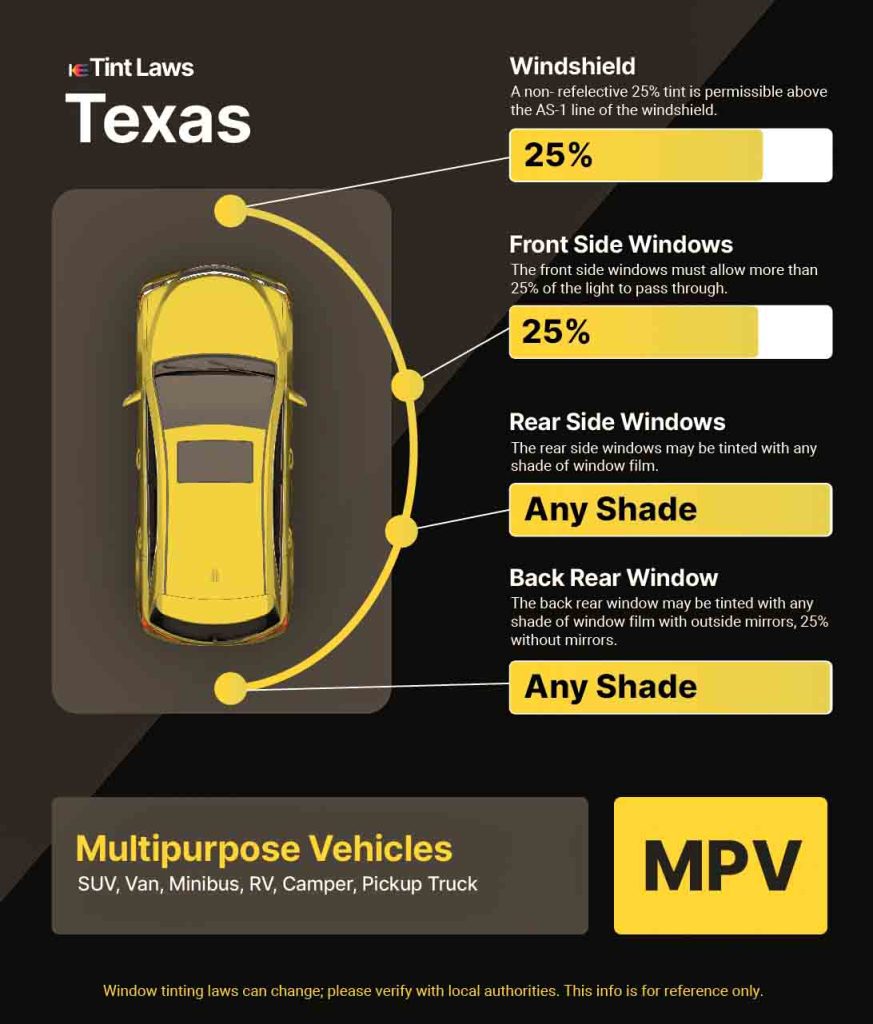
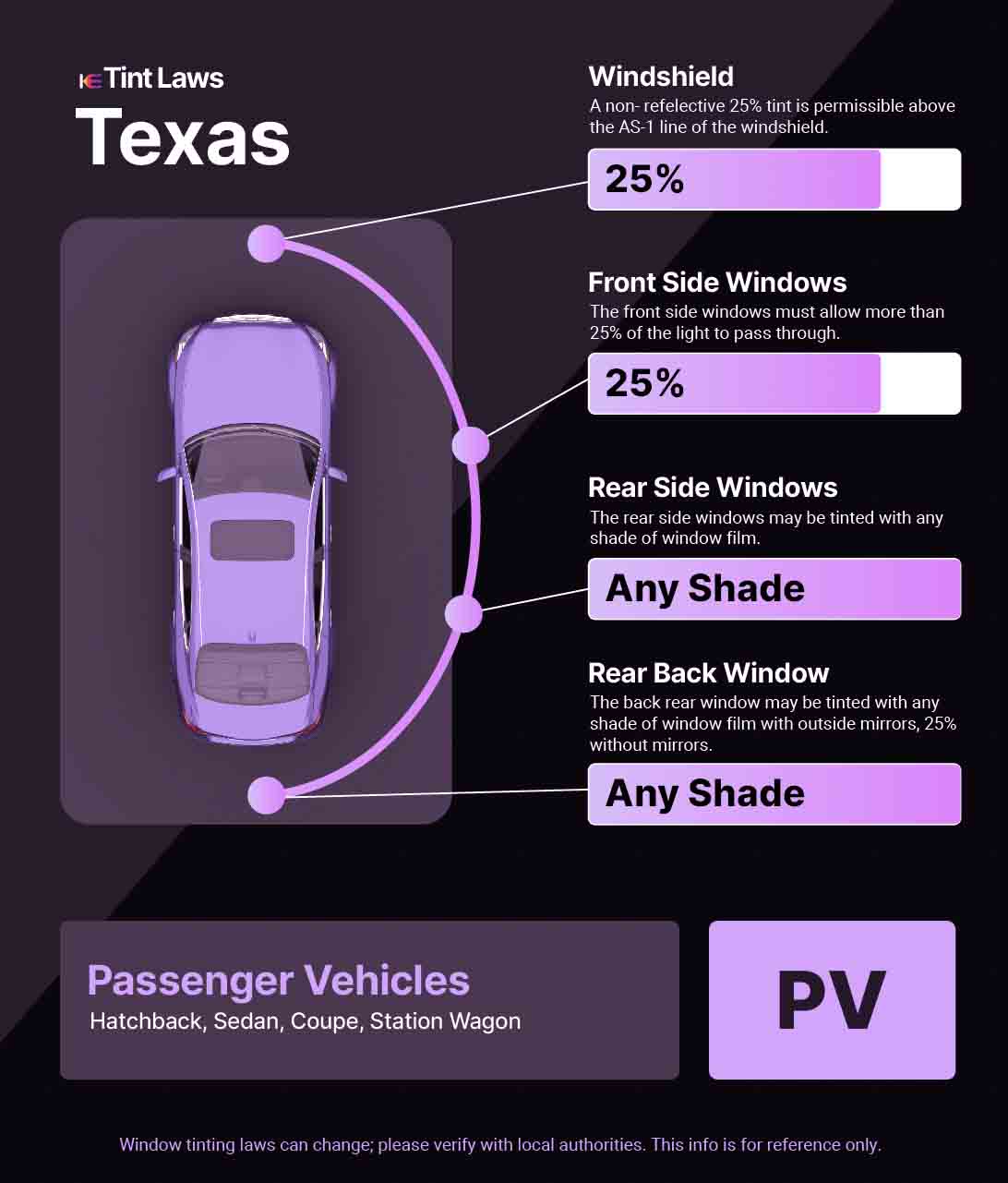
Texas sets clear limits on how dark your window tint can be, measured by Visible Light Transmission (VLT). VLT refers to the percentage of light allowed through the tinted windows.
- Front side windows must allow more than 25% of light in.
- Back side windows and rear window can have any darkness, as long as the vehicle has side mirrors.
Have you ever thought about how much tint is too much? Going darker than allowed can lead to a ticket and the hassle of removing the tint.
Tint Allowed On Different Windows
The law treats each window differently. Front side windows have stricter rules because they affect your visibility and safety.
- Windshield tinting is only allowed on the top 5 inches (the “AS-1 line”) to reduce glare.
- Rear side windows and rear windshield have fewer restrictions but must have mirrors if they are heavily tinted.
If you’re thinking about tinting your vehicle, consider how much visibility you’ll lose on your front windows versus the privacy you gain on the back.
Reflectivity And Color Restrictions
Texas law also limits the reflectiveness and color of your tint. Reflective tints that act like mirrors aren’t allowed on any windows.
- Colors like red, blue, or amber are prohibited to avoid distracting other drivers.
- Only neutral colors such as black or gray are generally accepted.
Have you seen those flashy, colored tints on some cars? They might look cool but can get you pulled over fast in Texas.
Medical Exemptions For Tinting
Getting your vehicle windows tinted can improve comfort and privacy, but Texas tint laws are strict about how dark your tint can be. However, if you have certain medical conditions, you might qualify for an exemption that allows darker tinting to protect your health. Understanding these exemptions could make a big difference if sunlight causes you pain or worsens your condition.
Qualifying Medical Conditions
Texas allows medical exemptions for tinting if you suffer from specific health issues. Conditions like lupus, skin cancer, and severe photosensitivity are commonly recognized. These illnesses make exposure to sunlight harmful, so darker tints help reduce risks.
Have you ever experienced discomfort or pain from sun glare while driving? If so, you might relate to how important these exemptions can be. It’s not just about comfort; it’s about protecting your well-being on the road.
Application Process For Exemptions
To get a medical tint exemption in Texas, you need to follow a clear process. First, consult your doctor to confirm your condition qualifies. Then, submit an application to the Texas Department of Public Safety (DPS) along with the required documents.
The DPS reviews your application and, if approved, issues a certificate allowing you to tint your windows beyond the usual limits. Without this certificate, you risk fines or having to remove your tint.
Required Documentation
Your application must include specific documents to prove your medical need. These include:
- A detailed statement from a licensed physician explaining your diagnosis and why darker tint is necessary.
- Your vehicle registration and proof of insurance.
- The completed application form provided by the Texas DPS.
Missing or incomplete paperwork can delay approval. Double-check everything before submitting. Have you ever faced delays because of incomplete forms? Staying organized makes this process smoother.
Legal Consequences Of Illegal Tint
Illegal window tint in Texas can lead to serious legal troubles. The state has strict rules about how dark window tint can be. Breaking these rules brings penalties that affect your wallet, vehicle, and insurance. Understanding these consequences helps avoid problems with law enforcement and insurance companies.
Fines And Penalties
Driving with illegal tint often results in fines. Officers may issue citations on the spot. Fines vary depending on how much the tint violates the law. Repeat offenses can increase the fines significantly. In some cases, the court may require tint removal. The cost of removal adds to the total expense.
Vehicle Inspection Issues
Texas requires vehicle inspections for safety and compliance. Illegal tint can cause a vehicle to fail inspection. Failing inspection means the vehicle cannot be legally driven. Owners must fix the tint issue and pass inspection again. This delays vehicle registration and use. It also wastes time and money.
Impact On Insurance
Illegal tint may affect your car insurance. Insurance companies might refuse claims after accidents. They may see illegal tint as a risk factor. Some insurers can raise premiums due to illegal modifications. Keeping your tint legal protects insurance coverage and costs. It ensures smooth claims processing if accidents happen.

Credit: rockrosefilm.com
Choosing The Right Tint Film
Choosing the right tint film for your vehicle in Texas involves more than just picking a dark shade. The film must comply with Texas tint laws and provide benefits like UV protection and heat reduction. Understanding different types of tint films helps make a smart choice.
Types Of Tint Films
- Dyed Film:Uses a layer of dye to block sunlight. It is affordable and reduces glare.
- Metalized Film:Contains tiny metal particles. It reflects heat and strengthens the glass.
- Carbon Film:Offers a matte finish. It blocks infrared light and does not fade over time.
- Ceramic Film:Made with ceramic particles. It provides excellent heat rejection and UV protection.
Uv Protection Benefits
Tint films block harmful ultraviolet (UV) rays from the sun. UV rays can cause skin damage and fade car interiors. A good tint film blocks up to 99% of UV rays. This protects your skin and keeps your car’s interior looking new longer.
Heat Reduction And Comfort
Tint films reduce heat inside the vehicle by blocking infrared rays. A cooler car means less use of air conditioning. This saves fuel and makes driving more comfortable. Some films keep the cabin temperature lower even on hot Texas days.
Proper Tint Installation Tips
Proper tint installation is key to obeying Texas tint law and enjoying its benefits. Correct installation ensures the tint looks good and lasts long without peeling or bubbling. The process needs care, the right tools, and knowledge about the legal limits for tint darkness and reflectivity. Understanding how to install tint properly helps avoid fines and keeps your car safe and stylish.
Diy Vs Professional Installation
DIY tint installation can save money but requires patience and skill. You need a clean workspace, special tools, and steady hands. Mistakes are common and can waste your tint film. Professionals have experience and equipment to fit tint perfectly. They know the Texas tint law and can ensure your tint complies. Hiring an expert reduces the risk of damage and poor results.
Common Installation Mistakes
- Poor surface cleaning causes bubbles and dirt under tint.
- Wrong film size leads to wrinkles and uneven edges.
- Applying tint in dusty or humid places traps debris.
- Not removing air bubbles properly creates spots.
- Cutting tint too short leaves gaps on windows.
- Using sharp tools carelessly can scratch the film.
Maintaining Your Tint
Clean tinted windows gently with soft cloths and mild soap. Avoid ammonia-based cleaners that can damage the tint. Do not roll down windows for a few days after installation. Keep the tint dry and avoid sharp objects near windows. Regular care keeps the tint clear and helps it last longer. Check for any peeling or bubbles and fix them quickly.
Enforcement And Police Interaction
Understanding how Texas tint law is enforced can help you stay calm and confident during any police interaction. Officers have specific tools and procedures to measure your window tint, and knowing what to expect can reduce stress. You also have rights and options if you believe a citation was unfair. Let’s break down what happens during enforcement and how you should respond.
How Officers Measure Tint
Police officers use a device called a tint meter to check your window’s darkness. This small gadget shines a light through the glass and calculates the percentage of light passing through. Texas law requires passenger vehicles to have at least 25% visible light transmission on front side windows.
Officers typically measure tint on the driver’s window first. If it’s below the legal limit, they may check other windows to confirm compliance. The process is quick but precise—officers are trained to handle these devices accurately.
What To Do During A Traffic Stop
When an officer pulls you over for tint, stay calm and keep your hands visible on the steering wheel. Politely provide your license and registration when asked, and answer questions clearly. Avoid arguing about the tint during the stop; it won’t help your case at that moment.
If the officer uses a tint meter, watch carefully but don’t interfere. Remember, you have the right to ask if the device is properly calibrated or if they have a certified operator. Showing respect and cooperation can make the interaction smoother.
Challenging Tint Citations
If you receive a citation for illegal tint, you don’t have to accept it without question. Gather evidence such as photos of your windows in daylight and any receipts from professional tint installations. You can request a hearing to challenge the ticket.
Consider asking for a re-test by an independent expert to verify the tint level. Sometimes meters can be faulty or misused. Presenting clear proof and staying organized improves your chances of a favorable outcome.
Have you ever felt unsure about a traffic stop? Preparing ahead for police interactions related to tint can give you control and peace of mind.
Recent Updates To Texas Tint Laws
Texas tint laws have seen notable changes recently. These updates aim to balance driver safety and privacy. Understanding the new rules is crucial for all vehicle owners. The changes affect tint percentages, specific vehicle categories, and hint at future laws. Staying informed helps avoid fines and legal issues.
Changes In Tint Percentages
The allowed darkness of window tint has shifted in some cases. Front side windows now require a higher visible light transmission (VLT) percentage. This means less dark tint is allowed on these windows. Rear side and back windows still permit darker tints but with new limits. These changes focus on improving driver visibility and safety.
New Rules For Specific Vehicles
Different vehicle types face unique tint regulations. For example, passenger vehicles have stricter tint limits than SUVs or trucks. Medical exemptions are clearer and require proper documentation. Commercial vehicles also follow specific tint rules to ensure safety compliance. These tailored rules help address the needs of various drivers.
Future Legislative Trends
Lawmakers continue to review and propose tint law changes. Trends point towards stricter enforcement and clearer guidelines. Some proposals include technology-based solutions for tint measurement. Public safety concerns drive many of these legislative efforts. Keeping an eye on these trends prepares drivers for upcoming rules.

Credit: tlcautoglass.com
Frequently Asked Questions
What Is Texas Tint Law For Cars?
Texas tint law regulates the darkness and reflectivity of window tints. Front side windows must allow more than 25% of light in. Rear side windows and back windows can be any darkness if you have side mirrors. Windshield tint is only allowed on the top five inches.
Are There Medical Exemptions For Tint In Texas?
Yes, Texas allows medical exemptions for window tint. Individuals with certain medical conditions can apply for an exemption. This permits darker tints for their vehicles. You must provide a doctor’s certificate and submit it to the Department of Public Safety for approval.
How Do I Measure Window Tint Darkness?
Window tint darkness is measured by Visible Light Transmission (VLT) percentage. VLT indicates the amount of light that can pass through the tint. A lower percentage means a darker tint. In Texas, front side windows must have a VLT of more than 25%.
Can I Tint My Windshield In Texas?
Yes, but with restrictions. Texas law allows tinting only on the top five inches of the windshield. This strip should be above the AS-1 line. It should also allow more than 25% of light in, ensuring visibility and safety.
Conclusion
Texas tint laws protect drivers and passengers on the road. Knowing these rules helps you avoid fines and trouble. Tint limits vary by window and vehicle type. Always check the latest law updates before tinting your car. Following the law keeps you safe and legal.
Stay informed and drive with confidence every day.