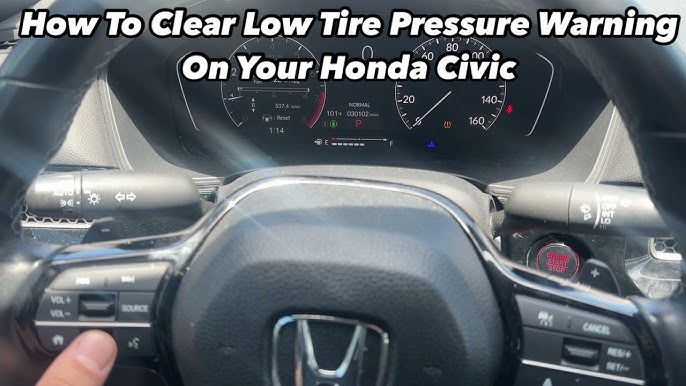
If you’ve noticed the tire pressure warning light on your Honda Civic, you’re probably wondering how to reset it quickly and safely. Keeping your tires at the right pressure is crucial for your safety, fuel efficiency, and the lifespan of your tires.
Luckily, resetting your tire pressure system is easier than you might think. In this guide, you’ll learn simple steps to get your Honda Civic’s tire pressure warning light turned off and your car running smoothly again. Keep reading, and you’ll be back on the road with confidence in no time.

Credit: www.youtube.com
Why Tire Pressure Matters
Maintaining the right tire pressure in your Honda Civic is more than just a routine task—it directly affects how your car performs on the road. You might think it’s a minor detail, but underinflated or overinflated tires can cause big problems. Understanding why tire pressure matters will help you keep your vehicle safe, efficient, and long-lasting.
Impact On Safety
Proper tire pressure ensures your Honda Civic grips the road as it should, especially during sudden stops or sharp turns. Low tire pressure can lead to poor handling and increase the risk of a blowout, putting you and others in danger. Have you ever felt your car pulling to one side? That’s often a sign of uneven tire pressure affecting stability.
Fuel Efficiency Benefits
Keeping your tires inflated to the correct pressure reduces rolling resistance. This means your engine doesn’t have to work as hard, saving you money at the pump. Even a slight drop in tire pressure can reduce fuel efficiency noticeably, so checking your tires regularly pays off in more ways than one.
Tire Longevity
Over or underinflated tires wear unevenly, forcing you to replace them sooner than necessary. Properly inflated tires wear evenly across the tread, extending their lifespan. Think of it this way: maintaining the right pressure is like giving your tires a longer, healthier life, helping you avoid frequent and costly replacements.
Credit: www.brakeandfrontend.com
When To Reset Tire Pressure
Resetting the tire pressure on your Honda Civic helps maintain safe driving conditions. The tire pressure monitoring system (TPMS) needs a reset in certain situations. This ensures the system reads the correct tire pressure after changes.
Knowing when to reset the tire pressure keeps your vehicle running smoothly. It also prevents false warnings and improves fuel efficiency. Below are key moments to reset your tire pressure.
After Inflating Tires
Inflating your tires to the recommended pressure changes the sensor’s reading. The TPMS must reset to recognize the new pressure levels. This prevents warning lights from staying on unnecessarily.
Following Tire Rotation
Tire rotation moves tires to different positions on the car. This changes the sensor locations for each tire. Resetting the TPMS after rotation helps the system track pressure accurately for each tire.
Post Tire Replacement
Replacing one or more tires affects the TPMS sensors. New tires may have different pressure settings or sensors. Resetting the system after replacement allows the TPMS to adapt to these changes.
Tools Needed For Reset
Resetting the tire pressure on a Honda Civic requires a few simple tools. These tools help you check, adjust, and reset the pressure accurately. Having the right items ensures the process goes smoothly and safely. Let’s explore the essential tools needed for the reset.
Tire Pressure Gauge
A tire pressure gauge measures the air pressure inside the tires. It is important to have an accurate reading before resetting. Pressure gauges come in digital or analog types. Choose one that is easy to read and reliable. This tool helps avoid over or under-inflation of tires.
Air Compressor Or Pump
An air compressor or a manual pump adds air to the tires. Use it to inflate the tires to the recommended pressure. Portable air compressors are convenient and fast. Some gas stations also have air pumps available for use. Make sure the air source fits your tire valve.
Vehicle Owner’s Manual
The owner’s manual contains specific instructions for your Honda Civic. It shows the correct tire pressure values for each tire. The manual also guides how to reset the tire pressure monitoring system. Always check the manual before starting the process to avoid mistakes.
Step-by-step Reset Process
Resetting the tire pressure monitoring system (TPMS) on a Honda Civic helps ensure accurate tire pressure readings. The process is simple and can be done without special tools. Follow these clear steps to reset the TPMS after adjusting your tire pressure.
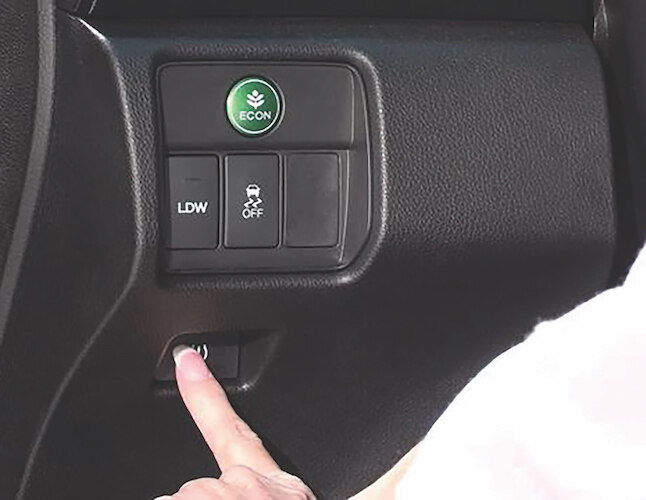
Locate The Tpms Button
Find the TPMS reset button inside your Honda Civic. It is usually under the dashboard near the steering wheel or in the glove box. Check your owner’s manual if you cannot find it quickly.
Check Current Tire Pressure
Use a tire pressure gauge to check the pressure of all tires. Compare the readings with the recommended PSI found on the driver’s side door jamb or in the manual. Note any tires that need air.
Inflate Tires To Recommended Psi
Fill each tire with air until it reaches the recommended PSI. Avoid overinflating or underinflating. Proper tire pressure improves safety and fuel efficiency.
Press And Hold The Tpms Button
Press and hold the TPMS reset button for about 3 seconds. The TPMS indicator light on the dashboard will blink slowly three times. Release the button after the blinking starts.
Drive To Complete The Reset
Drive your Honda Civic at speeds above 20 mph for about 10 minutes. The TPMS system will recalibrate and reset the warning light. The light should turn off once the reset is complete.
Troubleshooting Common Issues
Resetting the tire pressure on your Honda Civic usually goes smoothly, but sometimes issues pop up that can leave you scratching your head. Troubleshooting these common problems helps you avoid unnecessary trips to the mechanic and keeps your driving safe. Let’s look at some typical challenges and how you can tackle them effectively.
Tpms Light Stays On
If the Tire Pressure Monitoring System (TPMS) light on your dashboard refuses to turn off after a reset, it often means the system hasn’t detected the correct tire pressure yet. Double-check each tire’s pressure using a reliable gauge and inflate or deflate as needed to meet the recommended PSI.
Sometimes, the sensors need a bit more time or a short drive to recalibrate. Have you noticed if the light dims or blinks during your drive? If it stays solid, the sensor might be damaged or malfunctioning, which requires professional inspection.
Inaccurate Pressure Readings
Seeing odd or inconsistent pressure readings can be frustrating. This could be due to extreme temperatures affecting sensor accuracy or dirt and debris blocking sensor signals. Cleaning the wheel rims and sensors gently might clear up the issue.
Another cause could be low tire pressure itself creating false readings. Try inflating all tires to the proper level first, then monitor the display again. Are your readings still off? It might be time to reset the system or replace faulty sensors.
Sensor Battery Life
Most TPMS sensors run on small batteries that last about 5 to 10 years. When the battery weakens, the sensor can send weak signals or fail entirely. If you have an older Civic, this could explain persistent TPMS problems.
Replacing sensor batteries isn’t always straightforward since many are sealed units. Sometimes, swapping out the entire sensor is the only option. Have you checked your vehicle’s maintenance history to see if sensor replacements are due soon?
Tips For Maintaining Tire Pressure
Maintaining proper tire pressure is vital for your Honda Civic’s safety and performance. Correct tire pressure improves fuel efficiency, extends tire life, and ensures a smooth ride. Simple habits can help keep your tires in good shape and avoid unexpected problems.
Regular Pressure Checks
Check tire pressure at least once a month. Use a reliable tire pressure gauge for accuracy. Measure pressure when tires are cold, ideally before driving. Compare the reading to the recommended pressure found in your owner’s manual or on the driver’s door frame. Inflate or deflate tires to reach the correct level. Regular checks prevent uneven tire wear and improve safety.
Seasonal Adjustments
Temperature changes affect tire pressure. Cold weather lowers pressure, while heat raises it. Adjust tire pressure according to the season. Check your tires more often during winter and summer months. Proper adjustments help maintain traction and control. Avoid driving on underinflated tires during cold seasons to prevent damage.
Professional Inspections
Schedule tire inspections with a professional technician at least once a year. Experts can detect slow leaks, damage, or uneven wear early. They also check wheel alignment and balance, which affect tire pressure and wear. Regular inspections extend tire life and ensure your Honda Civic performs well on the road.
Credit: www.youtube.com
Frequently Asked Questions
How To Check Tire Pressure On A Honda Civic?
To check tire pressure on a Honda Civic, use a tire pressure gauge. Remove the valve cap from the tire, press the gauge onto the valve stem, and read the pressure. Ensure it matches the recommended psi found in the driver’s door jamb or owner’s manual.
Why Is My Honda Civic Tire Pressure Light On?
The tire pressure light on your Honda Civic indicates low tire pressure. This could be due to a tire puncture, temperature changes, or normal air loss over time. Check your tire pressure and inflate to the recommended level to turn off the warning light.
How To Reset Honda Civic Tire Pressure Light?
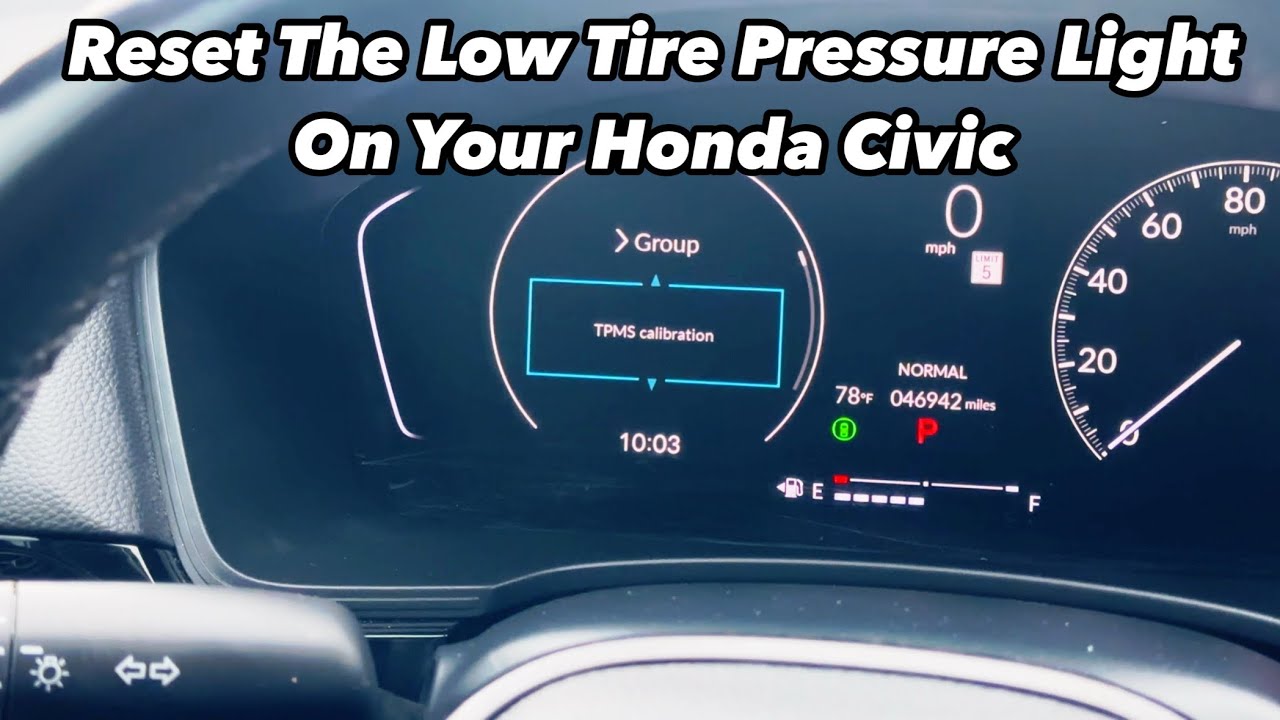
To reset the tire pressure light on a Honda Civic, inflate all tires to the recommended pressure. Then, turn the ignition to the “on” position without starting the engine. Press and hold the tire pressure monitoring system reset button until the light blinks.
What Is The Recommended Tire Pressure For Honda Civic?
The recommended tire pressure for a Honda Civic is usually between 30-32 psi for front and rear tires. Check your vehicle’s manual or the label inside the driver’s door jamb for the exact specifications. Maintaining the correct tire pressure ensures optimal performance and fuel efficiency.
Conclusion
Resetting your Honda Civic tire pressure keeps your ride safe and smooth. Check the tire pressure regularly to avoid problems on the road. Use the car’s display or manual to reset the system easily. Keep your tires properly inflated for better fuel efficiency and tire life.
Simple steps make a big difference in your driving experience. Stay alert, and take care of your tires often. This small task protects you and others while driving.