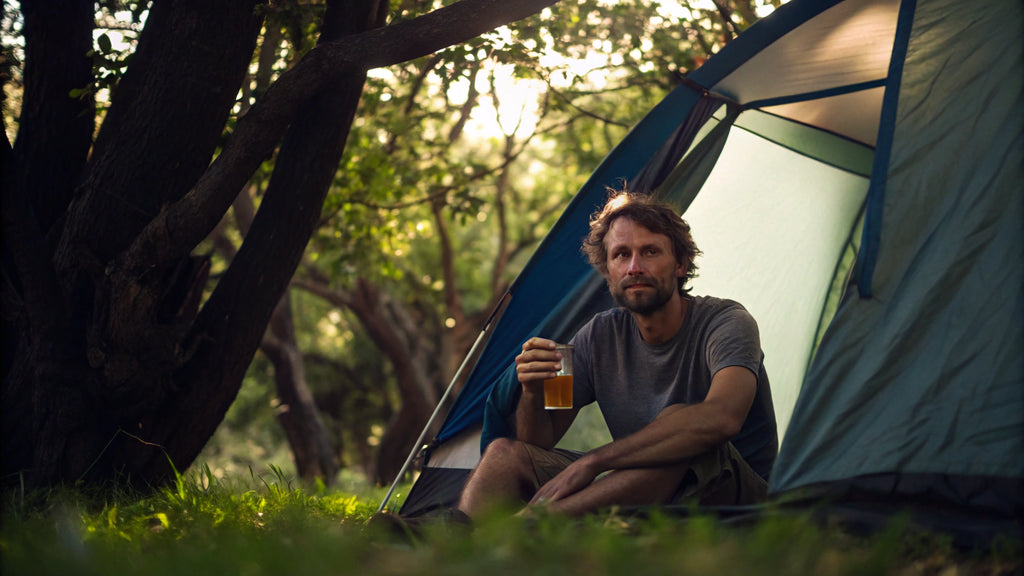
Camping in a tent is one of the best ways to connect with nature. But when the sun is blazing and the heat is on, staying cool can feel impossible.
You don’t want to toss and turn all night, sweating and uncomfortable. What if you could enjoy fresh air and comfort, even on the hottest days? This guide will show you simple, effective tips to keep your tent cool, so you can relax and enjoy every moment of your outdoor adventure.
Ready to beat the heat and make your camping trip truly refreshing? Keep reading—you won’t want to miss these easy hacks!
Credit: www.inkl.com
Choosing The Right Tent
Picking a good tent helps you stay cool while camping. The right tent lets air flow and blocks heat well.
Think about the tent’s fabric, vents, and color. These parts affect how cool it feels inside.
Lightweight And Breathable Fabrics
Choose tents made from light fabrics. Heavy fabrics trap heat and make it warm inside.
Look for breathable materials like polyester or nylon. They let air pass through and dry fast.
Ventilation Features To Look For
Good tents have vents to let fresh air in and hot air out. This stops heat from building up.
Check for mesh windows and roof vents. They improve airflow and keep bugs out.
- Mesh panels on doors and windows
- Adjustable roof vents or skylights
- Multiple openings for cross ventilation
Color And Reflective Materials
Light-colored tents reflect sunlight and stay cooler. Dark tents absorb heat and get hot.
Some tents use reflective materials on the outside. These help keep the tent cool by reflecting rays.
- Choose tents in white, beige, or light gray
- Look for tents with reflective coatings
- Avoid dark colors like black or navy
Optimal Tent Setup
Staying cool in a tent requires careful planning. Setting up your tent right can make a big difference in comfort.
Focus on shade, wind direction, and ground protection. These help reduce heat inside your tent.
Shady Campsite Selection
Pick a campsite with natural shade like trees or large rocks. Shade lowers tent temperature by blocking direct sunlight.
- Avoid open areas that get sun all day.
- Check the path of the sun to find the best shade spots.
- Stay clear of low spots where hot air can settle.
Proper Tent Orientation
Point your tent to catch cooling breezes and block the sun. This helps air flow and reduces heat inside.
| Direction | Effect |
| Face tent entrance toward breeze | Improves ventilation |
| Place tent side facing sun | Minimizes heat exposure |
| Avoid facing tent entrance into the sun | Prevents direct sunlight inside |
Using A Ground Tarp
Lay a ground tarp under your tent. It stops heat from the ground and keeps the tent floor dry.
Benefits of a Ground Tarp:
- Reflects heat away from the tent floor
- Protects against moisture and dirt
- Prevents wear and tear on the tent bottom
Maximizing Airflow
Staying cool inside a tent makes camping more comfortable. Good airflow helps keep the air fresh and lowers the temperature. You can use simple ways to improve airflow in your tent.
This guide covers three ways to boost air movement inside your tent. These include opening mesh panels, creating a cross breeze, and using portable fans.
Opening Mesh Panels
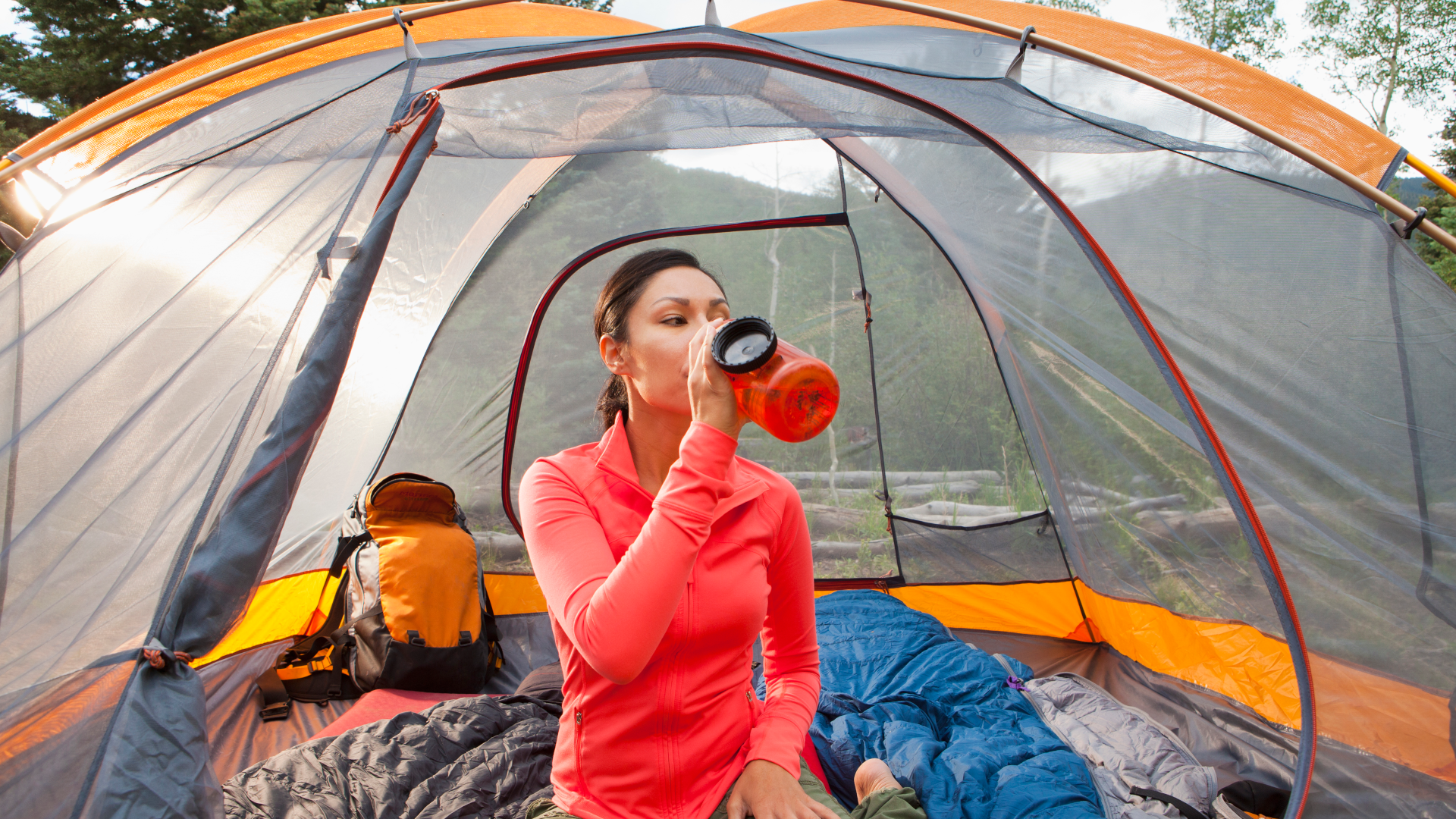
Most tents have mesh panels for ventilation. Opening these panels lets air flow in and out freely. This stops heat from building up inside the tent.
- Keep mesh windows open during the day and night.
- Use rain flaps to cover mesh panels if it rains.
- Remove any items blocking the mesh to allow air in.
- Close mesh panels only if bugs are a problem.
Creating Cross Breeze
Cross breeze means air moves through the tent from one side to the other. This airflow cools the tent faster. Position your tent near open spaces to catch wind.
| Action | How It Helps |
| Open windows on opposite sides | Allows air to flow through the tent |
| Face tent door towards wind | Lets fresh air enter easily |
| Set up near clearings or gaps | Wind can reach the tent better |
Using Portable Fans
Portable fans help move air inside a tent. They work well when natural breeze is weak. Battery-powered fans are easy to carry and use.
Try these tips to use fans safely and effectively:
- Place fan near mesh openings to pull fresh air in.
- Use fans with low power to save batteries.
- Keep fan away from water and wet areas.
- Turn off fans when not needed to extend battery life.
Credit: www.t3.com
Heat-reducing Gear And Accessories
Camping in a tent can get very hot during sunny days. Using the right gear helps you stay cool and comfortable. These accessories reduce heat and keep you refreshed.
Choosing simple tools like cooling towels, portable misters, and sun shades can make a big difference. They are easy to use and carry while camping.
Cooling Towels And Bandanas
Cooling towels and bandanas are made from special fabrics. They stay cool when wet and help lower your body temperature.
Use them around your neck or forehead to feel cooler fast. They are lightweight and dry quickly for repeated use.
- Soak in water and wring out excess
- Place on skin for instant cooling
- Reuse by rewetting as needed
- Easy to pack and carry
Portable Misters And Sprays
Portable misters spray a fine mist of water to cool your skin. They work well on hot days by adding moisture to the air around you.
Small spray bottles or battery-powered misters are easy to use. Keep one in your camping bag to refresh yourself anytime.
- Carry a small spray bottle filled with water
- Use battery-operated misters for continuous spray
- Spray on face, neck, and arms for best effect
- Keep water cool for a stronger cooling feel
Reflective Sun Shades
Reflective sun shades block sunlight and reduce heat inside your tent. They reflect the sun’s rays away to keep the tent cooler.
You can use reflective tarps or sunshade covers on top of your tent. This gear lowers the temperature and protects you from direct sun.
- Place reflective shade over tent roof
- Use reflective tarps for extra coverage
- Choose light colors that reflect sunlight
- Secure shade to avoid wind damage
Personal Cooling Techniques
Camping in a tent can be warm, but you can stay cool with simple methods. Keeping your body temperature down helps you enjoy your trip more.
Use these personal cooling techniques to feel comfortable and avoid heat stress during your camping adventure.
Hydration Strategies
Drinking enough water is key to staying cool. Water helps your body sweat and stay at a safe temperature.
- Carry plenty of water with you at all times.
- Drink small amounts often instead of large amounts rarely.
- Avoid alcohol and caffeine, which can dry you out.
- Eat fruits and vegetables with high water content, like watermelon and cucumber.
- Use electrolyte drinks if you sweat a lot to replace lost salts.
Lightweight And Breathable Clothing
Wear clothes that let air flow and do not trap heat. Light colors reflect sunlight and keep you cooler.
| Clothing Type | Material | Benefit |
| T-Shirt | Cotton or Moisture-Wicking Fabric | Keeps skin dry and cool |
| Hat | Wide-Brimmed, Lightweight | Protects face and neck from sun |
| Shorts | Breathable Fabric | Allows air to circulate |
| Socks | Thin, Moisture-Wicking | Prevents sweat build-up |
Timing Activities To Avoid Peak Heat
Plan your activities outside the hottest hours of the day. Early mornings and late evenings are cooler and safer for physical tasks.
- Wake up early to set up camp or hike.
- Rest during midday shade or inside your tent.
- Do light activities in the afternoon when it cools down.
- Use the hottest time for relaxing or swimming if near water.
Credit: www.jackery.com
Managing Humidity Inside The Tent
Humidity inside a tent can make your camping experience uncomfortable. It causes dampness, mold, and stuffy air. Managing moisture helps keep the tent dry and fresh.
Simple steps can reduce humidity. Focus on airflow, moisture control, and gear management to stay cool and dry.
Proper Ventilation Practices
Good airflow reduces moisture inside the tent. Open vents and windows to let fresh air in. Keep doors slightly open if safe to do so.
Set up your tent where there is a breeze. Avoid spots blocked by trees or walls. This helps air move freely and lowers humidity.
- Open mesh windows and vents
- Leave the tent door partially open
- Pitch tent in breezy areas
- Avoid closed or tight spaces
Using Moisture Absorbers
Moisture absorbers soak up extra water vapor inside the tent. Use silica gel packs or small dehumidifier bags. Place them near sleeping areas or corners.
These absorbers help stop dampness and reduce mildew smell. Change or dry them regularly to keep them effective.
- Use silica gel or dehumidifier bags
- Place absorbers in tent corners
- Replace or dry absorbers often
- Combine with good ventilation
Avoiding Damp Gear Inside
Wet clothes and gear add moisture inside the tent. Keep damp items outside or in a separate bag. Dry your gear before packing it inside.
Store wet shoes and towels away from sleeping areas. This stops humidity from building up and keeps the tent dry.
- Do not bring wet clothes inside
- Use waterproof bags for damp gear
- Dry gear before entering the tent
- Store shoes outside or near the door
Nighttime Cooling Tips
Camping in a tent can get warm at night. Staying cool helps you sleep better. Use these tips to keep comfortable.
Simple actions before bedtime can lower the temperature inside your tent. Plan ahead to enjoy a cool night.
Setting Up For Cooler Sleep
Choose a campsite with shade and good airflow. Set your tent away from direct sunlight in the evening. Open tent windows or vents to allow air to flow.
- Pick a spot under trees or natural shade
- Face tent openings toward the breeze
- Use a ground tarp to reduce heat from the soil
- Keep the tent door open if safe to do so
Using Lightweight Sleeping Bags
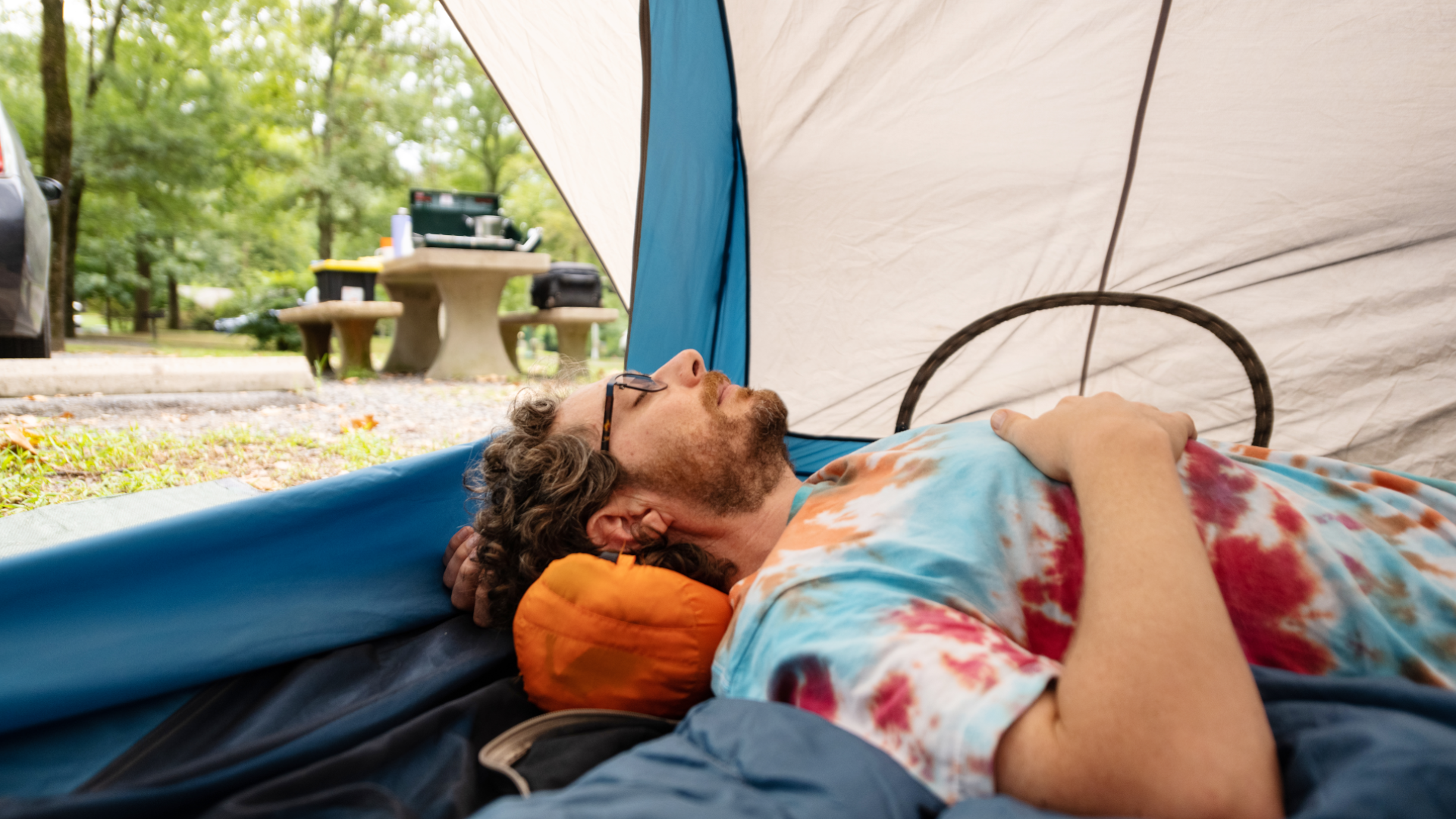
Heavy sleeping bags trap heat and make you sweat. Use lightweight or summer bags that allow your body to breathe. Thin blankets can also work well.
| Sleeping Bag Type | Best Use | Temperature Range |
| Lightweight | Warm nights | 50°F to 70°F (10°C to 21°C) |
| Summer | Hot weather | Above 60°F (16°C) |
| Three-season | Cool nights | 30°F to 50°F (-1°C to 10°C) |
Positioning For Evening Breezes
Find the direction of the wind before setting up your tent. Position your tent so the door or vents face the breeze. This helps cool air enter and warm air escape.
Try this quick checklist to catch the breeze:
- Observe wind direction in late afternoon
- Set tent door facing the wind
- Keep vents open on the opposite side
- Clear objects blocking airflow around the tent
Frequently Asked Questions
How Can I Keep My Tent Cool During Hot Camping?
Choose a shaded campsite and set up your tent under trees. Use reflective tarps or tent covers to block sunlight. Keep tent vents open for airflow. Avoid cooking inside to reduce heat buildup.
What Are The Best Fabrics For A Cool Tent?
Look for tents made with breathable, lightweight fabrics like polyester or nylon with UV protection. These materials reflect sunlight and allow ventilation, keeping the tent cooler in hot weather.
How Does Tent Ventilation Affect Temperature?
Good ventilation lets hot air escape and fresh air enter. Open windows, doors, and vents to create cross-breeze. Proper airflow prevents heat buildup and reduces humidity inside your tent.
Should I Use A Fan Inside My Camping Tent?
Yes, a battery-powered or rechargeable fan can improve air circulation. It helps lower the tent’s internal temperature, making your stay more comfortable during hot weather.
Conclusion
Staying cool while camping enhances your outdoor experience. Choose a shady campsite. Use a breathable tent to allow airflow. Wear light, moisture-wicking clothes. Hydrate often to stay refreshed. A portable fan can bring much-needed relief. Plan activities during cooler times, like early morning or late evening.
Enjoy the stars at night when it’s cooler. With these tips, your camping trip becomes more enjoyable. Comfort is key, and a cool tent makes it possible. Enjoy your camping adventure with ease and comfort. Stay cool, and happy camping!