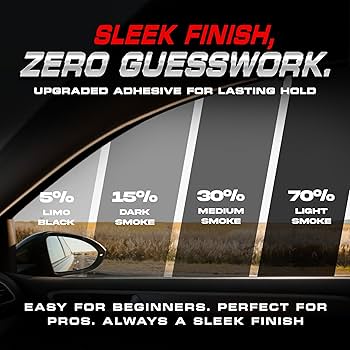
Are you thinking about upgrading your car windows but unsure which tint level suits you best? The 65 percent window tint might be the perfect choice for you.
It offers a great balance—letting in plenty of natural light while cutting down glare and heat. Imagine driving comfortably on sunny days without squinting or feeling the burn from the sun’s rays. If you want to protect your car’s interior and enjoy a cooler ride, keep reading to discover why 65 percent tint could be exactly what your vehicle needs.

Credit: www.amazon.ca
What Is 65 Percent Window Tint
65 percent window tint is a popular choice for car and home windows. It lets in a good amount of natural light while reducing glare and heat. This tint provides a balance between visibility and privacy. Understanding what 65 percent tint means helps in choosing the right film for your needs.
Tint Percentage Explained
The number 65 percent refers to the amount of light the tint allows to pass through the window. It means that 65 percent of outside light can enter through the glass. A higher percentage means a lighter tint, which keeps the view clearer. Lower percentages create darker tints that block more light.
Light Transmission Levels
Light transmission level is the measure of visible light allowed through the window and tint combined. With 65 percent tint, the window blocks 35 percent of the light. This helps reduce heat and glare inside the car or room. It also protects against UV rays that can damage skin and furniture.

Credit: www.ebay.com
Benefits Of 65 Percent Tint
Choosing 65 percent window tint offers a smart balance of visibility and protection. It lets in enough light to keep your view clear while blocking harmful rays and reducing heat. This tint level enhances driving comfort and safety without making your windows too dark.
Improved Comfort
65 percent tint helps keep your car cooler by reducing heat from sunlight. It lowers inside temperature, making rides more pleasant. This tint also cuts down on hot spots and glare that cause eye strain. You feel more relaxed and less tired during long drives.
Enhanced Uv Protection
This tint blocks a large amount of ultraviolet rays. UV rays can harm your skin and fade your car’s interior. Using 65 percent tint helps protect both passengers and the vehicle’s materials. It reduces the risk of skin damage and preserves your car’s look.
Glare Reduction
Glare from the sun or headlights can distract drivers and reduce visibility. 65 percent tint softens bright light and improves visual clarity. It makes driving safer by lowering eye discomfort. This tint keeps your vision sharp without making windows too dark.
How 65 Percent Tint Blocks Uv Rays
Understanding how 65 percent window tint blocks UV rays can change the way you protect your car and skin. This specific tint level lets in just enough light while effectively reducing harmful ultraviolet radiation. It’s a smart balance between visibility and protection, making it a popular choice for many.
Uv Radiation Types
UV rays come in different forms, mainly UVA and UVB. UVA rays penetrate deeper into your skin and can cause long-term damage like premature aging. UVB rays mostly affect the surface and are responsible for sunburn.
65 percent tint targets both types but excels in blocking UVA rays. Have you noticed how some tints feel cooler inside your car? That’s because they reduce the heat caused by these rays, making your drive more comfortable and safer.
Tint Technology
65 percent window tint uses advanced materials that absorb and reflect UV rays. The film is made from multiple layers of polyester with special UV inhibitors added. These layers work together to stop up to 99% of harmful UV radiation.
Unlike simple dark films, this technology doesn’t just reduce brightness. It actively protects your skin and your car’s interior from fading and cracking. Imagine saving money on repairs and skin treatments just by choosing the right tint.
Choosing The Right 65 Percent Tint Film
Choosing the right 65 percent window tint film means balancing style, function, and protection. You want a tint that not only looks good but also stands up to daily wear and harsh weather. Understanding the materials and durability will help you pick a film that fits your needs perfectly.
Material Options
Not all tint films are created equal. You’ll find several material types, each with its own benefits:
- Dyed Film:Affordable and easy to install, dyed films reduce glare and add privacy. However, they may fade over time.
- Metalized Film:Contains tiny metallic particles that block heat and UV rays effectively. It can interfere with electronic signals, so consider this if you rely on GPS or cell service inside your vehicle.
- Carbon Film:Offers a sleek matte finish and blocks infrared light well. It doesn’t fade like dyed films and doesn’t affect electronics.
- Ceramic Film:The premium choice. Ceramic tints provide excellent heat rejection and UV protection without signal interference. They also last longer but come at a higher price.
Think about what matters most to you. Is heat reduction a priority? Or maybe you want a film that lasts without changing color. Your daily driving environment should guide your choice.
Durability Factors
Durability depends on more than just the material. How the tint handles scratches, fading, and peeling affects how long it will keep its look and function.
- Scratch Resistance:Films with a strong outer layer prevent damage from cleaning and small debris. This is crucial if you often wash your car or park in busy areas.
- UV Protection:High-quality films block up to 99% of UV rays, protecting your skin and car interior. This also helps prevent the tint from discoloring.
- Adhesion Quality:A good adhesive ensures the film sticks well without bubbling or peeling over time. Low-quality adhesives can cause early failure.
Have you noticed a tint peeling or bubbling on a friend’s car? That’s a sign they didn’t consider durability enough. Investing in a reliable film saves you money and frustration down the road.
Installation Tips For 65 Percent Tint
Installing a 65 percent window tint can drastically improve your driving experience by reducing glare and heat while maintaining good visibility. However, the quality of the installation plays a huge role in how effective and durable the tint will be. Paying attention to details and avoiding common pitfalls can save you time and frustration.
Preparation Steps
Start by thoroughly cleaning your windows. Even tiny dust particles can cause bubbles or peeling later. Use a lint-free cloth and a glass cleaner designed for automotive use.
Next, measure your windows carefully before cutting the tint film. An accurate fit ensures a smooth installation without unnecessary trimming. Take your time here—precision pays off.
Make sure the environment is dust-free and well-lit. Small debris can ruin the application, and good lighting helps you spot imperfections early. A garage or covered area works best.
Common Mistakes To Avoid
- Skipping window cleaning:Dirty surfaces trap dust, causing bubbles and reducing adhesion.
- Rushing the application:Applying tint too quickly increases the chance of creases or misalignment.
- Using the wrong tools:A plastic squeegee with a soft edge works better than hard or metal tools that can scratch the film.
- Ignoring drying time:Give the tint enough time to bond before rolling windows up or exposing them to direct sunlight.
Have you ever installed a tint and noticed bubbles appearing days later? That’s often from trapped moisture or dust during the application. Taking your time and preparing properly helps you avoid these frustrating problems.
Legal Regulations On Window Tinting
Understanding the legal regulations on window tinting is essential before you decide to apply a 65 percent window tint on your vehicle. These rules protect drivers, passengers, and law enforcement by ensuring visibility and safety on the road. Ignoring these laws can lead to fines, failed inspections, or even having to remove the tint.
State And Country Laws
Window tinting laws vary widely depending on where you live. In the United States, each state sets its own rules about how dark or reflective your tint can be. For example, California and New York have stricter limits compared to states like Arizona or Texas.
Outside the U.S., countries like Canada and Australia also regulate tint percentages but may focus more on safety and medical exemptions. You should always check local laws before tinting your windows to avoid legal trouble.
Have you ever been pulled over because your tint was too dark? This common experience highlights how important it is to stay informed about the laws specific to your location.
Allowed Tint Percentages
“65 percent window tint” means the tint allows 65% of light to pass through, making it a fairly light tint. Many states allow this level on front side windows because it doesn’t significantly reduce visibility.
Here’s a quick overview of typical allowed tint percentages:
| Location | Front Side Windows | Rear Side Windows | Back Window |
|---|---|---|---|
| California | 70% VLT (Visible Light Transmission) | Any | Any |
| Texas | 25% | 25% | 25% |
| Florida | 28% | 15% | 15% |
Since 65% tint lets in plenty of light, it often falls within legal limits for front side windows. But it may not be allowed on rear or back windows in some places. Always measure your tint’s Visible Light Transmission (VLT) to be sure.
Are you confident your tint meets your state’s specific rules? Checking beforehand can save you from costly fines and the hassle of removal.
Maintaining Your 65 Percent Tint
Maintaining your 65 percent window tint keeps it clear and effective. Proper care protects the tint from damage and fading. It ensures your windows stay sleek and functional for years.
Cleaning Methods
Use a soft cloth or microfiber towel to clean the tint. Avoid abrasive materials that can scratch the film. Spray a mild soap and water solution on the cloth, not directly on the window. Wipe the surface gently in circular motions. Dry the window with a clean, dry towel to prevent streaks.
Do not use ammonia-based cleaners. These chemicals can damage the tint and cause bubbling. Stick to gentle, tint-safe cleaning products. Regular cleaning prevents dirt buildup and keeps visibility clear.
Longevity Tips
Park your vehicle in shaded areas to reduce sun exposure. Direct sunlight can cause the tint to fade over time. Avoid rolling down windows for several days after installation. This helps the adhesive cure properly. Keep sharp objects away from the windows to prevent tears.
Inspect the tint regularly for signs of peeling or discoloration. Early care helps avoid costly repairs or replacements. Follow these simple habits to extend the life of your window tint.
Credit: rmappf.ae
Comparing 65 Percent Tint To Other Levels
Choosing the right window tint involves understanding how different tint levels affect light and performance. The 65 percent window tint offers a balance between visibility and sun protection. Comparing it to other tint percentages helps reveal its unique advantages and limitations. This section breaks down the key differences in light transmission and overall performance.
Light Transmission Differences
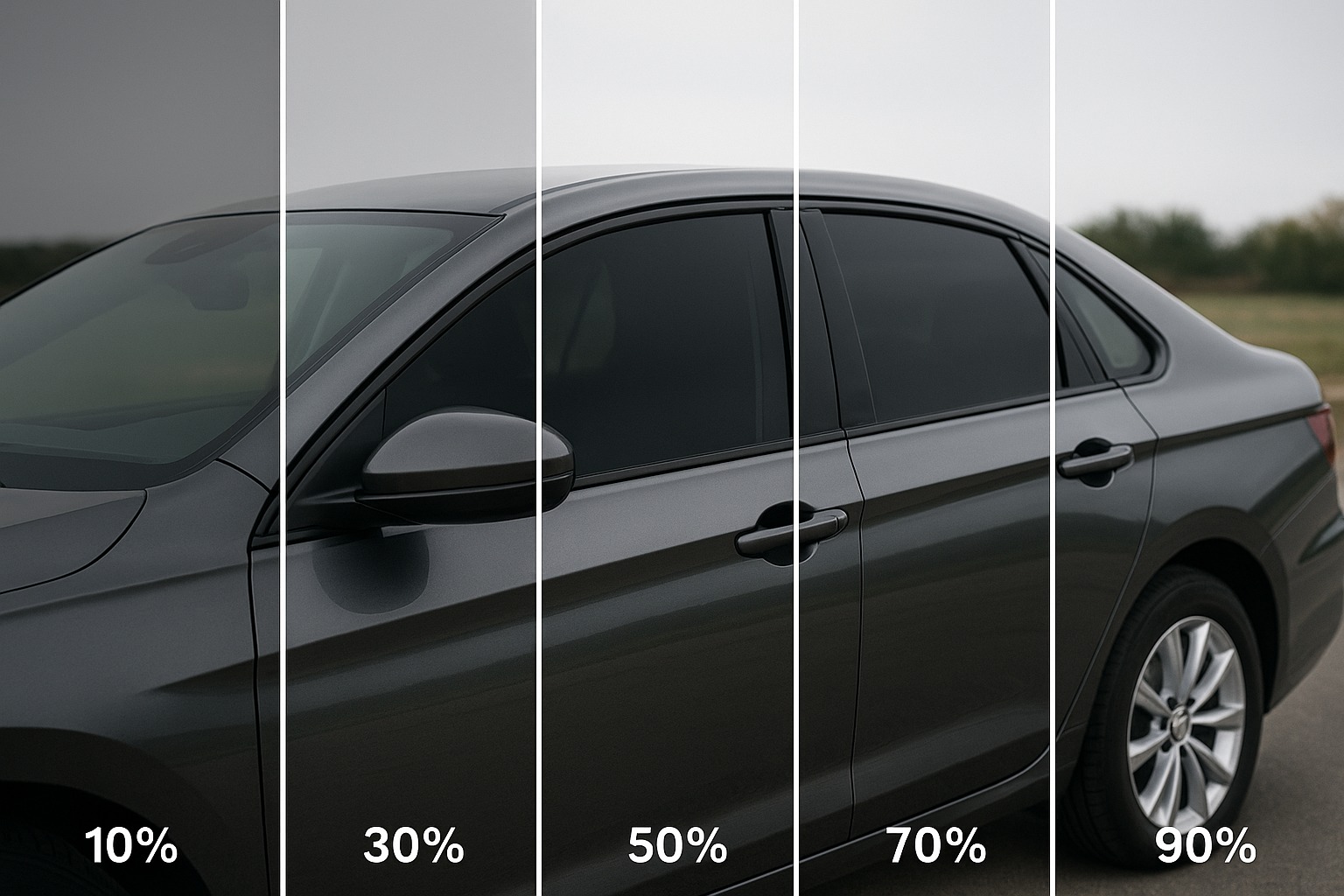
Light transmission refers to how much light passes through the window tint. A 65 percent tint allows 65 percent of outside light into the vehicle. This level keeps the interior bright and clear while reducing glare.
Lower tint percentages, like 35 percent or 20 percent, block more light. They make the inside darker but increase privacy and sun protection. Higher percentages, such as 70 percent or 80 percent, let in more light but offer less heat and glare reduction.
| Tint Percentage | Light Transmission | Visibility | Privacy Level |
|---|---|---|---|
| 20% | 20% | Low | High |
| 35% | 35% | Medium | Medium |
| 65% | 65% | High | Low |
| 80% | 80% | Very High | Very Low |
Performance Comparison
The 65 percent tint reduces heat and glare but keeps good visibility. It is ideal for drivers who want natural light inside without strong sun effects.
- Blocks significant UV rays, protecting skin and interior.
- Improves comfort by cutting heat without darkening too much.
- Maintains clear views at night and in low light.
- Offers less privacy than darker tints.
Darker tints block more heat and provide better privacy. They may reduce visibility, especially at night. Lighter tints offer less sun protection but keep the cabin bright.
Frequently Asked Questions
What Is 65 Percent Window Tint?
A 65 percent window tint allows 65% of light to pass through. It provides a moderate level of privacy and UV protection. This tint is ideal for reducing glare while maintaining a clear view. It’s a popular choice for drivers wanting a balance between visibility and comfort.
Is 65 Percent Tint Legal?
The legality of 65 percent window tint varies by location. In many places, it’s within legal limits for front windows. Always check local regulations before installation. Some regions have specific rules for different vehicle windows, so compliance is important to avoid fines.
How Does 65 Percent Tint Affect Visibility?
65 percent tint maintains good visibility while reducing glare and heat. It allows ample light in, ensuring clear views. This tint is suitable for those who want UV protection without significantly darkening their windows. It strikes a balance between comfort and practicality.
Does 65 Percent Tint Block Uv Rays?
Yes, 65 percent window tint blocks a significant amount of UV rays. It helps protect your car’s interior and skin from sun damage. While not the darkest option, it still offers effective sun protection. It’s a great choice for those prioritizing UV defense without sacrificing visibility.
Conclusion
Choosing 65 percent window tint helps balance light and privacy well. It lets in enough sunlight for clear vision while reducing glare. This tint also protects your car’s interior from fading and heat. Many drivers find it a good choice for comfort and safety.
Think about your needs and local rules before deciding. A proper tint can make your drive cooler and more enjoyable every day.