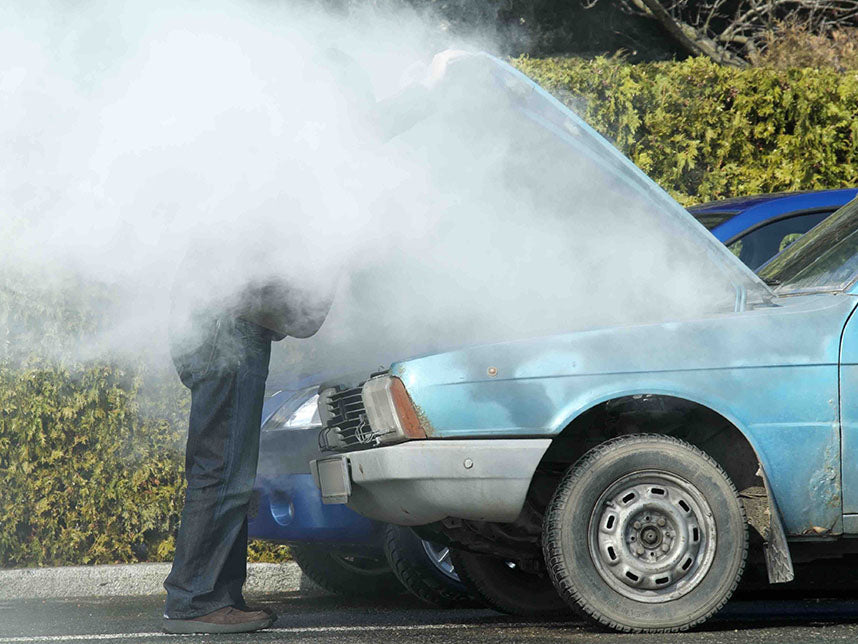
Have you ever thought that your car could overheat when it’s freezing outside? It sounds strange, but yes—your car can actually get too hot even in winter.
If you’ve noticed steam from under the hood or your temperature gauge rising, you might be wondering why this happens and what you should do. Understanding the reasons behind winter overheating can save you from costly repairs and keep you safe on the road.
Keep reading to learn what causes this surprising problem and how you can prevent it from happening to your car.

Credit: www.reddit.com
Winter Overheating Risks
Car overheating is often linked to hot weather. Yet, cars can also overheat in winter. Cold weather can cause specific problems that lead to overheating. Understanding these risks helps keep your car safe and running well.
Common Causes
- Coolant issues: Low or frozen coolant can block heat flow.
- Thermostat problems: A stuck thermostat stops coolant circulation.
- Radiator damage: Cracks or clogs reduce cooling ability.
- Water pump failure: Stops coolant from moving through the engine.
- Heater core leaks: Can cause coolant loss and overheating.
- Blocked airflow: Snow or ice can block the radiator or grill.
Symptoms To Watch
- High temperature gauge reading during short drives.
- Steam or smoke coming from under the hood.
- Sweet smell from coolant leaks.
- Engine warning lights on the dashboard.
- Reduced heater performance inside the car.
- Unusual noises from the engine area.

Credit: www.reddit.com
Coolant System Issues
Coolant system issues can be a hidden cause of your car overheating, even in cold winter months. Many drivers assume cold weather protects their engine from heat problems, but that’s not always true. Problems within the coolant system can stop your engine from staying at the right temperature, leading to overheating risks regardless of the season.
Coolant Mixture Importance
Did you know the right coolant mixture is crucial for both cooling and antifreeze protection? A poor balance between water and antifreeze can cause your engine to overheat or freeze. For example, too much water lowers the boiling point, risking overheating, while too much antifreeze thickens the liquid and reduces heat transfer efficiency.
Check your coolant mixture regularly, especially before winter starts. A 50/50 mix of antifreeze and water usually works best. Have you ever skipped this check and then faced engine trouble? That’s a clear sign the coolant mix can’t be ignored.
Leaks And Blockages
Leaks and blockages in the coolant system can silently cause overheating problems. A small leak in a hose or radiator may seem harmless but can lead to low coolant levels quickly. Blockages from rust or debris can also stop coolant flow, trapping heat inside your engine.
You might not notice these issues until your temperature gauge hits the red zone. Regularly inspect hoses, clamps, and the radiator for signs of wear or damage. If you spot coolant puddles under your car or your heater stops working well, it’s time to investigate leaks or blockages.
Thermostat Malfunctions
Thermostat malfunctions are a common yet often overlooked cause of car overheating, even during the cold winter months. Your car’s thermostat controls the engine’s temperature by regulating coolant flow. If it fails, your engine can quickly run too hot or too cold, leading to serious damage. Understanding how this small device works and what happens when it breaks can help you avoid costly repairs and keep your winter drives safe.
How Thermostats Work
Your car’s thermostat acts like a gatekeeper for coolant. It stays closed when the engine is cold, allowing it to warm up quickly. Once the engine reaches the right temperature, the thermostat opens to let coolant flow through the radiator, preventing overheating.
Think of it this way: your thermostat helps your engine hit and maintain the perfect operating temperature. If it opens too soon or too late, the engine’s temperature won’t stay balanced.
Effects Of Failure
A stuck-closed thermostat blocks coolant flow, causing your engine to overheat, even in winter. You might notice your temperature gauge rising or steam coming from under the hood. Ignoring these signs can lead to warped engine parts or a blown head gasket.
On the other hand, a stuck-open thermostat keeps the engine too cool. This may cause poor fuel efficiency and increased emissions. You might also experience sluggish heater performance on cold days because the engine never reaches optimal warmth.
Have you ever felt your car’s heater struggling on a freezing morning? That’s a classic hint your thermostat might be failing. Checking and replacing a faulty thermostat is a simple step that could save your engine and your wallet.
Radiator Problems
The radiator plays a crucial role in keeping your car’s engine cool, even in winter. However, radiator problems can still cause your car to overheat during cold months. Understanding these issues helps you avoid unexpected breakdowns and costly repairs.
Frost And Debris Impact
Frost can build up on the radiator, blocking airflow and reducing its ability to cool the engine. I’ve seen cars stuck on the road because ice clogged their radiator fins, causing overheating despite freezing temperatures outside.
Debris like leaves, dirt, and road salt also accumulate on the radiator, especially during winter. This buildup acts like a barrier, preventing proper heat exchange. Have you checked your radiator lately for hidden debris that might be causing problems?
Maintenance Tips
- Regularly inspect the radiator:Look for frost, debris, and any visible damage.
- Clean the radiator fins:Use a soft brush or compressed air to remove dirt gently.
- Check coolant levels:Ensure your coolant mixture is appropriate for winter to prevent freezing.
- Schedule professional radiator flushes:This removes internal buildup that can block coolant flow.
Taking these steps can keep your radiator functioning well and prevent overheating. What small maintenance habit could save you from a winter roadside emergency?
Engine Load And Overheating
Engine load plays a crucial role in whether your car can overheat during winter. Even in cold weather, the engine works harder under certain conditions, which can push its temperature beyond safe limits. Understanding how different driving habits affect engine load helps you protect your vehicle from unexpected overheating.
Heavy Traffic Effects
Stop-and-go traffic increases engine load because your car constantly shifts between idling and acceleration. This puts strain on the cooling system, which may not work as efficiently at low speeds. Have you noticed your temperature gauge creeping up during a long traffic jam? That’s your engine struggling to stay cool.
Idling for extended periods in traffic means less airflow through the radiator, reducing heat dissipation. Your fan helps but isn’t always enough when the engine’s working hard without moving fast. It’s smart to take breaks during heavy traffic or turn off the engine if you expect to stop for more than a few minutes.
Short Trips Consequences
Short trips can also increase engine load and the risk of overheating. Your engine doesn’t reach its optimal operating temperature quickly, so the cooling system isn’t fully effective. This means heat can build up faster, especially if you’re driving in hilly areas or carrying heavy loads.
Think about how often you drive just a few blocks. The engine stays cold longer, but the components are still working hard. Over time, repeated short trips can cause wear on the cooling system and lead to overheating issues.
Have you checked your coolant levels recently? Even small drops can cause big problems during these stressful driving conditions. Regular maintenance is key to keeping your engine cool, no matter the season.

Credit: www.aol.com
Preventive Measures
Preventive measures help avoid car overheating in winter. Cold weather can cause hidden issues in your vehicle. Checking your car before driving keeps it safe and working well.
Regular Inspections
Inspect your car regularly for any signs of trouble. Look for leaks, cracks, or worn-out parts in the cooling system. Check hoses and belts to ensure they are tight and not damaged. Early detection can stop overheating problems before they start.
Proper Fluid Levels
Maintain the right levels of coolant and antifreeze. These fluids keep the engine from freezing or overheating. Use the correct mixture recommended by the car maker. Check fluid levels often, especially before cold days. Low or dirty fluids reduce the system’s effectiveness.
Heating System Checks
Test your car’s heating system regularly. A working heater means your cooling system works well too. Make sure the thermostat opens and closes properly. Listen for unusual sounds from the heater core and radiator. Fix any issues quickly to avoid engine stress.
When To Seek Help
Knowing when to seek help for a car overheating in winter can save you from costly repairs and dangerous situations. Even in cold weather, your engine can run too hot, and catching the problem early is crucial. Pay attention to your car’s behavior and don’t ignore warning signs that something isn’t right.
Warning Signs
Look out for unusual steam coming from under the hood, even if the outside temperature is low. This can indicate coolant is leaking or boiling.
If your temperature gauge climbs into the red zone, don’t wait to act. A sudden drop in heater performance or hot air blowing inconsistently can also signal trouble.
Listen for strange noises like hissing or bubbling sounds from the engine area. These often mean the cooling system is under stress and may fail soon.
Professional Diagnosis
If you notice any of the warning signs, it’s time to see a mechanic promptly. A professional can pressure-test your cooling system to find leaks or blockages that aren’t obvious.
They will check the thermostat, radiator, and water pump to ensure everything works as it should. Sometimes, a simple coolant flush or replacement part can prevent a bigger breakdown.
Have you ever ignored a minor car issue and faced worse consequences later? Getting a professional diagnosis early can save you both time and money on repairs down the road.
Frequently Asked Questions
Can Winter Temperatures Cause Car Overheating?
Yes, winter temperatures can cause car overheating. Cold weather can thicken engine oil and antifreeze. This affects cooling efficiency. Additionally, a faulty thermostat or blocked radiator can lead to overheating issues. Regular maintenance can prevent these problems, ensuring your car runs smoothly in winter.
How Can I Prevent Winter Car Overheating?
To prevent overheating, regularly check your vehicle’s coolant levels. Ensure the radiator is clean and free from blockages. Inspect and replace a faulty thermostat if necessary. Use a winter-grade engine oil to improve flow. Regular maintenance is key to avoiding unexpected issues during colder months.
What Are Signs Of Car Overheating In Winter?
Common signs include steam from the hood, a rising temperature gauge, and a coolant warning light. You might also notice a sweet smell, indicating antifreeze leakage. If these symptoms occur, stop driving immediately. Check the cooling system to prevent engine damage.
Does Low Coolant Cause Winter Overheating?
Yes, low coolant levels can cause winter overheating. Coolant helps regulate engine temperature. If levels drop, the engine may overheat. Cold temperatures can exacerbate this issue. Regularly check and top up coolant levels to ensure efficient engine performance in winter.
Conclusion
Cars can overheat even in cold winter months. Cold weather might hide overheating signs. Keep an eye on coolant levels and engine temperature. Regular maintenance helps avoid unexpected breakdowns. Watch for steam or strange smells while driving. Don’t ignore warning lights on your dashboard.
Staying alert protects your car and saves money. Winter driving needs extra care for your vehicle. Simple checks prevent big problems later on. Stay safe and keep your engine cool all season.