Keeping your Volkswagen’s tires at the right pressure is one of the easiest ways to boost safety, improve fuel efficiency, and extend tire life. But do you know exactly how to check your tire pressure the right way?
If you’re unsure or worried about damaging your tires, this guide is for you. You’ll discover simple steps to check your tire pressure quickly and accurately, so you can drive with confidence every time. Ready to take control of your Volkswagen’s performance and safety?
Let’s dive in.

Credit: www.youtube.com
Importance Of Correct Tire Pressure
Maintaining the correct tire pressure in your Volkswagen is more than just a routine task—it directly impacts your car’s performance and safety. Driving with the right tire pressure helps you get the best fuel efficiency, improves handling, and extends the life of your tires. Ignoring this can lead to unexpected problems on the road, some of which could cost you time and money.
Enhances Safety And Handling
Proper tire pressure keeps your Volkswagen stable and responsive, especially during sharp turns or sudden stops. Underinflated tires can cause sluggish steering and increase the risk of blowouts. Have you ever felt your car pull to one side? It might be your tires signaling they need attention.
Improves Fuel Efficiency
Correct tire pressure reduces rolling resistance, meaning your engine doesn’t have to work as hard. This translates to better gas mileage and fewer trips to the pump. If you’ve noticed your fuel costs rising without a change in your driving habits, checking your tire pressure should be one of your first steps.
Extends Tire Lifespan
Over or underinflated tires wear out unevenly, forcing you to replace them sooner. Keeping them at the recommended pressure helps distribute the weight evenly, preventing premature wear. This small effort saves you money in the long run and keeps your Volkswagen running smoothly.
Reduces Environmental Impact
Lower fuel consumption means fewer emissions from your vehicle. By simply maintaining the correct tire pressure, you’re making a positive impact on the environment. Isn’t it satisfying to know that a small habit can contribute to cleaner air?
Tools Needed For Checking
Checking tire pressure on your Volkswagen requires a few simple tools. Having the right tools helps you keep your tires safe and efficient. These tools give you accurate readings and help maintain good driving performance.
Some Volkswagen models come with built-in systems that make checking easier. Still, a physical tire pressure gauge is essential for precise checks. Let’s explore the key tools used for this task.
Using A Tire Pressure Gauge
A tire pressure gauge measures the air pressure inside the tire. It is small, portable, and easy to use. There are three common types:
- Digital Gauge:Shows pressure on a clear screen. Very accurate and easy to read.
- Dial Gauge:Uses a needle on a dial to show pressure. Durable and reliable.
- Stick Gauge:Has a sliding scale that pops out. Simple and budget-friendly.
To use, remove the valve cap on the tire. Press the gauge firmly on the valve. Read the pressure displayed. Compare it with your Volkswagen’s recommended pressure.
Volkswagen Tire Pressure Monitoring System
Most Volkswagen vehicles have a Tire Pressure Monitoring System (TPMS). This system monitors tire pressure automatically. It alerts you if pressure is too low or too high.
TPMS uses sensors inside the tires. These sensors send data to your car’s dashboard. You get a warning light or message if pressure is off. This system helps catch problems quickly.
TPMS is helpful but should not replace regular checks. It may not give exact pressure values. Using a tire pressure gauge alongside TPMS ensures accuracy.
Locating The Recommended Pressure
Knowing the correct tire pressure helps keep your Volkswagen safe and efficient. Overinflated or underinflated tires cause uneven wear and reduce fuel economy. The recommended tire pressure varies by model and tire size. Finding the right pressure is simple. Two main places hold this important information on your vehicle.
Driver’s Side Door Jamb Sticker
Open the driver’s door and look along the door jamb. A sticker is usually placed there. It shows the recommended tire pressure for the front and rear tires.
- Pressure values are listed in PSI (pounds per square inch).
- Separate pressures for front and rear tires may appear.
- Some stickers include cold tire pressure recommendations.
This sticker is the easiest and fastest way to find the right pressure.
Owner’s Manual
The owner’s manual contains detailed tire information for your Volkswagen. It explains the recommended pressure in various driving conditions.
- Look in the maintenance or tire section.
- Pressure values match those on the door sticker.
- Additional tips on tire care may be included.
Keep the manual handy for quick reference, especially if the door sticker is hard to read.

Credit: www.youtube.com
Steps To Check Tire Pressure Manually
Checking your Volkswagen’s tire pressure manually is simple and important. Proper tire pressure keeps your ride safe, smooth, and fuel-efficient. Follow these clear steps to check tire pressure correctly.
Preparing Your Vehicle
Park your Volkswagen on a flat surface. Turn off the engine and engage the parking brake. Wait for the tires to cool down. Cold tires give accurate pressure readings.
Locate the tire valve stems. Remove the valve caps carefully and keep them safe. Have a reliable tire pressure gauge ready before you start.
Measuring The Pressure
Press the tire pressure gauge firmly onto the valve stem. Hold it until the gauge shows a steady reading. Avoid air leaks by pressing straight and tight.
Note the reading. Compare it with the recommended tire pressure. This information is usually on the driver’s door frame or in the owner’s manual.
Repeat this process on all four tires. Check the spare tire as well. It’s important to keep all tires properly inflated.
Interpreting The Results
Compare the measured pressure to the recommended values. If the pressure is too low, add air using an air compressor. If it’s too high, release air by pressing the valve stem gently.
Check the pressure again after adjusting. Properly inflated tires improve safety and save fuel. Replace valve caps securely after completing the check.
Using Volkswagen’s Tpms For Pressure Check
Volkswagen vehicles come equipped with a Tire Pressure Monitoring System (TPMS). This system helps drivers monitor tire pressure easily and safely. Using the TPMS is a simple way to check your tire pressure without manual gauges. It alerts you if any tire needs attention, making your drive safer.
Accessing The Tpms Display
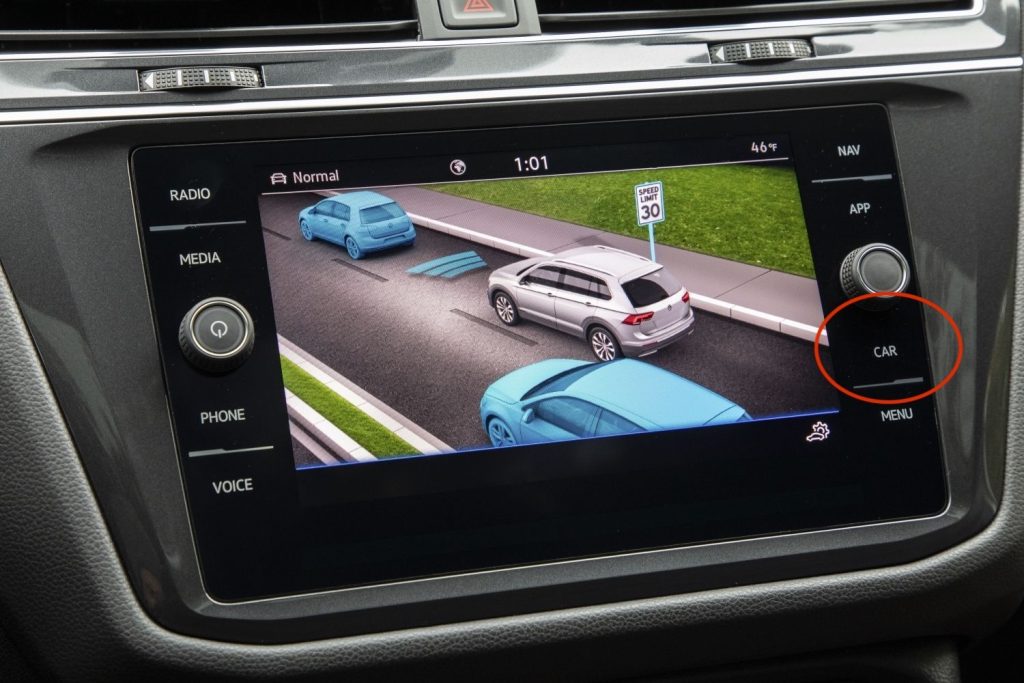
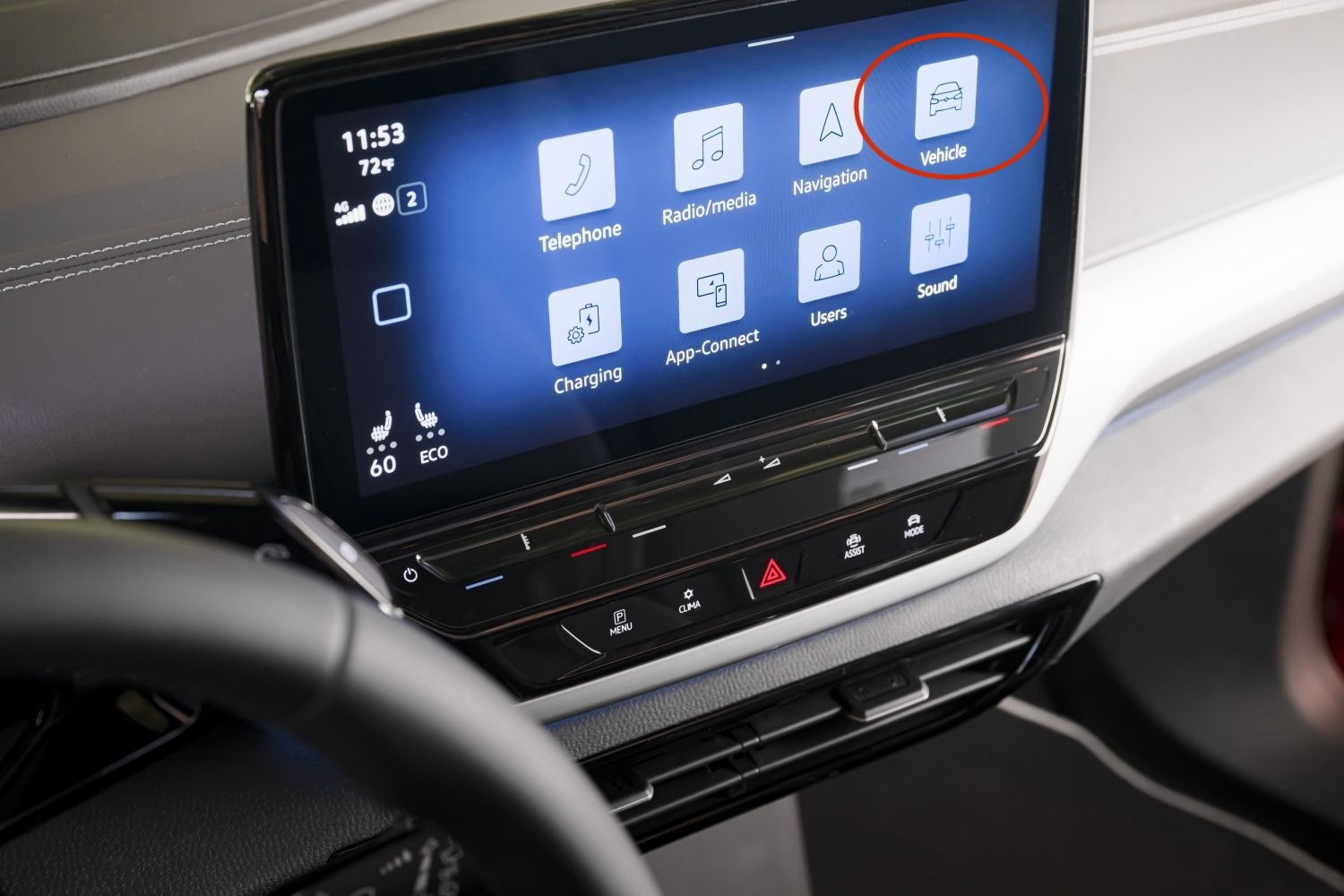
Start your car and look at the dashboard screen. The TPMS display shows the current pressure of each tire. Use the steering wheel buttons to navigate the menu. Find the tire pressure option under the vehicle settings. The display updates in real-time. This helps you spot low pressure quickly.
Resetting The Tpms
Reset the TPMS after adjusting tire pressure or changing tires. Access the vehicle settings menu again. Select the TPMS reset option. Follow the on-screen instructions to confirm. The system recalibrates to the new tire pressures. This ensures accurate monitoring during your next drive.
Adjusting Tire Pressure
Adjusting tire pressure on your Volkswagen is crucial for safety, fuel efficiency, and tire longevity. Proper pressure ensures better handling and reduces the risk of blowouts. Whether you need to add or release air, knowing how to do it correctly saves time and prevents damage.
Adding Air
Start by removing the valve cap from your tire. Use an air compressor or a portable tire inflator to add air slowly.
Check the pressure frequently with a reliable gauge to avoid overinflation. Aim for the recommended PSI, which you can find on the sticker inside the driver’s door or in your owner’s manual.
Don’t guess—adding too much air can make your ride uncomfortable and even dangerous. Have you ever felt your car bounce on the road? That’s often due to overinflated tires.
Releasing Air
If your tire pressure is too high, gently press the metal stem inside the valve to release air. You can use a small tool or even the back of the pressure gauge for this.
Release air in short bursts and recheck the pressure often. It’s easy to let out too much air if you’re not careful.
Think about the last time you drove with a hard, stiff tire—it probably felt rough and less controlled. Adjusting the pressure to the right level will restore comfort and improve your Volkswagen’s performance.
Tips For Maintaining Proper Tire Pressure
Maintaining the correct tire pressure is key to safe driving and better fuel efficiency. Proper tire pressure helps your Volkswagen handle well and extends the life of your tires. Small efforts in checking and adjusting pressure can prevent bigger problems on the road.
Regular Pressure Checks
Check your tire pressure at least once a month. Tires lose air naturally over time. Use a reliable pressure gauge for accurate readings. Check pressure when tires are cold for best results. Follow the pressure values listed in your Volkswagen’s manual or door sticker. Do not rely on the pressure shown on the tire itself.
Also, inspect tires for any signs of damage or uneven wear. Proper pressure keeps your tires safe and balanced. It improves your car’s performance and fuel economy.
Seasonal Adjustments
Temperature changes affect tire pressure significantly. Cold air causes pressure to drop, warm air makes it rise. Adjust tire pressure according to the season. Increase pressure slightly in winter to compensate for the cold. Reduce pressure a bit in hot summer months to avoid overinflation.
Monitor pressure more often during seasonal changes. This helps keep your Volkswagen’s tires in good shape year-round. Proper seasonal care prevents tire damage and improves driving safety.
Common Tire Pressure Issues In Volkswagens
Keeping the right tire pressure in your Volkswagen is more important than many drivers realize. Common tire pressure issues can sneak up on you, affecting your car’s performance and safety without obvious signs. Recognizing these problems early helps you avoid costly repairs and keeps your ride smooth.
Warning Light Indicators
Your Volkswagen is equipped with a Tire Pressure Monitoring System (TPMS) that alerts you when pressure drops below safe levels. The warning light on your dashboard usually looks like an exclamation mark inside a horseshoe shape.
When this light comes on, don’t ignore it. It means one or more tires may be underinflated, which can lead to poor handling or increased wear. Sometimes the light blinks first and then stays on, indicating a system malfunction or sensor issue.
Have you noticed the warning light turning on during cold mornings? That’s because tire pressure naturally drops in colder temperatures, a common scenario for many Volkswagen owners. Checking your tires after temperature changes helps you stay ahead of these alerts.
Causes Of Pressure Loss
Several factors can cause your Volkswagen’s tires to lose pressure unexpectedly. Nail punctures or small leaks are frequent culprits, but don’t overlook valve stem damage or rim corrosion.
Temperature fluctuations also play a major role. For instance, a sudden drop in outside temperature can reduce tire pressure by about 1 psi for every 10 degrees Fahrenheit.
Sometimes, tires simply lose air over time due to normal permeability. If you’ve never checked your tire pressure regularly, you might be driving with underinflated tires without knowing it.
Consider this: when was the last time you physically checked your tire pressure? Relying solely on warning lights might not be enough to keep your Volkswagen safe and efficient.
Credit: www.humberviewvw.com
Frequently Asked Questions
How Do I Check Tire Pressure On A Volkswagen?
Use a tire pressure gauge on the valve stem of each tire. Remove the cap, press the gauge firmly, and read the measurement. Compare it to the recommended pressure found in the driver’s door jamb or owner’s manual for your Volkswagen model.
What Is The Recommended Tire Pressure For Volkswagen Cars?
Volkswagen tire pressure typically ranges between 30-35 PSI. Check your specific model’s sticker inside the driver’s door or the owner’s manual. Maintaining correct pressure improves safety, fuel efficiency, and tire lifespan.
Can I Check Tire Pressure Without A Gauge On Volkswagen?
It’s not accurate to check tire pressure without a gauge. Visual inspection or feeling tire firmness can be misleading. Always use a reliable tire pressure gauge for precise measurements on your Volkswagen.
How Often Should I Check Tire Pressure On My Volkswagen?
Check tire pressure at least once a month and before long trips. Temperature changes affect tire pressure. Regular checks ensure safety, better handling, and optimal fuel economy for your Volkswagen.
Conclusion
Checking tire pressure on your Volkswagen keeps you safe and saves fuel. Use a reliable gauge and check when tires are cold. Follow the pressure numbers found on the driver’s door frame. Regular checks help avoid tire damage and improve driving comfort.
Take a few minutes each week to keep your tires in good shape. A small habit can make a big difference on the road. Stay safe, save money, and enjoy smoother rides by checking tire pressure often.