Are you thinking about tinting your car windows in Florida? Before you get started, it’s important to know the Florida tint law.
Understanding these rules can save you from costly fines and headaches. This guide will help you learn exactly what’s allowed and what’s not. Keep reading to make sure your car stays legal and you stay safe on the road.
Florida Tint Law Basics
Understanding Florida’s tint law is essential if you want to avoid fines or having to remove your window tint. These rules are designed to balance your privacy and comfort with public safety. Knowing what’s allowed helps you make smarter choices for your vehicle.
Permitted Tint Levels
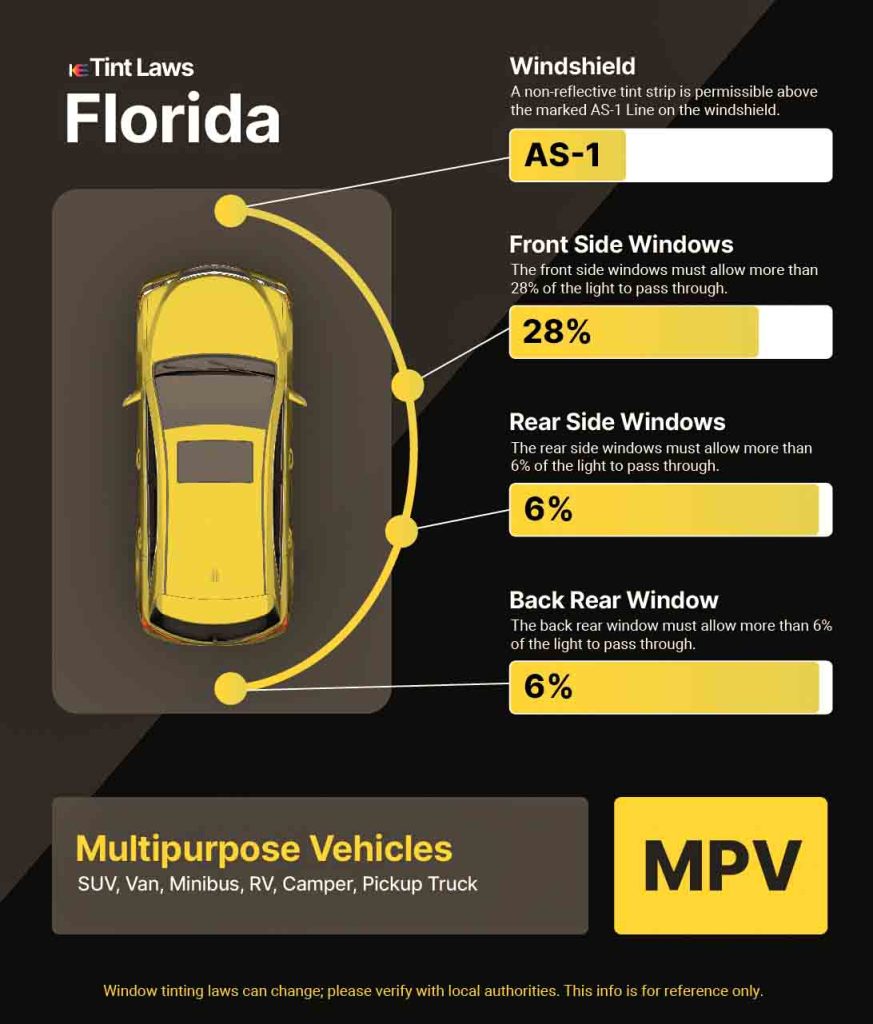
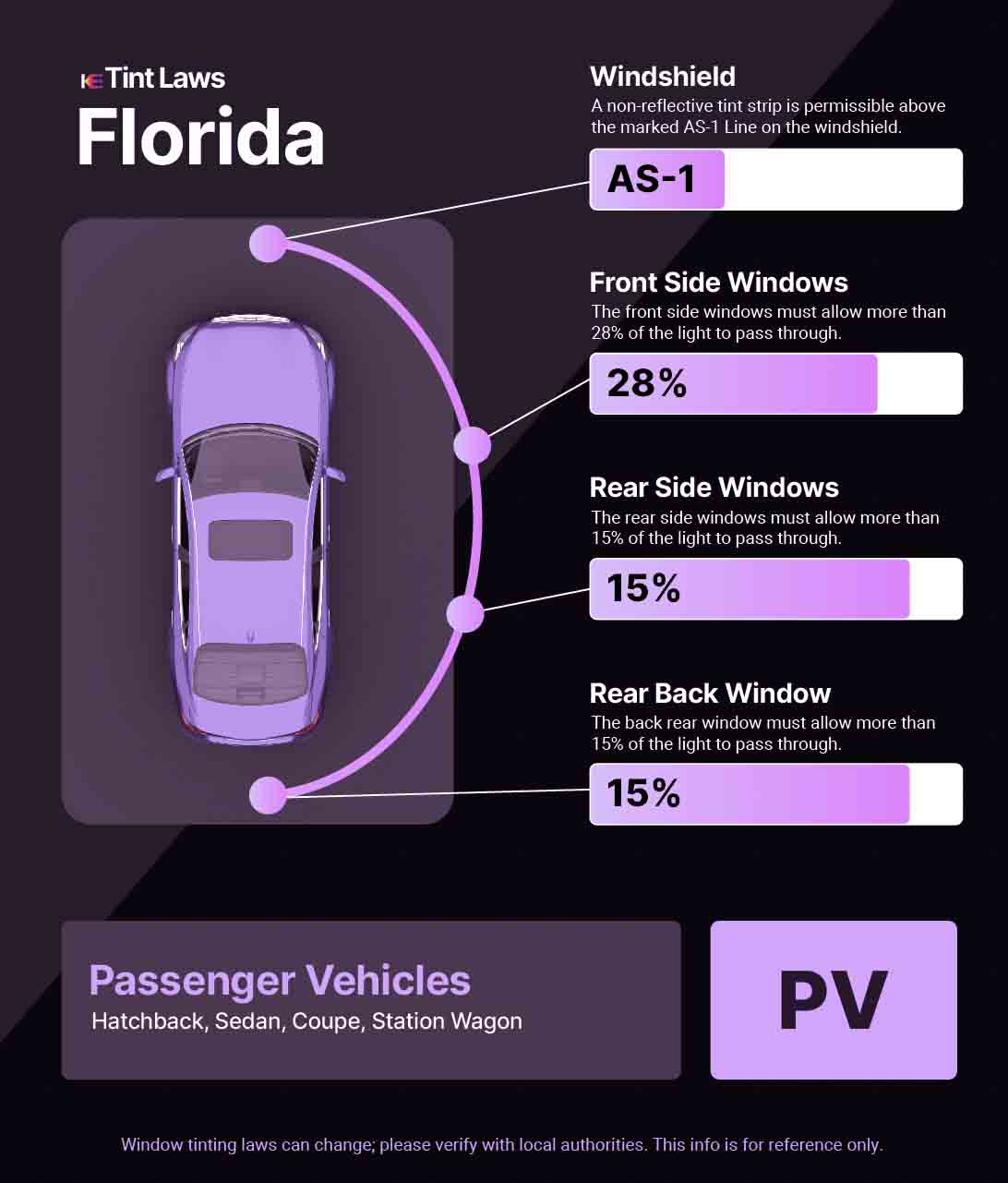
Florida law sets specific limits on how dark your window tint can be. The front side windows must allow more than 28% of light in, meaning the tint can’t be too dark. Rear side windows and the back window have no specific light transmission limits, giving you more freedom there.
Have you ever wondered why front windows have stricter rules? It’s about safety—officers need to see inside your vehicle during traffic stops. Keeping that window tint lighter helps prevent misunderstandings and ensures clear visibility.
Tinted Areas On Vehicles
Not all windows on your car can be tinted the same way. The law covers:
- Front side windows
- Rear side windows
- Rear window
- Windshield (only the top strip, called the AS-1 line, can be tinted)
Understanding this can save you from costly mistakes. For example, many people think they can tint their entire windshield, but Florida only allows a small tinted strip at the top. Are you sure your tint shop knows these details as well as you do?
Medical Exemptions
Some drivers qualify for medical exemptions that let them have darker tints. Conditions like lupus, skin cancer, or other light-sensitive disorders can make darker tints necessary. To use this exemption, you must have a doctor’s certification and carry it in your vehicle.
Keep in mind, even with a medical exemption, the tint must be professionally installed and follow specific guidelines. Have you checked if your medical needs qualify? It could save you trouble and improve your driving comfort dramatically.
Credit: kepler-dealer.com
Legal Limits For Visible Light Transmission
Understanding the legal limits for visible light transmission (VLT) in Florida is crucial if you want to tint your car windows without running into trouble. These laws regulate how much light must pass through your vehicle’s windows, ensuring safety for both drivers and law enforcement. Knowing the specifics can help you choose the right tint level and avoid fines or mandatory removal.
Front Side Windows
Florida law requires that front side windows allow at least 28% of visible light to pass through. This means your tint can’t be too dark on these windows. Maintaining this level lets you have some privacy while still being visible to other drivers and police officers.
If you’ve ever wondered why front windows have stricter rules, it’s mainly about safety. Drivers need to see clearly, especially in low light or bad weather conditions. Have you checked your tint percentage lately to make sure it’s legal?
Back Side Windows
Back side windows have more lenient rules compared to front side windows. In Florida, you can have any darkness level on these windows, as long as your vehicle has side mirrors on both sides. This offers greater flexibility for privacy and heat reduction.
Many people prefer darker tints on back windows for comfort and security. However, if your car lacks side mirrors, the law requires a minimum of 28% VLT here too. It’s a detail easily overlooked but important to keep in mind when tinting your ride.
Rear Window
The rear window follows a similar rule to back side windows. You can tint it as dark as you want if your vehicle has side mirrors on both sides. This is a big advantage for those who want maximum heat protection and privacy at the back.
Without side mirrors, the rear window must allow at least 28% of light through. Have you thought about how your mirror setup affects your tint options? It’s a simple check that can save you from future hassles.
Reflectivity And Color Restrictions
Understanding the reflectivity and color restrictions in Florida’s tint laws is crucial for anyone looking to add window tint to their vehicle. These rules aren’t just about style—they directly impact your safety and legality on the road. Knowing what’s allowed can save you from fines and help you make smarter tint choices.
Allowed Reflective Tint
Florida law limits how reflective your window tint can be. The tint should not reflect more light than a standard window glass. This means your tint can have a slight mirror effect but can’t be overly shiny or mirror-like.
Why does this matter? Too much reflectivity can blind other drivers, especially at night or during bright sunlight. If your tint looks like a mirror, it’s likely breaking the law.
To stay within the rules, aim for a tint that subtly reduces glare without creating a flashy, reflective surface. This keeps your car safe and legal.
Prohibited Colors
Florida also restricts the colors you can use for window tinting. The law bans colors like red, amber, and blue. These hues can confuse other drivers or law enforcement by mimicking emergency or official vehicles.
Choosing a color outside the allowed range could lead to fines or forced removal of your tint. Most common tint colors that are legal include shades of black or gray.
Have you ever seen a car with a bright colored tint and wondered if it’s street-legal? Now you know that some colors are outright prohibited for good reasons related to safety and identification.
Credit: lawrulebook.com
Enforcement And Penalties
Understanding how Florida enforces tint laws and the penalties involved is crucial if you want to avoid unexpected trouble on the road. Law enforcement officers take window tint regulations seriously, and violations can lead to more than just a warning. Knowing what to expect during traffic stops and the consequences of non-compliance helps you stay prepared and compliant.
Traffic Stops And Inspections
Police officers often check window tint during routine traffic stops or when they suspect a violation. They use specialized devices to measure the amount of light passing through your windows. If your tint is darker than Florida law allows, you may be pulled over specifically for this reason.
Officers might inspect all your vehicle’s windows, not just the front side windows. This thorough check ensures full compliance. Have you ever wondered how strict these inspections can get? It’s more thorough than most drivers expect.
Fines And Violations
Getting caught with illegal tint can lead to fines that vary depending on the severity of the violation. In Florida, fines usually start around $50 but can increase if the tint is excessively dark or if you have repeated offenses. These fines add up quickly if you ignore the issue.
Beyond the fines, a tint violation stays on your driving record. This can impact your insurance rates or future traffic stops. Are you ready to handle the financial and legal consequences if you get caught?
Fix-it Tickets
Florida often issues “fix-it” tickets for tint violations. These tickets require you to remove or modify your tint to meet legal standards within a set timeframe. Once corrected, you must provide proof to the court or law enforcement to dismiss the citation.
This option gives you a chance to avoid hefty fines if you act quickly. However, failing to fix the problem can lead to more severe penalties. Have you checked your window tint recently to avoid this hassle?
Benefits And Risks Of Window Tinting
Window tinting in Florida offers a mix of clear advantages and potential drawbacks. Understanding both can help you decide if tinting your vehicle is the right choice for your lifestyle and driving habits. Let’s break down the key benefits and risks to give you a clearer picture.
Heat And Uv Protection
Tinted windows significantly reduce the amount of heat entering your car. This keeps the interior cooler, making your drive more comfortable, especially during Florida’s hot summer days.
Beyond comfort, tinting blocks up to 99% of harmful UV rays. This protection helps prevent skin damage and reduces fading of your car’s upholstery. Have you noticed how much your dashboard and seats can deteriorate from constant sun exposure? Tinting helps preserve your vehicle’s interior for longer.
Visibility And Safety Concerns
While tinting can reduce glare from the sun and headlights, overly dark tints might impair your visibility, especially at night or in poor weather. This raises safety concerns not just for you, but for other drivers on the road.
Legal limits on tint darkness exist for a reason. Following Florida’s tint laws ensures you don’t risk fines or compromised safety. Have you ever struggled to see clearly through a tinted window? This might be why lighter tints are often recommended for daily drivers.

Credit: www.browninglawfirm.com
Choosing Legal Tint Films
Choosing the right tint film for your vehicle ensures you meet Florida’s tint laws. It protects you from fines and keeps your car safe. Selecting legal tint films helps maintain visibility and comfort.
Understanding which products comply with regulations is crucial. Proper installation also plays a key role in meeting legal standards. Both aspects affect your driving experience and law compliance.
Certified Tint Products
Always pick tint films approved by Florida authorities. Certified products have labels showing compliance with state rules. These tints meet limits on darkness and reflectivity.
Certified films offer protection from UV rays and heat. They ensure clear visibility during day and night. Avoid cheap tints without certification to prevent legal issues.
- Look for manufacturer certification labels
- Check if the product meets Visible Light Transmission (VLT) limits
- Choose films with UV protection features
Professional Installation Tips
Proper installation keeps your tint film legal and durable. Professionals know how to apply film without bubbles or wrinkles. A smooth finish improves visibility and appearance.
Ensure the installer follows Florida tint laws strictly. They should measure window VLT after installation. This avoids problems during vehicle inspections or police stops.
- Hire experienced, certified tint installers
- Request a post-installation VLT reading
- Keep installation receipts and certification for proof
Recent Changes And Updates
Staying updated on Florida’s tint laws is crucial if you want to avoid fines or legal hassles. Recent changes and court decisions have altered how these laws are applied, impacting drivers across the state. Understanding these updates helps you make informed choices about your vehicle’s window tinting.
New Legislation
Florida has introduced new rules tightening the allowed tint darkness on front side windows. The changes reduce the permissible Visible Light Transmission (VLT) percentage, meaning less tint is now legal in specific areas of your car.
For example, the front side windows must allow at least 28% of light to pass through, up from the previous 25%. This adjustment aims to improve officer visibility during traffic stops, enhancing safety for both drivers and law enforcement.
Have you checked your current tint level lately? Many drivers are unaware their tint no longer complies with the updated standards.
Court Rulings Impacting Tint Laws
Recent court decisions have clarified enforcement practices and the legality of certain tint types. One ruling emphasized that police officers need reasonable suspicion before inspecting your tint, protecting your privacy rights.
Another case addressed medical exemptions for tinting, confirming that drivers with certified medical conditions can legally apply darker tints on front windows. However, you must carry proper documentation to avoid penalties.
These rulings highlight how legal interpretations can shift and affect your rights. Are you prepared with the right paperwork if you rely on medical exemptions?
Frequently Asked Questions
What Is The Legal Tint Limit In Florida?
In Florida, the legal tint limit varies by vehicle type. For sedans, front side windows can have 28% VLT, and rear side windows can have 15% VLT. SUVs and vans can have 6% VLT on rear windows. Front windshields can have a non-reflective tint above the AS-1 line.
Are There Medical Exemptions For Tint In Florida?
Yes, Florida allows medical exemptions for window tints. Individuals with certain medical conditions can apply for an exemption permit. This permit allows them to use a darker tint for health reasons. You must provide medical documentation to qualify for this exemption.
How Much Is A Tint Violation Ticket In Florida?
A tint violation in Florida can result in a non-moving violation ticket. Fines typically range from $70 to $100. The exact cost may vary by county. Repeated violations can lead to additional penalties and fines, so compliance is important.
Can I Have Reflective Tint On My Car In Florida?
Yes, Florida allows reflective window tinting, but it must meet specific guidelines. The reflective tint cannot be more than 25% reflective for front side windows. Rear windows can have up to 35% reflectivity. This regulation helps reduce glare and heat.
Conclusion
Understanding Florida tint law helps you stay safe and legal on the road. Always check your vehicle’s tint levels to avoid fines. Remember, these laws protect drivers and passengers by ensuring clear visibility. Follow the rules to keep your car comfortable without risking trouble.
Stay informed and update yourself on any changes in the law. Keeping your tint within legal limits shows responsibility. Drive smart and enjoy the benefits of proper window tinting. Simple steps make a big difference in safety and compliance.