
Your Haval’s brake fluid plays a crucial role in keeping you safe on the road. But do you know when it’s time to change it?
Ignoring this simple maintenance step can lead to serious problems, even brake failure. You’ll discover clear signs that tell you exactly when to replace your brake fluid. By knowing this, you’ll protect your car, your wallet, and most importantly, your safety.
Keep reading to find out how to keep your brakes working perfectly every time you drive.
Importance Of Brake Fluid
Brake fluid might seem like just another liquid under your car’s hood, but it plays a vital role in keeping you safe on the road. Without the right brake fluid, or if it’s old and degraded, your brakes won’t perform as they should. This can lead to longer stopping distances or even brake failure—something no driver wants to face.
Role In Brake System
Your brake fluid acts as the messenger between your brake pedal and the brake pads. When you press the pedal, the fluid transfers that force through the brake lines to clamp the brake pads onto the rotors.
This process depends on the brake fluid’s ability to remain stable under high pressure and temperature. If the fluid absorbs moisture or becomes contaminated, it can cause spongy brakes or reduce braking power.
Types Of Brake Fluid
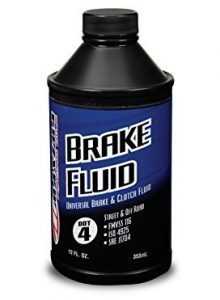
Not all brake fluids are the same. You’ll mainly encounter three types:
- DOT 3:Common in older vehicles, it has a lower boiling point and absorbs moisture faster.
- DOT 4:Found in most modern cars, it offers better heat resistance and longer life.
- DOT 5:Silicone-based and not compatible with other types; often used in classic or military vehicles.
Choosing the right type is crucial. Using the wrong brake fluid can damage your brake system or reduce its efficiency.
When was the last time you checked your brake fluid type and condition? It might be worth a quick look before your next drive.
Credit: grimmermotors.co.nz
Signs To Change Brake Fluid
Knowing when to change the brake fluid in your Haval is important for safe driving. Brake fluid does not last forever. It can absorb moisture over time, reducing its ability to work well. Recognizing the signs to change brake fluid helps avoid brake problems and costly repairs.
Brake Pedal Feel
The brake pedal may feel soft or spongy. This happens when brake fluid absorbs water. The brakes lose firmness and may take longer to stop the car. A hard or unresponsive pedal can also signal brake fluid issues. Feel changes in the pedal need attention quickly.
Warning Lights
Watch for brake warning lights on the dashboard. These lights can mean low brake fluid or other brake system faults. Do not ignore these signals. They alert you to potential safety risks. Check brake fluid levels and get a professional inspection if a warning light appears.
Fluid Appearance
Brake fluid should be clear or light amber. Dark or cloudy fluid shows contamination. Dirt and moisture change the fluid color. This reduces brake efficiency and can cause parts to rust. Check brake fluid color during regular car maintenance. Change the fluid if it looks dirty or dark.
Recommended Change Intervals
Knowing the recommended change intervals for Haval brake fluid keeps your vehicle safe. Brake fluid wears out over time and affects braking power. Changing it regularly avoids brake failure and costly repairs. Follow specific guidelines to maintain optimal brake performance and safety.
Manufacturer Guidelines
Haval provides clear instructions for brake fluid changes. Most models suggest changing the brake fluid every 2 years or 30,000 miles. These intervals ensure the fluid stays effective and moisture-free. Using the correct brake fluid type is also important. Always check the owner’s manual for exact recommendations.
Driving Conditions Impact
Driving habits and environment affect brake fluid life. Frequent stop-and-go traffic causes the brakes to heat up more. This speeds up fluid degradation. Harsh weather like heavy rain or cold temperatures also impacts fluid quality. If you drive in tough conditions, change the brake fluid more often. Inspect fluid condition regularly to avoid brake issues.

Credit: www.mymotorworld.com
Risks Of Delaying Fluid Change
Delaying the change of Haval brake fluid poses serious risks to your vehicle’s safety and performance. Old brake fluid absorbs moisture, which reduces its ability to function properly. This can lead to problems that affect your braking system and overall driving safety. Understanding these risks helps you avoid costly repairs and dangerous situations.
Brake Performance Issues
Brake fluid that is old or contaminated can cause the brakes to feel soft or spongy. This happens because moisture in the fluid lowers its boiling point. When brakes get hot, the fluid can vaporize, causing brake fade. This reduces stopping power and increases stopping distance. Your car may also respond slower when you press the brake pedal. These issues make driving unsafe.
Potential System Damage
Moisture in the brake fluid can cause rust and corrosion inside the brake system. Corroded parts like brake lines and calipers can leak or fail. This leads to expensive repairs and may require replacing major components. Contaminated fluid can also damage the brake master cylinder and ABS system. Regular brake fluid changes prevent this damage and keep your braking system reliable.
Diy Vs Professional Service
Deciding between changing your Haval brake fluid yourself or seeking professional service depends on your comfort level, tools available, and the importance you place on safety. Brake fluid replacement is crucial for maintaining braking efficiency and safety, but it involves handling hazardous materials and precise procedures. Understanding the differences can help you choose the best approach for your vehicle’s needs.
Steps For Diy Replacement
If you choose to replace the brake fluid yourself, you’ll need a few key tools: a jack, wrenches, a brake bleeder kit, and fresh brake fluid that meets Haval’s specifications.
- Start by lifting the car safely and removing the wheels to access the brake calipers.
- Locate the brake fluid reservoir and clean the area around the cap to avoid contamination.
- Use a turkey baster or similar tool to remove old fluid from the reservoir before refilling with new fluid.
- Attach the brake bleeder kit to the bleeder valve on each caliper and open the valve to let old fluid drain while adding new fluid to the reservoir.
- Repeat the bleeding process for all wheels until you see clear, new fluid without bubbles.
- Close all valves tightly and check the fluid level again before lowering the car.
This process demands patience and attention to detail. One slip-up can introduce air into the brake lines, reducing brake responsiveness. Can you afford the risk of compromised safety?
Benefits Of Professional Help
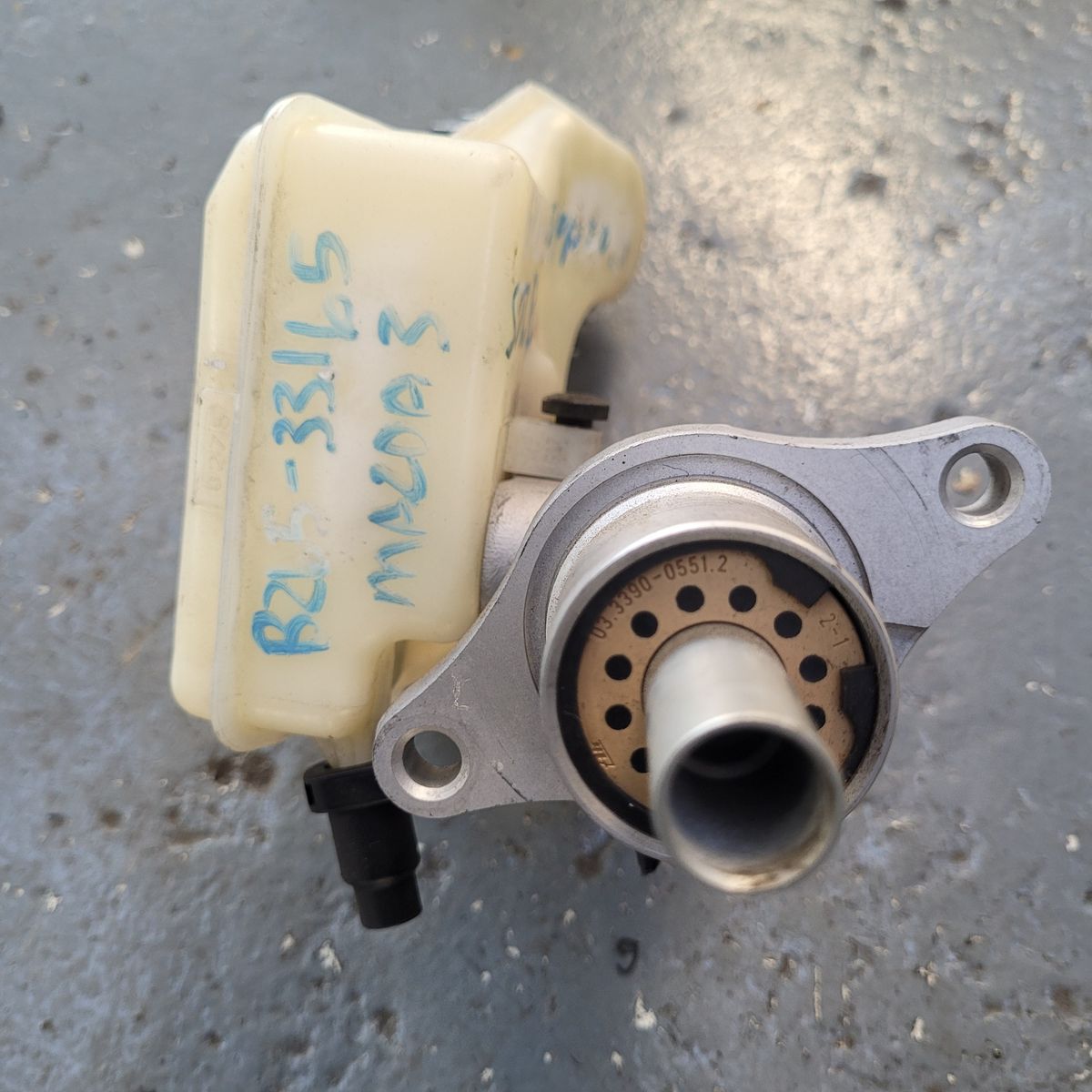
Professional mechanics have the expertise and equipment to replace brake fluid quickly and correctly. They use vacuum or pressure bleeding machines that ensure no air remains in the brake system, which is hard to achieve with DIY methods.
Taking your Haval to a service center also means technicians will inspect other critical brake components. They can spot worn pads, leaks, or damaged lines that you might miss.
While it costs more upfront, professional service can save you from expensive repairs or dangerous driving conditions caused by improper fluid replacement. Isn’t peace of mind worth the investment when it comes to your safety?
Credit: grimmermotors.co.nz
Maintaining Brake Fluid Health
Maintaining your Haval’s brake fluid health is essential for safe driving and optimal brake performance. Brake fluid plays a crucial role in transferring the force from your brake pedal to the brake pads. Over time, this fluid can degrade, leading to reduced braking efficiency and potential safety risks. Knowing how to keep your brake fluid in good condition helps you avoid costly repairs and keeps your vehicle responsive on the road.
Regular Inspections
Checking your brake fluid regularly is one of the easiest ways to maintain its health. Look for changes in color—fresh brake fluid is usually clear or light amber, while old fluid turns dark or cloudy. If you notice discoloration, it’s a sign that moisture or dirt has contaminated the fluid.
Also, monitor the brake fluid level in the reservoir. Low levels can indicate leaks or worn brake components. You can inspect this yourself or ask your mechanic during routine services. How often do you check your brake fluid? Making it part of your car care routine can prevent unexpected brake problems.
Proper Storage And Handling
Brake fluid is very sensitive to moisture and contamination. Once opened, it should be stored tightly sealed in a cool, dry place to prevent water absorption. Even a small amount of moisture can lower the fluid’s boiling point, risking brake failure under heavy use.
When adding brake fluid, always use a clean funnel and avoid touching the reservoir or fluid with dirty hands. Mixing different types or brands of brake fluid can cause chemical reactions that degrade performance. Do you keep a bottle of fresh brake fluid in your garage? It’s a simple step that can save you time and money during maintenance.
Frequently Asked Questions
How Often Should You Change Haval Brake Fluid?
Haval recommends changing brake fluid every two years or 30,000 miles. This schedule ensures optimal brake performance. Regular maintenance prevents moisture buildup and corrosion. Check your owner’s manual for specific guidelines. Always follow manufacturer recommendations for safety and vehicle longevity.
What Signs Indicate Haval Brake Fluid Needs Changing?
Signs include reduced braking efficiency, a spongy pedal, or warning lights. Discolored brake fluid also indicates a need for change. Regular checks can prevent potential issues. Address any signs promptly to ensure safety and reliability.
Why Is Changing Haval Brake Fluid Important?
Brake fluid absorbs moisture over time, reducing effectiveness. This can lead to corrosion and brake failure. Regular changes maintain optimal brake performance and safety. Following manufacturer guidelines ensures your vehicle operates safely and efficiently.
Can You Change Haval Brake Fluid Yourself?
Yes, but it requires proper tools and knowledge. Incorrect changes can lead to brake failure. If unsure, seek professional assistance. Always follow the vehicle manual for guidance. Ensuring proper maintenance is crucial for safety and performance.
Conclusion
Changing Haval brake fluid keeps your car safe and working well. Brake fluid absorbs moisture over time, which can harm your brakes. Check the fluid every year or every 20,000 kilometers. Clear, clean fluid means your brakes will respond quickly.
Don’t wait until you feel a problem. Regular brake fluid changes protect you and others on the road. Keep your car in top shape by staying on schedule with this simple task. Drive with confidence and peace of mind.