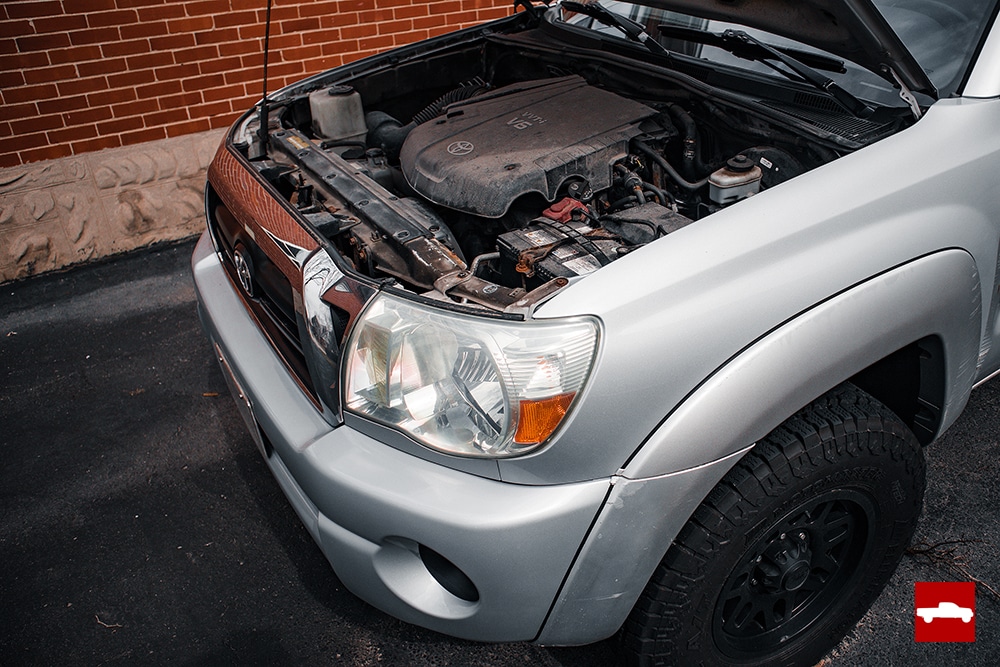
If you own a Toyota Tacoma, you know how important it is to keep your truck running smoothly. One key to that is using the right amount of oil.
But how much oil does a Toyota Tacoma actually take? Getting this right can save you from costly engine damage and keep your ride performing at its best. You’ll find clear answers and simple tips to help you take care of your Tacoma the right way.
Keep reading to find out exactly what your truck needs.

Credit: www.reddit.com
Toyota Tacoma Engine Types
The Toyota Tacoma offers different engine options to meet various driving needs. Each engine type has a specific oil capacity and maintenance requirement. Knowing your Tacoma’s engine type helps you choose the right oil amount. This ensures the engine runs smoothly and lasts longer.
2.7l 4-cylinder
The 2.7L 4-cylinder engine is common in base Tacoma models. It provides a balance of power and fuel efficiency. This engine requires about 5.1 quarts of oil with a filter change. Using the correct oil type is essential for optimal performance. Regular oil changes keep this engine running clean and cool.
3.5l V6 Engine
The 3.5L V6 engine offers more power for heavy-duty tasks. It is standard in higher Tacoma trims. This engine holds around 6.4 quarts of oil with a filter change. High-quality oil is crucial to protect this engine under stress. Timely oil changes prevent engine wear and maintain fuel economy.
Oil Capacity By Model Year
Knowing your Toyota Tacoma’s oil capacity is essential for maintaining engine health and performance. The amount of oil your truck needs can vary based on its model year, so it’s important to get this detail right before you start an oil change. Let’s break down the oil capacities by different model years to help you keep your Tacoma running smoothly.
Early Models (pre-2015)
Toyota Tacomas made before 2015 generally have smaller engines compared to newer models. Most of these trucks require about 5.5 quarts (5.2 liters)of oil when changing the oil and filter.
If you own a 2005 Tacoma with the 4-cylinder engine, you’ll typically use closer to 4.5 quarts. For the 4.0L V6 engines common in models from 2005 to 2014, the 5.5-quart figure is the standard.
It’s easy to assume all Tacomas take the same amount, but missing these subtle differences could leave you with too little or too much oil. Have you ever topped off your oil only to realize you added too much? It’s a common mistake that can be avoided with the right info.
Recent Models (2015 And Later)
Starting with the 2015 model year, Toyota updated the Tacoma with a more efficient engine and slight changes in oil capacity. Most 2015 and newer models with the 3.5L V6 engine take around 6.4 quarts (6.1 liters)of oil when including the filter change.
Newer models often come with synthetic oil recommendations, which can affect how frequently you change your oil but not the amount needed. If your Tacoma has a turbocharged or TRD Pro engine variant, double-check the owner’s manual because the oil capacity may vary slightly.
Have you noticed how some truck owners schedule oil changes based on mileage rather than time? With modern engines, following the right oil capacity and change intervals can significantly extend your engine’s life.
Choosing The Right Oil
Choosing the right oil for your Toyota Tacoma is more than just following a checklist. It affects your engine’s health, performance, and longevity. Picking the wrong oil can lead to increased wear or reduced fuel efficiency, so understanding what suits your truck is crucial.
Recommended Oil Viscosity
The viscosity of oil tells you how thick or thin it is at certain temperatures. Toyota generally recommends a 0W-20 viscosity for most Tacoma models. This means the oil flows well in cold starts but remains thick enough to protect the engine at operating temperature.
Using the right viscosity ensures the oil reaches all engine parts quickly and provides a steady protective layer. If you live in an extremely cold or hot climate, you might need to adjust the viscosity slightly. But sticking close to the manufacturer’s recommendation is usually your safest bet.
Synthetic Vs Conventional Oil
Synthetic oil offers better performance in extreme temperatures and lasts longer than conventional oil. It resists breaking down, which means fewer oil changes and better engine protection. Many Tacoma owners report smoother rides and improved fuel economy after switching to synthetic.
Conventional oil is cheaper and perfectly fine for regular driving if you change it often. However, if you tow heavy loads or drive off-road regularly, synthetic might save you money over time by reducing engine wear. Have you noticed any difference in how your Tacoma runs after switching oil types?
Oil Change Frequency
Changing the oil in a Toyota Tacoma is key to keeping the engine healthy. Knowing how often to change the oil helps avoid damage. The oil change frequency depends on various factors. Following the right schedule ensures smooth performance and longer engine life.
Manufacturer Recommendations
Toyota suggests changing oil every 5,000 to 10,000 miles. It varies by engine type and model year. Newer Tacomas with synthetic oil can go longer between changes. Always check the owner’s manual for exact intervals. Sticking to these guidelines keeps the warranty valid.
Driving Conditions Impact
Harsh driving conditions need more frequent oil changes. Stop-and-go traffic, dusty roads, and extreme temperatures stress the engine. Towing heavy loads or driving off-road also wears oil faster. In these cases, changing oil every 3,000 to 5,000 miles is best. This protects the engine from dirt and heat buildup.
How To Check Oil Level
Checking your Toyota Tacoma’s oil level is a simple yet crucial task to keep your engine running smoothly. Regular oil checks help you catch potential problems early, saving you time and money. Let’s walk through how you can easily check the oil level yourself and recognize signs that indicate it’s time to top up.
Using The Dipstick
Start by parking your Tacoma on a level surface and turning off the engine. Wait a few minutes for the oil to settle. Then, open the hood and locate the dipstick, usually marked with a bright handle.
Pull the dipstick out completely and wipe it clean with a rag or paper towel. Insert it back fully, then remove it again to check the oil level. The oil should be between the “Low” and “Full” marks on the stick.
If the oil is below the “Low” mark, you need to add oil. Be careful not to overfill, as too much oil can cause engine damage. What’s your experience with checking oil? Have you ever discovered a low level just before a long trip?
Signs Of Low Oil
Low oil doesn’t always show up on the dipstick first. Pay attention to your Tacoma’s engine sounds. A louder, knocking noise often means the engine isn’t lubricated well enough.
Other warning signs include the oil pressure warning light on your dashboard or smoke coming from the engine. If you notice any of these, check your oil immediately. Ignoring these signs can lead to costly repairs down the road.

Credit: www.blauparts.com
Common Oil-related Issues
Oil plays a vital role in keeping your Toyota Tacoma’s engine healthy. Problems with oil can cause serious damage. These issues affect performance and may lead to costly repairs. Recognizing common oil-related problems helps you act quickly. This section covers two main concerns: oil leaks and engine performance problems.
Oil Leaks
Oil leaks happen when oil escapes from the engine or oil system. Leaks reduce oil levels and harm engine parts. Common causes include worn gaskets, seals, or damaged oil pans. Signs of leaks include oil spots under the truck and a burning oil smell. Regular checks can catch leaks early. Fixing leaks prevents engine damage and keeps your Tacoma running smoothly.
Engine Performance Problems
Low or dirty oil affects engine performance. The engine may run rough, stall, or lose power. Oil that is old or contaminated cannot lubricate well. This leads to overheating and increased engine wear. Watch for warning lights on the dashboard. Regular oil changes maintain engine health and improve fuel efficiency. Proper oil care keeps your Tacoma reliable on every drive.
Diy Oil Change Steps
Changing the oil in your Toyota Tacoma yourself saves money and helps you understand your truck better. The process is simple with the right tools and some patience. Follow clear steps to keep your engine running smooth and extend its life.
Tools And Materials Needed
- New engine oil (check your owner’s manual for quantity and type)
- Oil filter compatible with Toyota Tacoma
- Oil filter wrench
- Socket wrench or spanner
- Oil drain pan
- Funnel
- Gloves to protect your hands
- Rags or paper towels
- Car jack and jack stands or ramps (optional, for easier access)
Step-by-step Process
Begin by warming up the engine for a few minutes. Warm oil drains faster and more completely. Park your truck on a flat surface. Turn off the engine and open the hood.
Place the oil drain pan under the oil drain plug. Use the socket wrench to loosen the drain plug carefully. Let the oil drain fully into the pan. Replace the drain plug and tighten it securely.
Locate the oil filter. Use the oil filter wrench to remove it. Be ready as some oil may spill out. Apply a little new oil to the rubber seal of the new filter. Screw the new filter on by hand until snug.
Open the oil fill cap on top of the engine. Using a funnel, pour in the new oil. Check the owner’s manual for the exact amount. After filling, replace the oil cap securely.
Start the engine and let it run for a minute. Check under the truck for any leaks. Turn off the engine and wait a few minutes. Use the dipstick to check oil level. Add more oil if needed.
Dispose of old oil properly at a recycling center. Never pour it down drains or on the ground.

Credit: www.youtube.com
Frequently Asked Questions
How Much Oil Does A Toyota Tacoma Hold?
A Toyota Tacoma typically holds about 6. 2 quarts of oil. This capacity can vary slightly based on the engine type and model year. Always refer to the owner’s manual for the most accurate information. Proper oil levels ensure optimal engine performance and longevity.
What Type Of Oil Is Best For A Toyota Tacoma?
The best oil type for a Toyota Tacoma is SAE 0W-20. This synthetic oil provides excellent fuel efficiency and engine protection. It ensures smooth operation under various temperature conditions. Check the owner’s manual for specific recommendations based on your Tacoma’s model year and engine.
How Often Should I Change Tacoma’s Oil?
For a Toyota Tacoma, change the oil every 5,000 to 10,000 miles. This interval depends on driving habits and oil type. Regular oil changes maintain engine health and performance. Always consult the owner’s manual for model-specific maintenance schedules to ensure optimal engine care.
Can I Use Synthetic Oil In My Tacoma?
Yes, synthetic oil is recommended for Toyota Tacoma. Synthetic oils offer better protection and performance. They reduce engine wear and improve fuel efficiency. Using synthetic oil can also extend the intervals between oil changes. Always verify with the owner’s manual for compatibility with your specific model.
Conclusion
Knowing the right oil amount keeps your Tacoma running smooth. Using too little or too much oil can harm the engine. Check your owner’s manual for exact oil capacity. Regular oil changes help your truck last longer. Clean oil protects parts and improves fuel use.
Take care of your Tacoma with simple oil checks. It saves money and avoids big repairs later. Keep your truck healthy and ready for every drive. Easy steps, big benefits.