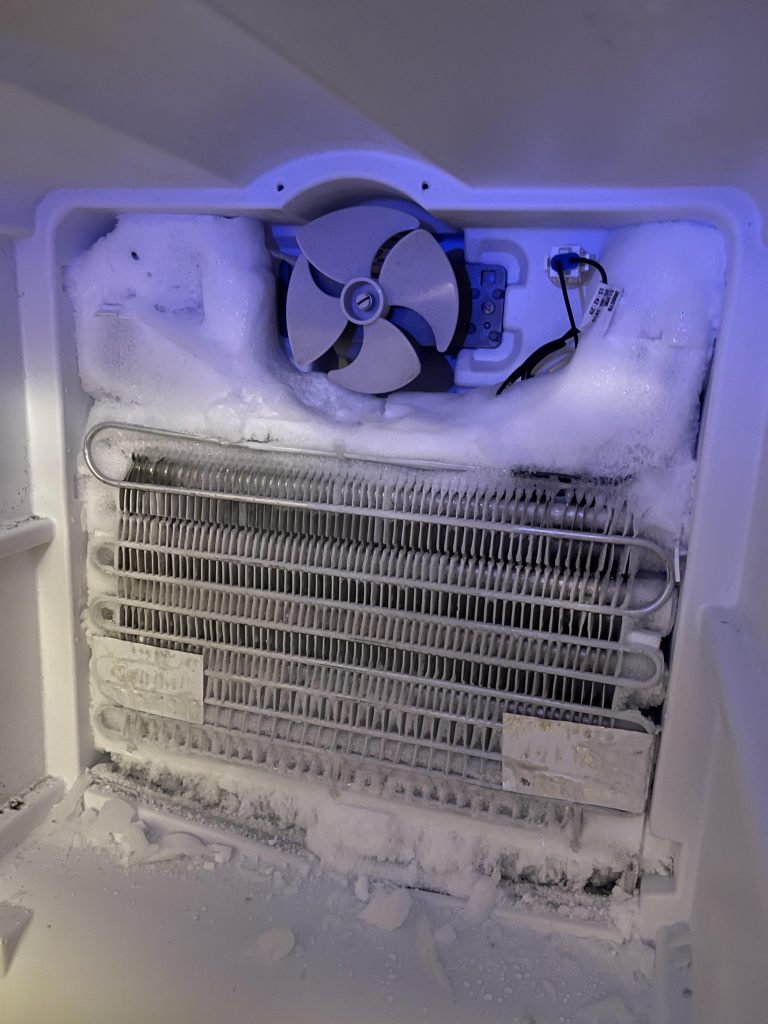
Have you ever noticed your refrigerator running a bit warmer than usual or making strange noises? If so, you might be dealing with dirty refrigerator coils.
These coils, often tucked away out of sight, play a crucial role in keeping your fridge running efficiently. But when they gather dust and debris, they can cause all sorts of problems. You’re probably wondering, “Can I use compressed air to clean refrigerator coils?
” This question might just hold the key to restoring your fridge’s performance without calling in a professional. You’ll uncover the truth about using compressed air for coil cleaning. We’ll dive into the potential benefits, along with some essential precautions you need to keep in mind. By the end of this read, you’ll know whether this quick fix is the solution your refrigerator desperately needs. So, stay with us, and you’ll soon be equipped with the knowledge to potentially save time, money, and a whole lot of hassle.
Why Clean Refrigerator Coils
Cleaning refrigerator coils is essential for keeping your fridge running smoothly. Dirt and dust build up on coils over time. This buildup blocks airflow and reduces cooling ability. Regular cleaning helps maintain good performance and saves energy. Understanding why coil cleaning matters can help you keep your appliance in top shape.
Impact On Efficiency
Dirty coils make the refrigerator work harder. The compressor uses more electricity to cool the fridge. This leads to higher energy bills. Over time, the extra strain can cause parts to wear out faster. Clean coils improve airflow, allowing the fridge to cool more easily. This keeps energy use low and extends the fridge’s life.
Signs Of Dirty Coils
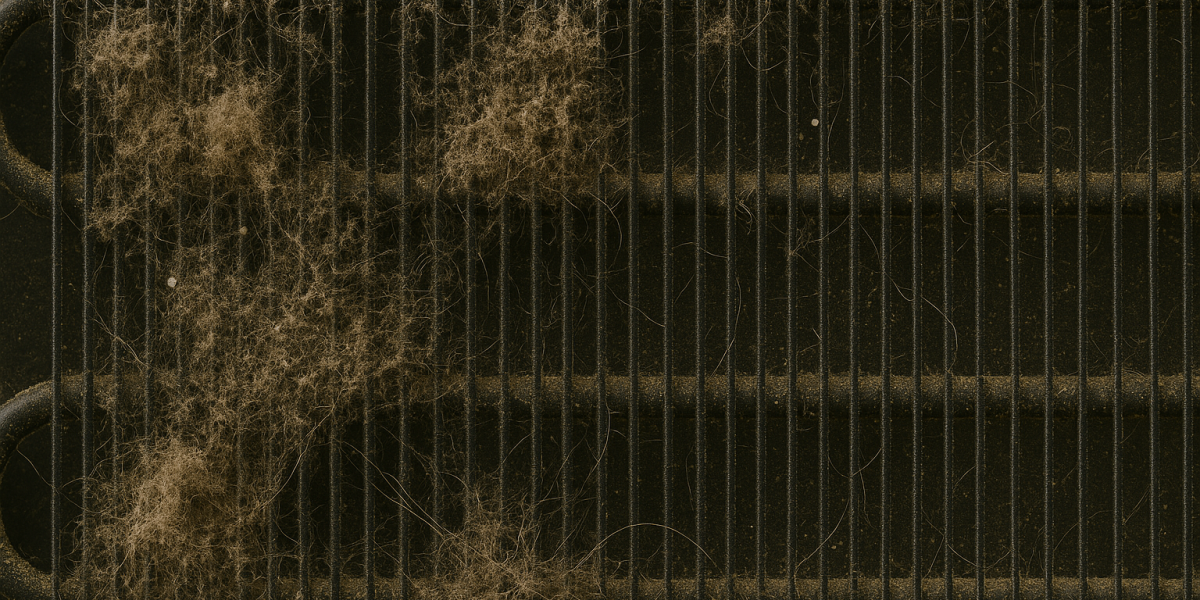
Notice your fridge running longer than usual. Food may not stay as cold as before. You might hear the compressor running loudly or constantly. The back or bottom of the fridge feels hot to touch. These signs often mean the coils need cleaning. Checking coils regularly helps catch problems early and keeps your fridge efficient.
Tools For Cleaning Coils
Cleaning refrigerator coils helps the appliance run efficiently and saves energy. Choosing the right tools makes this task easier and safer. Different tools work best depending on coil type and dirt level. Understanding the tools can guide you in maintaining your refrigerator properly.
Compressed Air Benefits
Compressed air blows dust and debris from coils quickly. It reaches tight spaces where brushes cannot fit. This tool reduces the risk of damaging delicate coil fins. Using compressed air is a dry method, so no moisture harms the coils. It helps maintain good airflow, improving cooling performance. Compressed air also speeds up the cleaning process significantly.
Alternative Cleaning Tools
- Coil Cleaning Brush:Soft bristles clean without bending fins.
- Vacuum Cleaner:Removes dust gently using a brush attachment.
- Fin Comb:Straightens bent fins for better airflow.
- Dish Soap and Water:Used for deep cleaning, but coils must dry fully.
Select tools based on coil condition and available resources. Proper tools ensure safe and effective coil maintenance.
Using Compressed Air Safely
Using compressed air to clean your refrigerator coils can be a quick and effective way to boost efficiency and extend the life of your appliance. However, handling compressed air incorrectly might cause damage to the coils or even pose safety risks. Understanding how to use compressed air safely is essential before you start.
Preparation Steps
Before you grab the compressed air can, unplug your refrigerator to avoid electrical hazards. Clear the area around the coils, removing any dust or debris by hand or with a soft brush. Make sure you have good ventilation since blowing dust can send particles into the air you breathe.
Gather all necessary tools first: a can of compressed air with a narrow nozzle works best, along with protective gloves and eye protection. Preparing these items beforehand saves time and helps you avoid rushing, which often leads to mistakes.
Proper Technique
Hold the compressed air can upright to prevent any liquid propellant from spraying onto the coils. Use short bursts rather than a continuous stream to avoid freezing or damaging delicate parts. Keep the nozzle a few inches away from the coils—too close can bend the fins or force dust deeper inside.
Work methodically, moving along the coils section by section. If you notice stubborn dirt, don’t use excessive force; instead, switch to a soft brush to loosen it gently. How often have you cleaned your coils? Regular maintenance prevents heavy buildup that’s harder to remove.
Safety Precautions
Always wear safety goggles to protect your eyes from flying dust and debris. Compressed air cans can get cold quickly—handle them carefully to avoid frostbite on your hands. Make sure the room is well-ventilated to reduce inhalation of dust particles.
Never use compressed air near open flames or heat sources, as the propellant is flammable. Keep children and pets away during the cleaning process to prevent accidents. Are you confident your cleaning setup is safe enough before starting? Taking these safety steps seriously protects you and your refrigerator.

Credit: www.sloanappliance.com
Common Mistakes To Avoid
Cleaning refrigerator coils with compressed air can improve efficiency. Avoid mistakes that could cause damage or injury. Knowing common pitfalls helps keep your fridge safe and working well.
Overusing Air Pressure
Using too much air pressure can bend or break the coils. Coils are delicate and need gentle cleaning. High pressure can push dirt deeper inside, making it harder to remove. Use moderate air pressure to blow dust away safely.
Ignoring Power Disconnection
Always unplug the refrigerator before cleaning coils. Electricity and compressed air together can cause shocks or short circuits. Disconnecting power protects you from accidents. It also prevents damage to the fridge’s electrical parts during cleaning.
Maintenance Tips For Coils
Maintaining clean refrigerator coils is vital for efficient cooling and energy savings. Dirt and dust on coils reduce airflow and force the fridge to work harder. Regular upkeep keeps your appliance running smoothly and prevents costly repairs.
Regular Cleaning Schedule
Set a cleaning routine for your refrigerator coils. Check coils every three to six months. Use a soft brush or vacuum to remove dust and debris carefully. Avoid using water or harsh chemicals that can damage coils. Consistent cleaning helps maintain proper cooling performance and extends the fridge’s lifespan.
Additional Care Practices
Keep the area around the refrigerator clean and free of clutter. Ensure good ventilation by leaving space between the fridge and the wall. Inspect coils for signs of damage or corrosion. Replace or repair damaged parts promptly to avoid bigger issues. Using compressed air can help blow out stubborn dust, but do so gently to prevent bending coil fins.
Credit: advanceapplianceltd.ca

Credit: www.reddit.com
Frequently Asked Questions
Can Compressed Air Damage Refrigerator Coils?
Yes, compressed air can damage coils if used improperly. High pressure may bend or break coil fins, reducing efficiency. Use low-pressure air and hold the nozzle at a safe distance to avoid damage.
Is Compressed Air Effective For Cleaning Coils?
Compressed air is effective for removing dust and debris from coils. It helps improve airflow and cooling efficiency. However, it may not remove sticky grime or grease, which require deeper cleaning methods.
How Often Should I Clean Refrigerator Coils?
Clean refrigerator coils every 6 to 12 months for optimal performance. More frequent cleaning is needed in dusty or pet-friendly environments. Regular cleaning reduces energy consumption and prolongs refrigerator life.
Can I Use A Vacuum Instead Of Compressed Air?
Yes, a vacuum with a brush attachment is a safe alternative. It gently removes dust without damaging delicate coil fins. Use a vacuum if you lack experience with compressed air cleaning.
Conclusion
Using compressed air can help clean refrigerator coils well. It removes dust and dirt from hard-to-reach places. Be careful not to use too much pressure to avoid damage. Regular coil cleaning keeps your fridge running smoothly and saves energy. Always unplug the fridge before cleaning for safety.
Simple steps like this improve your appliance’s life. Try this method for easy, effective coil care. Clean coils mean a cooler fridge and lower bills. Small efforts bring big benefits.