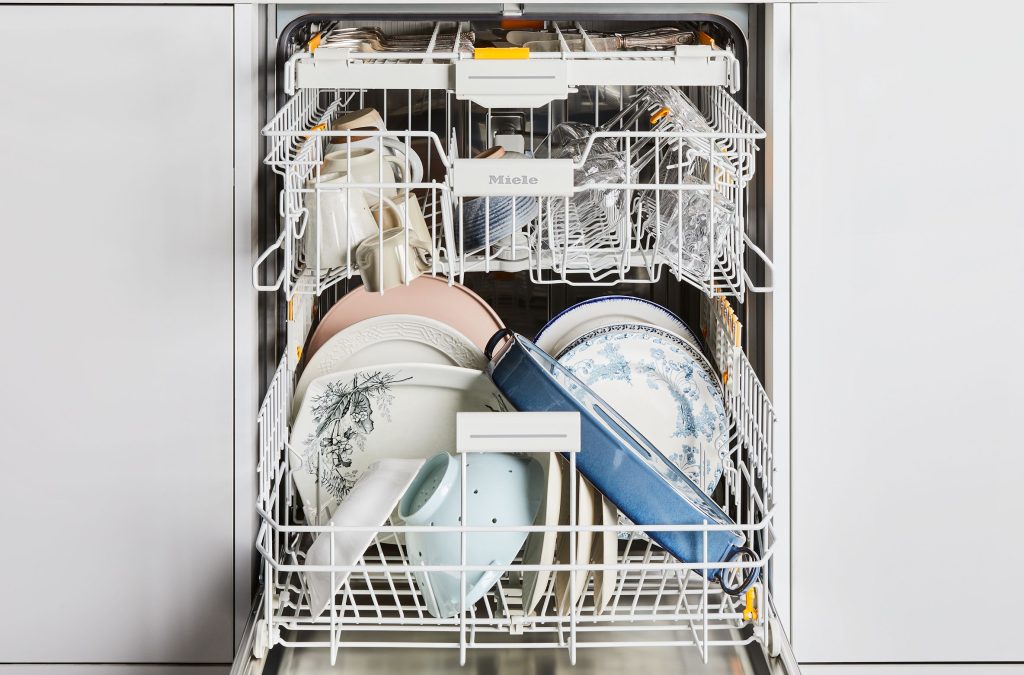
Ever pulled a sparkling wine glass from your cabinet, only to find it’s clouded with unsightly spots? You’re not alone.
Many wine enthusiasts face this frustrating issue. Washing wine glasses in a dishwasher is convenient, but it requires a special touch to maintain their clarity and shine. Imagine hosting a dinner party where your guests marvel at the pristine sparkle of your glassware.
Wouldn’t you love to know the secret? You’ll discover easy, step-by-step methods to ensure your wine glasses emerge from the dishwasher as dazzling as they were on the day you bought them. Stay with us, and soon, you’ll be the proud owner of spotless wine glasses that turn heads and elevate your dining experience.
Choosing The Right Wine Glasses
Choosing the right wine glasses matters a lot when you plan to wash them in a dishwasher. Not all wine glasses handle the dishwasher cycle well, and picking the right ones can save you from annoying breakage or cloudiness. Think about how the material and shape of your glasses affect their dishwasher safety and cleaning results.
Material Matters
Glass types vary widely, and some are more dishwasher-friendly than others. Crystal glasses, especially those with thin rims, often chip or crack easily in the dishwasher. On the other hand, tempered glass or thicker, sturdy glassware usually holds up better under dishwasher conditions.
Have you noticed your favorite crystal glass develop a cloudy film after several washes? That’s a sign the dishwasher might be too harsh. Opting for glasses labeled dishwasher-safe can prevent this problem and keep your collection looking fresh longer.
Shape And Size Considerations
Bulky or unusually shaped wine glasses can be tricky to fit properly in a dishwasher rack. If they don’t sit securely, they might bump into other dishes and break during the cycle. Slim, straight-sided glasses tend to pack well and stay stable throughout washing.
Think about the stem length too. Long stems can be vulnerable to snapping or bending, so glasses with shorter, sturdier stems often survive better in dishwashers. Have you ever had to replace a glass because it couldn’t handle the spin? Choosing the right size and shape can prevent that hassle.

Credit: www.espares.co.uk
Preparing Glasses For The Dishwasher
Preparing wine glasses for the dishwasher helps keep them clean and clear. Proper preparation prevents damage and ensures the best results. Taking a few simple steps before loading can protect delicate glassware. These steps remove leftover liquids and reduce spots and smudges.
Rinsing Residue
Rinse each glass with warm water before placing it in the dishwasher. This removes leftover wine and prevents stains. Avoid using soap at this stage; plain water is enough. Gently swirl water inside the glass to clear out residue. Make sure no solid bits remain, as they can cause spots.
Avoiding Stains And Smudges
Dry glasses slightly with a soft cloth before loading. This reduces water spots from dishwasher drying. Use a dishwasher-safe rack designed for fragile glasses. Place glasses securely to avoid movement during washing. Avoid overcrowding to ensure water flows freely around each glass. Choose a gentle cycle and avoid high heat settings.
Loading Wine Glasses Properly
Loading wine glasses properly in the dishwasher is key to keeping them spotless and damage-free. If glasses are placed too close, they can clink and chip during the wash cycle. On the other hand, if they are too far apart, you might not maximize space efficiently.
Placement Tips
Place wine glasses between, not on, the dishwasher tines to avoid breakage. Ensure the stems are secure and not wobbly to prevent tipping over. Position glasses facing downward so water drains properly, reducing spots and water marks.
Have you ever opened your dishwasher to find cloudy or chipped glasses? Proper spacing can prevent these common problems. Keep fragile glasses away from heavy pots and pans to avoid accidental damage.
Using Dishwasher Racks And Holders
Use special racks or holders designed for wine glasses to keep them stable. These accessories hold the glasses upright and reduce movement during the wash cycle. If your dishwasher lacks these, consider investing in silicone racks or clips that protect stems and bowls.
Some dishwashers offer adjustable racks to fit taller wine glasses. Adjusting these can help you fit more glasses without crowding. Ask yourself if your dishwasher setup supports your glassware—small changes can save you from costly replacements.
Selecting The Best Dishwasher Settings
Selecting the best dishwasher settings ensures your wine glasses come out spotless and safe. The right settings protect delicate glassware from damage and keep them shining. Choosing the correct temperature and cycle helps remove wine stains without causing cracks or cloudiness.
Temperature Choices
Use a gentle temperature setting for wine glasses. High heat can weaken glass and cause etching. Aim for temperatures between 110°F and 130°F (43°C to 54°C). This range cleans well without harming delicate glass.
Some dishwashers have a “glass” or “delicate” temperature option. These settings use lower heat and avoid harsh sprays. Avoid the “sanitize” setting, as it uses very high temperatures that can damage glassware.
Cycle Selection For Delicate Glassware
Choose a cycle designed for fragile items. Look for options labeled “glass,” “delicate,” or “gentle.” These cycles use less water pressure and shorter wash times.
Long or heavy-duty cycles can be too rough. They may cause chips or cracks on thin wine glasses. A short, mild cycle reduces risk and still removes residue well.
Rinse-only cycles help clear leftover wine stains without full washing. Use this if glasses are only lightly soiled.
Choosing The Right Detergent
Choosing the right detergent plays a key role in washing wine glasses in a dishwasher. The detergent must clean well without damaging the delicate glass. It should remove wine stains and leave no residue behind. Selecting the best detergent type helps keep your glasses sparkling and safe.
Powder Vs. Liquid Detergents
Powder detergents often contain stronger cleaning agents. They work well on tough stains but may leave residue if not rinsed properly. Liquid detergents dissolve quickly and rinse clean easily. They are gentler on glass and reduce spotting. Consider how hard your water is when choosing between powder and liquid. Hard water may need powder for better cleaning power. Soft water suits liquid detergents to avoid excess suds.
Avoiding Harsh Chemicals
Harsh chemicals can etch or cloud wine glasses over time. Avoid detergents with bleach, phosphates, or strong alkalis. These ingredients damage glass surfaces and dull shine. Choose detergents labeled safe for delicate glassware. Look for natural or enzyme-based formulas that clean gently. Using mild detergents extends the life of your wine glasses and keeps them clear.

Credit: www.express.co.uk
Drying Techniques For Spotless Glasses
Drying wine glasses properly after a dishwasher cycle is key to keeping them clear and shiny. Water spots and streaks often spoil their look. Choosing the right drying technique prevents this and keeps your glasses spotless. Let’s explore effective ways to dry wine glasses for a perfect finish.
Air Dry Vs. Heated Dry
Air drying lets glasses cool naturally inside the dishwasher. This method reduces heat damage and glass breakage. It also uses less energy, making it eco-friendly. However, air drying can leave water spots if the air is humid.
Heated drying uses warm air to speed up moisture evaporation. It helps prevent water spots by drying faster. Yet, it can sometimes cause glasses to become too hot. This may weaken the glass over time. Choose heated drying for quick results but watch for glass wear.
Hand Drying Tips
Use a soft, lint-free cloth to hand dry your wine glasses. Microfiber towels work best to avoid scratches and fibers. Pat glasses gently instead of rubbing to reduce streaks.
- Remove glasses from the dishwasher while still warm.
- Dry rims and stems first to prevent drips.
- Hold the glass by the bowl, not the stem, for better control.
- Use a clean cloth only for glassware to avoid contamination.
Hand drying lets you catch spots early. It ensures every glass shines bright and clear.
Preventing Damage And Breakage
Washing wine glasses in the dishwasher needs care to keep them safe. Preventing damage and breakage is key to preserving their beauty and function. Proper handling and smart dishwasher use help avoid cracks and chips.
Follow simple tips to protect fragile glasses and reduce dishwasher wear. These steps keep your glasses sparkling and intact for many uses.
Handling Fragile Glasses
Place glasses gently in the dishwasher. Avoid overcrowding to stop glasses from touching each other. Use the top rack only, where water pressure is lower.
Secure glasses by using dishwasher clips or holders. These tools keep glasses steady during the wash cycle. Avoid stacking glasses or placing heavy items nearby.
Avoiding Dishwasher Wear And Tear
Choose a gentle cycle designed for delicate items. High heat and strong sprays can weaken glass over time. Use mild detergent to prevent surface damage.
Check the dishwasher for loose racks or parts before starting. Broken parts can cause glasses to knock and break. Regular maintenance ensures smooth, safe operation.
Allow glasses to cool inside the dishwasher after the cycle ends. Sudden temperature changes can cause cracks or breaks.
Maintaining Dishwasher For Optimal Cleaning
Keeping your dishwasher in top shape helps clean wine glasses perfectly every time. Dirt and debris can block water flow, leaving spots and film on glasses. Regular care ensures strong water jets and proper drainage. This leads to sparkling, spotless wine glasses after each wash.
Regular Cleaning Routines
Run a cleaning cycle once a month using dishwasher cleaner. This removes grease and limescale buildup inside the machine. Wipe the door seals and edges with a damp cloth to stop mold growth. Avoid overloading the dishwasher to allow water and detergent to reach all items well.
Checking Spray Arms And Filters
Spray arms must spin freely and have open holes for water to flow. Remove and rinse them under running water to clear any blockages. Filters trap food particles and should be cleaned every week or two. Take out the filter and rinse it with warm water and a soft brush. This prevents clogs that reduce cleaning power.

Credit: www.express.co.uk
Frequently Asked Questions
Can Wine Glasses Be Safely Washed In A Dishwasher?
Yes, wine glasses can be safely washed in a dishwasher. Use a gentle cycle and avoid high heat to prevent damage. Place glasses securely to avoid movement. This method saves time and ensures cleanliness while protecting delicate glassware.
How To Prevent Wine Glasses From Breaking In Dishwasher?
To prevent breakage, place wine glasses on the top rack with ample space between them. Use a soft cycle and avoid overloading. Secure glasses with dishwasher holders or racks designed for stemware. This reduces clinking and protects fragile glasses during washing.
Should I Use Special Detergent For Washing Wine Glasses?
It is best to use a mild, non-abrasive dishwasher detergent for wine glasses. Harsh detergents can etch or cloud the glass surface. Choose detergents labeled safe for glassware to maintain clarity and shine while ensuring thorough cleaning.
Is It Necessary To Dry Wine Glasses After Dishwasher Wash?
Yes, drying wine glasses after washing prevents water spots and streaks. Use a soft, lint-free cloth to hand dry immediately after the cycle ends. This keeps glasses sparkling and ready for use without residue or marks.
Conclusion
Washing wine glasses in the dishwasher saves time and effort. Place glasses carefully to avoid damage. Use a gentle cycle and mild detergent for best results. Avoid overcrowding to ensure thorough cleaning. Dry glasses immediately to prevent water spots. Follow these tips to keep your wine glasses clear and shiny.
Clean glasses make wine taste better. Enjoy your drinks with sparkling, spotless glasses every time. Simple steps lead to great results.