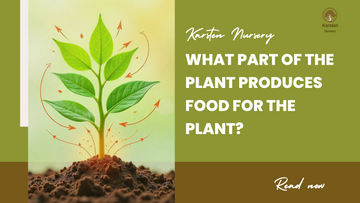
Have you ever wondered how plants eat without a mouth? You might think roots or flowers do the job, but the real answer might surprise you.
Understanding which part of the plant makes food is not only fascinating but also helps you appreciate how nature works to keep plants alive and thriving. Keep reading, and you’ll discover the secret behind how plants feed themselves and why this process is crucial for your garden, your environment, and even the food on your table.
Don’t miss out on unlocking this green mystery!
How Plants Make Food
Plants make their own food through a process called photosynthesis. This process happens mainly in the leaves of the plant.
During photosynthesis, plants convert sunlight into energy. This energy helps them create food from carbon dioxide and water.
Role Of Leaves In Photosynthesis
Leaves are the main food-making part of a plant. They contain a green pigment called chlorophyll.
Chlorophyll captures sunlight and helps convert it into energy. This energy is essential for making food.
Sunlight provides the energy needed for photosynthesis. Without sunlight, plants cannot make food.
Sunlight shines on the leaves, and chlorophyll absorbs it. This starts the food-making process.
Water And Carbon Dioxide
Water is absorbed by the roots and travels to the leaves. Carbon dioxide enters through tiny openings in the leaves called stomata.
In the leaves, water and carbon dioxide mix with sunlight to make food. This food is a type of sugar the plant uses for energy.
- Leaves contain chlorophyll
- Sunlight is captured by chlorophyll
- Water and carbon dioxide are essential
- Food is made in the form of sugar

Credit: askabiologist.asu.edu
Role Of Leaves In Food Production
Leaves are the main parts of plants that make food. They help the plant get energy to grow and live.
Leaves use sunlight to create food through a special process. This process happens inside the leaf cells.
Structure Of Leaves
Leaves have many parts that help them make food. The flat surface of leaves helps catch sunlight.
Inside the leaf, there are tiny cells that hold chlorophyll. The leaf also has veins to carry water and nutrients.
- Cuticle: a waxy layer that protects the leaf
- Epidermis: outer layer of cells
- Mesophyll: middle layer with many chloroplasts
- Veins: transport water and food
- Stomata: small openings for gas exchange
Chlorophyll And Its Function
Chlorophyll is a green pigment found in leaf cells. It helps the leaf absorb sunlight.
This pigment captures light energy, which plants use to make food. Chlorophyll gives leaves their green color.
- Absorbs sunlight
- Helps convert light into energy
- Found in chloroplasts inside leaf cells
Photosynthesis Process
Photosynthesis is how leaves make food using sunlight, water, and carbon dioxide. It creates glucose and oxygen.
Glucose is the sugar that plants use for energy and growth. Oxygen is released into the air.
- Leaves take in sunlight and carbon dioxide
- Water moves from roots to leaves
- Chlorophyll uses light to make glucose
- Oxygen is released through stomata
Importance Of Sunlight
Sunlight is very important for plants because it helps them make food. Plants use sunlight to turn water and air into energy.
Without sunlight, plants cannot grow or survive. It gives them the power they need to live.
Energy Source For Photosynthesis
Sunlight is the main energy source for photosynthesis. This process happens in the leaves of the plant.
During photosynthesis, plants use sunlight to change carbon dioxide and water into sugar and oxygen.
- Sunlight provides energy to make food
- Leaves capture light using chlorophyll
- Sugar made is food for the plant
Effect Of Light Intensity
Light intensity means how strong the sunlight is. It affects how much food a plant can make.
When light is bright, plants make more food. If light is weak, food production slows down.
- High light intensity increases photosynthesis
- Low light causes slower food making
- Too much light can harm the plant
Role Of Water And Nutrients
Plants need water and nutrients to make their own food. Water helps transport nutrients and keeps the plant alive. Nutrients give plants the materials to grow and create energy.
Understanding how plants absorb water and nutrients shows how they prepare for photosynthesis. The roots and transport system play key roles in this process.
Water Absorption By Roots
Roots take in water from the soil. Tiny root hairs increase the surface area to absorb more water. Water moves from the soil into the root cells by a process called osmosis.
- Root hairs grow into small spaces in the soil
- Water enters the root cells through cell membranes
- Water moves to the plant’s stem and leaves through the xylem
Nutrient Transport In Plants
Nutrients dissolve in water inside the soil. Roots absorb these nutrients along with water. The xylem carries the nutrients up to all parts of the plant.
| Nutrient | Role in Plant |
| Nitrogen (N) | Builds leaves and stems |
| Phosphorus (P) | Supports root growth and energy transfer |
| Potassium (K) | Helps with water use and disease resistance |
| Calcium (Ca) | Strengthens cell walls |
| Magnesium (Mg) | Part of chlorophyll for photosynthesis |
Carbon Dioxide’s Contribution
Plants make their own food through a process called photosynthesis. Carbon dioxide plays a key role in this process. It helps plants create the energy they need to grow and live.
This article explains how carbon dioxide moves in and out of leaves and how plants use it to make food.
Gas Exchange In Leaves
Leaves have tiny openings called stomata. These openings allow gases to move in and out of the leaf. Carbon dioxide enters through the stomata. Oxygen and water vapor leave the leaf the same way.
- Stomata open to let carbon dioxide in.
- Oxygen, a byproduct, exits through stomata.
- Water vapor also leaves during gas exchange.
- Guard cells control the opening and closing of stomata.
How Co2 Is Used In Photosynthesis
Inside the leaf, carbon dioxide is used in the chloroplasts. Chloroplasts have a green pigment called chlorophyll. This pigment captures sunlight. The sunlight energy helps turn carbon dioxide and water into glucose and oxygen.
| Input | Process | Output |
| Carbon dioxide (CO₂) | Captured by chlorophyll | Glucose (food) |
| Water (H₂O) | Split by sunlight energy | Oxygen (O₂) |
| Sunlight | Energy source | Energy stored in glucose |
Credit: tasweeb.medium.com
Other Plant Parts Supporting Food Production
Leaves make food for the plant through photosynthesis. Other parts help support this important process.
Stem and roots play key roles in helping the plant get nutrients and water. These parts keep the plant healthy and strong.
Stem’s Role In Transport
The stem moves water and nutrients from roots to leaves. It also carries food made in the leaves to other parts.
It acts like a highway inside the plant. Water travels up, and food travels down through the stem.
- Xylem moves water and minerals upward
- Phloem transports food to roots and stems
- The stem supports the plant’s structure
Roots Supporting Overall Health
Roots absorb water and minerals from the soil. They supply these important materials to the stem and leaves.
Roots also hold the plant firmly in the ground. Healthy roots mean the plant can grow well and make enough food.
- Take in water needed for photosynthesis
- Absorb minerals for plant growth
- Anchor the plant in soil

Credit: www.youtube.com
Frequently Asked Questions
What Part Of The Plant Makes Its Food?
The leaves are the main part that makes food for the plant. They use sunlight, water, and carbon dioxide in photosynthesis to create glucose, the plant’s food.
How Do Leaves Produce Food For Plants?
Leaves capture sunlight with chlorophyll and convert it into energy. They combine water and carbon dioxide to make glucose, which fuels the plant’s growth and development.
Why Is Photosynthesis Important For Plants?
Photosynthesis allows plants to make their own food, providing energy for growth. It also produces oxygen, essential for life on Earth, supporting both plants and animals.
Can Other Plant Parts Make Food Besides Leaves?
Leaves are the primary food-makers, but green stems can perform photosynthesis too. However, roots and flowers do not produce food for the plant.
Conclusion
The leaves are the plant’s main food makers. They use sunlight, water, and air to make food. This process is called photosynthesis. It helps the plant grow strong and healthy. Roots and stems support the plant but do not make food.
Knowing how plants feed helps us understand nature better. Plants are amazing living things that create their own energy. Simple yet powerful. Keep watching your plants grow!