Do you ever wonder if your dishwasher is running as efficiently and safely as possible? You might have heard about something called an “air gap” and wondered if it’s really necessary for your kitchen setup.
Understanding whether you need an air gap for your dishwasher can be the key to preventing potential issues and ensuring your appliance works at its best. Imagine avoiding unexpected floods or backflows that could damage your kitchen and cost you a fortune in repairs.
By reading on, you’ll discover how this small device can make a huge difference in your home. Let’s dive into what an air gap is and why it could be the missing piece to your dishwasher puzzle.

Credit: www.youtube.com
Purpose Of An Air Gap
The purpose of an air gap in a dishwasher setup might seem simple, but it plays a critical role in keeping your kitchen safe and your dishwasher running smoothly. This small device acts as a barrier that stops dirty water from flowing back into your clean dishes or water supply. Understanding what an air gap does can help you decide if you need one and how it benefits your home’s plumbing system.
Preventing Backflow Contamination
One of the main jobs of an air gap is to prevent backflow contamination. This happens when wastewater tries to flow backward into the dishwasher or drinking water supply. Without an air gap, dirty water from the sink or drain can mix with clean water, risking your health.
Think about a time you noticed dirty water pooling in your sink after running the dishwasher. That’s a red flag indicating backflow. The air gap stops this by creating a physical break where water can’t travel backward, ensuring that only clean water reaches your dishwasher.
Ensuring Safe Drainage
Another important function of the air gap is to ensure safe drainage. It provides a clear pathway for wastewater to leave your dishwasher and enter the drain system without any blockages or backups. This helps prevent unpleasant odors and potential flooding under your sink.
Without an air gap, water could drain improperly, causing damage or requiring costly repairs. By installing an air gap, you’re adding a simple yet effective layer of protection that keeps your kitchen dry and hygienic. Have you ever considered how such a small part can save you from a major plumbing headache?
How Air Gaps Work
Understanding how an air gap works can clarify why it’s an important part of your dishwasher setup. It acts as a barrier that stops dirty water from your sink from flowing back into the dishwasher. This prevents contamination and helps keep your dishes clean and safe.
Design And Installation
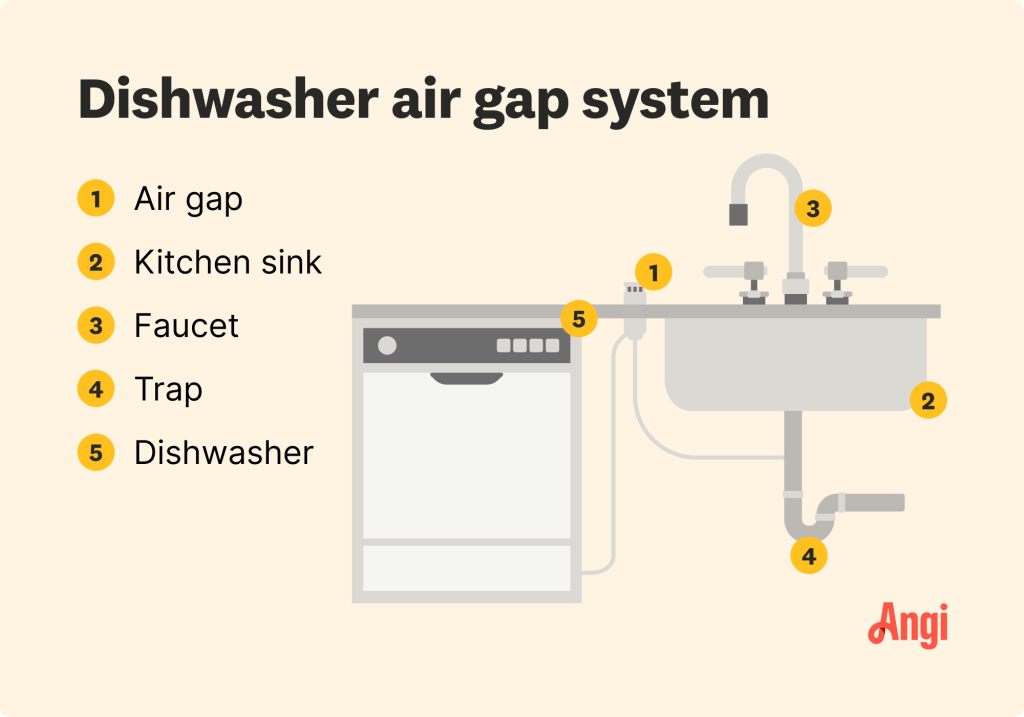
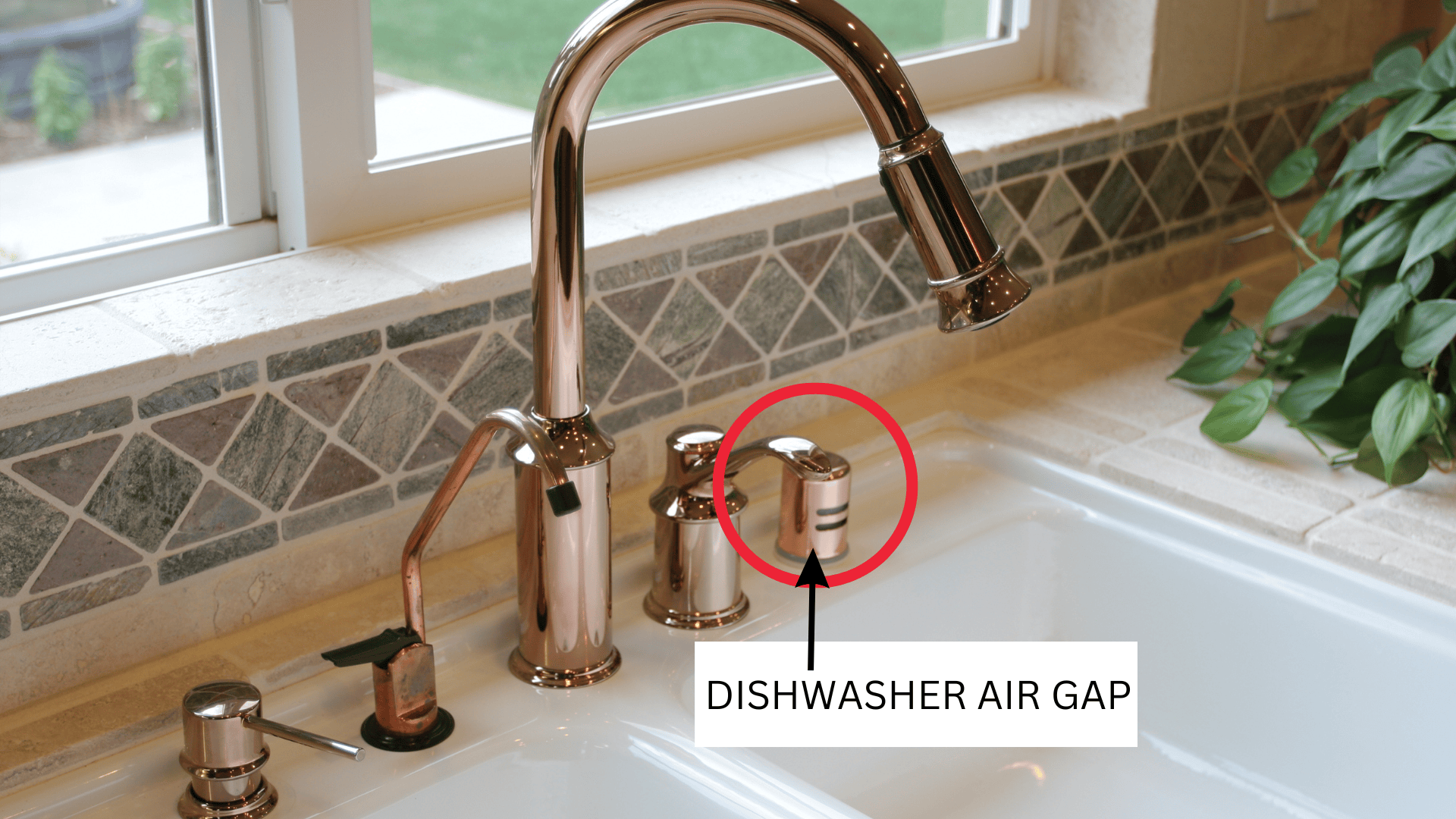
An air gap is usually a small, cylindrical device that sits on your kitchen sink or countertop. It has two hose connections: one for the dishwasher drain and one for the sink drain. The design ensures that water flows only in one direction, from the dishwasher to the drain.
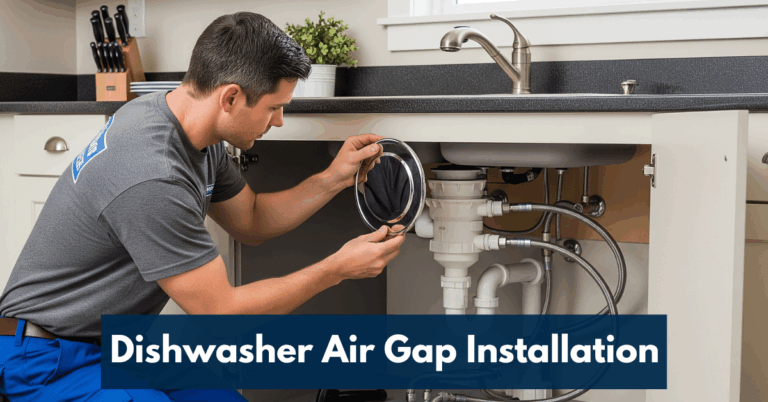
Installation often involves drilling a hole in your sink or countertop to mount the air gap. It’s important to position it above the sink’s flood level rim so that any backflow spills out visibly instead of going back into the dishwasher. Many homeowners find it helpful to hire a professional plumber, but if you’re comfortable with basic tools, you might install it yourself.
Connection To Dishwasher And Sink
The air gap connects directly to the dishwasher’s drain hose on one side. On the other side, it connects to the sink drain or garbage disposal hose. This setup ensures that water from the dishwasher is pushed through the air gap before entering the sink drain system.
Because of this connection, if there’s a clog or blockage in the sink drain, the air gap prevents dirty water from flowing back into your dishwasher. Have you ever wondered why sometimes your dishwasher smells bad or your dishes don’t seem clean? A missing or faulty air gap could be the reason behind these problems.
Local Codes And Regulations
Local codes and regulations play a key role in deciding if an air gap is necessary for your dishwasher. These rules vary by area and are designed to keep water safe and prevent contamination.
Understanding local requirements helps you install your dishwasher correctly. Ignoring these rules can cause plumbing problems or code violations. Checking your local laws before installation saves time and money.
Building Code Requirements
Building codes often require an air gap for dishwashers to stop dirty water from flowing back. These codes focus on health and safety in homes and businesses.
Many regions follow the International Plumbing Code or Uniform Plumbing Code. These codes specify when and how to install an air gap. They often require an air gap for all new dishwasher installations.
- Prevent backflow of wastewater
- Protect drinking water from contamination
- Meet safety standards for plumbing
Local inspectors check installations for compliance with these codes. Proper installation ensures your dishwasher works safely and legally.
When An Air Gap Is Mandatory
An air gap is mandatory in areas with strict plumbing regulations. This includes many cities and states to protect public water systems.
Situations requiring an air gap include:
- Dishwashers connected to garbage disposals
- Homes with well water systems
- Commercial kitchens or food service areas
In these cases, an air gap prevents dirty water from flowing back into clean water pipes. It creates a physical space that blocks contamination.
Always check your local codes before installing or replacing a dishwasher. Following these rules avoids costly repairs and health risks.
Alternatives To Air Gaps
Not everyone wants or can install an air gap for their dishwasher. Fortunately, there are other ways to prevent dirty water from flowing back into your dishwasher and contaminating clean dishes. These alternatives can be just as effective if installed correctly and maintained well.
High Loop Method
The high loop method involves routing the dishwasher drain hose in a loop that rises above the sink’s flood level. This simple change uses gravity to prevent backflow. You can often achieve this by attaching the hose to the underside of your countertop at its highest point before it reaches the drain.
This method is easy to do yourself and doesn’t require special parts. However, it does depend on proper installation height and hose positioning. Have you checked if your dishwasher drain hose already has a high loop? It might be a quick fix that you overlooked.
Check Valves And Other Devices
Check valves are small mechanical devices installed in the dishwasher drain line. They allow water to flow out but stop it from flowing back in. These valves are compact and can fit into tight spaces where an air gap might not be possible.
Other devices, like backflow preventers, work similarly by blocking reverse water flow. While effective, these devices require careful selection and installation to avoid clogging or damage. Have you considered these devices if your plumbing setup doesn’t support a high loop or air gap?
Both the high loop and check valve options offer practical solutions. But remember, regular checks and maintenance are key to keeping your dishwasher’s drainage safe and clean.
Pros And Cons Of Installing An Air Gap
Installing an air gap for your dishwasher comes with clear advantages and some drawbacks. Understanding both sides helps you decide if it fits your home’s needs and your peace of mind. Let’s break down the safety benefits and installation challenges to give you a balanced view.
Safety Benefits
An air gap acts as a barrier to prevent dirty water from flowing back into your dishwasher. This is crucial in keeping your dishes clean and your family safe from harmful bacteria.
It also protects your home’s water supply from contamination. Without an air gap, there’s a risk that wastewater could siphon back into the clean water lines during a plumbing issue.
Think about the last time you noticed a foul smell or dirty water near your sink. An air gap can stop that problem before it starts, saving you from costly repairs and health risks.
Installation Challenges
Installing an air gap isn’t always straightforward. It requires drilling into your countertop or sink area, which can be intimidating if you’re not comfortable with tools.
In some homes, especially older ones, finding the right spot or routing the hose properly can be tricky. You might need to adjust your plumbing setup or hire a professional, which adds to the cost.
Also, the air gap adds an extra visible component near your sink that some people find unattractive or bulky. Are you willing to trade a little aesthetics for added safety?
Credit: gps-plumbing.com
Signs Your Dishwasher Needs An Air Gap
Wondering if your dishwasher really needs an air gap? Certain signs can reveal whether this small but crucial device is missing from your setup. Paying attention to these clues can save you from bigger plumbing problems and keep your kitchen fresh and functional.
Frequent Drainage Issues
Is your dishwasher draining slowly or not at all? This is a common sign that an air gap might be necessary. Without an air gap, dirty water can backflow into your dishwasher, causing clogs and drainage problems.
You might notice water pooling at the bottom of the dishwasher or even leaking onto your kitchen floor. This happens because the drain hose lacks the proper protection to prevent backflow from your sink drain.
Have you ever had to run your dishwasher multiple times just to get the water out? That’s a strong hint that an air gap could fix the problem by ensuring proper drainage and preventing contamination.
Unpleasant Odors
Do you smell something off near your dishwasher or kitchen sink? Foul odors often indicate that wastewater is not being properly vented or blocked from flowing back into your appliance.
Without an air gap, dirty water can seep back into the dishwasher, leaving behind a stale, musty smell. This unpleasant odor can linger and affect your dishes and kitchen environment.
Imagine opening your dishwasher to find your clean dishes smelling like something you’d rather avoid. Installing an air gap can stop these odors by blocking contaminated water and ensuring clean, fresh rinses every time.
Step-by-step Installation Tips
Installing an air gap for your dishwasher ensures proper drainage and prevents dirty water backflow. Follow these clear steps for a smooth installation process. This guide helps you avoid common pitfalls and get the job done right.
Tools And Materials Needed
- Air gap kit compatible with your dishwasher
- Adjustable wrench
- Screwdriver (Phillips and flathead)
- Drill with appropriate drill bits
- Measuring tape
- Plumber’s putty or silicone sealant
- Hose clamps
- Dishwasher drain hose
- Sink or countertop hole saw (if needed)
Common Mistakes To Avoid
- Forgetting to measure the space before drilling holes
- Using the wrong size hoses or fittings
- Skipping hose clamps, which can cause leaks
- Not sealing the air gap base properly
- Connecting the drain hose without a proper slope
- Over-tightening fittings and damaging parts
- Ignoring manufacturer instructions for your specific model
Maintaining Your Air Gap
Maintaining your air gap is essential for keeping your dishwasher running smoothly and preventing dirty water from backing up. Regular care helps avoid clogs and foul smells. It also ensures your kitchen stays clean and hygienic.
Cleaning Procedures
Remove the air gap cover by lifting it straight up. Check inside for any visible debris or buildup. Use a small brush or toothbrush to scrub away dirt. Flush the air gap with warm water to clear out loosened particles. Repeat cleaning every few months to prevent blockages.
Troubleshooting Blockages
Look for slow draining or water pooling near the air gap. These signs suggest a blockage. Detach the hose connected to the air gap. Use a pipe cleaner or flexible brush to clear inside the hose. Run water through the hose to check for flow. Reattach the hose securely after cleaning. Test the dishwasher to confirm the problem is fixed.
Credit: callwhitney.com
Frequently Asked Questions
What Is An Air Gap For A Dishwasher?
An air gap is a device that prevents dirty water from contaminating clean water. It ensures dishwasher waste water cannot flow back into the home’s water supply, protecting against cross-contamination and maintaining sanitary conditions.
Is An Air Gap Legally Required For Dishwashers?
In many regions, local plumbing codes require an air gap for dishwasher installations. However, some areas allow alternatives like high loop drains. Always check your local regulations before installing to ensure compliance and avoid potential fines.
Can I Install A Dishwasher Without An Air Gap?
You can install a dishwasher without an air gap if local codes permit. Using a high loop drain can be an alternative. Still, an air gap is the safest option to prevent backflow and keep your water supply clean.
How Does An Air Gap Prevent Dishwasher Backflow?
An air gap creates a physical break between the dishwasher drain and the home’s drain line. This gap stops wastewater from flowing back into the dishwasher, preventing contamination and protecting your home’s water system.
Conclusion
An air gap helps keep your dishwasher safe from dirty water. It stops waste water from flowing back into the clean water supply. Many local rules require an air gap for dishwashers. Installing one is simple and protects your home’s plumbing.
You can avoid smells and clogs with an air gap. It’s a small step that adds big safety. Think about your dishwasher’s setup and decide if an air gap fits your needs. Clean dishes deserve clean water.