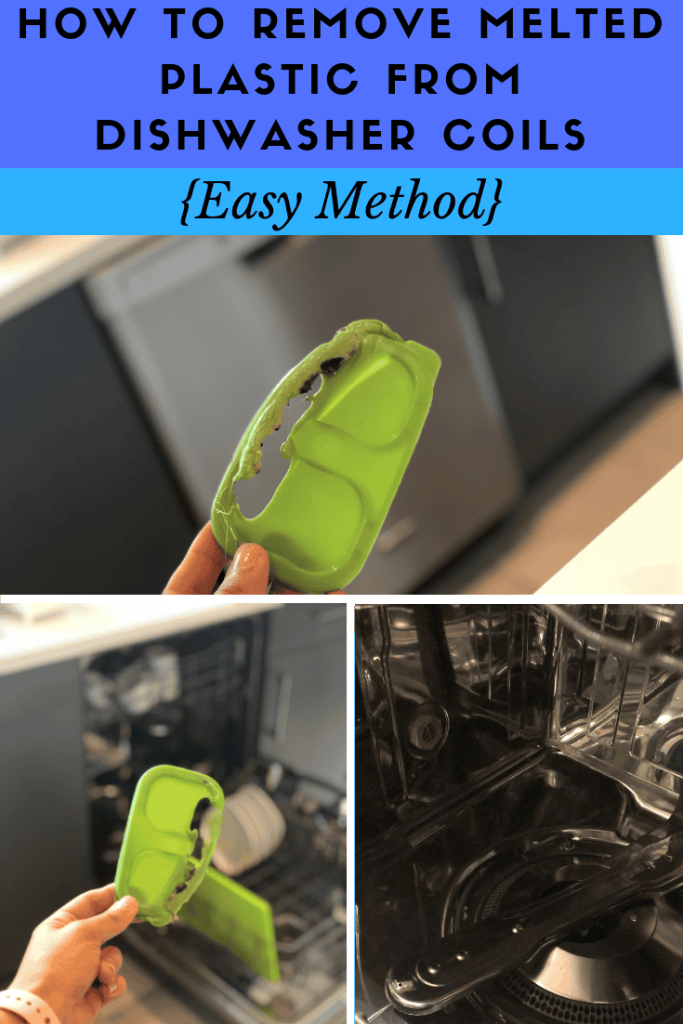
Imagine opening your dishwasher, ready to unload sparkling clean dishes, only to find a melted plastic mess instead. It’s a frustrating sight, isn’t it?
But don’t worry—you’re not alone in this sticky situation. Many have faced the same issue, and the good news is there’s an easy way to tackle it. By following simple steps, you can restore your dishwasher to its pristine condition.
Curious about how to do it without damaging your appliance or spending hours scrubbing? Keep reading to discover the foolproof method that will save your dishwasher and your sanity.
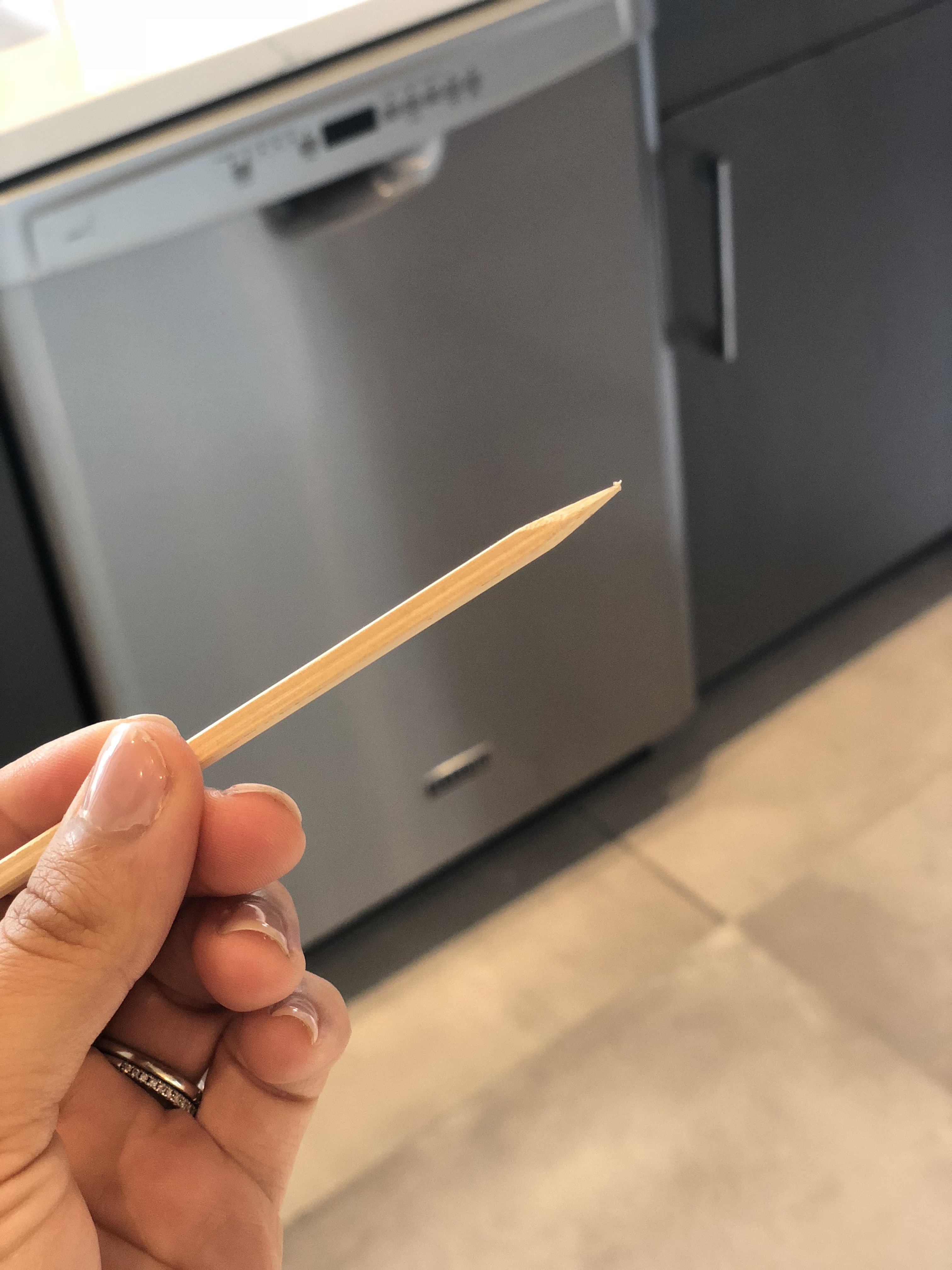
Credit: www.onesmileymonkey.com
Identify Melted Plastic Spots
Identifying melted plastic spots in your dishwasher is the first crucial step toward effective cleaning. If you miss any area, leftover plastic can cause unpleasant smells or even damage your appliance over time. Taking a thorough look helps you target the exact spots that need attention, saving you effort and time.
Locate Affected Areas
Start by carefully inspecting the bottom of the dishwasher tub. Melted plastic often sticks to the heating element or the base where utensils and dishes rest. Check for any shiny, deformed patches or small plastic fragments that didn’t wash away.
Don’t forget to open the dishwasher door wide and look closely at the corners and edges. Sometimes melted plastic hides under racks or behind spray arms, making it easy to overlook. Shine a flashlight inside if the lighting is poor; it can reveal spots you might miss.
Check Dishwasher Components
Remove the racks and examine them separately. Plastic can melt onto the metal racks or drip onto the plastic coating, creating stubborn spots. Look for any discoloration or sticky residue on these parts.
Inspect the spray arms and filter as well. Melted plastic might block the small holes in the spray arms, reducing water flow and cleaning efficiency. Cleaning these components thoroughly ensures your dishwasher continues to work well after you remove the plastic.

Credit: www.reddit.com
Gather Cleaning Tools
Before you tackle melted plastic in your dishwasher, gathering the right tools is crucial. Having everything ready makes the cleaning process smoother and safer. It also saves you from frustrating interruptions, especially when dealing with sticky, melted messes.
Essential Supplies
Start by collecting these cleaning essentials:
- A plastic scraper or a wooden spatula – metal tools might scratch your dishwasher’s surface.
- Dish soap and warm water – perfect for loosening residue.
- Baking soda – a gentle abrasive that helps remove stubborn plastic bits.
- White vinegar – great for cutting through grease and lingering odors.
- Microfiber cloths or sponges – use these for wiping down without leaving lint.
- A hairdryer or heat gun – to soften the plastic, making it easier to remove.
Do you have these supplies on hand? If not, a quick trip to the store now will save you time later.
Safety Gear
Protecting yourself during cleanup is just as important as protecting your dishwasher.
- Wear rubber gloves to avoid skin irritation from detergents or hot surfaces.
- Use safety goggles if you’re using a heat gun, to shield your eyes from any splatter.
- Consider a face mask if fumes from melting plastic or vinegar bother your nose or throat.
I once skipped gloves and ended up with irritated skin that lasted days. Trust me, a simple pair of gloves can make a big difference.
What safety gear will you use to keep the cleanup hassle-free and safe?
Remove Loose Plastic Pieces
Before tackling melted plastic stuck inside your dishwasher, the first task is to remove any loose pieces. These fragments can block the dishwasher’s drainage or damage its parts if left inside. Clearing out loose bits also makes the deeper cleaning steps more effective and safer.
Manual Removal Techniques
Start by unplugging your dishwasher or switching off the power to avoid accidents. Use your fingers to gently pick out larger chunks of melted plastic you can see and reach easily. Avoid forcing pieces out, as this might push them further or scratch the interior.
If the plastic is fragile or crumbly, try shaking the dishwasher rack over a trash bin to dislodge tiny flakes. You can also wipe the surfaces with a soft cloth to catch small leftover particles. Patience is key—rushing can damage delicate dishwasher components.
Using Tools Safely
Sometimes, manual removal isn’t enough, and tools can help you reach hidden spots. Use a plastic scraper or a wooden spatula rather than metal objects to avoid scratching the dishwasher’s surface. If you don’t have these tools, a credit card can work as a gentle wedge to pry off stubborn plastic bits.
Be careful with sharp tools like knives or screwdrivers—they might damage the dishwasher and cause injury. Wearing gloves protects your hands from sharp edges or hot plastic. Have you ever tried removing melted plastic only to find you made the mess worse? Taking a cautious approach with the right tools prevents that frustration.

Credit: www.reddit.com
Apply Heat To Soften Plastic
Applying heat to soften melted plastic in your dishwasher can make the cleanup process much easier. Heat loosens the plastic’s grip on the dishwasher surface, allowing you to remove it without causing damage. You have a couple of simple options to safely apply heat and tackle the mess effectively.
Using Hot Water
Pouring hot water over the affected area is a straightforward way to soften the plastic. Make sure the water is near boiling but not boiling, as extreme heat can warp dishwasher parts.
Let the hot water sit on the melted plastic for a few minutes. This will soften it enough to scrape off gently with a plastic spatula or a soft cloth.
Have you tried this before? You might be surprised how just a few minutes with hot water can save you from harsh scrubbing or harsh chemicals.
Hair Dryer Method
A hair dryer offers a more controlled way to apply heat, especially on smaller spots or awkward corners. Use the highest heat setting and keep the dryer moving to avoid overheating one spot.
Hold the hair dryer a few inches from the plastic and warm it until the plastic starts to soften and become pliable. Once softened, carefully peel or wipe it away.
This method is great because it lets you focus heat exactly where you need it without the risk of water damage. Have you ever used a hair dryer for a cleaning task? It’s a handy tool beyond just drying your hair!
Scrape Off Softened Plastic
Scraping off softened plastic from your dishwasher requires care and patience. The plastic melts due to heat and sticks to surfaces. Removing it quickly helps prevent permanent damage. The plastic softens but remains sticky, making gentle scraping effective. Use the right tools to avoid scratches or dents. Work slowly and lift the plastic away without force.
Safe Scraping Tools
Choose tools that are gentle yet effective. Avoid metal knives or sharp objects that can scratch. Use plastic or silicone spatulas instead. A wooden stick or credit card can also work well. Soft scrapers prevent damage to the dishwasher’s surface. Keep tools clean to avoid spreading melted plastic.
Avoiding Damage
Do not use excessive pressure while scraping. Let the softened plastic lift naturally. Avoid scraping at sharp angles that can gouge the surface. Test your tool on a small area first. If plastic is stubborn, warm it slightly to soften more. Never use harsh chemicals that may harm the dishwasher. Patience keeps your appliance safe and clean.
Clean Residue With Solvents
Cleaning melted plastic residue from your dishwasher can be tricky, but solvents can make this task much easier. These cleaning agents help dissolve stubborn plastic bits without damaging the appliance’s surfaces. Using the right solvent and applying it correctly ensures a smooth cleanup and prevents further mess.
Recommended Cleaning Agents
- Rubbing Alcohol (Isopropyl Alcohol):Effective for softening plastic residue and safe for most dishwasher parts.
- Acetone or Nail Polish Remover:Strong solvent that melts plastic quickly but should be used carefully to avoid damage to rubber seals and plastic components.
- WD-40:Helps loosen plastic stuck in hard-to-reach spots and also protects metal parts from rust.
- White Vinegar:A gentle option that can help break down residue, especially when combined with warm water.
- Commercial Plastic Removers:Specialized products designed for removing melted plastic safely; follow the instructions closely.
Proper Application
Always test the solvent on a small, hidden area before applying it widely. This protects your dishwasher from unexpected damage.
Use a soft cloth or cotton swab to apply the solvent directly to the plastic residue. Avoid pouring solvents freely inside the dishwasher to prevent damage to internal parts.
Let the solvent sit for a few minutes to soften the plastic. Then, gently scrape or wipe away the residue using a plastic scraper or soft brush.
After removal, clean the area with warm soapy water to remove any solvent traces. This step helps keep your dishwasher safe and ready for its next use.
Have you noticed how a little patience with solvent application can make the difference between a quick cleanup and a frustrating scrubbing session?
Run Dishwasher Maintenance Cycle
Running a dishwasher maintenance cycle helps clear melted plastic and other residues inside your machine. This cycle uses higher temperatures and special cleaning agents to break down stubborn debris. It refreshes your dishwasher, making it work better and last longer.
Cleaning Inside The Dishwasher
Start by removing large plastic pieces manually. Use a soft cloth or sponge to wipe visible spots. Place a dishwasher cleaner or a cup of white vinegar on the top rack. Run the hottest cycle available to dissolve plastic residue and grime. This process cleans hard-to-reach areas like spray arms and filters.
Removing Odors
Melted plastic can leave a bad smell inside the dishwasher. Use baking soda to absorb odors. Sprinkle a cup of baking soda on the bottom surface. Run a short hot water cycle without dishes. The baking soda neutralizes smells and freshens the air. For stronger odors, repeat the process as needed.
Prevent Future Plastic Melting
Preventing plastic from melting in the dishwasher saves time and money. It also keeps your dishwasher clean and safe. Small changes in how you load and choose plastic items can stop melting problems before they start.
Proper Loading Tips
- Place plastic items on the top rack only.
- Avoid placing plastic near heating elements.
- Do not overload the dishwasher; allow water to circulate freely.
- Keep plastic items away from heavy pots and pans.
- Secure lightweight plastic pieces to prevent flipping during the wash.
Plastic Item Guidelines
- Check if the plastic is dishwasher safe before washing.
- Avoid washing thin or low-quality plastic in the dishwasher.
- Hand wash delicate plastic items to prevent damage.
- Use dishwasher-safe labels as a guide for plastic items.
- Replace old or cracked plastic to avoid melting risks.
Frequently Asked Questions
How Do I Remove Melted Plastic From Dishwasher Racks?
To remove melted plastic, first cool the dishwasher. Then, carefully scrape off softened plastic using a plastic scraper. Avoid metal tools to prevent damage. Use warm soapy water to clean remaining residue. Repeat if necessary for thorough cleaning.
Can Vinegar Help Clean Melted Plastic In Dishwasher?
Vinegar can help loosen melted plastic residue. Soak a cloth in white vinegar and apply it to the affected area. Let it sit for 10-15 minutes, then scrub gently. Vinegar’s acidity helps break down plastic without harming dishwasher surfaces.
Is It Safe To Run Dishwasher After Plastic Melts Inside?
Running the dishwasher immediately after plastic melts is not recommended. Melted plastic can clog filters and spray arms. Clean out all visible plastic first. Inspect the dishwasher for damage before using it again to avoid further issues.
What Household Tools Remove Plastic Stuck In Dishwashers?
Use plastic scrapers, nylon brushes, and warm soapy water. Avoid metal tools to prevent scratching. A hairdryer can soften plastic for easier removal. These tools safely clean melted plastic without damaging dishwasher parts.
Conclusion
Cleaning melted plastic from your dishwasher takes patience and care. Start by unplugging the machine for safety. Use gentle tools like a plastic scraper or soft cloth to avoid damage. Warm water and mild soap help remove residue. Take your time to clean all affected parts thoroughly.
Regular maintenance can prevent future problems. A clean dishwasher works better and lasts longer. Follow these simple steps to keep your appliance in good shape. Your dishwasher will be ready for the next load in no time.