Have you ever wondered what to do with old or tangled fishing line? Leaving it behind or tossing it in the trash might seem harmless, but it can cause serious harm to wildlife and the environment.
If you care about keeping our waters clean and protecting animals, knowing how to dispose of fishing line properly is a must. You’ll discover simple, effective ways to get rid of your fishing line safely. Keep reading to learn how a small action on your part can make a big difference.
Why Proper Disposal Matters
Fishing line is made from strong plastic that does not break down easily. Leaving it in nature can cause serious problems.
Proper disposal helps protect the environment and keeps animals safe from harm. It also follows rules set by authorities.
Environmental Impact Of Fishing Line
Fishing line can stay in the environment for many years. It can pollute water and land areas where people fish and play.
When fishing line piles up, it harms plants and makes places look dirty. It can also block waterways and hurt fish habitats.
Wildlife Risks
Animals can get tangled in fishing line, causing injury or death. Birds, turtles, and fish are especially at risk.
Tangled line can stop animals from moving or feeding. It can cause wounds that lead to infection.
- Birds can get trapped and lose feathers
- Turtles may not swim or eat properly
- Fish can get caught and die from stress
Legal Regulations
Many places have laws about how to dispose of fishing line. These rules help protect the environment and wildlife.
People who do not follow these laws can face fines or other penalties. It is important to learn and follow local rules.
- Use designated recycling bins for fishing line
- Do not throw fishing line in regular trash
- Check local regulations for fishing line disposal

Credit: blog.scoutingmagazine.org
Safe Collection Techniques
Proper disposal of fishing line keeps the environment safe. It also protects wildlife from harm.
Using safe techniques helps reduce pollution and keeps fishing areas clean for everyone.
Handling Used Fishing Line
Always wear gloves to avoid cuts and infections when handling used fishing line. Collect the line carefully to prevent tangling.
- Wrap used line around a spool or a sturdy card
- Keep the line away from sharp objects
- Store collected line in a sealed container or bag
- Never throw loose line in the trash or water
Tools For Cleanup
Using the right tools makes cleanup easier and safer. Tools help you pick up fishing line from hard-to-reach places.
| Tool | Purpose |
| Gloves | Protect hands from cuts |
| Tongs or Grabbers | Pick up line without touching |
| Trash Bags | Store collected line safely |
| Spools or Cards | Wrap and organize line |
Preventing Line Loss
Prevent losing fishing line by following good habits. These reduce the chance of line being left behind.
- Check your line often for damage or tangles
- Secure loose ends before storing rods
- Use line recycling bins if available
- Educate others about line loss impacts
Eco-friendly Disposal Methods
Fishing line can harm wildlife and pollute water. It is important to dispose of it properly. Eco-friendly methods keep nature safe and clean.
Using recycling and creative ideas helps reduce waste. You can protect the environment by choosing the right disposal options.
Recycling Programs
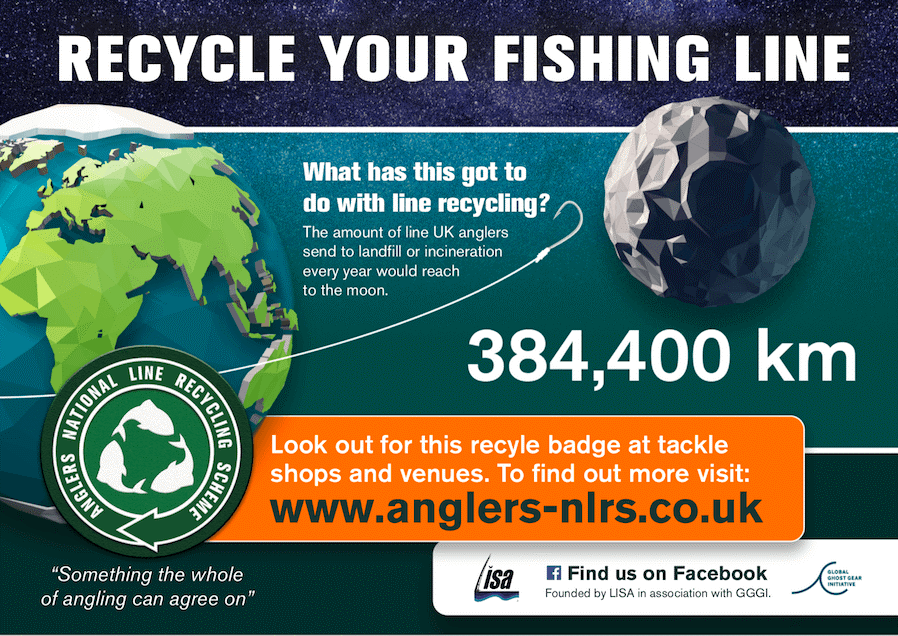
Some organizations run fishing line recycling programs. They collect old line and turn it into new products. These programs prevent line from ending up in landfills or oceans.
Check with local fishing shops or environmental groups for program availability. These programs often accept monofilament line, the most common type.
Drop-off Locations
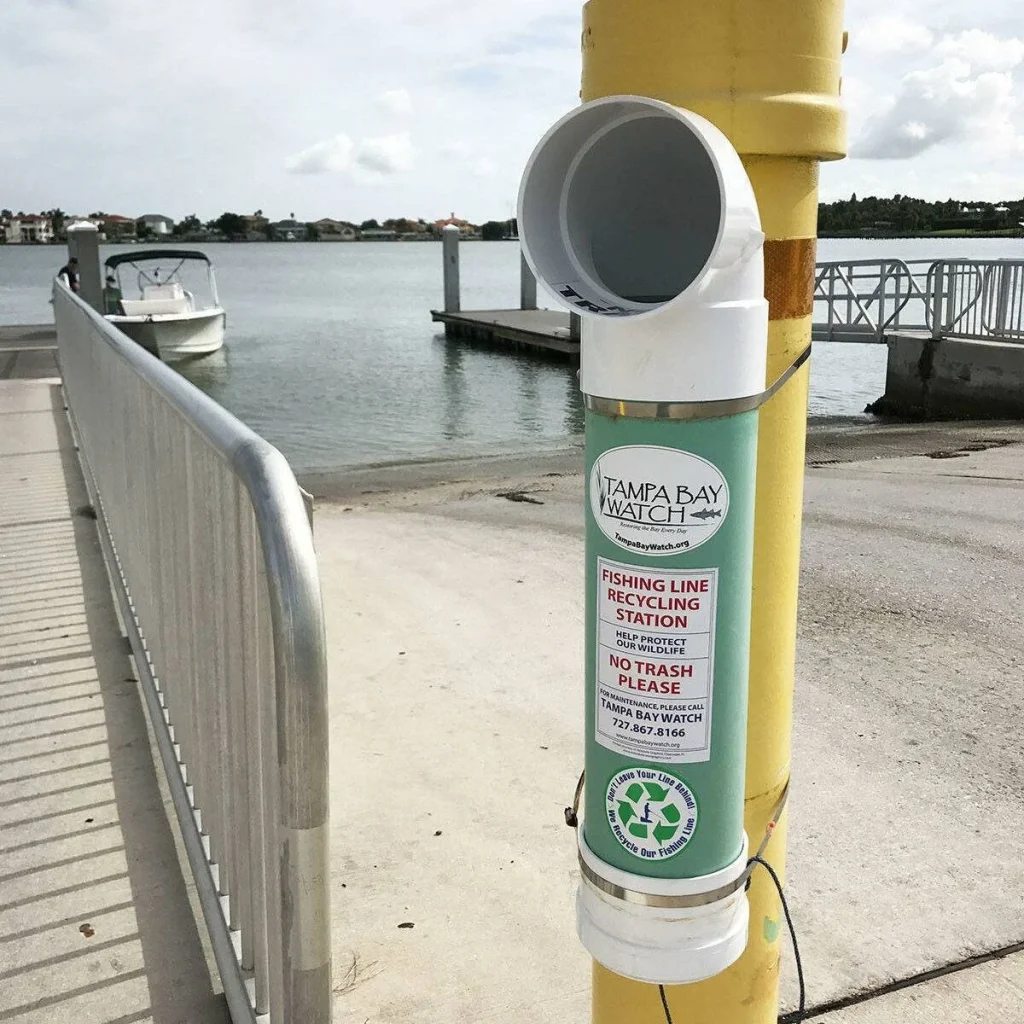
Many places offer drop-off points for used fishing line. You can find them at fishing stores, marinas, and some parks. These locations help gather line safely for recycling.
- Fishing tackle shops
- Boat ramps and marinas
- Local parks near water
- Community recycling centers
Always secure the line before dropping it off. This prevents tangles and helps workers handle it safely.
Diy Recycling Ideas
You can reuse fishing line at home for crafts and repairs. This reduces waste and gives new life to old line. Be sure to clean the line before using it again.
- Make fishing line bracelets or keychains
- Use line for garden plant ties
- Repair outdoor gear like tents or nets
- Create hangers for decorations or tools
Always handle used line carefully to avoid cuts. Keep it away from children and pets.
Credit: www.anglingdirect.co.uk
Alternatives To Traditional Fishing Line
Traditional fishing lines can harm the environment if not disposed of properly. Many anglers look for safer options. These alternatives reduce pollution and protect wildlife.
Below are two main alternatives: biodegradable lines and reusable options. Each offers ways to fish responsibly and reduce waste.
Biodegradable Lines
Biodegradable fishing lines break down naturally in water and soil. They cause less harm to fish and birds. These lines are made from materials like plant fibers or special polymers.
- Decompose within months after disposal
- Reduce risk of wildlife entanglement
- Offer similar strength to traditional lines
- Best for catch-and-release fishing
Reusable Options
Reusable fishing lines come with storage and recycling plans. They help anglers use the same line multiple times or return it for proper recycling.
| Option | Description | Benefits |
| Spool Recycling | Return used spools to manufacturers | Reduces landfill waste |
| Line Collectors | Special containers for used lines | Prevents littering in nature |
| Durable Lines | Lines designed for multiple uses | Less frequent replacement needed |
Community Cleanup Initiatives
Fishing line can harm wildlife and pollute waterways if not disposed of properly. Communities can work together to clean up fishing line and keep the environment safe.
Organizing community efforts helps spread awareness and makes cleanup more effective. People can learn how to dispose of fishing line in the right way.
Organizing Local Events
Local cleanup events bring people together to collect fishing line from parks, rivers, and lakes. These events can happen regularly to keep areas clean.
Volunteers can gather supplies like gloves and trash bags. Clear instructions help everyone stay safe and work well as a team.
- Choose a safe, popular fishing spot for cleanup
- Set a date and invite local residents
- Provide bags and tools for collecting fishing line
- Explain how to handle and dispose of fishing line safely
- Share results to encourage future participation
Partnering With Conservation Groups
Conservation groups have experience with environmental projects. Partnering with them can improve cleanup efforts and education about fishing line disposal.
These groups often provide training, materials, and support. Working together builds stronger community ties and protects local wildlife.
- Reach out to local or national conservation organizations
- Plan joint cleanup days or educational workshops
- Use their resources for safe fishing line disposal
- Promote the partnership to attract more volunteers
Tips To Minimize Line Waste
Fishing line waste harms the environment and wildlife. It is important to manage fishing lines properly. This helps reduce pollution and keeps fishing areas clean.
Here are some tips to minimize fishing line waste. Follow these ideas to protect water and animals.
Proper Line Management
Handle your fishing line carefully to avoid tangles and breaks. Always check the line for weak spots before fishing.
Use the right length of line for your fishing needs. Avoid letting out extra line that you do not need.
- Spool the line tightly on your reel
- Cut damaged parts before they break
- Recycle old or broken line properly
Using Line Containers
Store fishing line in special containers to keep it safe. This prevents line from getting lost or tossed away by accident.
Line containers are easy to carry and help organize your fishing gear. Use them to save leftover line for future use.
- Choose small, portable containers
- Label containers for different line types
- Empty containers can hold used line pieces
Regular Cleanup Habits
Clean fishing areas often to remove discarded line. This protects animals from getting tangled and stops pollution.
Bring a small bag to collect old line and trash during your trips. Dispose of the waste safely once you finish fishing.
- Check your fishing spot before and after fishing
- Pick up all line pieces and trash you see
- Use proper bins for fishing line disposal

Credit: ozfish.org.au
Frequently Asked Questions
What Is The Best Way To Dispose Of Fishing Line?
The best way to dispose of fishing line is by recycling it. Many local fishing shops and marinas offer collection bins specifically for fishing line recycling. By using these bins, you help prevent environmental harm and protect wildlife from entanglement.
Can Fishing Line Be Recycled?
Yes, fishing line can be recycled. Specialized recycling programs exist to handle fishing line materials. These programs ensure that the line is processed into new products, reducing environmental impact. Check with local fishing shops or community programs for collection points.
Why Is Proper Fishing Line Disposal Important?
Proper fishing line disposal is crucial to protect marine life and ecosystems. Discarded fishing line can entangle wildlife, leading to injuries or death. Recycling helps reduce this threat and promotes a cleaner environment for all aquatic species.
Where Can I Find Fishing Line Recycling Bins?
You can find fishing line recycling bins at local fishing shops, marinas, and some community centers. These locations often participate in recycling programs and provide designated bins for anglers to dispose of unwanted fishing line responsibly.
Conclusion
Proper disposal of fishing line helps protect wildlife and the environment. Always cut the line into small pieces before throwing it away. Use designated recycling bins when possible. Avoid leaving fishing line on the ground or near water. Small actions like these make a big difference.
Keep nature safe for everyone to enjoy. Dispose of fishing line responsibly and encourage others to do the same. Together, we can reduce pollution and protect animals. Simple steps create a cleaner, healthier environment for all.