Are you a busy parent juggling a million things at once? If so, you’ve probably wondered if you can toss those baby bottles into the dishwasher for a quick clean.
After all, anything that saves time and energy is a win, right? But is it safe for your baby? And will those bottles come out truly clean and ready for the next feeding? We’re diving into the truth about using your dishwasher for baby bottles.
We’ll explore the pros and cons, safety tips, and everything you need to know to make the best decision for you and your little one. Keep reading, because what you learn might just change your daily routine for the better!
Dishwasher Safety For Baby Bottles
Keeping your baby’s feeding gear clean is crucial, but can you safely toss baby bottles into the dishwasher? Understanding dishwasher safety for baby bottles helps you decide the best cleaning method without risking damage or contamination. Let’s look at what materials handle the dishwasher well, the risks involved, and how temperature plays a key role in the process.
Materials That Are Dishwasher Safe
Not all baby bottles are created equal when it comes to dishwasher safety. Bottles made from high-quality, BPA-free plastic or stainless steel usually withstand dishwasher cycles well.
Glass bottles are also dishwasher safe but need careful placement to avoid breakage. Avoid bottles with delicate parts or those labeled hand wash only, as intense dishwasher heat can warp or degrade them.
Risks Of Using A Dishwasher
Dishwashers might seem convenient, but they come with risks. High heat and strong detergents can wear down plastic bottles over time, causing cracks or a cloudy appearance.
There’s also the chance that small parts like nipples or valves don’t get fully cleaned or remain trapped in the dishwasher. Have you ever found leftover milk residue in your bottle after a dishwasher cycle? That’s a sign your dishwasher might not be reaching all areas effectively.
Temperature Considerations
Temperature is a big factor in dishwasher safety. Most baby bottles recommend washing at a temperature below 70°C (158°F) to prevent damage.
If your dishwasher’s sanitize cycle exceeds this, it can weaken plastic or melt seals. Consider using a gentle cycle or placing bottles on the top rack where heat exposure is lower.

Credit: www.reddit.com
Preparing Bottles For Dishwasher Cleaning
Preparing baby bottles for dishwasher cleaning helps ensure they come out clean and safe. Proper preparation removes milk residue and avoids clogs in the dishwasher. It also protects delicate bottle parts from damage.
Following a few simple steps can make a big difference in cleaning results. These steps help keep bottles hygienic for your baby’s feeding time.
Pre-rinsing And Scrubbing
Start by rinsing each bottle with warm water to remove milk leftovers. Use a soft brush or sponge to scrub the inside and outside gently. Focus on hard-to-reach spots where milk may stick. Avoid harsh cleaners that can harm the bottle material.
Disassembling Bottle Parts
Take apart all bottle components before placing them in the dishwasher. Remove nipples, rings, caps, and valves. This allows water and detergent to reach every surface. It also prevents parts from getting stuck or damaged during the wash cycle.
Using Basket Or Rack
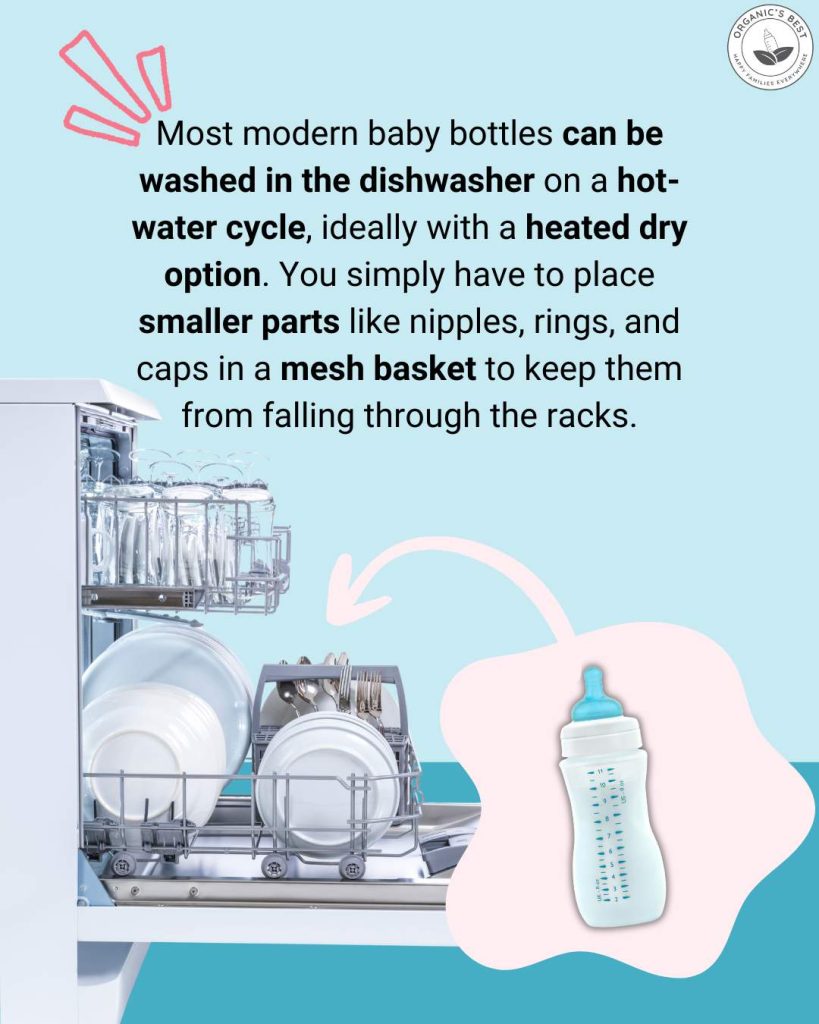
Place small parts like nipples and rings in a dishwasher basket or mesh bag. This keeps them secure and prevents loss. Position bottles upright on the rack to allow water to flow inside. Avoid overcrowding to ensure thorough cleaning and drying.
Best Dishwasher Settings For Bottles
Choosing the best dishwasher settings helps keep baby bottles clean and safe. The right settings protect bottles from damage. They also ensure thorough cleaning without leftover soap or germs. Understanding these settings makes washing easier and more effective.
Choosing The Right Cycle
Select a gentle or baby bottle cycle if your dishwasher has one. These cycles use lower temperatures and less pressure. They clean well without harming bottle materials. Avoid heavy or intense cycles that can warp plastic bottles. A normal cycle with a heated dry option works if no special cycle is available.
Avoiding Harsh Detergents
Use mild, fragrance-free dishwasher detergents. Harsh chemicals can leave harmful residues on bottles. Avoid detergents with bleach or strong fragrances. Powder detergents may not dissolve fully, so liquid detergents are better. Some brands offer detergents made for baby items. Check labels to ensure safety for baby products.
Drying Options
Choose the heated dry option for faster drying. It prevents water spots and bacteria growth. Turn off the heated dry if bottles are plastic to avoid melting. Instead, open the dishwasher door after the cycle. Let bottles air dry completely before storing. Use a clean, dry towel if you need to dry bottles quickly.

Credit: www.searshomeservices.com
Alternative Cleaning Methods
Alternative cleaning methods offer effective ways to keep baby bottles clean and safe. These approaches ensure thorough cleaning without relying solely on dishwashers. They help remove milk residue and bacteria that can harm your baby’s health.
Choosing the right cleaning method depends on your schedule, resources, and bottle type. Each technique supports hygiene and bottle longevity. Here are some practical alternatives to dishwasher cleaning.
Hand Washing Techniques
Hand washing baby bottles requires warm, soapy water. Use mild dish soap to avoid harmful chemicals. Rinse bottles thoroughly to remove all soap traces. Pay special attention to bottle nipples and caps where milk can hide. Use a clean cloth or sponge dedicated only for baby items.
Sterilizing Bottles Safely
Sterilizing kills bacteria that regular washing might miss. Boiling bottles in water for five minutes is a simple method. Use steam sterilizers designed for baby bottles for convenience. Follow manufacturer instructions carefully to avoid damaging bottles. Sterilizing is especially important for newborns and sick babies.
Using Bottle Cleaning Brushes
Bottle brushes reach inside bottles to scrub away milk residue. Choose brushes with soft bristles to avoid scratches. Use smaller nipple brushes for cleaning bottle nipples and hard-to-reach spots. Clean brushes regularly and replace them every few months. This keeps bottles hygienic and safe for your baby.
Maintaining Bottle Hygiene
Keeping baby bottles clean is crucial for your little one’s health. Proper hygiene prevents harmful bacteria from growing and causing infections. Simple habits can help you maintain the cleanliness of bottles effectively.
Regular Cleaning Schedule
Set a clear routine to wash bottles after every use. Rinsing immediately helps remove milk residue and stops bacteria from multiplying. Using warm, soapy water or a dishwasher with a baby bottle-safe cycle ensures thorough cleaning.
Do you find it easier to wash bottles right after feeding or at the end of the day? Choose a schedule that fits your daily flow to avoid buildup and stress.
Inspecting For Damage
Check bottles regularly for cracks, scratches, or discoloration. These imperfections can harbor germs and make cleaning less effective. Pay close attention to nipples, as tiny tears can cause leaks and pose choking hazards.
When was the last time you examined your baby’s bottles closely? A quick inspection can save you from unexpected health risks.
Replacing Bottles When Needed
Even with careful cleaning, bottles don’t last forever. Replace them if you notice persistent stains, odors, or wear that cannot be cleaned. Manufacturers usually recommend replacing bottles every few months to ensure safety.
Have you noticed that some bottles lose their shape or smell over time despite washing? It’s a signal to get a new set for your baby’s wellbeing.

Credit: www.searshomeservices.com
Frequently Asked Questions
Can Baby Bottles Be Safely Washed In The Dishwasher?
Yes, most baby bottles can be safely washed in the dishwasher. Place them on the top rack to avoid heat damage. Use a gentle cycle and a mild detergent to ensure thorough cleaning without harming the bottles.
What Dishwasher Settings Are Best For Baby Bottles?
Use a gentle or baby-safe cycle with a heated dry option off. This prevents damage to bottles and nipples. Avoid high heat settings to maintain bottle integrity and ensure safe cleaning.
Should Baby Bottle Parts Be Washed Separately In The Dishwasher?
Yes, separate all bottle parts like nipples, rings, and caps before washing. This ensures thorough cleaning and prevents trapped milk residue. Use a dishwasher basket for small parts to avoid loss or damage.
Is It Necessary To Sterilize Baby Bottles After Dishwasher Cleaning?
Sterilizing after dishwasher cleaning is recommended for newborns and infants under six months. It kills any remaining bacteria and ensures bottles are completely safe for feeding.
Conclusion
Washing baby bottles in the dishwasher can save time and effort. Choose the top rack to avoid heat damage. Use a gentle cycle with baby-safe detergent. Check bottles for cracks or damage before washing. Hand wash bottle parts that the dishwasher cannot reach well.
Clean bottles regularly to keep your baby safe and healthy. Follow these tips for easy and safe bottle cleaning. Simple steps make a big difference in your baby’s care.