Are you worried about your PVC pipes freezing underground when the temperature drops? It’s a common concern that can lead to costly repairs and water supply issues.
Understanding whether PVC pipes can freeze beneath the surface is key to protecting your home and avoiding unexpected problems. You’ll discover what really happens to PVC pipes in cold weather, how to spot risks early, and what steps you can take to keep your plumbing safe all winter long.
Keep reading to make sure your pipes stay intact, no matter how low the mercury falls.
Pvc Pipe And Freezing Temps
PVC pipes are popular for plumbing due to their strength and flexibility. Understanding how PVC reacts to freezing temperatures helps protect your pipes during cold weather. This knowledge is vital for underground pipes, where temperature changes can cause problems.
How Pvc Reacts To Cold
PVC becomes more brittle as temperatures drop. It can crack if water inside freezes and expands. Unlike metal pipes, PVC does not conduct cold well. This means it holds temperature longer but can suffer damage if frozen.
Cold also causes PVC to shrink slightly. Small movements may stress joints and fittings. Proper installation reduces risks from cold weather effects.
Freezing Points Underground
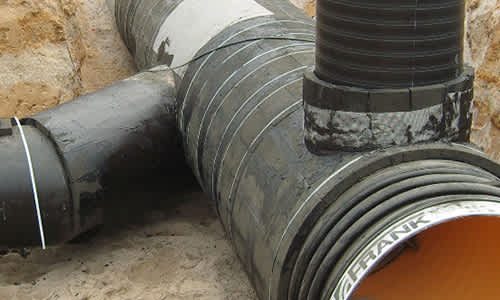
Soil acts as natural insulation for underground pipes. The deeper the pipe, the warmer it stays. Most areas have a frost line, below which the ground rarely freezes.
Typical frost lines range from 12 to 48 inches deep. Pipes buried below this line usually avoid freezing. Shallow pipes face higher freeze risk during severe cold spells.
- Depth of burial matters
- Soil type affects freezing speed
- Snow cover can provide extra insulation
Understanding local frost depth helps in planning pipe installation. Proper depth keeps PVC pipes safe from freezing damage underground.
Credit: www.owenscorning.com
Factors Affecting Underground Freezing
Understanding the factors that affect underground freezing is key to protecting PVC pipes. These factors influence how likely pipes are to freeze beneath the soil. Several elements play a role in this process.
Soil Temperature Variations
Soil temperature changes with the seasons and depth. The top layers cool quickly during winter. Deeper soil stays warmer for longer periods. Soil type also affects heat retention. Sandy soil cools faster than clay. Moist soil holds heat better than dry soil. These differences impact the risk of pipes freezing underground.
Depth Of Pipe Installation
How deep pipes are placed matters greatly. Pipes buried below the frost line are safer. The frost line is the maximum depth frost reaches. If pipes are shallow, freezing risk rises. Deeper installation uses the earth’s natural warmth. This helps keep water flowing inside pipes during cold months.
Insulation And Surrounding Materials
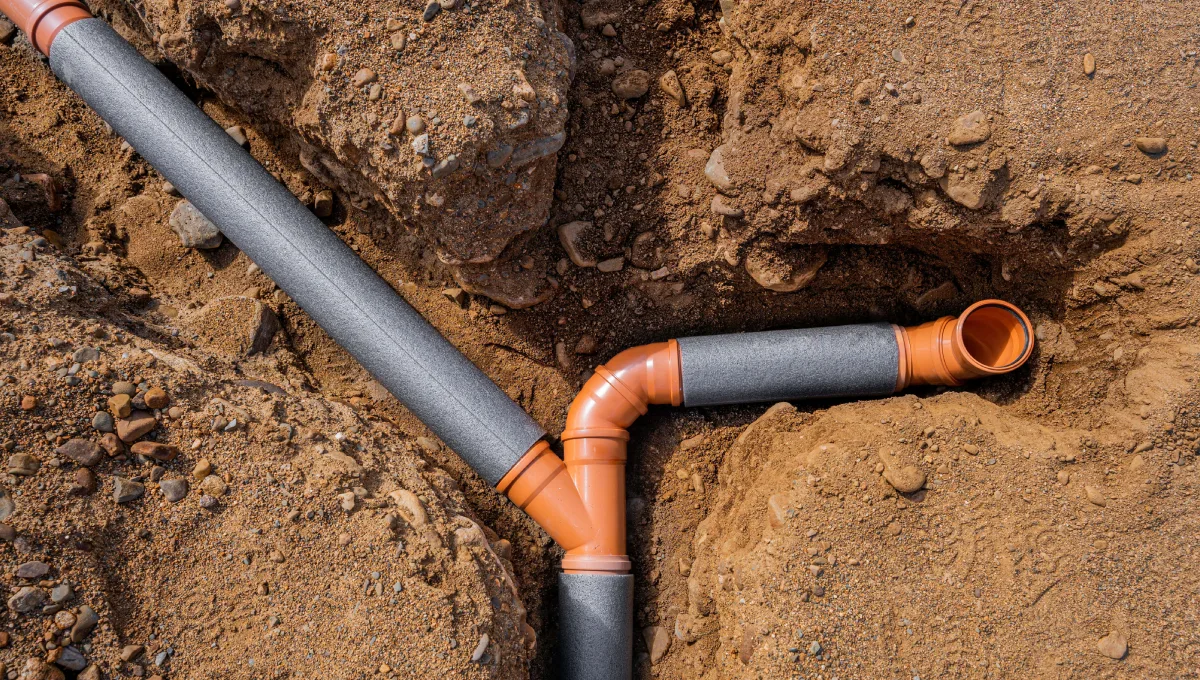
Insulation around pipes adds a protective layer. It slows down heat loss to the cold soil. Materials like foam sleeves or special wraps work well. Surrounding materials also play a role. Gravel or sand can improve drainage and reduce frost. Wet soil holds cold longer and increases freezing risk. Proper insulation and materials help maintain pipe temperature underground.
Risks Of Frozen Pvc Pipes
Frozen PVC pipes can cause serious problems. They pose various risks that homeowners must understand. This knowledge helps in preventing costly damage and disruptions.
Pipe Cracking And Bursting
When water inside PVC pipes freezes, it expands. This expansion can lead to pipes cracking. Once a crack forms, pressure builds until the pipe bursts. Cracked pipes can cause major water leaks. Repairing these damages can be expensive and time-consuming.
Water Flow Disruption
Frozen pipes stop water from flowing. This can affect daily activities like bathing and cooking. Lack of water can lead to inconvenience for homeowners. It may also impact heating systems, causing further discomfort during cold weather.
Prevention Methods
Preventing PVC pipes from freezing underground is essential to avoid costly repairs and water supply issues. Several effective methods help keep pipes safe during cold weather. These techniques focus on maintaining stable temperatures and protecting pipes from frost.
Proper Burial Depth
Burying PVC pipes below the frost line reduces freeze risks. The frost line varies by region but is generally deep enough to avoid freezing. Check local codes for the recommended depth in your area. Deeper burial keeps soil temperature stable and protects pipes from cold air.
Use Of Insulation Wraps
Insulation wraps provide an extra layer of protection around pipes. These wraps slow down heat loss and shield pipes from cold air. Choose foam or fiberglass insulation designed for outdoor use. Wrap pipes tightly and cover all exposed sections, especially near joints.
Heating Cables And Other Solutions
Heating cables are electric devices that keep pipes warm during freezing weather. They are easy to install and use a low amount of electricity. Attach heating cables directly to the pipe and secure with tape. Other options include heat tape and pipe heating mats, which work similarly.
Repairing Frozen Pvc Pipes
Repairing frozen PVC pipes requires careful attention to prevent further damage. Frozen pipes can crack or burst, causing leaks and costly repairs. Acting quickly minimizes damage and restores water flow.
Identifying Freeze Damage
Look for cracks or splits in the pipe surface. Check for wet spots or puddles around the pipe area. Listen for unusual sounds, like hissing or dripping. Notice if water flow is weak or stops completely.
Frozen pipes may feel hard and cold to the touch. Inspect joints and connections closely for damage signs. Use a flashlight to see cracks hidden in dark areas. Early detection helps avoid major plumbing issues.
Effective Repair Techniques
Turn off the water supply before starting any repair work. Gently thaw the frozen pipe using warm towels or a hairdryer. Avoid open flames or high heat sources to prevent damage.
For small cracks, use waterproof tape or pipe repair clamps temporarily. Larger cracks or breaks need pipe section replacement. Cut out the damaged pipe section cleanly with a pipe cutter.
Use PVC primer and cement to join new pipe pieces securely. Allow the cement to dry fully before turning water back on. Test the repair for leaks by slowly restoring water pressure.
- Wear gloves and safety glasses during repairs.
- Keep repair tools clean and dry.
- Follow local plumbing codes and guidelines.

Credit: sddhguanye.en.made-in-china.com
Climate And Regional Considerations
Understanding how PVC pipes behave underground depends heavily on your local climate and region. Different weather patterns and soil conditions can significantly affect whether your pipes freeze or stay intact during cold spells. Knowing these factors helps you protect your plumbing and avoid costly repairs.
Cold Climate Challenges
In regions where temperatures drop below freezing for extended periods, PVC pipes face a higher risk of freezing underground. Even buried pipes can freeze if the ground isn’t deep or insulated enough to prevent cold from reaching them.
Have you ever noticed how frost can penetrate the soil deeper during harsh winters? This makes shallow PVC pipes vulnerable, especially if the soil is sandy or dry, which holds less heat.
Another challenge is water expansion inside the pipe when it freezes. Since frozen water expands, it can crack or burst PVC pipes, leading to leaks and damage.
Best Practices By Region
To keep your pipes safe, the depth at which you bury them matters a lot. In colder northern states, pipes should be buried below the frost line, which can range from 2 to 6 feet deep.
In milder climates, a depth of 12 to 24 inches may suffice, but it’s still smart to insulate pipes or use heat tape if you expect occasional freezes.
- Northern regions:Bury pipes at least 48 inches deep and use foam insulation sleeves.
- Mid-latitude areas:Depths between 18-36 inches with optional insulation depending on soil type.
- Southern regions:Shallow burial is usually fine, but protect exposed sections from sudden cold snaps.
Think about your local soil and weather patterns. Are sudden cold snaps common? If yes, adding extra protection is wise. What steps can you take right now to check your pipe depth and insulation? Taking action before the freeze arrives can save you time and money.
Credit: anacondapipeandhose.com
Frequently Asked Questions
Will Pvc Pipe Freeze Underground In Cold Weather?
PVC pipe can freeze underground if the soil temperature drops below freezing. However, pipes buried below the frost line are less likely to freeze. Proper burial depth and insulation prevent freezing and pipe damage.
How Deep Should Pvc Pipes Be Buried To Avoid Freezing?
PVC pipes should be buried below the local frost line depth. This depth varies by region but generally ranges from 12 to 48 inches. Burying pipes deeper than the frost line reduces the risk of freezing during winter.
Can Frozen Pvc Pipes Burst Underground?
Yes, frozen PVC pipes can burst due to ice expansion inside. However, underground pipes are less prone to bursting if properly buried and insulated. Prevent freezing to avoid costly repairs and water damage.
Does Soil Type Affect Pvc Pipe Freezing Risk?
Yes, soil type affects heat retention around PVC pipes. Clay soils retain heat better, reducing freezing risk. Sandy or rocky soils drain heat faster, increasing pipe freezing chances. Proper burial depth and insulation are essential regardless of soil type.
Conclusion
PVC pipes buried underground rarely freeze if placed deep enough. Soil acts as natural insulation against cold temperatures. Still, shallow pipes risk freezing during harsh winters. Using proper depth and insulation helps prevent damage. Always check local frost lines before installation.
Taking simple steps protects your plumbing and saves money. Stay informed and prepare for cold weather early. Avoid costly repairs by planning pipe placement wisely. Frozen pipes cause leaks and water loss. Keep your underground PVC pipes safe and secure all year.