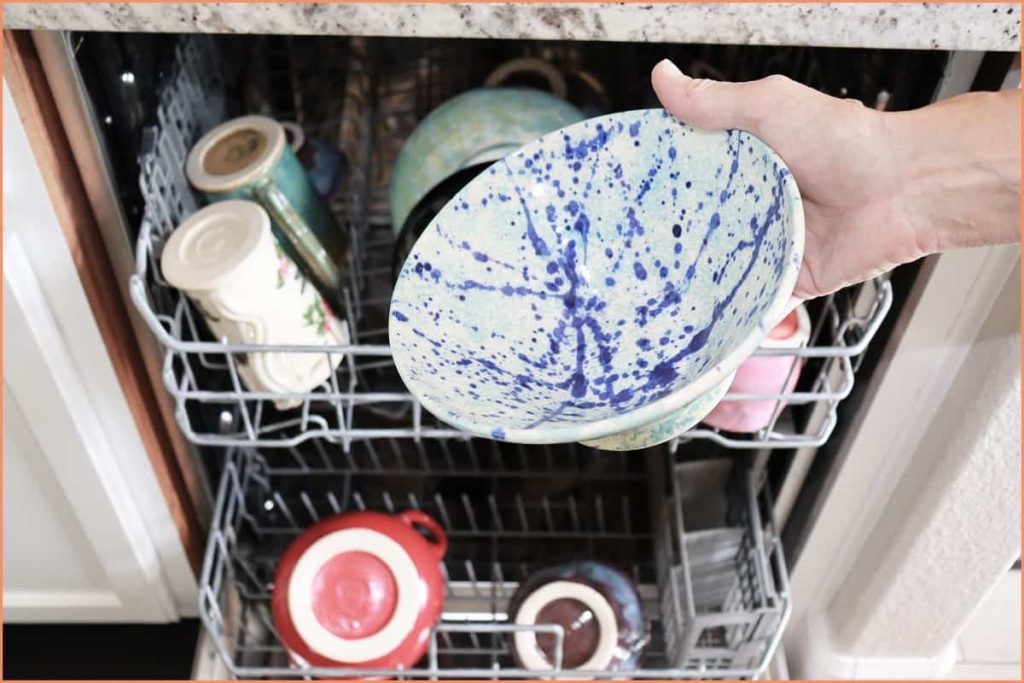
Are you wondering if your beautiful pottery pieces are safe for the dishwasher? It’s a common question that many pottery enthusiasts like you have.
You treasure these unique creations, and naturally, you want to ensure they remain in perfect condition for years to come. But the convenience of a dishwasher can be hard to resist. So, what’s the real deal? Is pottery dishwasher safe, or should you stick to handwashing?
We’ll delve into the factors that determine whether your pottery can handle the dishwasher’s intense environment. By the end, you’ll have the clarity you need to make the best decision for your beloved pottery pieces. Stick around, because your pottery deserves the best care!
Pottery And Dishwasher Safety
Pottery can be beautiful and practical for everyday use. Many people wonder if pottery is safe to clean in a dishwasher. The answer depends on the type of pottery and its finish. Knowing what kind of pottery you have helps protect your pieces from damage.
Types Of Pottery Materials
Pottery comes in different materials. Each reacts differently to dishwasher heat and water pressure.
- Earthenware:Porous and soft. It may absorb water and crack in the dishwasher.
- Stoneware:Denser and stronger. Often dishwasher safe but check glaze quality.
- Porcelain:Very hard and smooth. Usually safe in dishwashers.
Some handmade pottery may not handle dishwasher cleaning well. It can weaken or lose color over time.
Glazed Vs. Unglazed Pottery
Glaze is a glass-like coating on pottery. It seals the surface and adds shine.
- Glazed Pottery:More resistant to water and stains. Usually dishwasher safe if the glaze is strong.
- Unglazed Pottery:Porous and rough. Absorbs water and soap. Not recommended for dishwashers.
Always check if the glaze is food safe and dishwasher friendly. Some glazes can crack or fade from dishwasher heat.
Risks Of Using Dishwashers
Using a dishwasher for pottery may seem convenient. Yet, several risks can harm your ceramic pieces. Understanding these dangers helps protect your pottery’s beauty and durability. Dishwashers expose pottery to heat, chemicals, and physical impacts. Each factor can cause damage over time.
Heat Damage
Dishwashers use hot water to clean dishes thoroughly. High temperatures can crack or weaken pottery. Sudden changes in temperature create stress on ceramic materials. Over time, heat can fade colors and damage glazes. Delicate or handmade pottery is especially at risk.
Chemical Exposure
Dishwasher detergents contain strong chemicals. These chemicals can erode pottery’s glaze and finish. Repeated exposure dulls the shine and may cause discoloration. Some detergents are too harsh for fragile ceramic surfaces. This exposure shortens the lifespan of your pottery.
Physical Impact
Dishwashers create movement during cycles. Pots and plates may bump against each other. This can cause chips, cracks, or breaks in pottery. Smaller pieces risk falling through racks or getting caught. Physical impacts weaken the pottery’s structure over time.
Pottery That Can Go In The Dishwasher
Not all pottery is created equal when it comes to dishwasher safety. Some types can handle the high heat and strong detergents, while others may crack or lose their finish. Understanding which pottery pieces can safely go in your dishwasher can save you time and prevent damage to your favorite dishes.
Stoneware And Porcelain
Stoneware and porcelain are among the most durable types of pottery you can own. Their dense, non-porous nature helps them withstand dishwasher cycles without absorbing water or detergent. I’ve found that my porcelain mugs and stoneware plates come out just as clean as when I hand wash them, with no visible wear over months of dishwasher use.
However, not all stoneware and porcelain are the same. Some have delicate glazes or hand-painted designs that may fade or chip. If your pottery has a smooth, glazed finish and is labeled dishwasher safe, it usually fares well in the dishwasher.
Manufacturer Guidelines
Always check the manufacturer’s instructions before placing pottery in the dishwasher. These guidelines are based on tests that consider the material, glaze, and decoration methods. Ignoring these directions can lead to unexpected damage, such as crazing or discoloration.
Have you ever wondered why some dishes look dull after a few washes? Sometimes it’s simply because the pottery was never meant to face the dishwasher’s harsh environment. If the label is missing, try washing one piece by hand first to see how it holds up before risking the whole set.
Credit: www.kimecopak.ca
When To Avoid The Dishwasher
Not all pottery should go in the dishwasher. Some pieces need special care to keep their beauty and strength. Knowing when to avoid the dishwasher helps protect your pottery from damage. This section explains which pottery types need gentle washing by hand.
Hand-painted Or Delicate Pieces
Hand-painted pottery has fine details that can fade or chip in the dishwasher. The strong water pressure and heat may ruin the paint. Delicate glazes may crack or peel after several dishwasher cycles. These pieces last longer with gentle hand washing using mild soap and a soft cloth.
Antique And Handmade Pottery
Antique pottery is often fragile and may have tiny cracks or wear. The dishwasher’s heat and detergents can worsen these issues. Handmade pottery may have uneven surfaces or tiny imperfections that break easily. Washing these items by hand protects their unique character and prevents damage.
Safe Cleaning Tips For Pottery
Pottery needs careful cleaning to keep its beauty and strength. Harsh washing can cause cracks or fading. Follow these safe cleaning tips to protect your pottery pieces. Gentle care helps pottery last longer and look great.
Hand Washing Techniques
Use warm water and mild soap to clean pottery by hand. Avoid strong detergents that can damage the glaze. Use a soft sponge or cloth for washing. Do not scrub too hard to prevent scratches. Rinse pottery well with clean water to remove soap. Avoid soaking pottery for a long time to protect it.
Proper Drying Methods
Dry pottery with a soft towel immediately after washing. Air drying is also a good option but place pottery in a safe spot. Avoid direct sunlight or heat sources, which can cause cracks. Make sure pottery is completely dry before storing. Proper drying prevents moisture damage and keeps pottery safe.

Credit: potterycrafters.com
Maintaining Pottery Longevity
Maintaining the longevity of your pottery involves more than just gentle handling—it requires smart storage and regular care. Pottery can last for generations if you treat it with the right attention. Have you ever noticed how some pieces remain vibrant and intact for years, while others chip or fade quickly? The difference often lies in how you maintain them.
Storage Tips
Proper storage is crucial to protect your pottery from damage and wear. Avoid stacking heavy pieces directly on top of each other, as this increases the risk of cracks or chips. Instead, place soft liners, like felt or cloth, between items to cushion them.
Keep your pottery in a dry, stable environment. Excessive humidity or rapid temperature changes can cause pottery to weaken or develop cracks over time. Think about how you store delicate glassware—pottery deserves similar care.
If you have open shelves, consider positioning pottery away from edges to prevent accidental knocks. Have you tried dedicating a specific shelf or cabinet just for your most cherished pieces? This limits their exposure to daily hazards.
Regular Care Practices
Cleaning your pottery properly extends its life significantly. Avoid harsh detergents or abrasive scrubbing pads that can wear down glazes and surfaces. Instead, use mild soap with a soft sponge or cloth and warm water.
Dry each piece thoroughly after washing to prevent moisture buildup, which can weaken the material over time. I once left a favorite ceramic mug damp and noticed tiny cracks forming—drying every piece carefully can prevent this.
Inspect your pottery regularly for signs of damage. Early detection of small chips or cracks allows you to handle pieces with extra caution and possibly repair minor flaws before they worsen. How often do you check your pottery collection?

Credit: thelittlepotcompany.co.uk
Frequently Asked Questions
Is All Pottery Safe For Dishwasher Use?
Not all pottery is dishwasher safe. Handmade or unglazed pottery may crack or fade. Always check the manufacturer’s care instructions before placing pottery in a dishwasher.
Can Dishwasher Damage Handmade Pottery?
Yes, dishwashers can damage handmade pottery. High heat and strong detergents may cause cracks or discoloration. It’s safer to hand wash delicate pieces.
How To Clean Dishwasher-safe Pottery Properly?
For dishwasher-safe pottery, use a gentle cycle and mild detergent. Avoid high heat settings. This helps preserve the glaze and prevents damage over time.
Does Glazing Pottery Make It Dishwasher Safe?
Glazing pottery can make it more water-resistant but not always dishwasher safe. Some glazes are sensitive to heat and detergents, so confirm before using a dishwasher.
Conclusion
Pottery can be safe in dishwashers, but it depends on the type. Some pottery holds up well, while others may crack or fade. Check the maker’s instructions before washing. Hand washing often protects your pottery longer. Using gentle soap and warm water helps keep it strong.
Taking care of pottery means it stays beautiful for years. Choose wisely and treat your dishes with care. This way, your pottery stays both useful and lovely.