
Planning a great party means thinking about every detail—especially where your guests will gather. If you’re wondering, “How much does it cost to rent a party tent?” you’re in the right place.
Knowing the price upfront helps you plan your budget without surprises. Whether it’s a birthday, wedding, or backyard BBQ, the right tent sets the mood and keeps everyone comfortable. Keep reading, and you’ll discover exactly what affects rental costs and how to get the best deal for your event.
Your perfect party starts with the right tent—and smart planning!
Factors Affecting Tent Rental Costs
Renting a party tent involves various factors that impact the total cost. Knowing these factors helps you plan your budget well.
From the size of the tent to the extras you choose, each detail changes the price. Let’s explore the main cost drivers.
Tent Size And Capacity
The size of the tent is one of the biggest cost factors. Larger tents need more materials and setup time.
Capacity also matters because you want enough space for guests and activities.
| Tent Size | Guest Capacity | Typical Cost Range |
|---|---|---|
| 10×10 ft | 10-15 people | $50 – $100 |
| 20×20 ft | 30-40 people | $150 – $300 |
| 30×30 ft | 60-75 people | $400 – $700 |
Material And Style Options
Tent materials affect durability and price. Vinyl tents usually cost more than polyester ones.
- Vinyl: Strong and weather-resistant, higher cost
- Polyester: Lightweight and affordable
- Canvas: Classic look, moderate price
Styles like frame tents and pole tents also change the cost due to setup needs.
Rental Duration
The length of your rental affects the price. Renting a tent for one day costs less than for several days.
- Short-term rentals (1 day) usually have a flat rate
- Multi-day rentals may come with daily fees or discounts
- Late returns can add extra charges
Additional Accessories
You can add items like sidewalls, lighting, or flooring. These accessories increase the total cost.
| Accessory | Purpose | Average Extra Cost |
|---|---|---|
| Sidewalls | Protection from wind and rain | $50 – $150 |
| Lighting | Improves visibility at night | $30 – $100 |
| Flooring | Comfort and cleanliness | $100 – $300 |
| Heating or Cooling | Temperature control | $150 – $500 |
Average Price Ranges
Renting a party tent depends on size and style. Prices vary based on how many people the tent holds.
This guide shows common price ranges for different tent sizes and types.
Small Tents
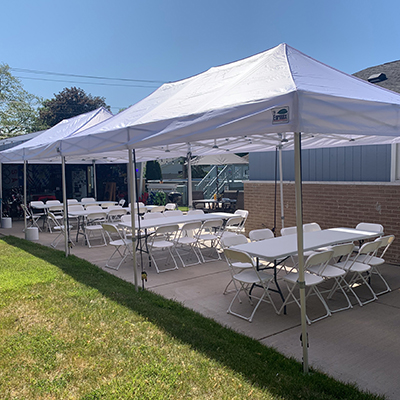
Small tents fit about 10 to 20 people. They are good for small gatherings or backyard parties.
Prices usually range from $75 to $200 per day depending on tent quality and rental location.
- 10×10 feet tents: $75 – $150
- 10×15 feet tents: $100 – $175
- Good for 10-20 guests
Medium Tents
Medium tents hold 20 to 50 people. They suit medium events like birthday parties or small weddings.
Rental prices range from $200 to $500 per day based on size and accessories like sidewalls or flooring.
- 20×20 feet tents: $200 – $350
- 20×30 feet tents: $300 – $500
- Fits 20-50 guests comfortably
Large Tents
Large tents hold 50 to 100 or more people. They work for big parties, weddings, or corporate events.
Prices usually range from $500 to $1500 per day depending on tent size and extras.
- 30×40 feet tents: $600 – $1000
- 40×60 feet tents: $900 – $1500
- Can hold 50-100 guests or more
Luxury And Specialty Tents
Luxury tents include clear tops, unique shapes, or designer styles. They add style to events.
Rental prices start around $1000 and can go over $5000 per day. Extras like lighting and heating cost more.
- Frame tents with clear tops: $1000 – $3000
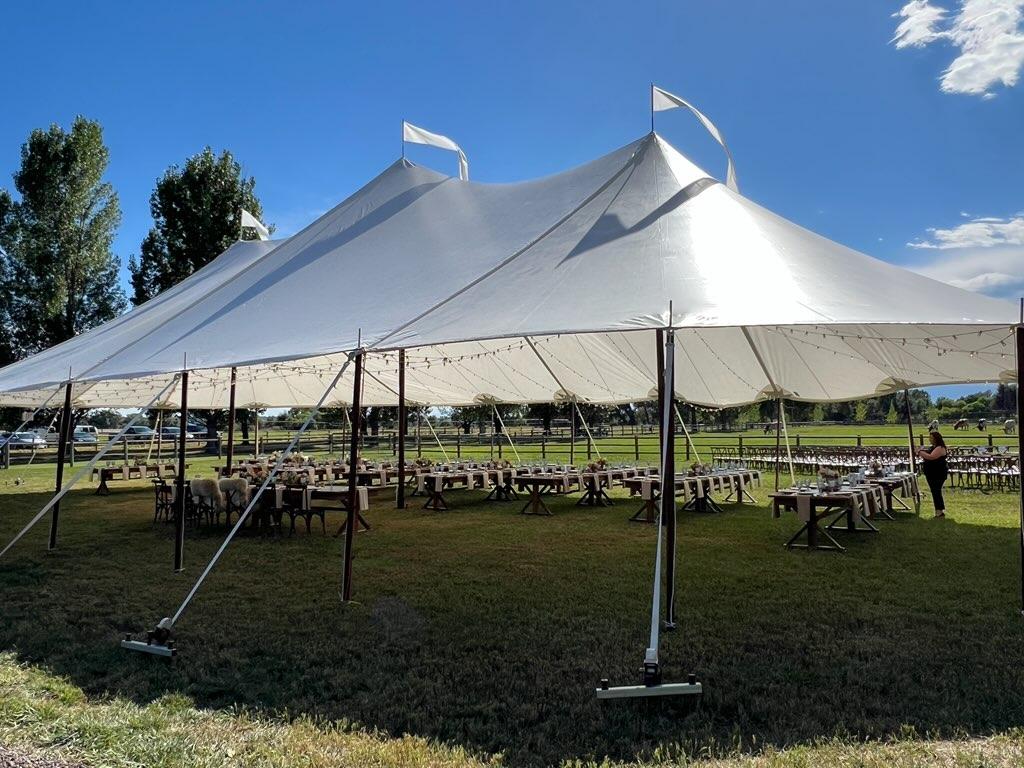
- Marquee and sailcloth tents: $2000 – $5000+
- Extras often add to the price
Extra Charges To Expect
Renting a party tent comes with extra costs beyond the base price. These fees vary by rental company and event needs. Understanding common extra charges helps you budget better.
Some fees cover setup and delivery, while others pay for added features or legal requirements. Here are key extra charges to watch for.
Setup And Delivery Fees
Delivery and setup fees cover transporting and assembling the tent. Prices depend on distance and tent size. Some companies charge a flat rate, others charge per mile.
- Delivery distance fees
- Setup and takedown labor costs
- Additional charges for complex installations
Lighting And Heating
Adding lights or heaters inside the tent costs extra. These items make the space comfortable but require power and installation.
| Service | Typical Extra Cost |
| String Lights | $50 – $150 |
| LED Uplighting | $100 – $300 |
| Electric Heaters | $100 – $400 |
Flooring And Sidewalls
Flooring adds comfort and stability inside the tent. Sidewalls protect against weather. Both are optional and add to the rental price.
- Wood or carpet flooring
- Clear or solid sidewalls
- Zip or roll-up sidewalls
Permits And Insurance
Some locations require permits to set up a tent. Insurance may also be needed for safety and liability. These fees depend on local rules.
| Type | Possible Cost |
| Permit Fee | $50 – $200 |
| Insurance | $100 – $300 |

Credit: www.skyhighpartyrentals.com
Tips To Save On Tent Rentals
Renting a party tent can add comfort and style to your event. Knowing how to save money on tent rentals helps you stay on budget.
These tips will guide you to find better prices and get the most value from your rental.
Booking Early
Booking your tent rental well in advance often means lower prices. Vendors appreciate early planning and may offer discounts.
Early booking also ensures you get the size and style you want without last-minute fees.
Comparing Multiple Vendors
Look at several rental companies before deciding. Prices and services can vary a lot between vendors.
Check what each vendor includes in their price to avoid surprises later.
- Ask about delivery and setup fees
- Confirm tent sizes and materials
- Check cancellation and refund policies
Choosing Off-peak Dates
Rent tents during weekdays or outside popular seasons. Prices often drop when demand is low.
This can save you money and give vendors more flexibility to meet your needs.
Bundling Equipment Rentals
Renting tables, chairs, and lighting together with your tent can reduce overall costs. Vendors may offer package deals.
Bundling also simplifies planning and delivery since one company handles multiple items.
- Ask for bundle discounts
- Check if setup fees are waived
- Confirm all items fit your event needs
When To Consider Buying Instead
Renting a party tent can be a simple solution for one-time events. But if you plan to host many gatherings, buying may make more sense. This guide helps you decide when it is better to buy your own tent.
Owning a tent can save money and offer more flexibility. It also means you handle storage and care. Let’s explore key points to think about before making a choice.
Frequency Of Use
Think about how often you will need a party tent. If you host events several times a year, buying might be cheaper. Renting works best for rare or one-time use.
- Occasional events: rent a tent
- Regular parties or events: consider buying
- Year-round use: buying is usually better
Long-term Cost Benefits
Buying a tent can cost more at first but saves money over time. Renting adds up if you need tents often. Compare the costs to see which option fits your budget.
| Option | Initial Cost | Cost per Event | Total Cost (5 Events) |
| Renting | $0 | $300 | $1,500 |
| Buying | $1,200 | $0 | $1,200 |
Storage And Maintenance
Owning a tent means you must store and maintain it. Renting removes these tasks. Consider if you have space and time for proper care before buying.
Storage and Maintenance Checklist
- Find a dry, cool storage area
- Clean the tent after each use
- Check for tears or damage regularly
- Repair small damages promptly
Credit: primaryeventrentals.com
Credit: www.highlighteventrentals.com
Frequently Asked Questions
How Much Does It Cost To Rent A Party Tent?
Party tent rental costs vary from $100 to $1,000+ depending on size, style, and duration. Basic tents start around $100 for small sizes. Larger or specialty tents can exceed $1,000. Additional features like sides, flooring, and lighting increase the price.
What Factors Affect Party Tent Rental Prices?
Tent size, rental duration, location, and accessories impact cost. Larger tents cost more. Longer rentals increase fees. Delivery and setup also add to the price. Extras such as lighting, flooring, and heating raise total costs.
Is Tent Rental Cheaper For Weekdays Or Weekends?
Weekday rentals are generally cheaper than weekends. Demand is lower on weekdays, so many companies offer discounts. Weekend rentals, especially Saturdays, tend to be pricier due to higher demand for events.
Are There Extra Fees Besides The Tent Rental Price?
Yes, extra fees may include delivery, setup, permits, and insurance. Some companies charge for accessories like lighting or flooring. Always clarify what’s included to avoid surprise costs.
Conclusion
Renting a party tent can simplify your event planning. Costs vary based on size, style, and location. Always compare prices from different vendors. This ensures you find the best deal. Consider additional factors like setup and extras. They can impact your budget.
Ask questions to avoid unexpected costs. Check if the rental includes delivery and installation. Proper planning helps you host a memorable event. A good tent ensures comfort and protection. So, choose wisely and enjoy your celebration.