Are you wondering whether you need a garbage disposal with your dishwasher? You’re not alone.
Many homeowners face this question when updating their kitchens or moving into a new home. It can be confusing trying to decide if this small yet powerful appliance is necessary for your daily kitchen routine. Understanding how a garbage disposal works with your dishwasher can make all the difference in your kitchen’s efficiency and cleanliness.
Stick around, because by the end of this article, you’ll have a clear answer and practical advice to help you make the best decision for your home.

Credit: www.reddit.com
How Garbage Disposals Work
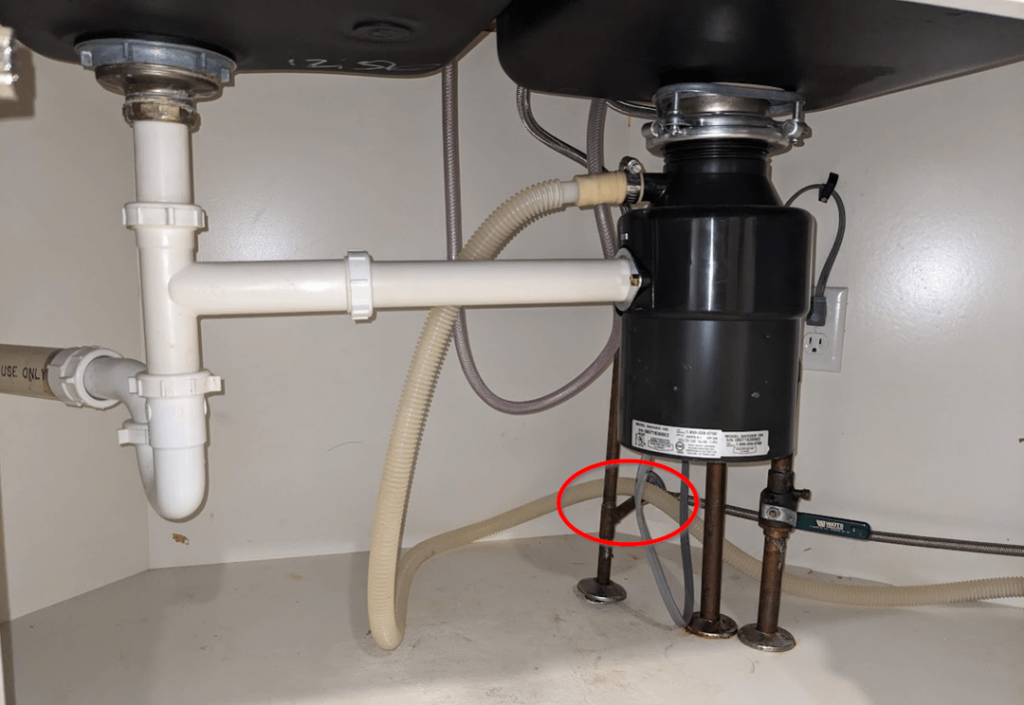
Understanding how garbage disposals work helps decide if you need one with a dishwasher. These devices grind food waste into small particles. This process keeps kitchen drains clear and reduces clogs. They connect under the kitchen sink and often link to the dishwasher drain. Let’s explore their basic mechanism and common features.
Basic Mechanism
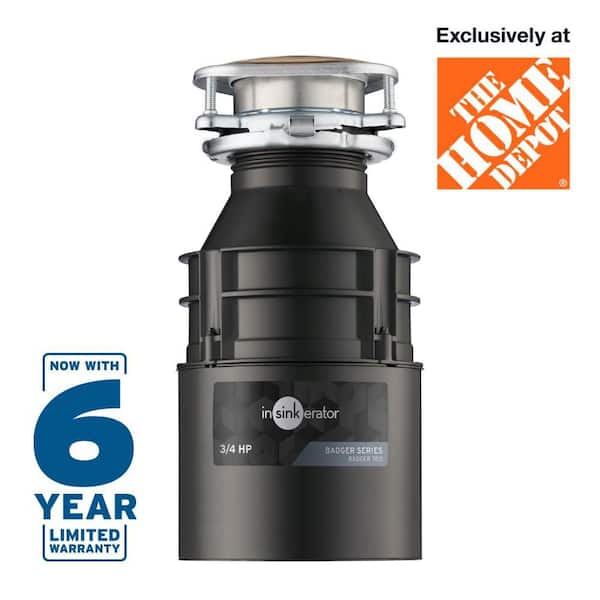
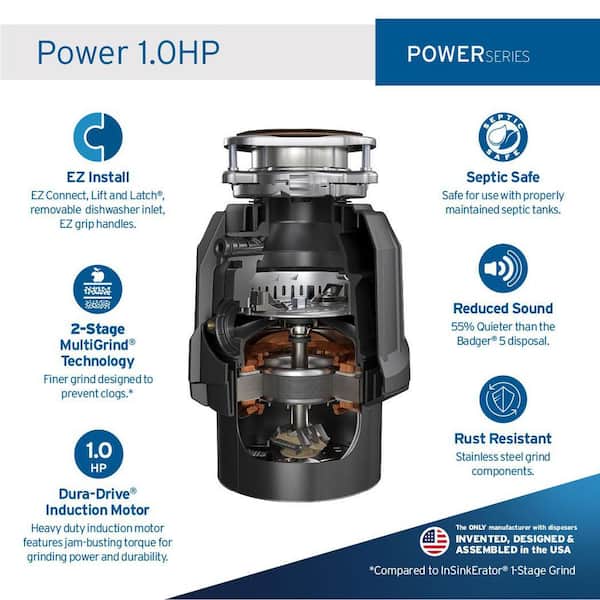
A garbage disposal uses a motor to spin a grinding plate. Food scraps enter the unit through the sink drain. The spinning plate pushes food against a shredding ring. This breaks food into tiny pieces. Water flushes the particles down the drain pipe. The motor stops automatically when the switch is off. It prevents blockages and keeps pipes flowing smoothly.
Common Features
- Electric motor powering the grinding plate
- Grinding chamber with shredding ring
- Splash guard to prevent food from flying out
- Connection port for dishwasher drain hose
- Manual reset button for safety
- Sound insulation for quieter operation
Most units include a dishwasher inlet. This allows water and food waste from the dishwasher to pass through the disposal. It helps prevent clogs in the dishwasher drain line. Knowing these features clarifies how disposals support both sink and dishwasher functions.
Credit: www.homedepot.com
Dishwasher Drainage Basics
Understanding dishwasher drainage is key when deciding on a garbage disposal. The drainage system ensures water and food particles leave the dishwasher properly. It helps prevent leaks, clogs, and bad smells in your kitchen sink area.
Dishwasher drainage connects to your home’s plumbing system. This connection can affect how well your dishwasher performs. Knowing these basics helps you choose the right setup and avoid common problems.
How Dishwashers Drain
Dishwashers pump out dirty water through a drain hose. This hose usually runs from the dishwasher to the sink area. The water flows out with food scraps and detergent residue. A small filter catches larger particles to stop clogs.
The dishwasher drain pump pushes water out with enough force. This keeps the inside clean and ready for the next wash. Proper drainage prevents water from backing up into the dishwasher.
Connection To Sink Plumbing
The dishwasher drain hose often connects to the sink drain or garbage disposal. This setup lets wastewater flow directly into the home’s waste pipe. A high loop or air gap device keeps dirty water from flowing back.
Garbage disposals can grind food waste before it enters the drain. This reduces the chance of clogs. If your dishwasher connects to a disposal, it must have a knockout plug removed. This allows water to pass through freely.
Role Of Garbage Disposal With Dishwasher
The garbage disposal plays an important role when paired with your dishwasher. It acts as the first line of defense in managing leftover food bits that could otherwise cause issues in your plumbing system. Understanding this role helps you decide if installing a garbage disposal alongside your dishwasher is the right move for your kitchen.
Preventing Clogs
Your dishwasher drains water that often carries small food scraps. Without a garbage disposal, these scraps can accumulate in the pipes and cause clogs over time. Installing a disposal ensures that these particles are ground down and flushed away easily, keeping your drains clear.
Think about the last time your sink backed up after doing dishes. A garbage disposal can help avoid that frustrating scenario by breaking down food debris before it reaches the drain line. This simple addition can save you from costly plumbing repairs and inconvenient blockages.
Handling Food Particles
Food particles left on plates and utensils can be tough to fully rinse off before loading the dishwasher. A garbage disposal helps by shredding these particles into smaller pieces that won’t clog your pipes or dishwasher filter.
When you use a disposal, you don’t have to worry about rinsing your dishes perfectly clean every time. It lets you save time without compromising on the dishwasher’s performance. Have you noticed how much easier cleanup becomes when you don’t obsess over every leftover crumb?
Credit: www.homedepot.com
When A Garbage Disposal Is Necessary
Knowing when a garbage disposal is necessary with a dishwasher helps avoid plumbing issues. It depends on the dishwasher model and the home’s plumbing setup. A garbage disposal can make kitchen cleanup easier by grinding food waste.
Dishwasher Model Considerations
Some dishwasher models require a garbage disposal to handle food scraps. These dishwashers send food particles to the drain. Without a disposal, the particles can clog pipes or cause bad odors.
Dishwashers with built-in food grinders may not need an extra disposal. Check the dishwasher manual to see if a disposal is recommended or required. Older dishwasher models often benefit from a disposal installation.
Plumbing Setup Factors
The plumbing layout affects the need for a garbage disposal. Homes with older pipes may clog easily without a disposal. If the dishwasher drain connects to the garbage disposal, it helps break down food waste.
Some plumbing codes require a disposal when installing a dishwasher. The disposal prevents blockages by grinding food before it enters the drain. Consider the size and type of drain pipes when deciding on a disposal.
Alternatives To Garbage Disposal
Not everyone wants or needs a garbage disposal with their dishwasher. Luckily, there are practical alternatives that keep your kitchen running smoothly. These options help avoid clogs and maintain proper drainage without a disposal unit.
Air Gap Installations
An air gap is a small device installed on the sink or countertop. It prevents dirty water from flowing back into the dishwasher. This creates a physical break between the dishwasher and the drain pipe.
Air gaps improve hygiene by stopping contamination. They also help avoid drain backups. Many building codes require air gaps for dishwasher installations without a garbage disposal.
Separate Drain Lines
Using separate drain lines for the dishwasher and sink is another solution. This setup keeps dishwasher wastewater away from the sink drain. It reduces the risk of blockages and odors.
Separate drains need careful planning and professional installation. They work best in homes with limited space or no garbage disposal. This method ensures clean drainage and smooth operation.
Installation Tips And Best Practices
Installing a garbage disposal with a dishwasher requires careful planning and attention. Proper installation ensures both devices work efficiently and last longer. Following best practices avoids leaks, clogs, and electrical issues. Below are key tips for correct installation and upkeep.
Proper Connections
Connect the dishwasher drain hose to the garbage disposal’s dishwasher inlet. Use a clamp to secure the hose tightly, preventing leaks. Remove the knockout plug inside the disposal inlet before attaching the hose. Check the disposal’s power supply; it should be grounded and meet local electrical codes. Ensure the disposal is mounted firmly under the sink to avoid vibrations. Use plumber’s putty or a rubber gasket around the mounting flange to stop water leaks. Test connections by running water and the dishwasher to spot leaks early.
Maintenance Advice
Run cold water while using the garbage disposal to keep it clear. Avoid putting fibrous or hard materials in the disposal to prevent jams. Clean the disposal regularly with baking soda and vinegar to remove odors. Check and tighten hose clamps every few months to stop leaks. Avoid pouring grease or oil down the drain to prevent buildup. Use the disposal often to keep the motor parts moving smoothly. If the dishwasher drains slowly, inspect the disposal and hose for blockages.
Common Issues And Solutions
Having a garbage disposal with your dishwasher can be convenient, but it sometimes leads to common issues that can disrupt your kitchen routine. Knowing how to spot and fix these problems can save you time and frustration. Let’s take a closer look at two frequent challenges: drain blockages and noise problems.
Drain Blockages
Drain blockages often happen when food scraps and grease accumulate in the pipes connecting your garbage disposal and dishwasher. You might notice slow draining water or water backing up into the sink or dishwasher. These blockages can cause unpleasant odors and even damage your plumbing if not handled promptly.
To prevent clogs, avoid putting fibrous foods like celery or potato peels into the disposal. Regularly run cold water while the disposal is on to flush debris through the system. If a blockage occurs, try using a plunger or a plumber’s snake to clear the pipes before calling a professional.
Noise Problems
Strange noises from your garbage disposal can indicate a few different issues. Sometimes, it’s just a small piece of food stuck between the blades causing a grinding sound. Other times, loose mounting or worn-out parts can create rattling or banging noises.
Before assuming the worst, turn off the disposal and look inside using a flashlight. You may spot and remove the offending object with tongs. If the noise persists, check that the unit is securely mounted or consider contacting a technician for a thorough inspection.
Cost And Energy Implications
Adding a garbage disposal with a dishwasher affects both costs and energy use. Understanding these factors helps in making a smart choice. It impacts your budget and electricity bills. Knowing the details makes installation and operation easier to manage.
Installation Costs
Installing a garbage disposal with a dishwasher adds to your plumbing work. The cost varies by model and labor charges. Basic units cost between $70 and $120. Higher-end models may go up to $300 or more. Labor costs depend on your location and plumber fees. Expect to pay $100 to $200 for installation. Some setups need extra parts or electrical work. This increases the total cost. Budget for possible repairs or upgrades in your kitchen plumbing.
Energy Usage
Garbage disposals use electricity to grind food waste. The energy use is low during operation. Most disposals consume around 500 to 1500 watts. Running a disposal for a few minutes adds little to your electric bill. Dishwashers use more energy than disposals. Combining both does not double energy costs. Energy-efficient models reduce power consumption. Using the disposal only when necessary saves energy. Keep in mind water usage can increase slightly. Efficient disposal use supports lower overall utility bills.
Frequently Asked Questions
Do Dishwashers Require Garbage Disposals To Function?
No, dishwashers do not require garbage disposals. However, disposals help break down food waste, preventing clogs and improving drainage. They make cleaning easier by reducing debris entering the dishwasher drain.
Can A Garbage Disposal Improve Dishwasher Drainage?
Yes, a garbage disposal can improve dishwasher drainage. It grinds food particles, reducing blockages in the drain hose. This helps water flow smoothly and prevents backups during dishwasher cycles.
Is A Garbage Disposal Necessary With Every Dishwasher?
No, a garbage disposal is not necessary with every dishwasher. Some dishwashers have built-in filters to catch food debris. But disposals offer added convenience and reduce the risk of clogged drains.
How Does A Garbage Disposal Affect Dishwasher Maintenance?
A garbage disposal reduces dishwasher maintenance by preventing food buildup in drains. It minimizes odors and clogs, leading to fewer repairs. Regular use keeps plumbing clear and dishwasher running efficiently.
Conclusion
A garbage disposal can help keep your kitchen clean and waste-free. It works well with a dishwasher by breaking down food scraps. This can stop clogs and bad smells in your sink. Not every home needs one, but many find it useful.
Consider your kitchen size, habits, and budget before deciding. A disposal adds convenience but requires some care. Choose what fits your lifestyle best for a smoother kitchen routine.