Are you frustrated with a clogged dishwasher and considering reaching for that trusty bottle of Drano? Before you take that step, it’s crucial to know whether this common household remedy is a safe and effective solution for your appliance woes.
We’ll explore the potential risks and consequences of using Drano in your dishwasher. You might be surprised by what you learn! Stick around as we dive into safer alternatives that can help you keep your dishwasher running smoothly, ensuring your kitchen stays a stress-free zone.
Your appliances deserve the best care, and you’re about to discover how to provide just that!

Credit: drano.com
Why Draino Isn’t Suitable For Dishwashers
Using Draino in your dishwasher might seem like a quick fix for clogs or slow drainage, but it’s actually a risky move. Draino is designed for drains and pipes, not the delicate inner workings of a dishwasher. Understanding why this product isn’t suitable can help you avoid costly repairs and health hazards.
Chemical Composition And Effects
Draino contains strong chemicals like sodium hydroxide and bleach, which are made to break down grease, hair, and other tough clogs in pipes. These substances are highly corrosive and can react violently if mixed with dishwasher detergents or leftover food particles.
Because dishwashers are made from materials sensitive to harsh chemicals, these ingredients can cause unexpected damage. Have you ever wondered why your dishwasher smells odd or looks worn out after using certain cleaners? Harsh chemicals like those in Draino are often the culprit.
Potential Damage To Dishwasher Components
The heating element, seals, and plastic parts inside your dishwasher aren’t built to handle Draino’s corrosive nature. Over time, exposure can cause these components to weaken, crack, or even break completely.
This damage leads to leaks, electrical issues, and reduced cleaning performance. Imagine running your dishwasher only to find water pooling underneath or the machine failing mid-cycle. That’s a direct result of chemical damage.
Health And Safety Concerns
Draino’s strong chemicals pose serious safety risks. If residues remain in the dishwasher, they can contaminate your dishes, putting you and your family at risk of chemical burns or poisoning.
Mixing Draino with other cleaning agents in the dishwasher can also release toxic fumes. You might not notice these fumes right away, but they can cause respiratory problems and eye irritation over time.
Is it really worth risking your health and your dishwasher’s lifespan just to clear a clog? There are safer, dishwasher-approved products that can do the job without these dangers.

Credit: www3.drano.com
Common Dishwasher Clogs And Their Causes
Dishwasher clogs can be frustrating and often catch you off guard. Knowing what typically causes these blockages can save you time and avoid costly repairs. Let’s look closely at the most common culprits behind dishwasher clogs and how they affect your appliance’s performance.
Food Particles And Residue
Small bits of food left on plates often slip through the dishwasher’s filters and settle in the drain. Over time, these particles build up, creating a blockage that prevents proper water drainage. Have you ever noticed your dishwasher water pooling at the bottom after a cycle? That’s a clear sign of food debris causing a clog.
Regularly rinsing your dishes before loading can reduce this problem significantly. Also, cleaning the dishwasher filter once a month helps keep these residues from accumulating.
Hard Water Build-up
If you live in an area with hard water, mineral deposits can slowly clog your dishwasher’s pipes and spray arms. These deposits appear as white, chalky residue and restrict water flow, affecting cleaning efficiency. You might wonder why your dishes aren’t coming out as clean despite running the dishwasher properly—hard water build-up could be the reason.
Using a dishwasher cleaner designed to tackle mineral deposits can help. You might also consider installing a water softener to prevent future build-up.
Grease And Soap Scum
Grease from oily dishes and soap scum from detergents can stick to your dishwasher’s drains and pipes. This sticky mixture traps other debris, worsening the clog over time. Have you ever noticed a foul smell coming from your dishwasher? Grease and soap scum are often behind that unpleasant odor.
To keep your dishwasher fresh and clog-free, avoid pouring grease down the drain and use the right amount of detergent. Running a hot water cycle with vinegar or a dishwasher-safe degreaser occasionally can also break down these deposits effectively.
Safe Alternatives To Clear Dishwasher Clogs
Clearing clogs in a dishwasher requires safe and effective solutions. Using harsh chemicals like Drano can damage your appliance. Instead, try gentle and proven methods that protect your dishwasher parts. These alternatives help remove blockages without risking harm or leaks.
Using Baking Soda And Vinegar
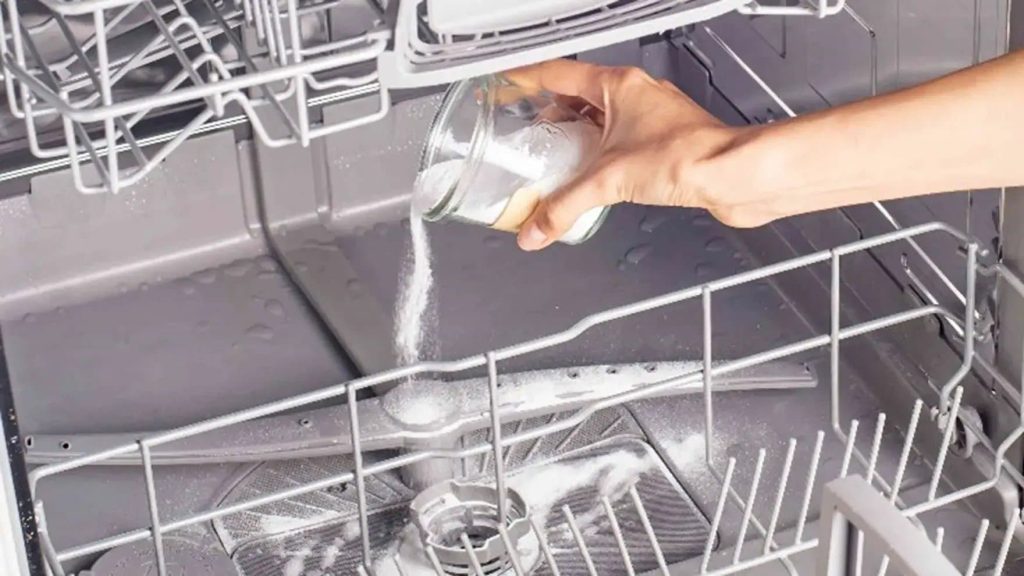
Baking soda and vinegar create a natural cleaning reaction. Sprinkle baking soda inside the dishwasher drain. Pour white vinegar over it slowly. Wait 10 to 15 minutes for fizzing to break down grime. Run a hot water cycle to flush the debris. This method is eco-friendly and safe for all dishwasher types.
Manual Cleaning Methods
Manual cleaning helps remove visible blockages quickly. Start by unplugging the dishwasher for safety. Remove the bottom rack to access the drain area. Check for food particles, grease, or small objects blocking the drain. Use a soft brush or cloth to clean parts gently. Clear the drain filter and spray arms as well. This hands-on approach prevents buildup and improves water flow.
Commercial Dishwasher Cleaners
Special cleaners made for dishwashers dissolve grease and limescale. Follow the instructions on the product label carefully. Usually, you place the cleaner in the detergent slot. Run an empty hot cycle to allow the cleaner to work. These products are formulated to be safe for dishwasher components. They maintain performance and extend the appliance’s life.

Credit: www.drano.com
Tips For Maintaining A Clog-free Dishwasher
Keeping your dishwasher free from clogs is essential for smooth operation and long-lasting performance. Simple habits can prevent blockages and save you from costly repairs. Let’s dive into some practical tips that you can easily apply to maintain a clog-free dishwasher.
Regular Cleaning Practices
Cleaning your dishwasher regularly helps prevent food buildup that can cause clogs. Run an empty cycle with a cup of white vinegar placed on the top rack to dissolve grease and residue. Wiping down the door seals and spray arms after every few uses also keeps parts from getting blocked.
Proper Loading Techniques
How you load your dishwasher impacts drainage. Avoid overloading to ensure water circulates freely and reaches all dishes. Place large food scraps in the trash instead of the dishwasher, as excess debris can clog the drain. Position items so they don’t block the spray arms, which keeps water flowing smoothly.
Routine Filter Maintenance
Your dishwasher’s filter traps food particles before they reach the drain. Check and clean the filter every week or two, especially if you notice slow draining or odors. Remove the filter, rinse it under running water, and use a soft brush to clear stubborn debris. This simple step can prevent many common clog issues.
Frequently Asked Questions
Can You Use Drano In A Dishwasher Drain?
No, Drano is not safe for dishwasher drains. It can damage dishwasher components and pipes. Use dishwasher-safe cleaners instead.
What Happens If Drano Is Poured Into A Dishwasher?
Pouring Drano into a dishwasher can cause chemical damage. It may corrode parts and void the warranty. Avoid using harsh chemicals in dishwashers.
Is Drano Effective For Dishwasher Clogs?
Drano is not designed for dishwasher clogs. Use products made specifically for dishwashers or call a plumber for safe clog removal.
Are There Safer Alternatives To Drano For Dishwashers?
Yes, use dishwasher-safe cleaning agents or natural solutions like baking soda and vinegar. These options are gentle and effective for dishwasher maintenance.
Conclusion
Using Drano in a dishwasher is not safe. It can damage your appliance and pipes. Dishwashers need special cleaners made for them. Always choose products designed for dishwasher use. Avoid harsh chemicals that may cause leaks or corrosion. Keep your dishwasher running smoothly with proper care.
Regular cleaning helps prevent clogs without risks. Protect your home and dishwasher by using the right products. Stay safe and maintain your dishwasher properly.